
Motorcycle specifications BMW R 100/7 1976 More than she looks


presentation of the R 100/7 1976
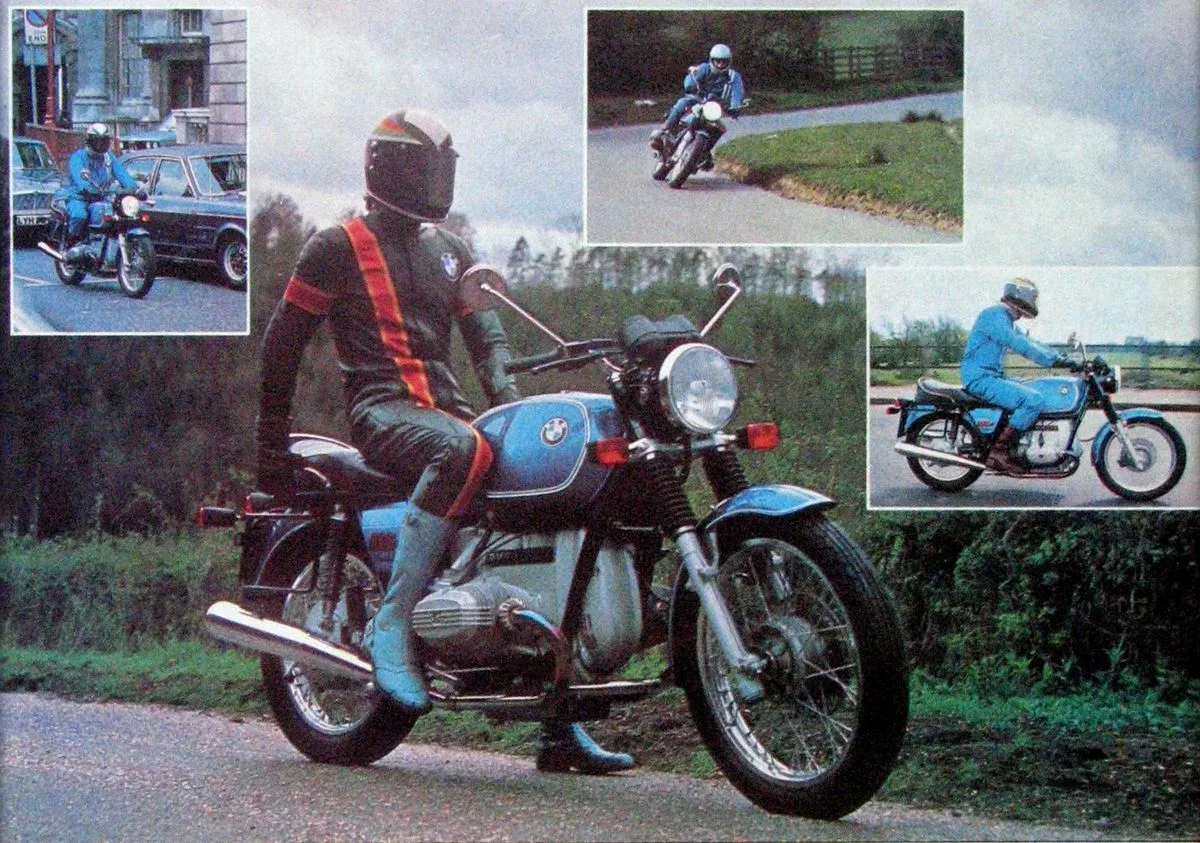
The 70s were a time of upheaval, both in terms of lifestyle and motorcycling. In 1976, Concorde made its first commercial flight, the Seveso area was in turmoil, and BMW launched a new family with its /7 series. With the R 100/7, the Bavarian firm was not looking to break pure speed records, but to redefine the concept of touring.
Symbolic switch to the liter
For observers at the time, the arrival of the 7 Series marked a major psychological turning point: BMW finally broke the 1,000 cm3 barrier. Previously limited to 900 cm3 with the R 90/6, the brand responded to the expectations of the American market for "more torque, less effort".
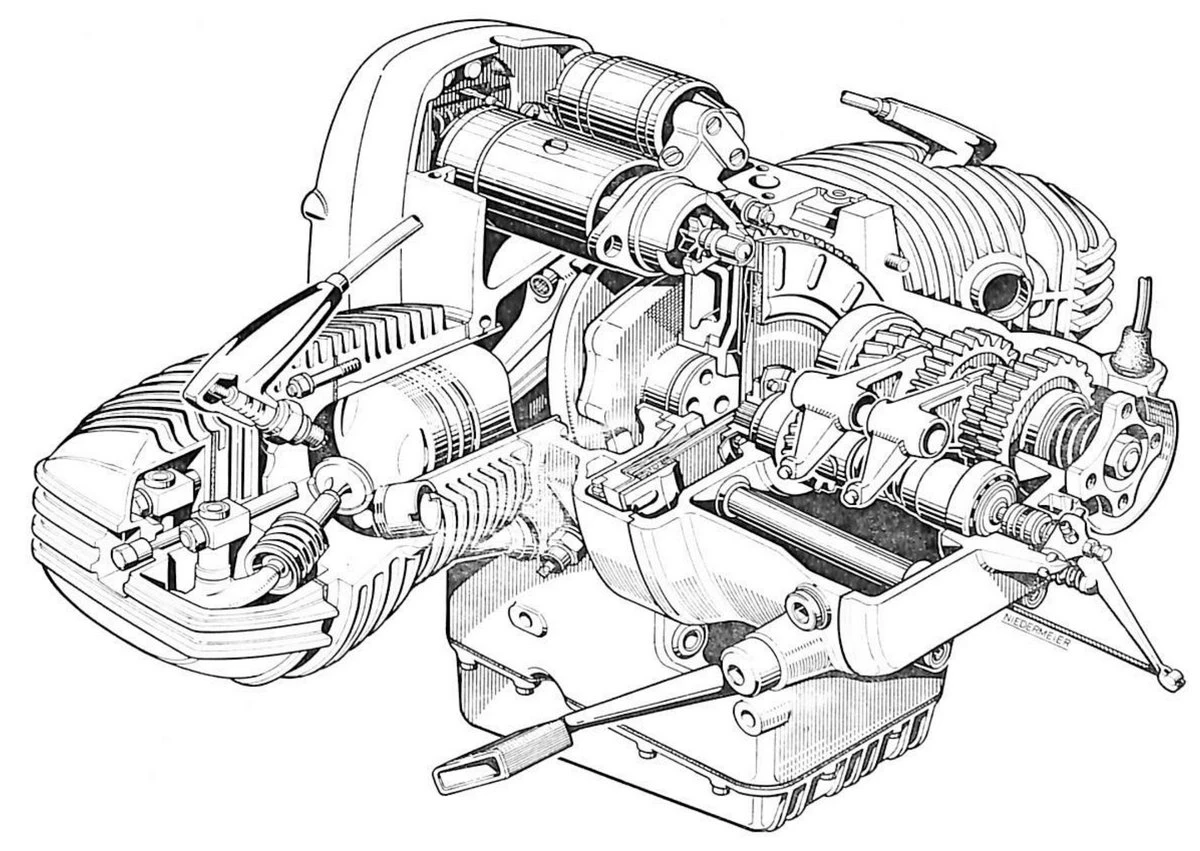
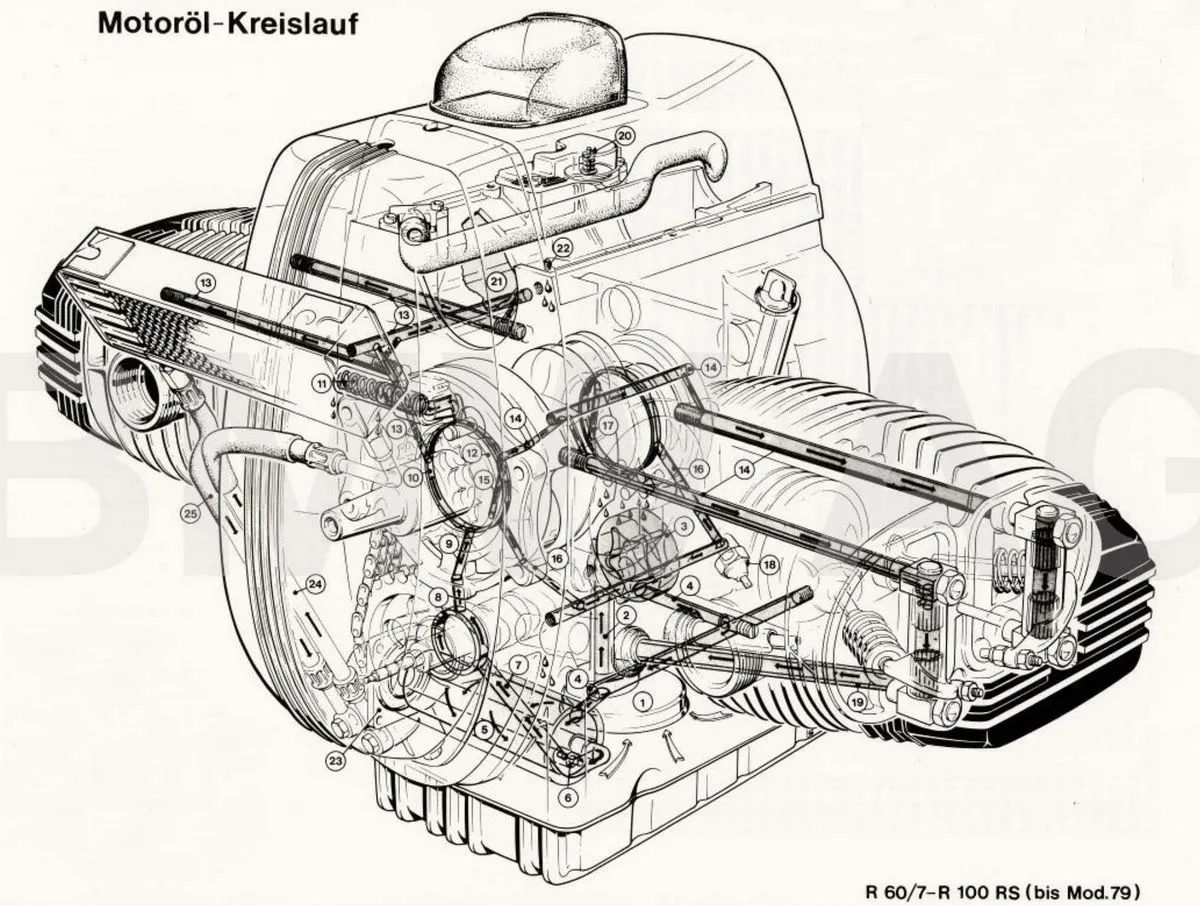
The R 100/7 inherits the famous "Airhead" engine (air-cooled cylinder heads), still a tumbled flat-twin. An increase in bore to 94 mm brings the exact displacement to 980 cm3. While 60 hp (44 kW) may seem modest compared to the four-cylinder of a Kawasaki Z1000, the specialized press immediately praises its availability. Torque is present right from low revs, offering that "inexhaustible tractor" feeling so dear to long-distance backpackers.
Functional, sober, old-fashioned styling
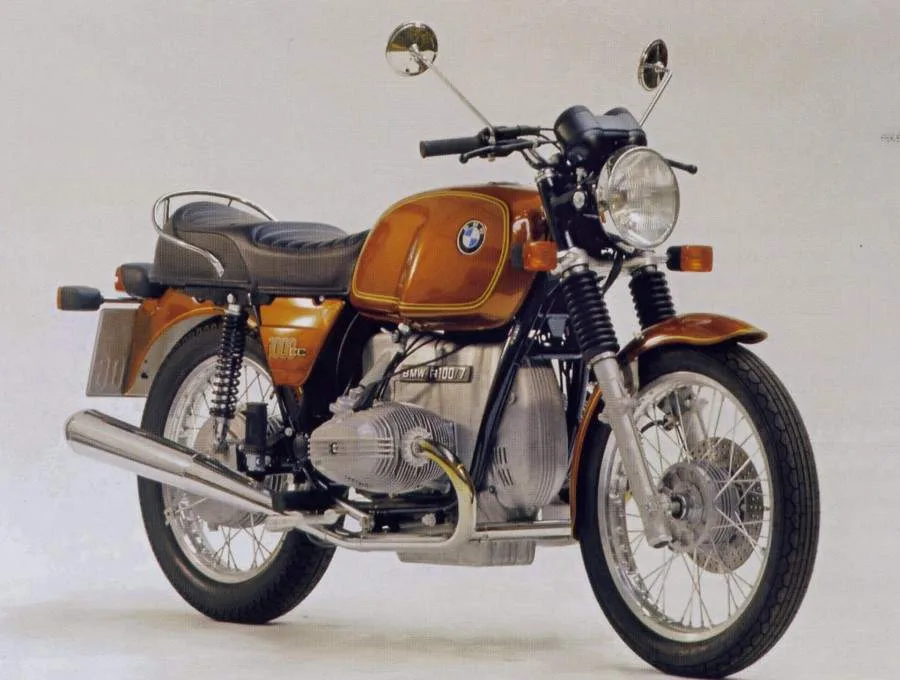
Unlike its sportier siblings (the R 100 S and the revolutionary, streamlined R 100 RS ), the R 100/7 "naked" plays the sober card. It embodies a certain standing and a quiet, all-too-serious image in the face of Japanese, British and Italian excitement.
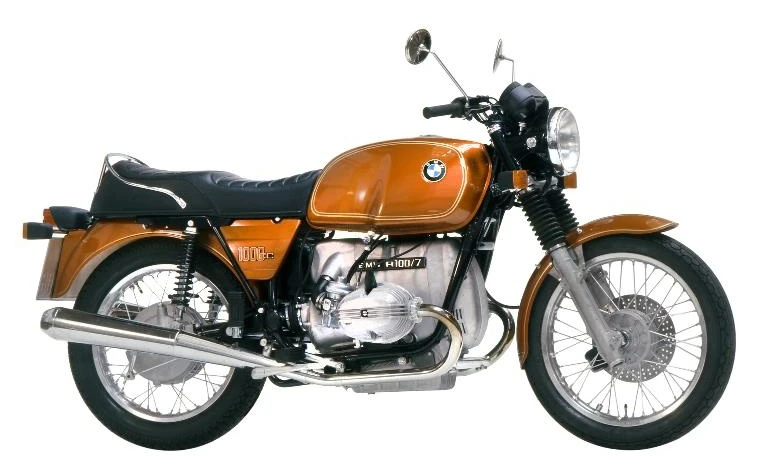
A subtle but welcome change compared to the /6 series: the fuel tank has been redesigned to better accommodate the knees, and the dashboard is easier to read. However, it's the build quality that really catches the eye. Where the Japanese chrome of the time tends to sting after a winter, the German steel and deep paintwork of the R 100/7 seem made to last, and last.
A magic carpet made in Bavaria
It's on asphalt that the R 100/7 reveals its true nature. It displays unflappable stability at high speed on the Autobahns, a feat for a bike without fairings. It also displays the qualities that forge BMW's image, but suffers in certain areas:
Comfort: the seat is wide, and the long-travel suspension absorbs irregularities with an efficiency that outstrips the competition.
Braking: This is often the sticking point. Equipped with a single front disc (with ATE pivoting caliper) and a rear drum, the bike requires a firm grip. Critics complained of "spongy" braking compared to the modern standards that were emerging.
The drivetrain: the brand's signature cardan shaft is praised for its cleanliness and maintenance-free operation, although the lifting effect under acceleration still surprises neophytes.
A symbol of anti-fashion?
At the time, buying an R 100/7 was a rational choice, almost against the grain. It was more expensive, less powerful and visually more conservative than its rivals. Yet today's retrospectives prove him right.
The R 100/7 was certainly one of the best "Airheads" ever produced. It offered exemplary mechanical reliability in a very conventional package. Almost sad, but still going strong, and for a long time to come.
M.Bi. - Manufacturer's photos
by Greg

Greg is the founder of Motoplanete—a website created in 2001 to share his passion with his friends and showcase as many motorcycle models as possible to his readers. Self-taught and a jack-of-all-trades, his discovery of the world of motorcycles led him to work as a photographer, rider, team manager, web developer, graphic designer, editorial assistant, and editor-in-chief.
 Share
Share
Key facts BMW R 100/7 (1976) : What you need to know before you buy
Model sold in 1976
Performance
- Max speed : 188 km/h (116.80 mph)
- 0-100 km/h acceleration : 5.10 s
- Average fuel consumption : 5.50 liters/100km (0.43 mpg)
-
Estimated range
: 436 km (271 miles)
Calculated range until tank is empty, not verified.
Specifications BMW R 100/7 1976
- Chassis
- Two-seater saddle
- Frame : Tubular steel structure
- Fuel capacity : 24 liters (6.34 US gallons)
- Seat height : 810 mm (31.89 in)
- Length : 2,130 mm (83.86 in)
- Width : 746 mm (29.37 in)
- Min height : 1,080 mm (42.52 in)
-
Min. ground clearance : 165 mm (6.50 in)
- Wheelbase : 1,465 mm (57.68 in)
- Dry weight : 215 kg (474 lb)
- Front axle
- Telehydraulic fork Ø nc, Wheel travel : 200 mm (7.87 in)
- Braking 1 disc Ø 260 mm (10.24 in)
- Transmission
- 5 stage gearbox , manual
- Secondary cardan shaft
- Rear axle
- 2 lateral shock absorbers, Wheel travel : 125 mm (4.92 in)
- Preload adjustment
- drum brakes Ø 200 mm (7.87 in)
- Motor
- two-cylinder , 4 strokes
- 2 carburetors Ø 36 mm
- Cooling system : by air
- 2 valves per cylinder
- 980 cc
- 60 ch (59.20 hp) to 6,500 rpm
- 7.50 mkg (73.50 Nm) to 4,000 rpm
- Power-to-Weight Ratio : 3.63 kg/ch
- Torque-to-Weight Ratio : 28.67 kg/mkg
- Compression : 9,1 : 1
- Practical information
- Country of manufacture : Germany
Essentials

 Motoblouz
 LaBécanerie


Gallery
Models
1976
Used
Compare the R 100/7 to its competitors
FAQ Your frequently asked questions about the R 100/7 1976
- What is the power of the R 100/7?
-
The R 100/7 1976 develops a power of 60 ch (59.20 hp)
- What is the torque of the R 100/7?
-
The maximum torque of the R 100/7 1976 is 7.50 mkg (73.50 Nm) to 4,000 rpm.
- What is the maximum speed of the R 100/7?
-
The R 100/7 1976 is capable of reaching a top speed of 188 km/h (116.80 mph) on the track.
- What is the weight of the R 100/7?
-
The R 100/7 1976 has a a dry weight of 215 kg (474 lb).
- What is the fuel consumption of the R 100/7?
-
Average fuel consumption is estimated at 5.50 l/100km (0.43 mpg) according to the WMTC cycle.
- QWhat is the seat height of the R 100/7?
-
To ensure good accessibility, the R 100/7 1976 offers a minimum seat height of 810 mm (31.89 in).
News
-
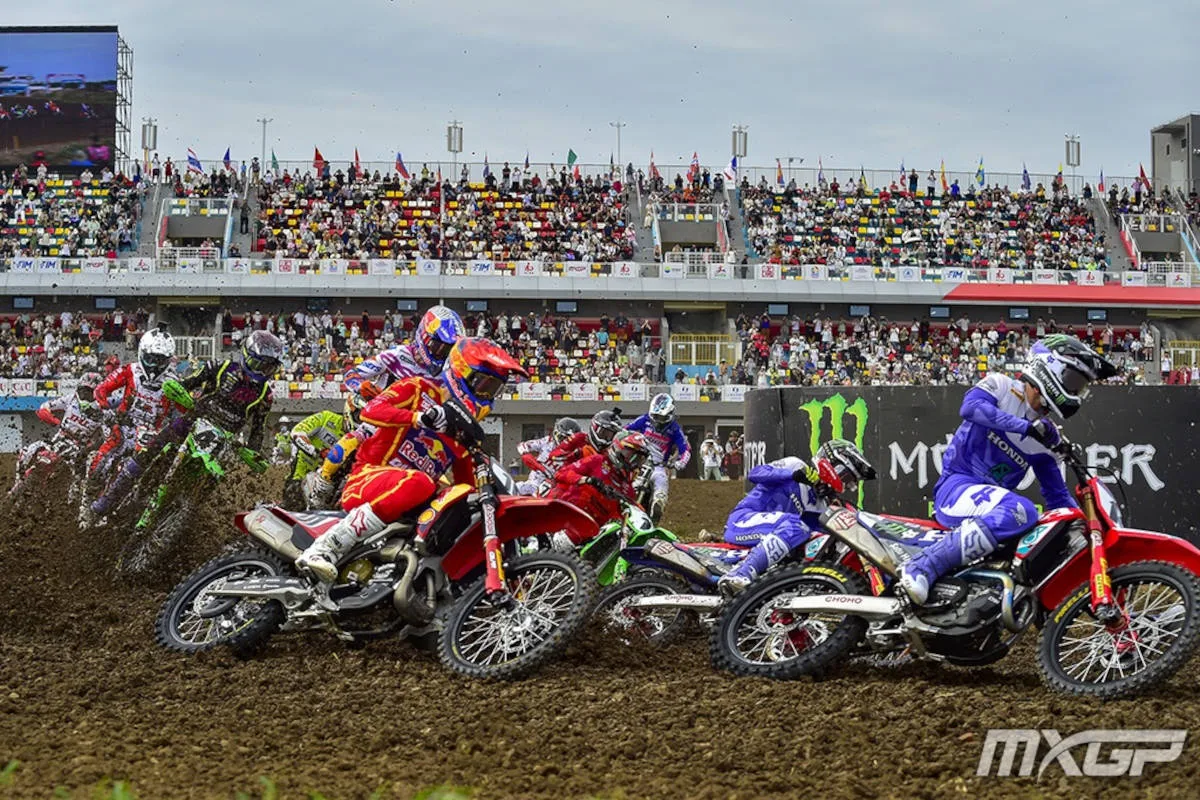
2026 MXGP of China: Herlings Unbeatable, McLellan Delays the MX2 Title
-
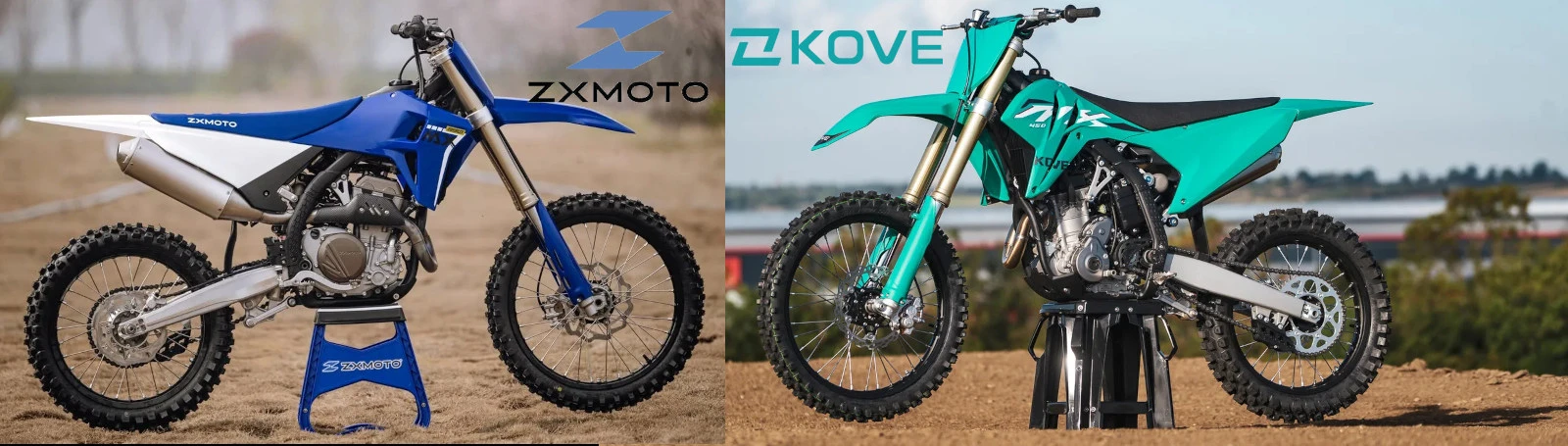
MXGP 2027: Kove and ZXMoto Join the Championship
-
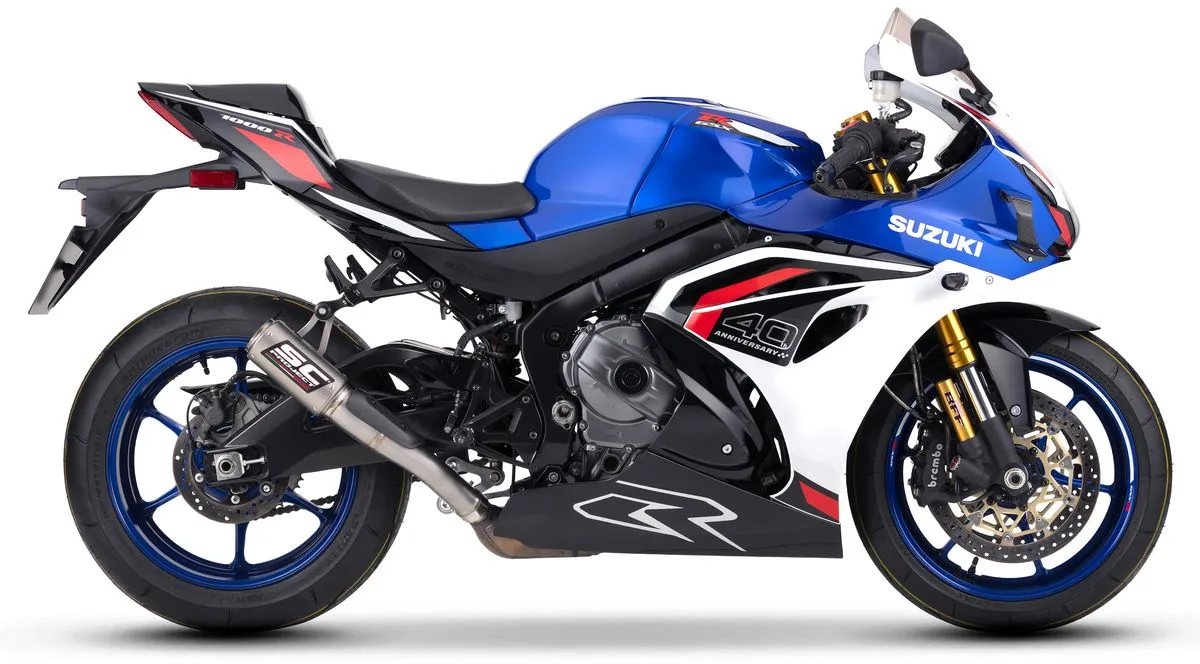
SC Project is working on the 2026 Suzuki GSX-R1000R.
-
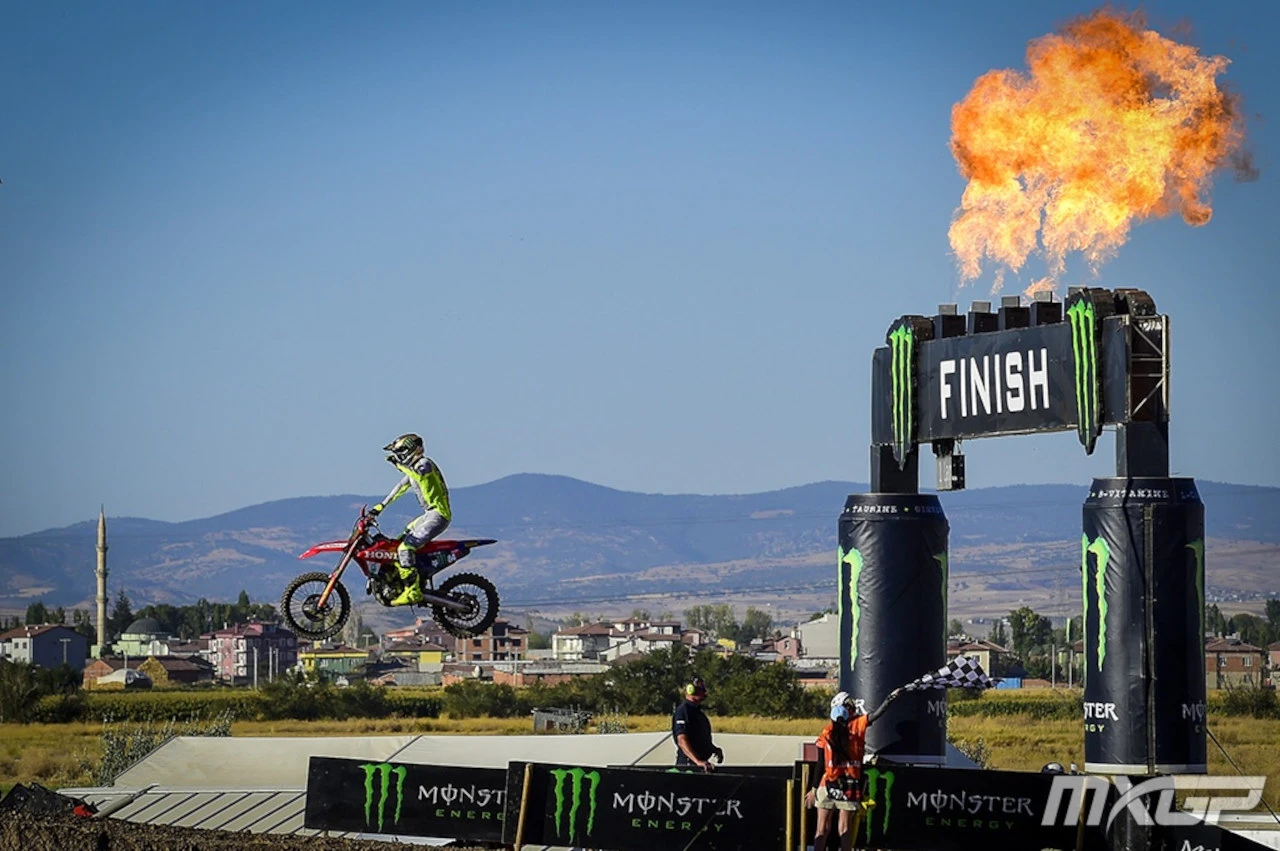
2026 MXGP of Turkey: Herlings Crowned World Champion!
-
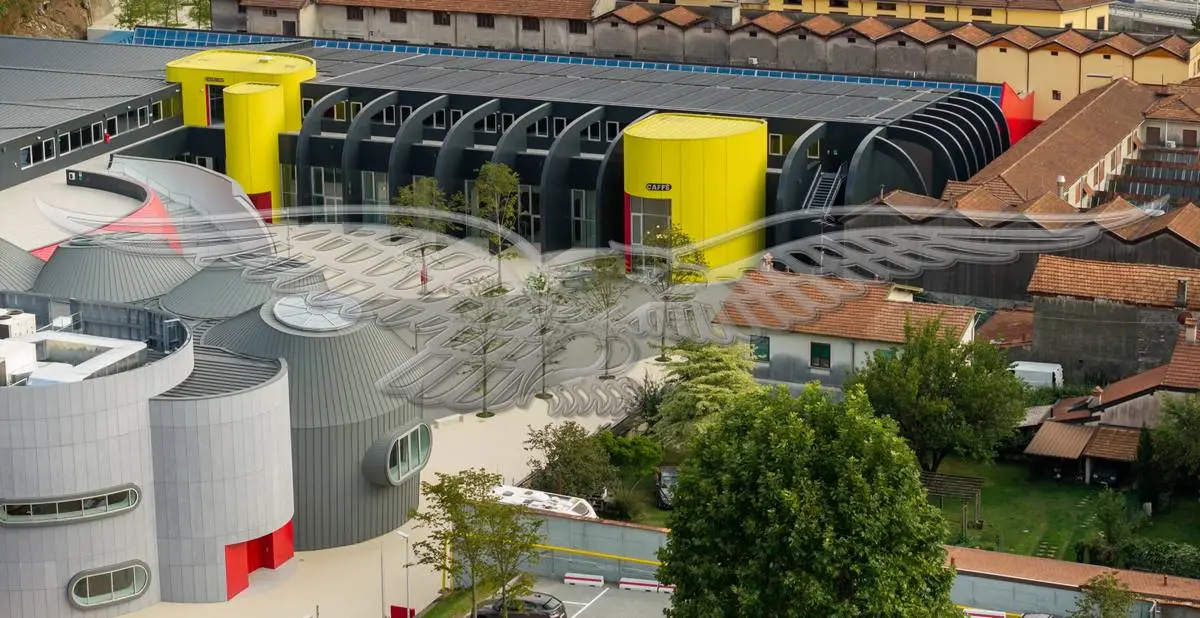
Moto Guzzi: In Mandello, the historic factory is taking on a new scale.
-
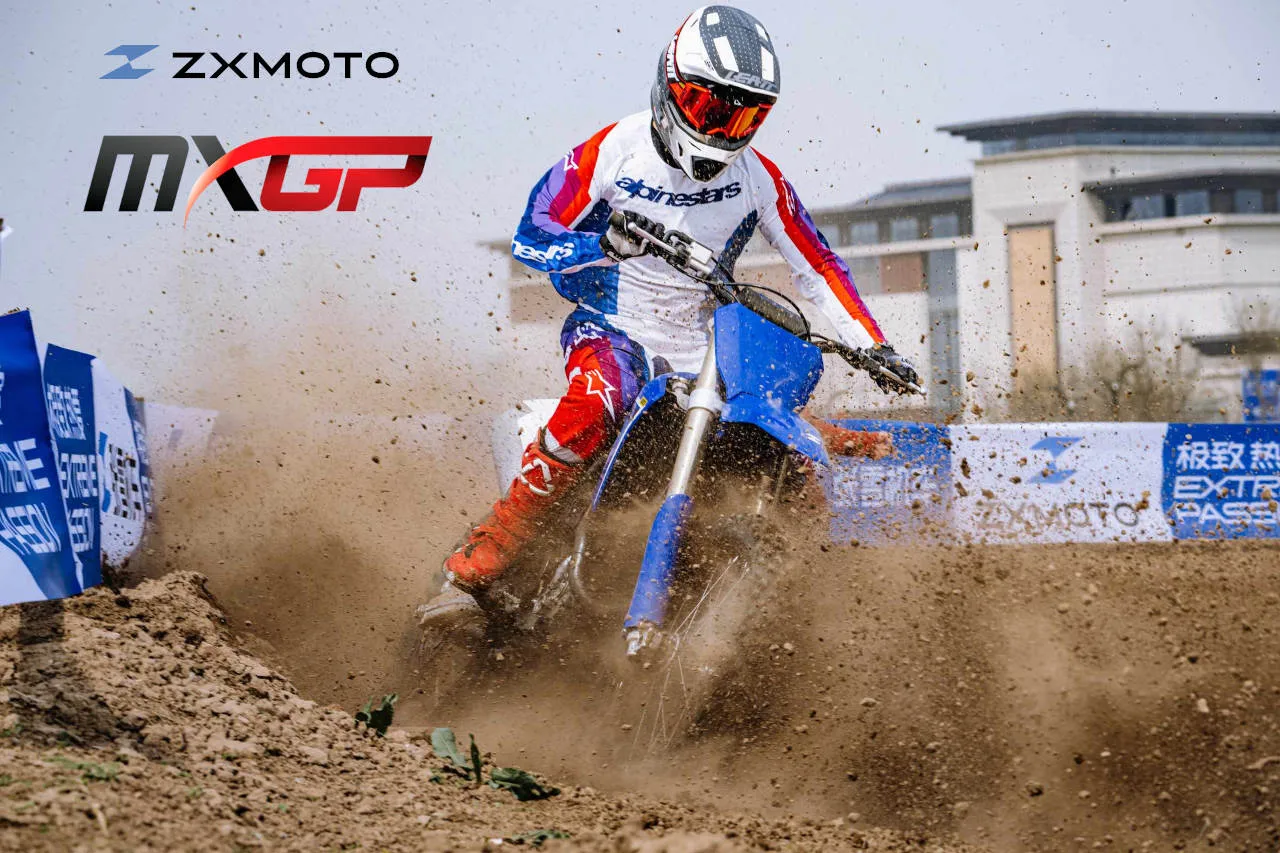
ZXMoto in MXGP 2027: The Hypothesis of an Off-Road Earthquake
-
Superbike - Will 240 ch sport bikes soon be available at dealerships?
-
2 new SC-Project mufflers for the R 12 NineT and G/S.
-
Seiko unveils a watch inspired by the Honda Motocompo.
-
The new motorcycle models of 2026 and the evolutions.

Bikers' reviews Leave a review