
Motorcycle specifications Traub 1300 1916 Mystery and the absolute


presentation of the 1300 1916
Some enigmas deserve to have their mystery born and remain. This is almost the case with this Traub-badged word, whose story begins with a sledgehammer blow. In 1967, in the Chicago suburb of Cicero, workmen knocked down an interior wall during the renovation of a residential building. Behind the bricks, they discovered a mechanical time capsule: a perfectly preserved burnt-orange motorcycle, the complexity of which was to leave world experts speechless.
This was no mere rarity; it was the physical evidence of a genius that had surpassed its time, hidden there, according to legend, by a father whose son had stolen the machine before going off to fight in the Great War.
Gottlieb Richard Traub (probably): the genius in the shadows
For a long time, the identity of the creator remained a blank page. It was only by delving into the archives of the specialized American press that historians were able to trace Gottlieb Richard Traub. In 1907, this German immigrant and exceptional mechanic was already writing about his handiwork. It's almost certain that he was the creator of this astonishing machine, but no irrefutable proof has yet been established.
The Traub of 1916 is not the fruit of an assembly line, but the culmination of a decade of solitary work. Traub didn't just assemble parts; he created his own foundry molds and machined his components with a precision that the Milwaukee or Springfield giants couldn't achieve in mass production.
An ode to precision engineering
When you examine the guts of the beast, the technological advance is striking. The heart of the machine is an imposing 45-degree V-Twin, boasting a displacement of 80 cubic inches (approx. 1,278 cm3). This was a huge displacement for 1916, enabling the bike to reach a top speed of 136 km/h (85 mph), a pace that only racing machines of the time dared to approach.
The machining of this side-valve engine defied the laws of the time: the components fit together with such precision that no gaskets were needed to ensure watertightness between the crankcases. To fuel this monster, Traub opted for a Schebler Model L carburetor that he modified himself, while ignition is provided by a Bosch magneto mounted atypically at the front of the engine, driven by a dedicated chain.
Innovation at your fingertips and feet
The Traub's superiority also lies in its transmission and braking. While its contemporaries often used rudimentary systems, it features a three-speed "sliding gear" transmission. What makes it special? Surgically precise gear selection, with dead centers between each gear to avoid any handling errors under stress.
But it's the rear braking system that remains the key piece of the puzzle. Traub has invented a totally unique dual-action system: a single rear drum houses two distinct sets of jaws, one acting by internal expansion and the other by external compression. This level of braking safety and modulation would not become an industry standard until decades later.
Comfort is rudimentary by today's standards but advanced for the era, with a leaf-sprung front fork ensuring high-speed stability and a Troxel Jumbo saddle, the epitome of vintage-era ergonomics.
From wall to museum: a living heritage
Today, the Traub is far from its sarcophagus. After passing through the hands of collectors such as Bud Ekins, it has found its permanent home at the Wheels Through Time museum in North Carolina. Under the impetus of founder Dale Walksler, the bike has been put back on the road without ever losing its original patina.
Walksler, who rode it many times, liked to emphasize the incredible "smoothness" of the engine, fed by a 13.2-liter gas tank and an oil sump of almost 4 liters. The Traub is not just a showpiece; it's a working machine, a rolling testament to a man who, alone in his Chicago garage, built the most advanced motorcycle of his century.
by Greg

Greg is the founder of Motoplanete—a website created in 2001 to share his passion with his friends and showcase as many motorcycle models as possible to his readers. Self-taught and a jack-of-all-trades, his discovery of the world of motorcycles led him to work as a photographer, rider, team manager, web developer, graphic designer, editorial assistant, and editor-in-chief.
 Share
Share
Key facts Traub 1300 (1916) : What you need to know before you buy
Specifications Traub 1300 1916
- Chassis
- Vehicle not capable of carrying passengers
- Frame : Single-cradle tubular steel structure
- Fuel capacity : 13.20 liters (3.49 US gallons)
- Oil capacity : 3.80 liters (1 US gallons)
- Wheelbase : 1,397 mm (55 in)
- Front axle
- with blades
- Transmission
- 3 stage gearbox , manual
- Secondary by chain
- Rear axle
- spring saddle
- drum brakes
- Motor
- two-cylinder 45° V-shaped , 4 strokes
- by carburetor
- Cooling system : by air
- 2 valves per cylinder
- 1,278 cc
- ≈ 20 ch (19.70 hp)
- Practical information
- A one-of-a-kind vehicle, only one produced
- Country of manufacture : United States
Essentials


 Motoblouz
 LaBécanerie



Models
1916
Used
Compare the 1300 to its competitors
FAQ Your frequently asked questions about the 1300 1916
- What is the power of the 1300?
-
The 1300 1916 develops a power of 20 ch (19.70 hp)
- What is the maximum speed of the 1300?
-
The 1300 1916 is capable of reaching a top speed of approximately 135 km/h (83.90 mph) on the track.
- Is the 1300 approved for transporting a passenger?
-
No, this vehicle is only suitable for 1 people; it is a single-seater.
News
-
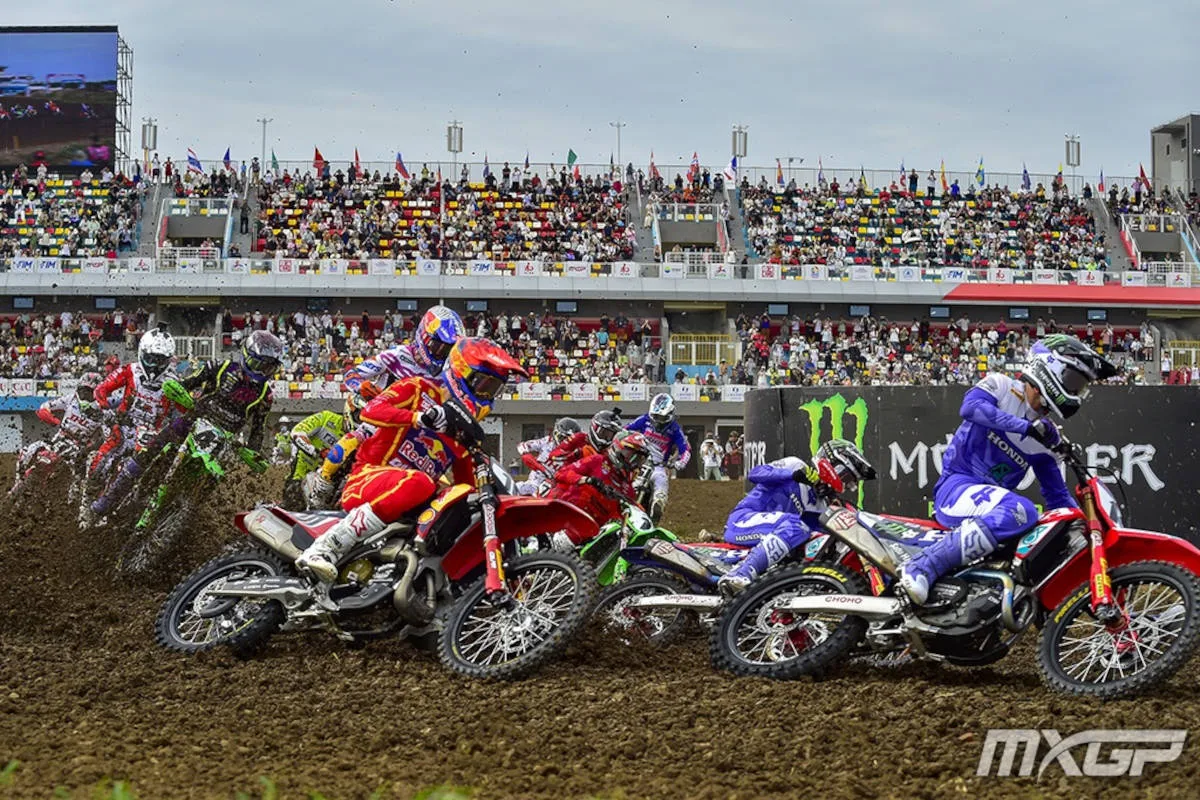
2026 MXGP of China: Herlings Unbeatable, McLellan Delays the MX2 Title
-
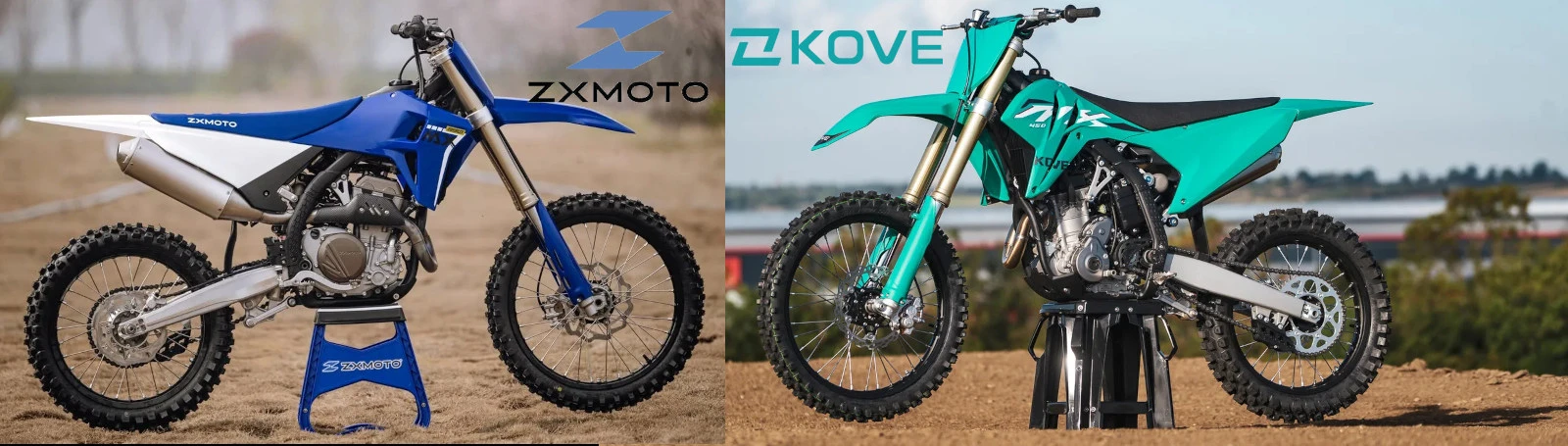
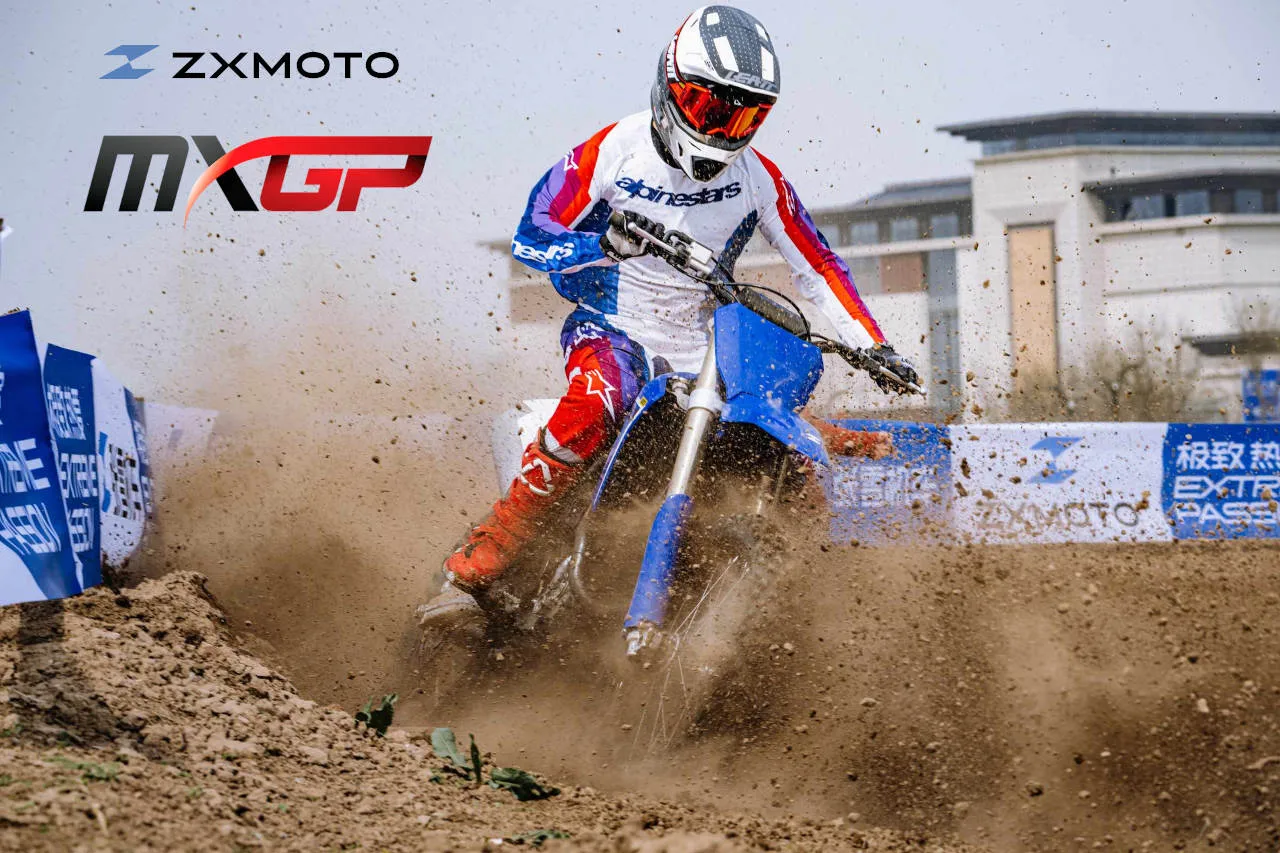
MXGP 2027: Kove and ZXMoto Join the Championship
-
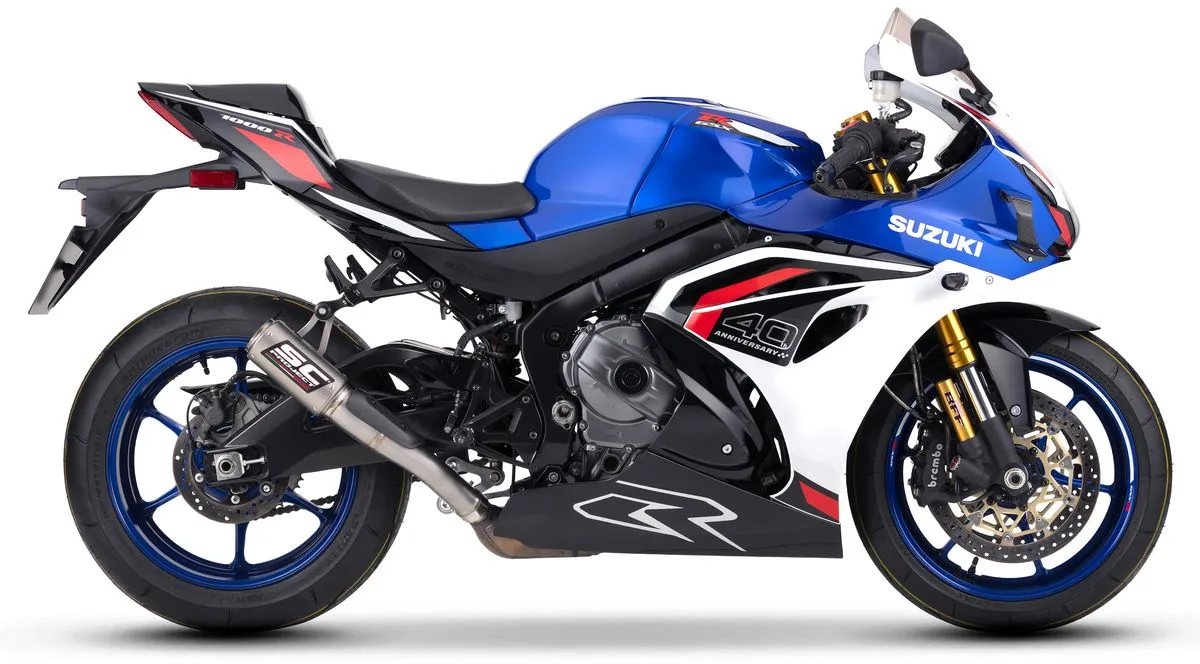
SC Project is working on the 2026 Suzuki GSX-R1000R.
-
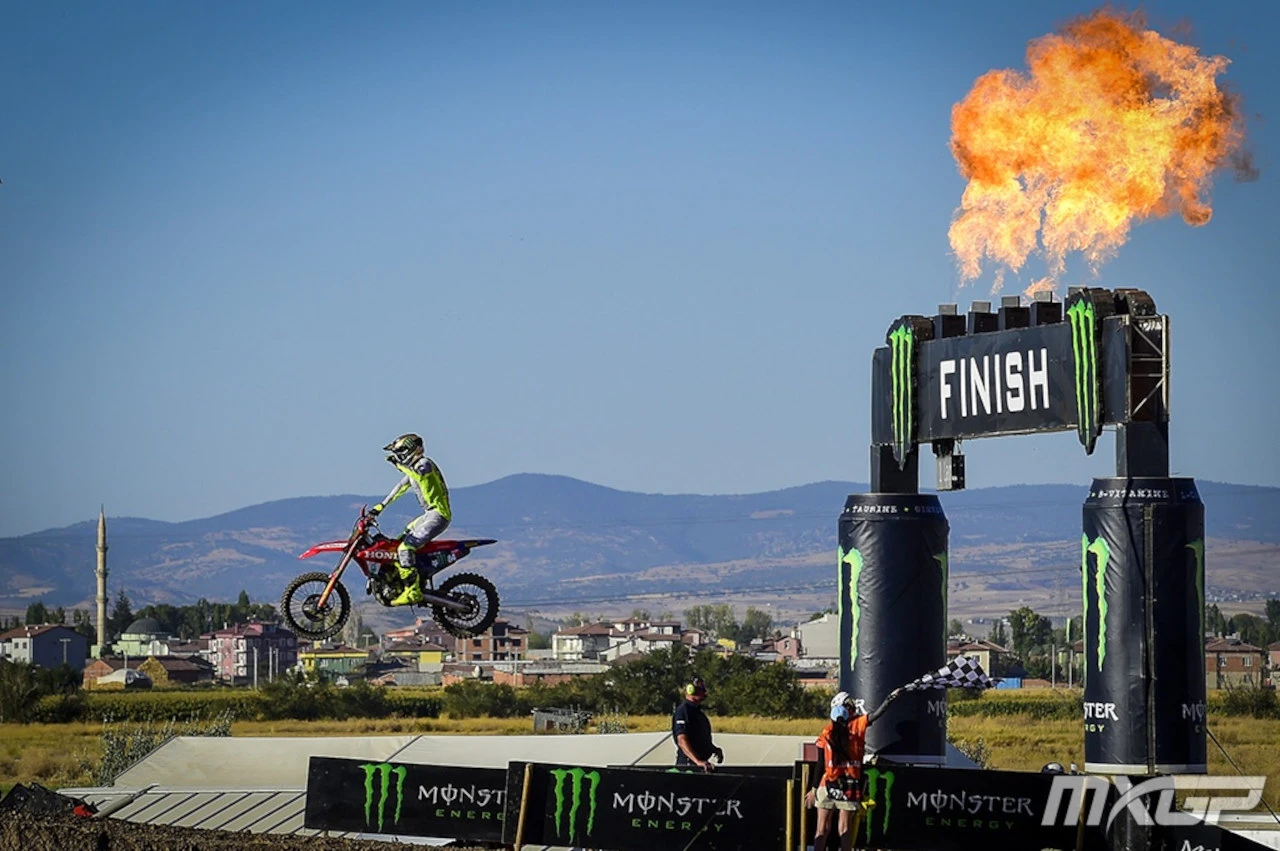
2026 MXGP of Turkey: Herlings Crowned World Champion!
-
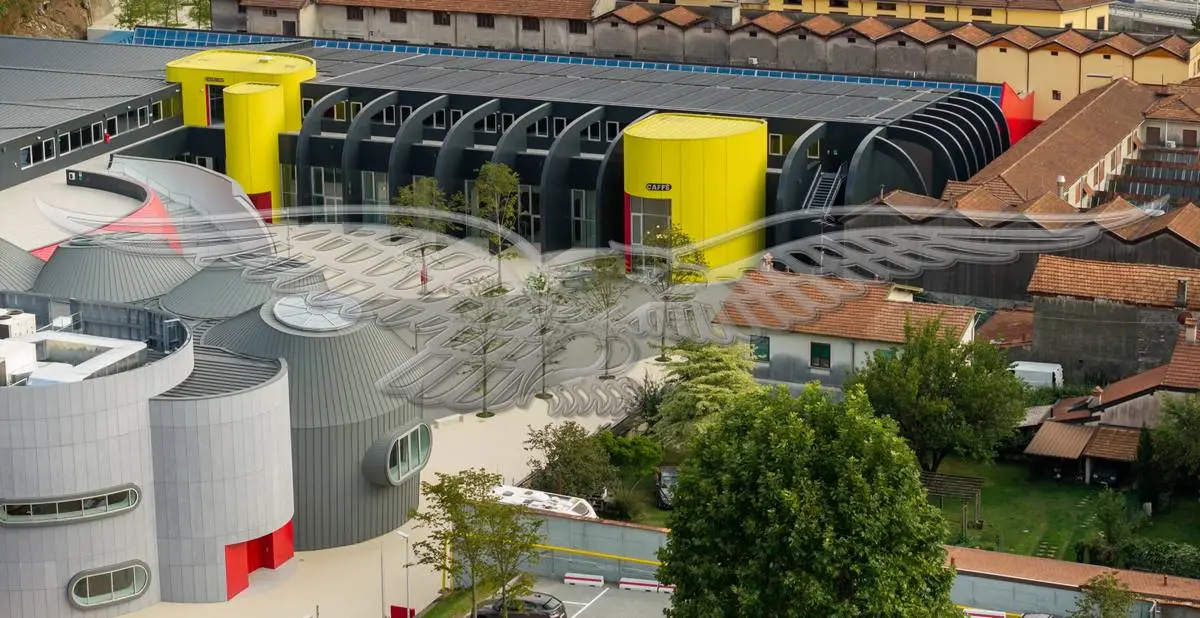
Moto Guzzi: In Mandello, the historic factory is taking on a new scale.
-
ZXMoto in MXGP 2027: The Hypothesis of an Off-Road Earthquake
-
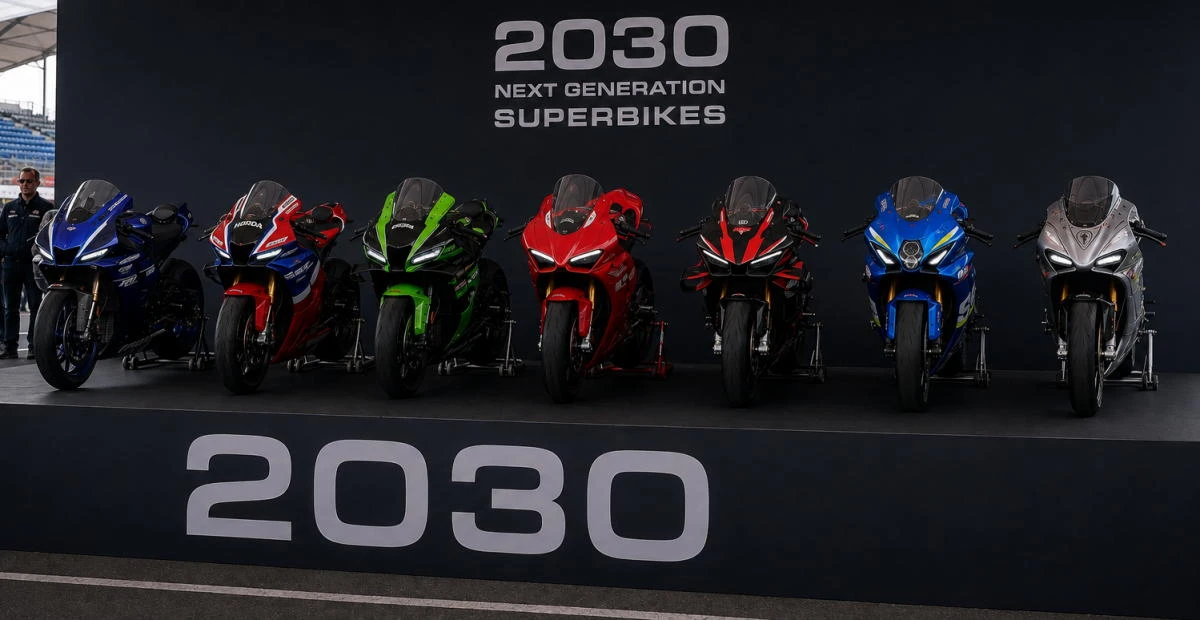
Superbike - Will 240 ch sport bikes soon be available at dealerships?
-
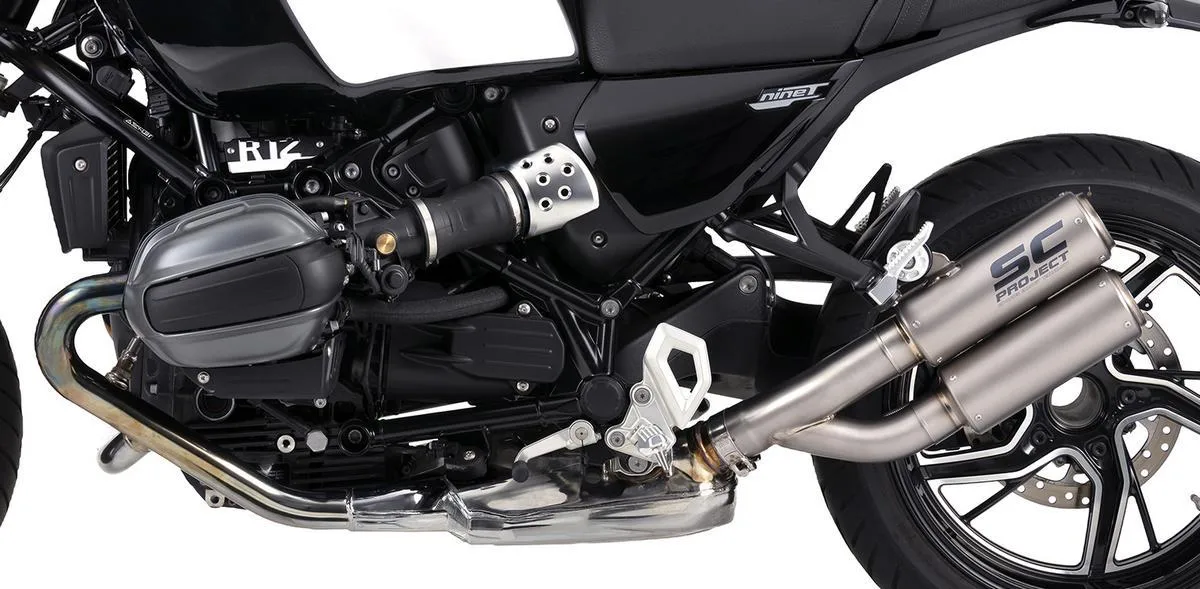
2 new SC-Project mufflers for the R 12 NineT and G/S.
-
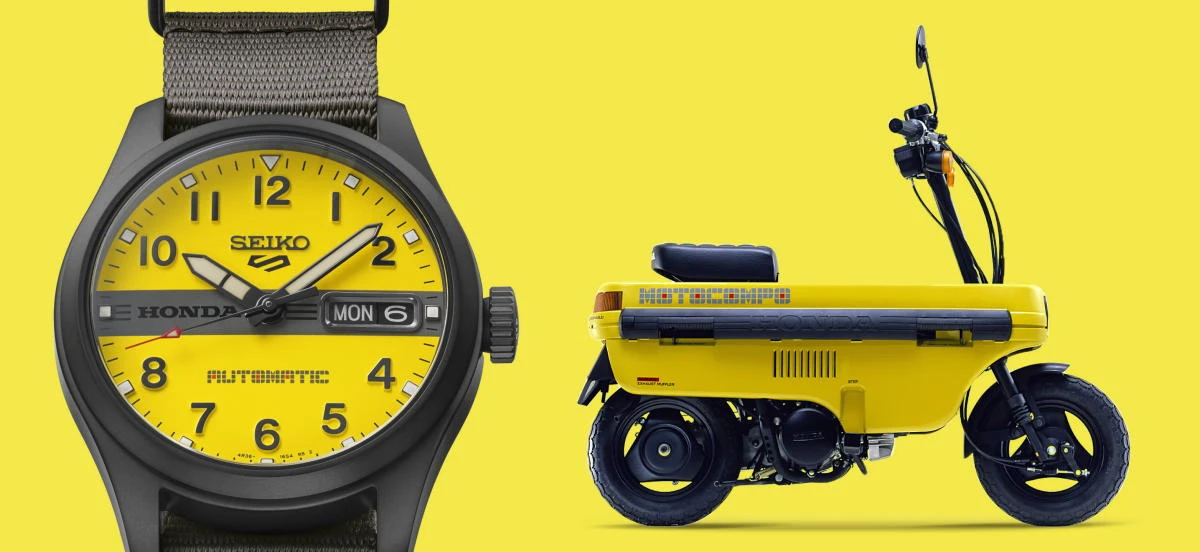
Seiko unveils a watch inspired by the Honda Motocompo.
-
The new motorcycle models of 2026 and the evolutions.

Bikers' reviews Leave a review