
Motorcycle specifications Bimota TESI 1D 851 1992 A sportswoman's thesis


presentation of the TESI 1D 851 1992
The idea was born in the minds of 2 students from Bologna. 10 years of research and development later, Bimota presents a sports bike that goes even further than the ELF. Like the ELF, its front end does without telescopic forks, except that the bike presented here is a road version. The ELF, on the other hand, has never left the racetrack. The Tesi 1D is therefore a small revolution in the world of sports bikes. Seen from afar, you'd have no idea of the technology it contains. Its design is very much in the Bimota tradition, with an imposing fairing that conceals almost everything. However, it doesn't take long to realize that the bike has not 1 but 2 swingarms. So, how does it work?
Well, hang on, this isn't going to be easy. The half-handlebars are connected to 2 conventional tees, giving a position similar to that of a conventional motorcycle. Now it gets complicated: the tees act on a set of linkages, which rotate a short steering column fixed to the left of the machine. This allows the steering angle to be varied. The underside of the column operates another linkage that turns the wheel via an axle and two tapered bearings fixed in the steering hub. Complicated? Just think... the technical file is close to incomprehensible. But it works.
The rest of the chassis is made up of 2 alloy plates where the swingarms are fixed, and a tubular trellis for the upper part (where the seat, fuel tank, cladding, etc. are fixed). The structure uses the engine as a stiffener. What's this motor anyway?
Well, you can use 2 of them. The Tesi is built with 2 versions of the liquid twin of the Ducati 851. One is the standard 851 cm3 version, which has been upgraded with a set of dual injectors, a new exhaust and different electronics. The other version, extensively revised by Bimota, is distinguished by its displacement, which has been increased to 904 cm3 by increasing the stroke and bore. These twins develop 103 and 113 hp respectively. The 904 delivers more torque and power at lower revs than the 851.
Once on board, the rider is installed as on any sports car. There's no disorientation here, except that you can't see the forks and the instrument panel is completely electronic. Engine rpm, speed, various gauges, everything is displayed digitally (N.R.: A speedometer unit reminiscent of that on the Honda VTR SP-1, less sophisticated but still 10 years ahead of its time). The Ducat twin expresses itself violently through Bimota exhausts. All good stuff! The Tesi's handling is close to that of a conventional sports bike (the numerous feeling problems encountered on the proto seem to have been resolved), but the Italian is extraordinarily sensitive to settings. 2 notches too many or too few and the machine obeys you askew. A crucial factor. You might as well heed the factory's advice and prepare your shock absorbers with the utmost care. Once set up, the 1D's stability and handling in corners are remarkable. The front end's greatest asset is its fantastic braking potential. The Brembo system is already highly effective, and is further optimized by the very special configuration of the front end. You can grab the brakes much later and slam into them like crazy. As a result, the bike is able to take on very muscular corner entries, and it's still possible to keep the brakes on in the bend without everything going haywire.
Once out of the virolo, it's time to get the watts talking. Up to mid-rpm, there's no real difference between the 2 distillers. Once past that point, the 906 takes the lead, logically demonstrating greater efficiency and more potency. This surplus of vitamins will also be trickier to manage than on the 851. This will enable future buyers to choose between a sporty and a very sporty version.
There's a new sportbike every year (or almost every year). But a new type of chassis for a motorcycle is much rarer. Once again, the Rimini factory proves its know-how and willingness to innovate, even if this means a machine requiring a mortgage, increased technical maintenance and the need to be very careful with settings.
by Greg

Greg is the founder of Motoplanete—a website created in 2001 to share his passion with his friends and showcase as many motorcycle models as possible to his readers. Self-taught and a jack-of-all-trades, his discovery of the world of motorcycles led him to work as a photographer, rider, team manager, web developer, graphic designer, editorial assistant, and editor-in-chief.
 Share
Share
Key facts Bimota TESI 1D 851 (1992) : What you need to know before you buy
 France
Specifications Bimota TESI 1D 851 1992
- Chassis
- Frame : omega type in aluminum
- Fuel capacity : 20 liters (5.28 US gallons)
- Seat height : 785 mm (30.91 in)
- Length : 2,265 mm (89.17 in)
- Width : 770 mm (30.31 in)
- Min height : 1,120 mm (44.09 in)
- Dry weight : 188 kg (414 lb)
- Front axle
- swingarm, steering hub, shock absorber
- Braking 2 discs Ø 320 mm (12.6 in), 4-piston caliper
- Front tire : 120 / 70 - 17 → Order this type of tire
- Transmission
- 6 stage gearbox
- Secondary by chain
- Rear axle
- Mono-damper
- Braking 1 disc Ø 220 mm (8.66 in), 2-piston caliper
- Rear tire : 170 / 60 - 17 → Order this type of tire
- Motor
- two-cylinder 90° L-shape , 4 strokes
- Dual injectors
- Cooling system : liquid
- double ACT desmodromic
- 4 valves per cylinder
- 851 cc
- 103 ch (101.60 hp) to 9,500 rpm
- 8 mkg to 8,500 rpm
- Power-to-Weight Ratio : 1.85 kg/ch
- Torque-to-Weight Ratio : 23.5 kg/mkg
- Practical information
Essentials
 Motoblouz
 LaBécanerie


Gallery


Models
1992
Used
Compare the TESI 1D 851 to its competitors
FAQ Your frequently asked questions about the TESI 1D 851 1992
- What is the power of the TESI 1D 851?
-
The TESI 1D 851 1992 develops a power of 103 ch (101.60 hp)
- What is the torque of the TESI 1D 851?
-
The maximum torque of the TESI 1D 851 1992 is 8 mkg to 8,500 rpm.
- What is the maximum speed of the TESI 1D 851?
-
The TESI 1D 851 1992 is capable of reaching a top speed of 255 km/h (158.40 mph) on the track.
- What is the weight of the TESI 1D 851?
-
The TESI 1D 851 1992 has a a dry weight of 188 kg (414 lb).
- QWhat is the seat height of the TESI 1D 851?
-
To ensure good accessibility, the TESI 1D 851 1992 offers a minimum seat height of 785 mm (30.91 in).
- What is the price of the TESI 1D 851?
-
The price of the TESI 1D 851 1992 is 38,100€ in France
- What size tires should I put on my TESI 1D 851?
-
The standard size for a TESI 1D 851 1992 is 120 / 70 - 17 for the front, and 170 / 60 - 17 for the rear.
News
-
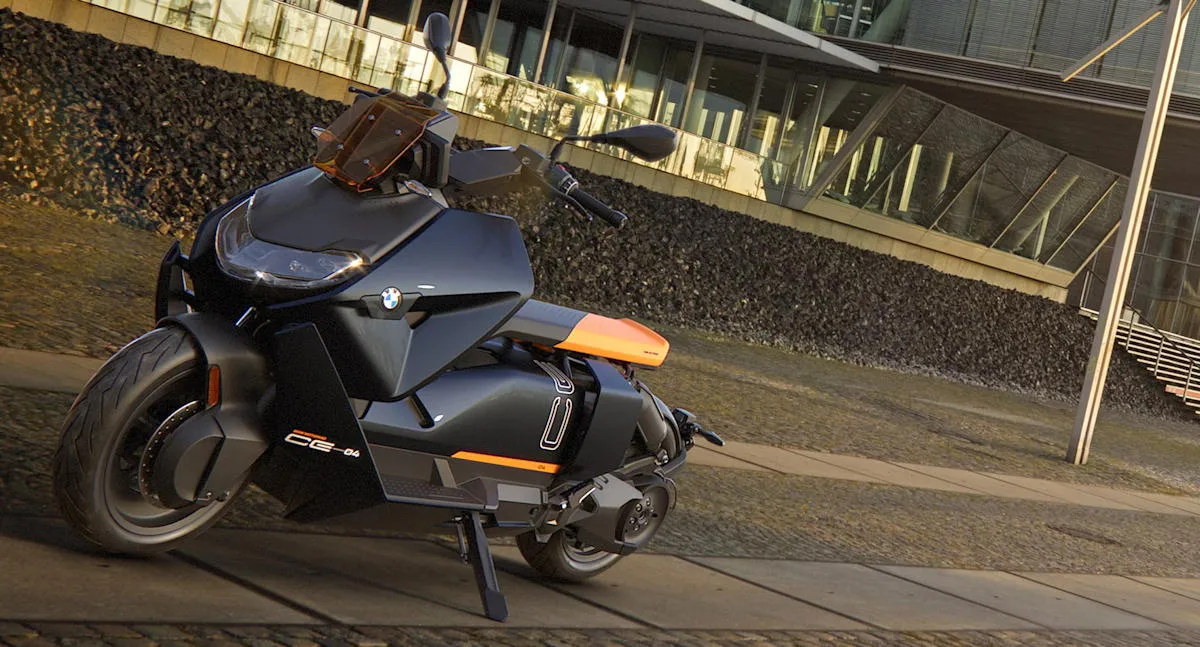
Top 10 Best Scooters of 2026: Our Complete Ranking.
-
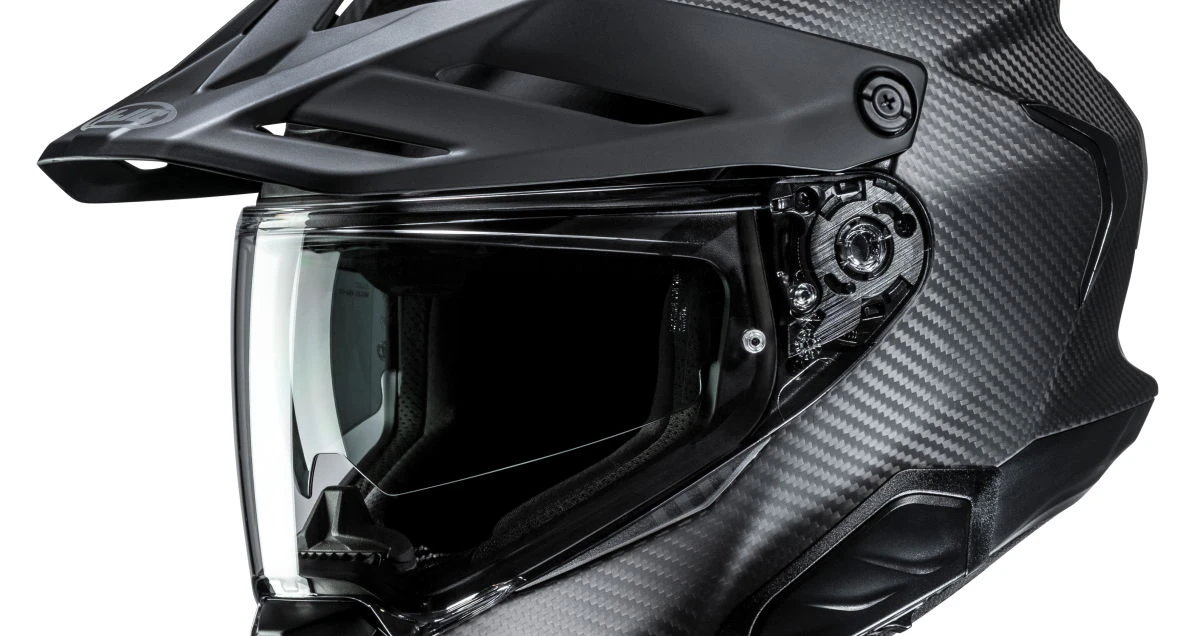
HJC is gearing up for a big year in 2027, with eight new helmets.
-
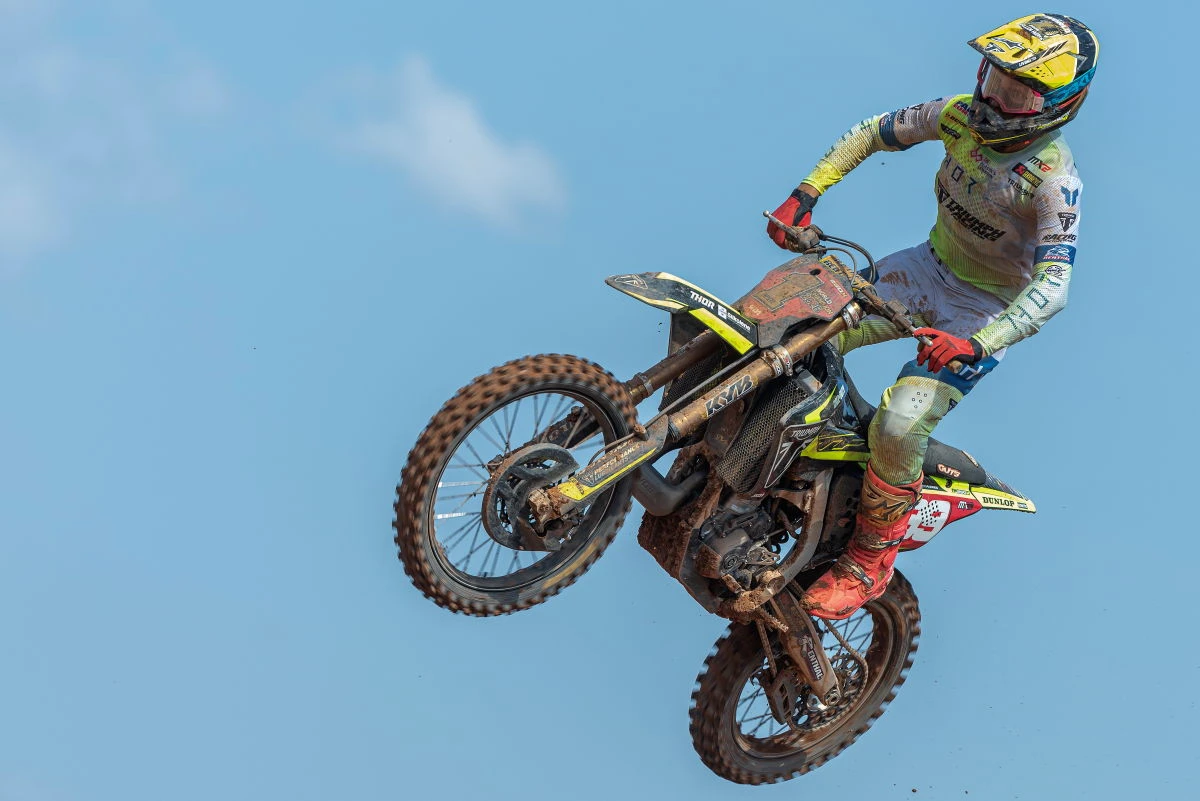
Triumph succeeded BSA in the Motocross World Championship.
-
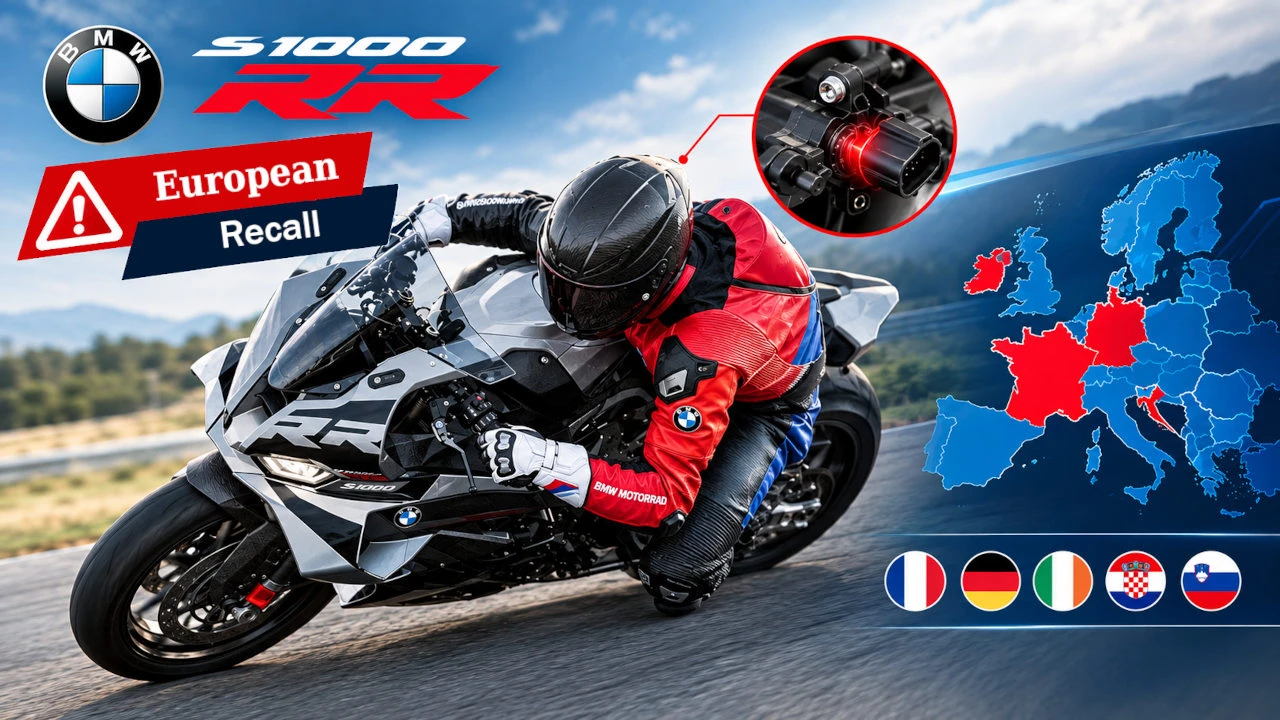
BMW S1000RR Recall Alert: Risk of Engine Shutdown
-
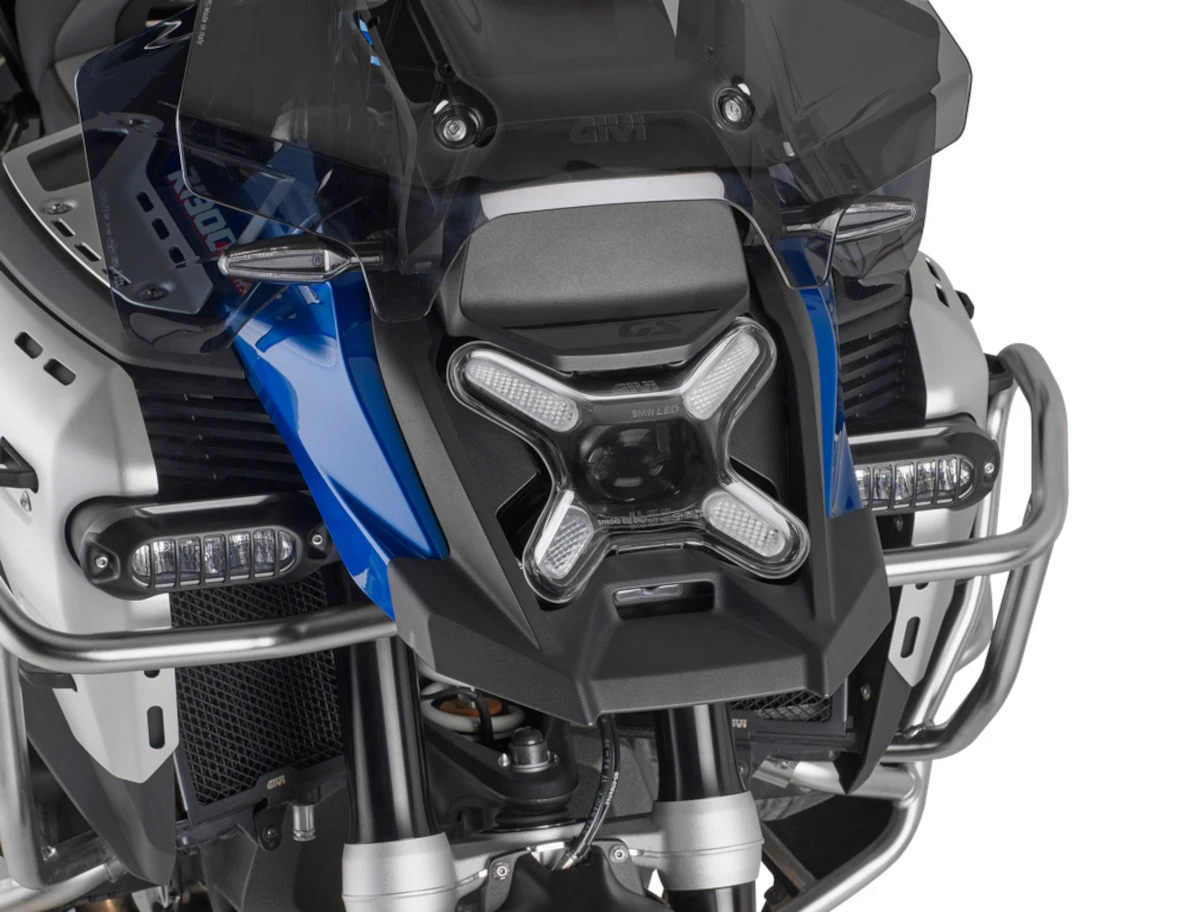
GIVI HLP Headlight Protector: Ténéré 700 and R1300GS
-
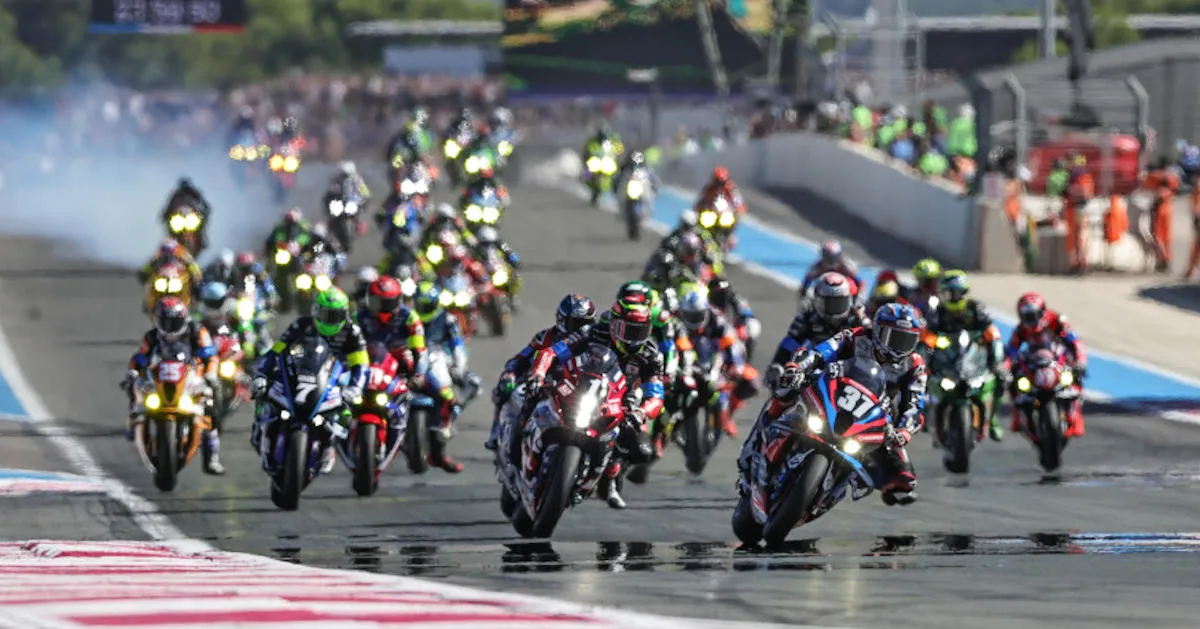
Victory and the championship title for BMW at the 2026 Bol d'Or.

-
The 89th Bol d'Or: A Celebration of Racing Passion.
-
2026 MXGP of China: Herlings Unbeatable, McLellan Delays the MX2 Title
-
MXGP 2027: Kove and ZXMoto Join the Championship
-
The new motorcycle models of 2026 and the evolutions.

Bikers' reviews Leave a review