
Motorcycle specifications Honda PC 800 Pacific Coast 1990 Motomobile


presentation of the PC 800 Pacific Coast 1990
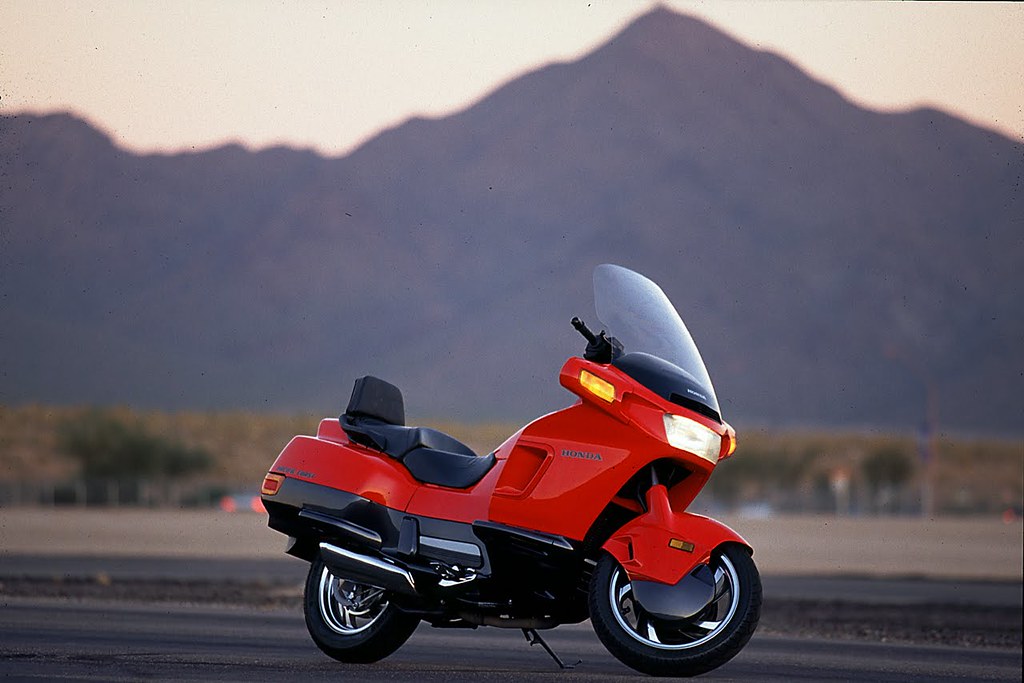
In 1989, Honda, still working on its "motomobile" concept initiated by the Spazio 250, brought out a surprising model: the Honda Pacific Coast 800.
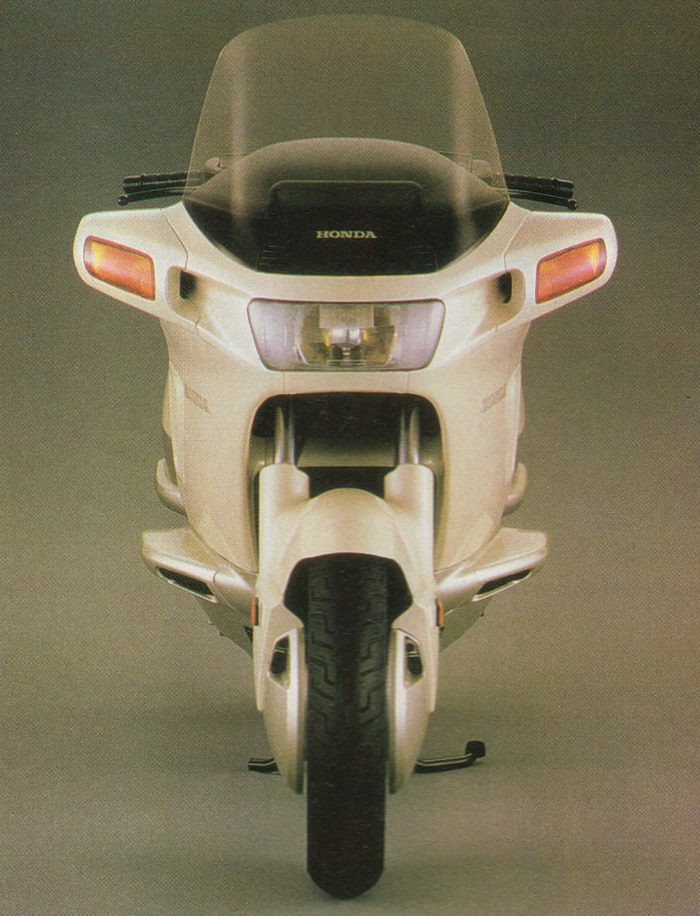
In developing this concept, Honda sought to combine the advantages of a car with the pleasure of a motorcycle. For example, the "PC800" is fully enclosed to prevent the rider from getting dirty (from contact with greasy parts, for example) and to provide maximum protection from the elements.
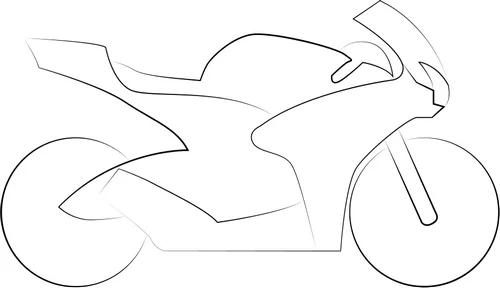
The bike focuses on practicality (trunk, low seat, wraparound fairing, etc.) and is designed for maximum smoothness and flexibility.
Technically, the Pacific Coast was developed on the basis of the 650 NTV (later also used for the Honda Deauville). The engine, a 6-valve V-twin, is rated at 800cc. Power output remains modest, but the engine is designed to deliver maximum torque from the lowest revs.
In use, the new motomobile is imperial. Power is sufficient, braking is efficient and the chassis is stable. Steering is neutral, making the bike easy to handle even at low speeds.
The trunk is an undeniable asset. Relatively spacious, it locks and blends in perfectly with the bike's overall lines, without being as wide as a tourer equipped with a pair of suitcases.
The picture might have seemed idyllic if the Pacific Coast hadn't had two faults which, in the eyes of French motorcyclists, are almost prohibitive: this Honda is a motorcycle of reason rather than passion. Its smooth running makes it look like a sanitized motorcycle. What's more, the machine's aesthetics have never really won unanimous approval. Some even described it as having a "tupperware" design.
Honda stopped selling it in France in 1993, although it was produced and sold until 1998, notably in the USA, where it was much more successful.
Tanthallas - Manufacturer's photos
by Greg

Greg is the founder of Motoplanete—a website created in 2001 to share his passion with his friends and showcase as many motorcycle models as possible to his readers. Self-taught and a jack-of-all-trades, his discovery of the world of motorcycles led him to work as a photographer, rider, team manager, web developer, graphic designer, editorial assistant, and editor-in-chief.
 Share
Share
Key facts Honda PC 800 Pacific Coast (1990) : What you need to know before you buy
Highlights
- Protection
- Coffre
- Softness
Weak points
- Aesthetics
- Charisma
Prices
| Basic version | |
|---|---|
 France France |
8,250€
|


Performance
- Max speed : 183 km/h (113.70 mph)
- 0-100 km/h acceleration : 6 s
- Average fuel consumption : 6.10 liters/100km (0.39 mpg)
-
Estimated range
: 262 km (163 miles)
Calculated range until tank is empty, not verified.
Specifications Honda PC 800 Pacific Coast 1990
- Chassis
- Frame : Double steel cradle
- Fuel capacity : 16 liters (4.23 US gallons)
- Seat height : 765 mm (30.12 in)
- Length : 2,154 mm (84.80 in)
- Width : 780 mm (30.71 in)
- Wheelbase : 1,500 mm (59.06 in)
- Dry weight : 262 kg (578 lb)
- Weight when fully loaded : 278 kg (613 lb)
- Front axle
- Telescopic fork Ø 41 mm, Wheel travel : 145 mm (5.71 in)
- Braking 2 discs Ø 276 mm (10.87 in), 2-piston caliper
- Front tire : 120 / 80 - 17 → Order this type of tire
- Pressure : 2.25 bar
- Transmission
- 5 stage gearbox
- Secondary cardan shaft
- Rear axle
- 2 lateral shock absorbers, Wheel travel : 130 mm (5.12 in)
- drum brakes Ø 180 mm (7.09 in)
- Rear tire : 140 / 80 - 16 → Order this type of tire
- Pressure : 2.25 bar
- Motor
- two-cylinder 45° V-shaped , 4 strokes
- 2 Mikuni Ø 34 mm carburetors
- Cooling system : liquid
- 1 ACT per cylinder
- 3 valves per cylinder
- 800 cc
- 60 ch (59.20 hp) to 7,000 rpm
- 7.50 mkg to 5,000 rpm
- Power-to-Weight Ratio : 4.43 kg/ch
- Torque-to-Weight Ratio : 34.93 kg/mkg
- Compression : 9:1
- Practical information
Essentials
 Motoblouz
 LaBécanerie


Gallery




Used

Compare the PC 800 Pacific Coast to its competitors
Compared to its direct competitor, this PC 800 Pacific Coast offers an appealing positioning, managing to stand out in certain specific areas. It stands out with weight of 262 kg, while also delivering fuel consumption of 6.1 l/100km. Its torque-to-weight ratio of 34.93 kg/Nm limits its punch at low revs.
Acceleration
Fuel consumption
Range
Torque
Power
Power-to-Weight ratio
Torque-to-Weight ratio
Speed
FAQ Your frequently asked questions about the PC 800 Pacific Coast 1990
- What is the power of the PC 800 Pacific Coast?
-
The PC 800 Pacific Coast 1990 develops a power of 60 ch (59.20 hp)
- What is the torque of the PC 800 Pacific Coast?
-
The maximum torque of the PC 800 Pacific Coast 1990 is 7.50 mkg to 5,000 rpm.
- What is the maximum speed of the PC 800 Pacific Coast?
-
The PC 800 Pacific Coast 1990 is capable of reaching a top speed of 183 km/h (113.70 mph) on the track.
- What is the weight of the PC 800 Pacific Coast?
-
The PC 800 Pacific Coast 1990 has a a dry weight of 262 kg (578 lb), a weight when fully loaded of 278 kg (613 lb).
- What is the fuel consumption of the PC 800 Pacific Coast?
-
Average fuel consumption is estimated at 6.10 l/100km (0.39 mpg) according to the WMTC cycle.
- QWhat is the seat height of the PC 800 Pacific Coast?
-
To ensure good accessibility, the PC 800 Pacific Coast 1990 offers a minimum seat height of 765 mm (30.12 in).
- What is the price of the PC 800 Pacific Coast?
-
The price of the PC 800 Pacific Coast 1990 is 8,250€ in France
- What size tires should I put on my PC 800 Pacific Coast?
-
The standard size for a PC 800 Pacific Coast 1990 is 120 / 80 - 17 for the front, and 140 / 80 - 16 for the rear.
News
-
GIVI HLP Headlight Protector: Ténéré 700 and R1300GS
-
Victory and the championship title for BMW at the 2026 Bol d'Or.
-
The 89th Bol d'Or: A Celebration of Racing Passion.
-
2026 MXGP of China: Herlings Unbeatable, McLellan Delays the MX2 Title
-
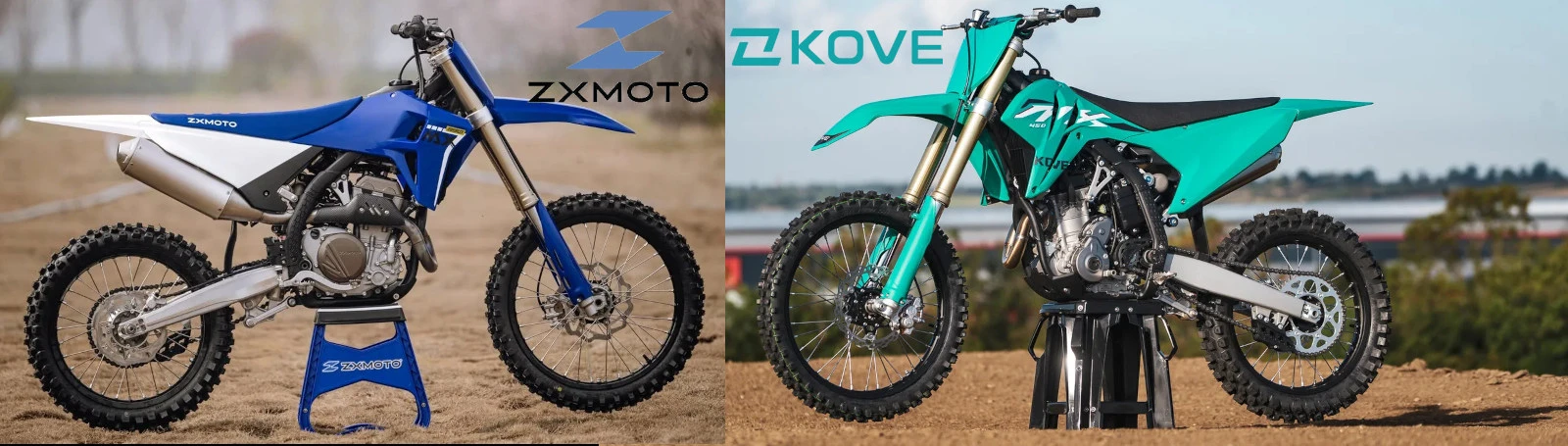
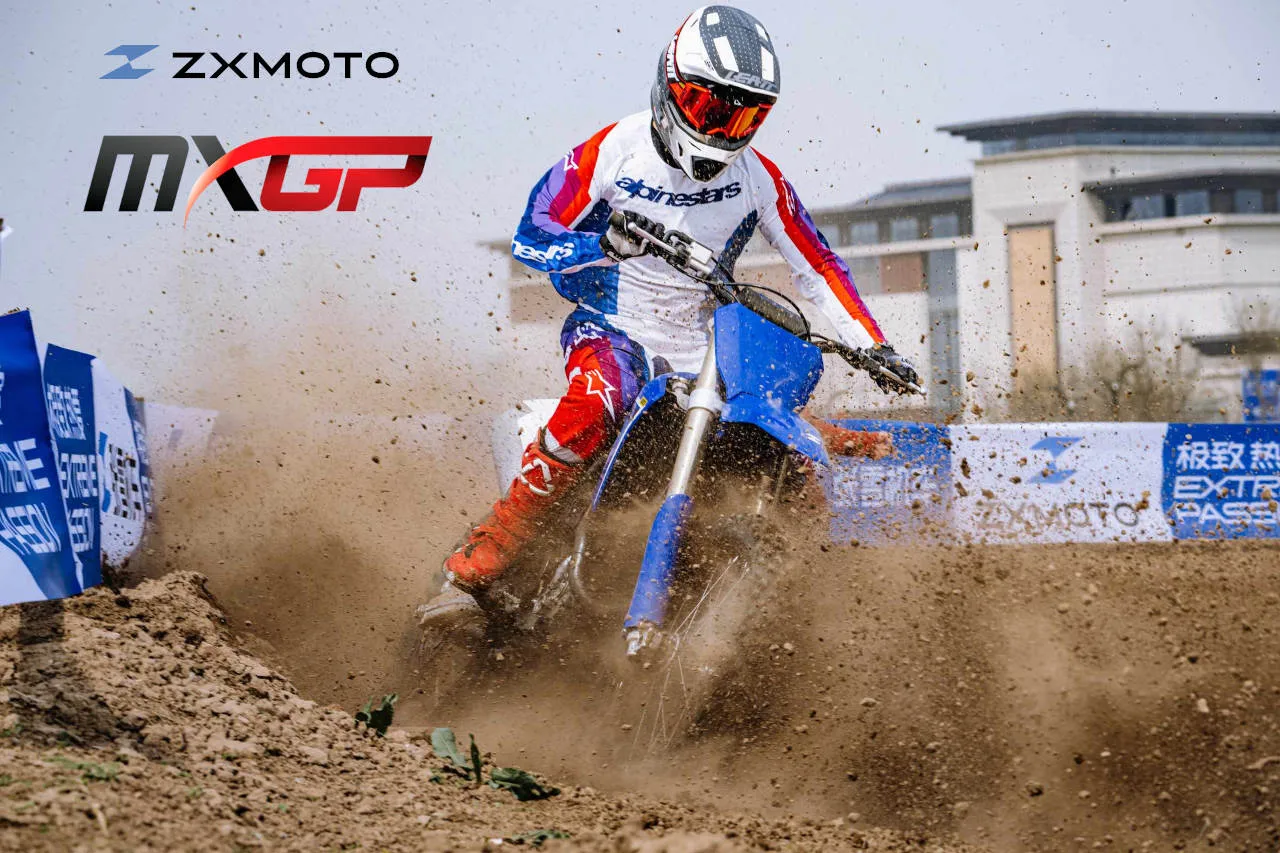
MXGP 2027: Kove and ZXMoto Join the Championship
-
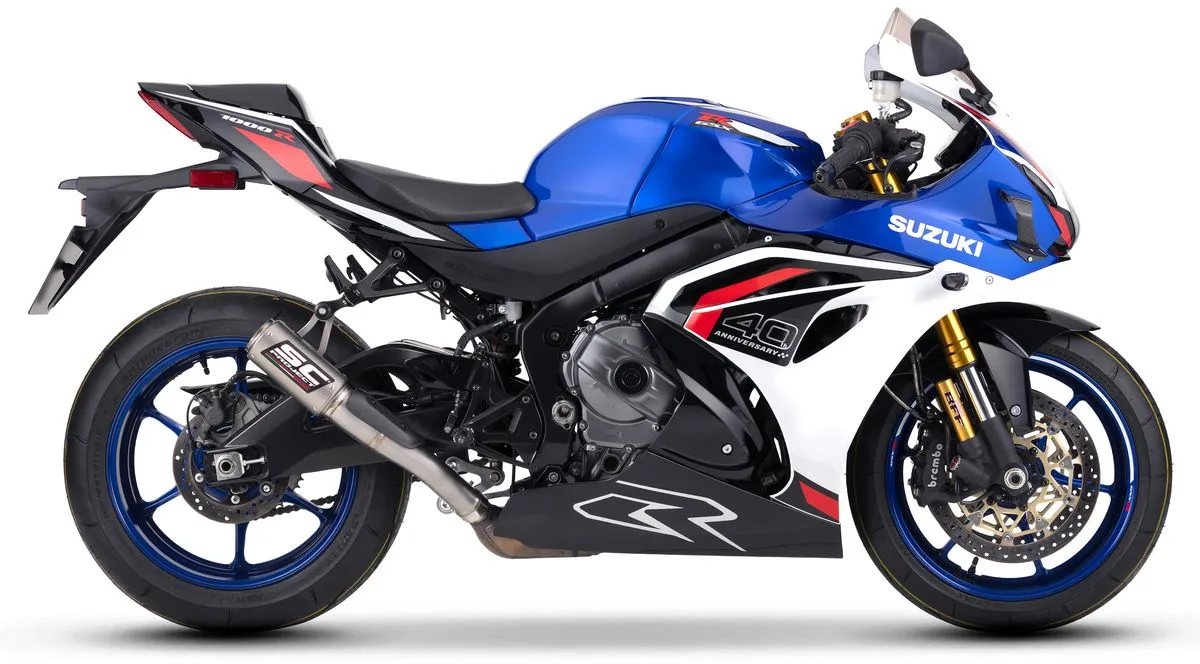
SC Project is working on the 2026 Suzuki GSX-R1000R.
-
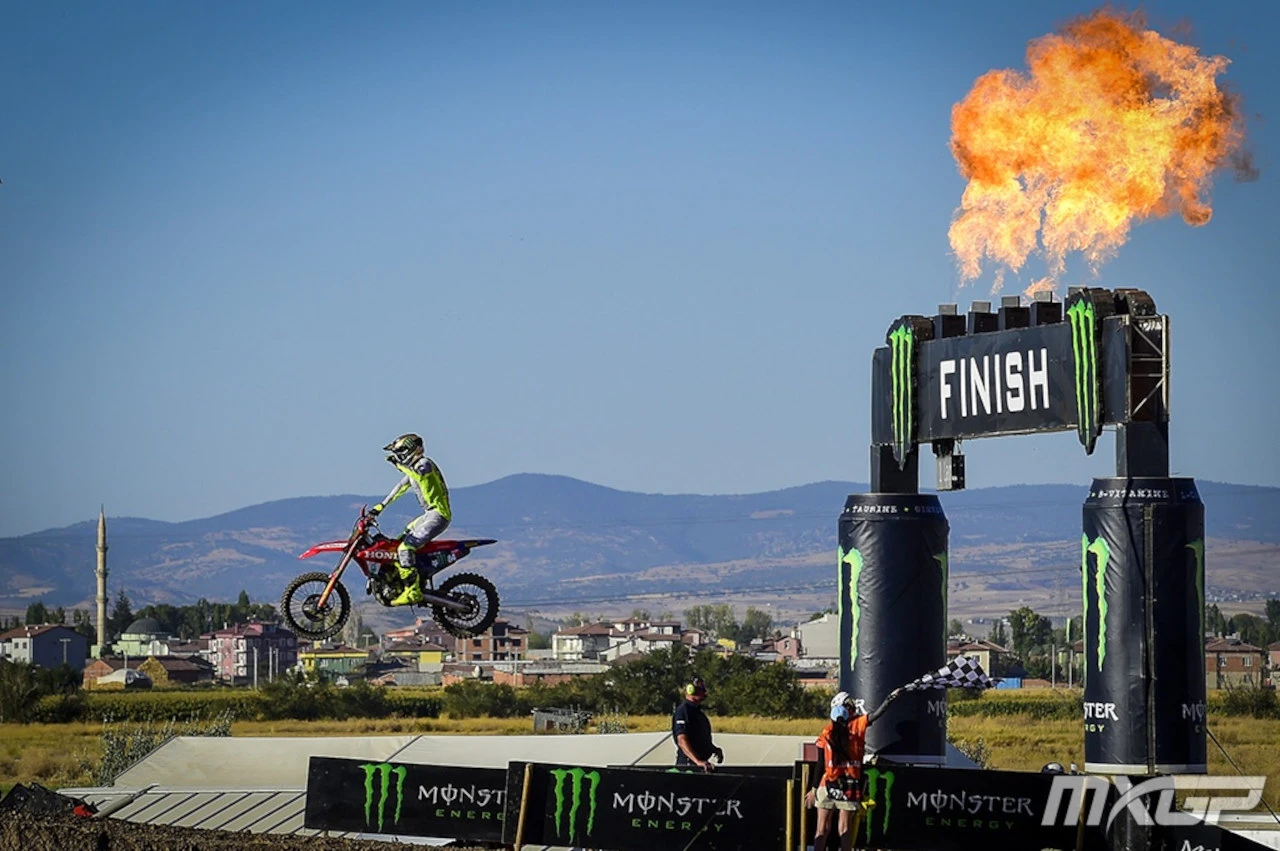
2026 MXGP of Turkey: Herlings Crowned World Champion!
-
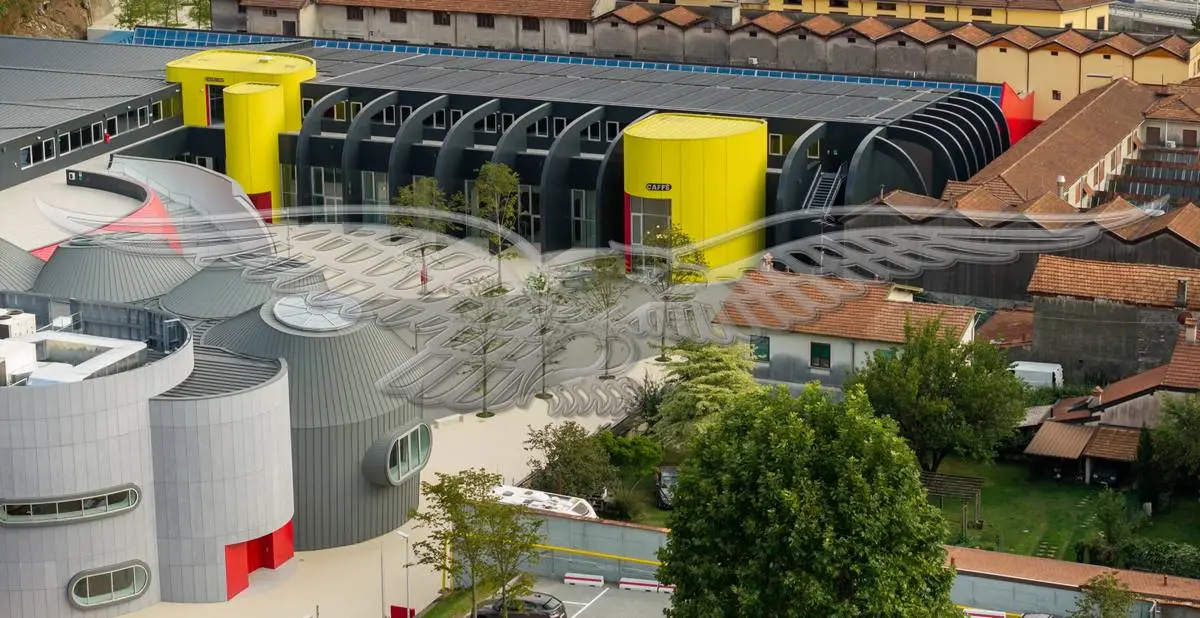
Moto Guzzi: In Mandello, the historic factory is taking on a new scale.
-
ZXMoto in MXGP 2027: The Hypothesis of an Off-Road Earthquake
-
The new motorcycle models of 2026 and the evolutions.

Bikers' reviews Leave a review - 15 reviews
Positive points : Look , Engine , Trunk ,comfort , rarity
Negative points : Heavy to park , braking , forcing the disassembly of the body for each service
Very nice to ride Rating : 4/5 Respond to lor
A few minor faults (range etc) including a choke that is difficult to pull.
Do you have any suggestions?
Thank you Rating : 4/5 Respond to Pierre
Please, what is the fuel for a pc; is it unleaded, or do you have to add an additive every time you fill up.
merci pr votre réponse. Rating : 5/5 Respond to jp61
\SP95 - Unleaded petrol
from 1974 onwards, all Honda models are designed to run on unleaded fuel with a research octane rating of over 91. The recommended fuel type is SP95 or SP98. Rating : 5/5 Participate in the conversation
OK, so the rear end is no longer current, and neither are the front disc covers, but add a Deauville front mudguard and a little chrome trim to highlight the rear light block, and you've got yourself a new look, just like a classic motorcycle.
Engine: pure pleasure, hydraulic valve tappets, smooth engine from 1800 rpm, very decent acceleration (note that this is not a fighter jet).
Comfort: wide, comfortable saddle (for rider and passenger alike), good protection at high speeds (130/140), large trunk for two helmets, or a medium-sized soft travel bag, a comforter and a few trinkets.
WARNING: like all machines, it needs a bit of serious maintenance, by a conscientious mechanic or a meticulous private individual (obligatory to have the workshop manual available on the Net). The fairing plastics are made of ABS, which is fragile in cold weather. The mechanics are very reliable, and the engine can reach 160,000 kilometers.
Some don't like it, but those who have tasted it will never tire of it, and even when they've made the mistake of leaving it, will always regret it! Rating : 5/5 Respond to Jean-Louis
Then I fell under the spell of the PC 800, (clean, comfortable, solo or duo, easy to handle, low fuel consumption, never a worry) and it gives me a lot of pleasure. When I go out with friends, all of whom have 1100, 1200, 1300 cm3 bikes, I feel very comfortable, with no complexes.
Now that I'm approaching 75, I'll have to come to terms with the fact that, on the road, it's no problem at all, it rolls along on its own, but when I stop, it's a little more complicated. I'll be very sorry to part with it. Rating : 5/5 Respond to antoine
I'm replying to you because we must be the same age and it shows how easy it is to drive, despite its weight.
I used to have a Deauville but it was lighter and I had to part with it - it was less manoeuvrable at standstill.
It's not very complicated to maneuver and stand up, as long as you get on it for maneuvering. I don't know how tall you are, I'm 1.78 m, but when I'm sitting on it, my feet are flat on the ground.
A little tip: to gain a little height, I've added 1.5 cm to my boots.
To put it on the center stand, I first put the side stand on before getting off. After balancing it, just put all your weight on the center stand and pull the handle with your right hand. Ça stands up effortlessly.
To uncrutch, I climb on, push forward and brake.
I'm sure I'm not teaching you anything, but it seems to be the best method.
Congratulations on the success of this machine. Rating : 4/5 Participate in the conversation
And in confidence, I've never liked the Deauville.
Hats off Rating : 5/5 Respond to moienpersonne
It's night and day! Although lighter and reputedly easier to handle (the Deauville), the PC is easier to drive, maneuvering at a standstill is easier and so is backing up.
Not to mention its look, which I think is perfect!
Another comparison with the Deauville: I do the routine maintenance myself, which is extremely quick and easy. Removing the fairings is child's play. Just one screw on each side to access the engine. Everything's cut to size, and no matter what anyone says, the plastics are tough. On the Deauville, there are several screws of different sizes and lengths (not to be mixed up). Rating : 4/5 Participate in the conversation