
Motorcycle specifications Honda CX 650 Turbo 1984 La Honda CX 650 Turbo
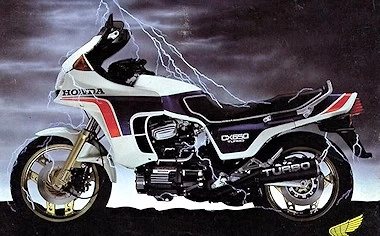

presentation of the CX 650 Turbo 1984
In 1981, Honda was the first to unleash its turbocharged missile (CX 500 TC). yamaha, which was still developing its 4-cylinder XJ 650 equipped with its precious turbine (marketed in 1982).
this equipment, very much in vogue in the automotive sector, had to gain a foothold with motorcycle manufacturers. The Japanese Honda Yamaha Kawasaki and Suzuki brought out their models. Honda went so far as to produce 2 turbocharged models based on the placid CX, in 500cc and 650cc versions.
the CX 650 TC Turbo came out in 1983. It corrected the major problem of its predecessor: its underpowered performance compared with the competition. Indeed, while the CX 500 Turbo was not ridiculous (82 hp), the Suzuki XN85D was 3 hp more powerful, the Yamaha XJ 650 T added 8 hp and the Kawa outclassed everyone with 112 hp, the Honda's main weakness was its smaller displacement.
The CX 500 turbo is also very tricky to ride. The engine, drowsy at low revs, becomes extremely brutal as soon as the turbo kicks in. This character, already a nuisance on the road, is amplified by the chassis, which is not designed for such a spirited ride. And while performance is breathtaking, the bike is soon considered dangerous.
with its 650 cc, Honda offers 100 horsepower and buries its comrades of the same displacement (Suzuki and Yamaha), at least on paper.
a day-to-day user testifies:
"I've owned the CX650Turbo for several years, and had chosen this model after trying out the two turbocharged CXs, the 500 and 650. The 650 Turbo, an evolution of the 500 Turbo, is in truth an engine truly adapted to road use: power is always progressive and controllable, whatever the rpm (the turbo starts to push from 3500-4000 rpm, resulting in interesting acceleration - for example, in 5th gear, between 90 and 105 km/h). In the naturally-aspirated phase (up to around 4,000 rpm), it pushes hard but does no better than a 650 CXE with 2 carburetors and 64 hp (of which I also own one).
The chassis is actually very stable and comfortable (depending on settings and tires), and allows you to reach top speed (220 km/h - I tried 190 km/h on the speedometer) in excellent conditions, making the CX650CT an excellent GT-Sport (better roadholding in the CX range than a CX650E or CX650GL Silverwing, because forks, calipers and shock absorbers are different).
It's also a bike that weighs quite a bit (though lighter than the CX500Turbo).
The CX500Turbo's brutality and dangerousness were attributed to the testers... at the time. Today, the performance and character of CXTurbos make us smile, because there are far more powerful motorcycles out there...
The heavier CX500Turbo has a turbo boost from 5000 rpm, and the extra power (off/on like an RDLC without YPVS), is then impressive... compared to a certain sluggishness below 5000 rpm (the observation of underpowered is justified). All this makes the CX500T more sporty."
the adventure came to an end in 1986 when Honda stopped marketing the 2 models, after a modest production run of around 1,800 units for the 650 cc (of which a good 1,000 were sold in the USA). The other turbocharged Japanese models fared little better, commercially speaking.
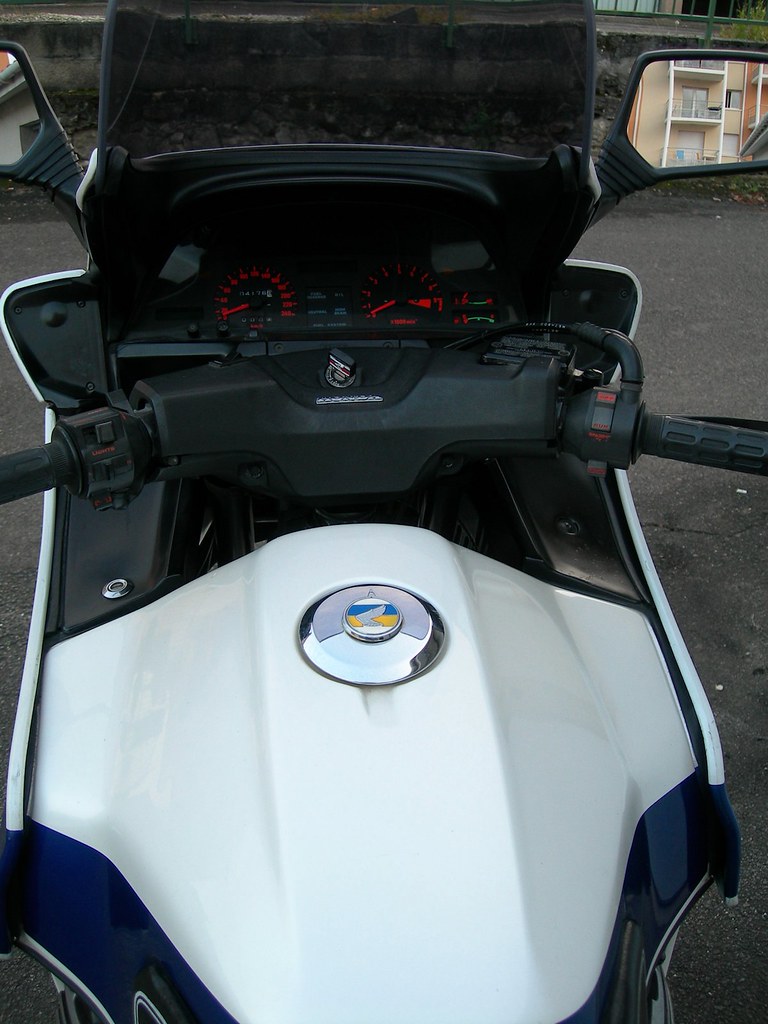
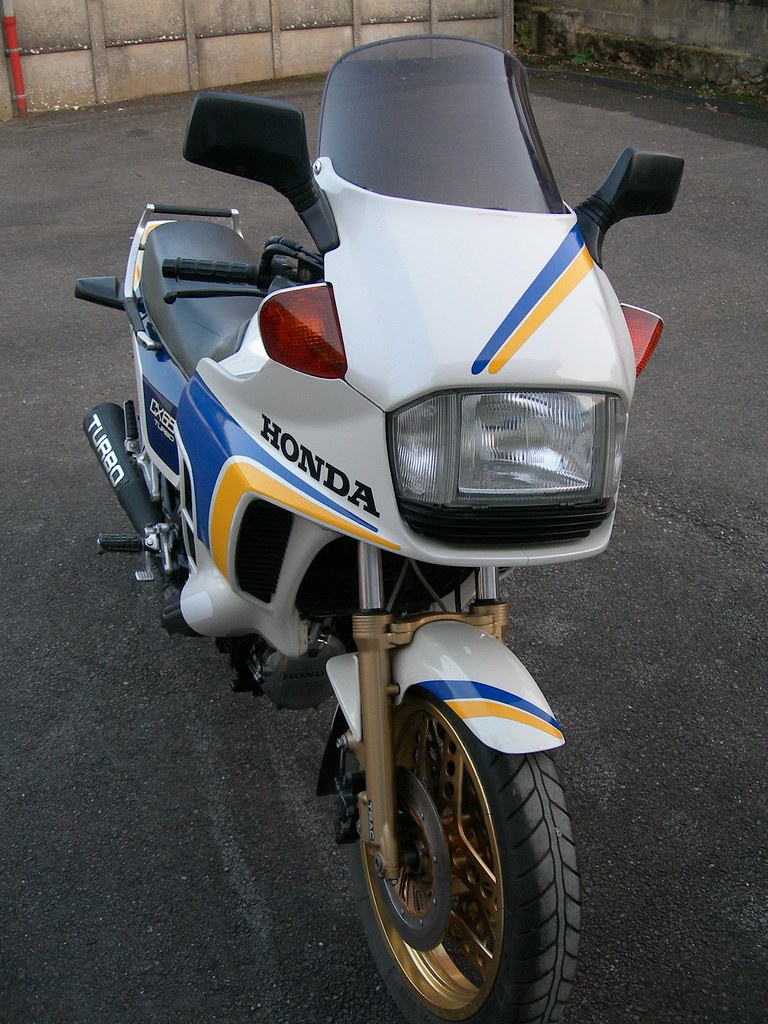
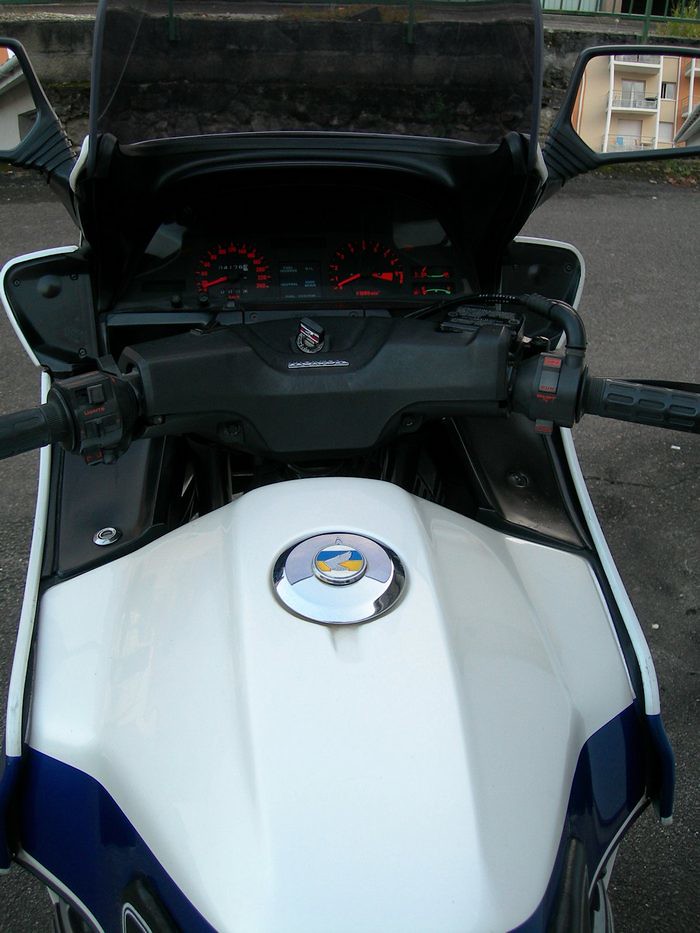
Thanks to ST for the photos of its ex-CX650T
News credit: Tanthallas - ST user review
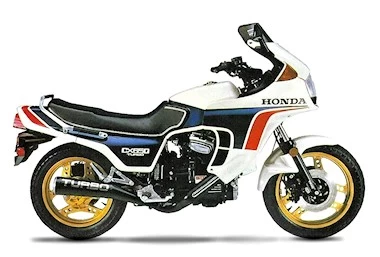
Photo credit D.R. - In photo, US model
 Share
Share
Key facts Honda CX 650 Turbo (1984) : What you need to know before you buy
Highlights
- Comfort
- La progressivité
- Performance (for the time)
Weak points
- High-lying weight
Prices
| Basic version | |
|---|---|
 France France |
6,662€
|
Performance
- Max speed : 215 km/h (133.60 mph)
Specifications Honda CX 650 Turbo 1984
- Chassis
- Frame : Tubular steel frame
- Fuel capacity : 20 liters (5.28 US gallons)
- Seat height : 795 mm (31.30 in)
- Length : 2,220 mm (87.40 in)
- Width : 775 mm (30.51 in)
- Wheelbase : 1,495 mm (58.86 in)
- Dry weight : 235 kg (518 lb)
- Weight when fully loaded : 260 kg (573 lb)
- Front axle
- Telehydraulic fork Ø 37 mm, Wheel travel : 130 mm (5.12 in)
- Braking 2 discs Ø 276 mm (10.87 in), single-piston caliper
- Front tire : 100 / 90 - 18 → Order this type of tire
- Transmission
- 5 stage gearbox
- Secondary cardan shaft
- Rear axle
- Monoshock, Wheel travel : 105 mm (4.13 in)
- Braking 1 disc Ø 276 mm (10.87 in), single-piston caliper
- Rear tire : 120 / 90 - 17 → Order this type of tire
- Motor
- two-cylinder 80° transverse V , 4 strokes
- Injection
- Cooling system : liquid
- 1 ACT
- 4 valves per cylinder
- 673.50 cc
- 100 ch (98.60 hp) to 8,000 rpm
- 10.50 mkg to 4,500 rpm
- Power-to-Weight Ratio : 2.38 kg/ch
- Torque-to-Weight Ratio : 22.38 kg/mkg
- Compression : 7.8 : 1
- Practical information
Essentials

 Motoblouz
 LaBécanerie



Gallery




Used
Compare the CX 650 Turbo to its competitors
FAQ Your frequently asked questions about the CX 650 Turbo 1984
- What is the power of the CX 650 Turbo?
-
The CX 650 Turbo 1984 develops a power of 100 ch (98.60 hp)
- What is the torque of the CX 650 Turbo?
-
The maximum torque of the CX 650 Turbo 1984 is 10.50 mkg to 4,500 rpm.
- What is the maximum speed of the CX 650 Turbo?
-
The CX 650 Turbo 1984 is capable of reaching a top speed of 215 km/h (133.60 mph) on the track.
- What is the weight of the CX 650 Turbo?
-
The CX 650 Turbo 1984 has a a dry weight of 235 kg (518 lb), a weight when fully loaded of 260 kg (573 lb).
- QWhat is the seat height of the CX 650 Turbo?
-
To ensure good accessibility, the CX 650 Turbo 1984 offers a minimum seat height of 795 mm (31.30 in).
- What is the price of the CX 650 Turbo?
-
The price of the CX 650 Turbo 1984 is 6,662€ in France
- What size tires should I put on my CX 650 Turbo?
-
The standard size for a CX 650 Turbo 1984 is 100 / 90 - 18 for the front, and 120 / 90 - 17 for the rear.
News
-
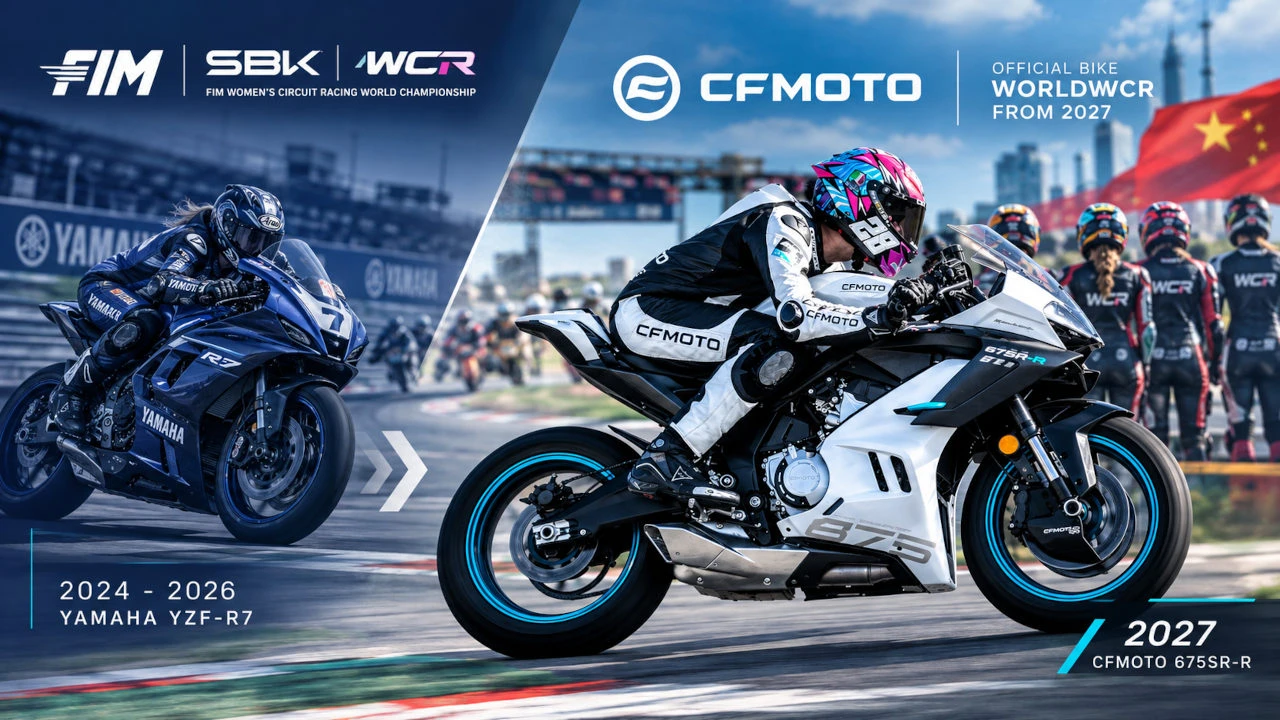
CFMOTO 675SR-R: Official Motorcycle of the WorldWCR Starting in 2027
-
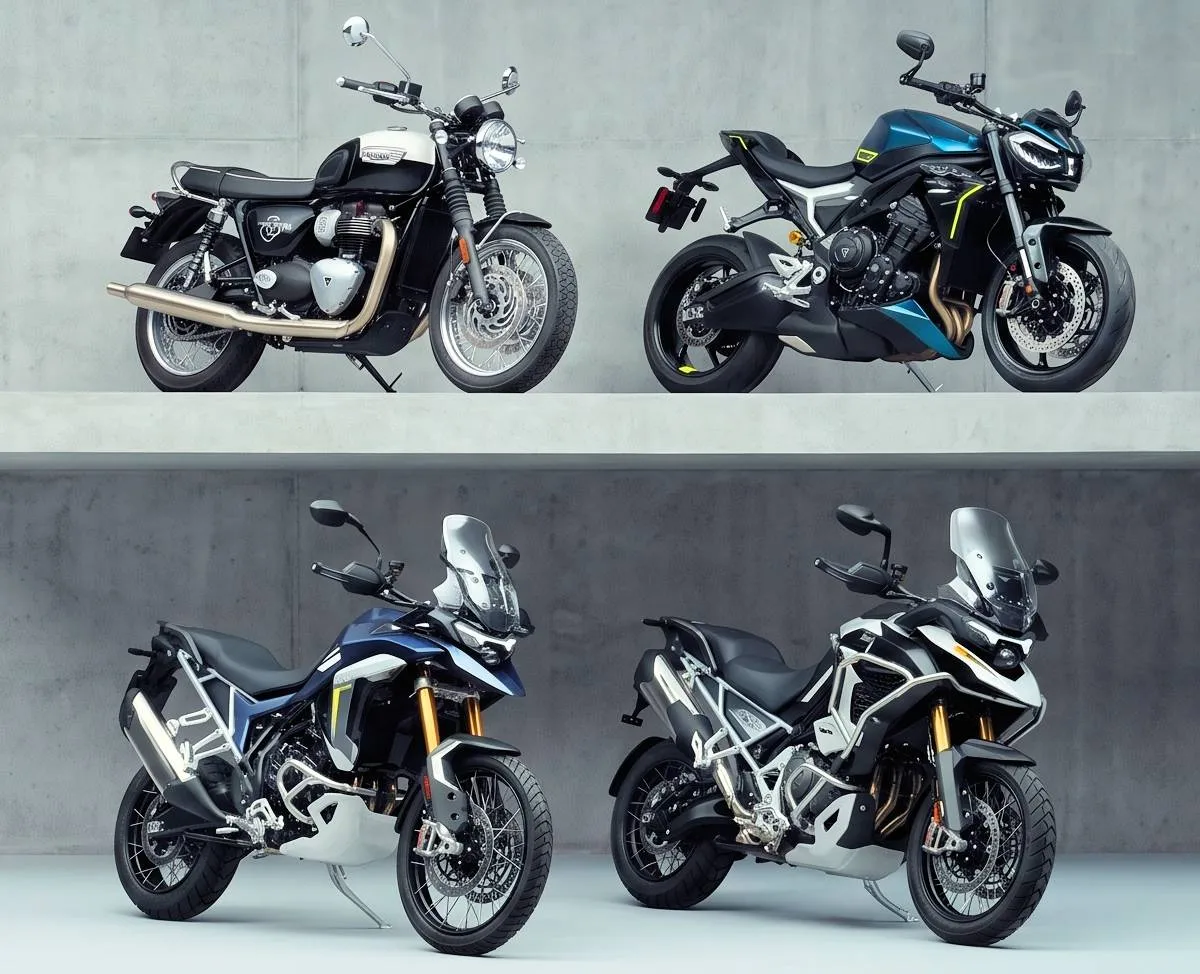
News on the Street Triple 798, Bonneville 400, Tiger 900, and Tiger 1200.
-
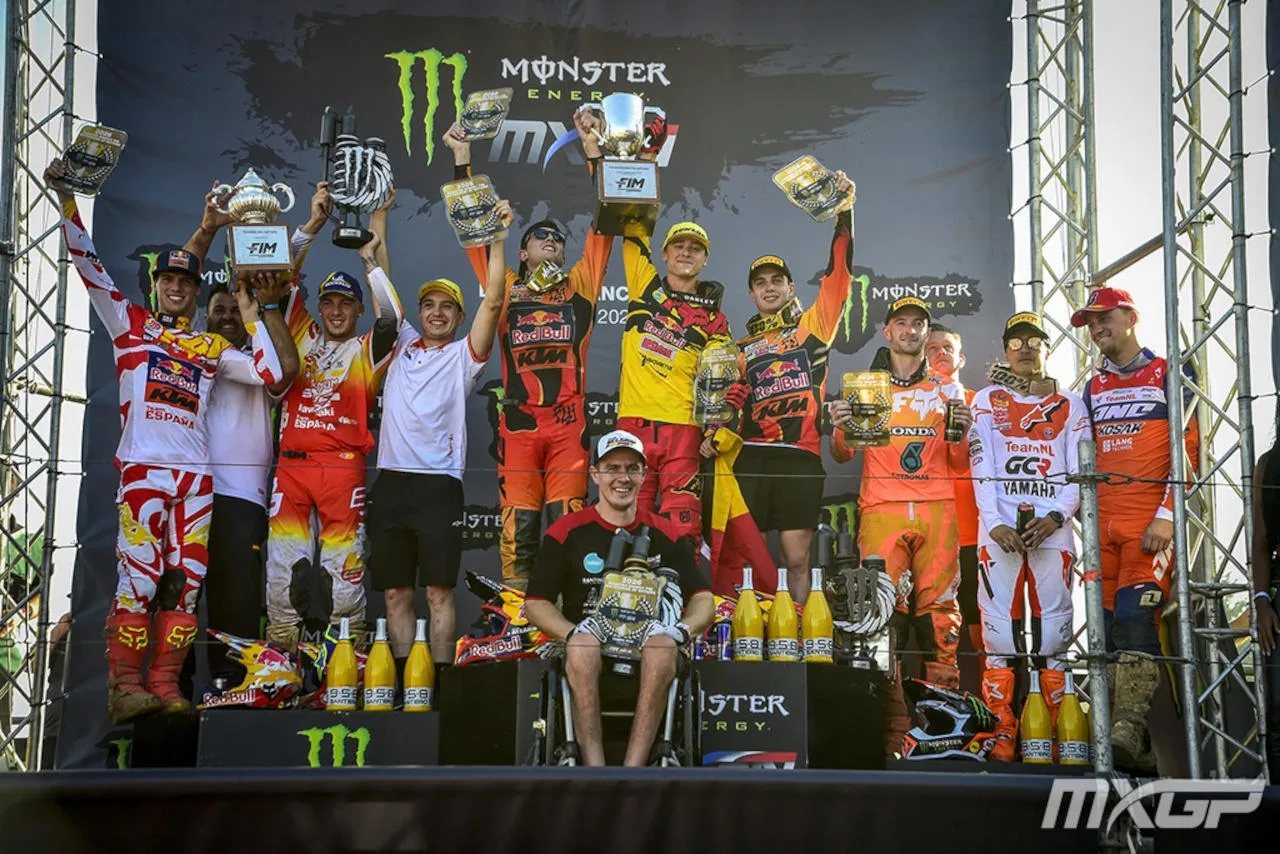
2026 MXoN in Ernée: Belgium Wins, France Falls
-
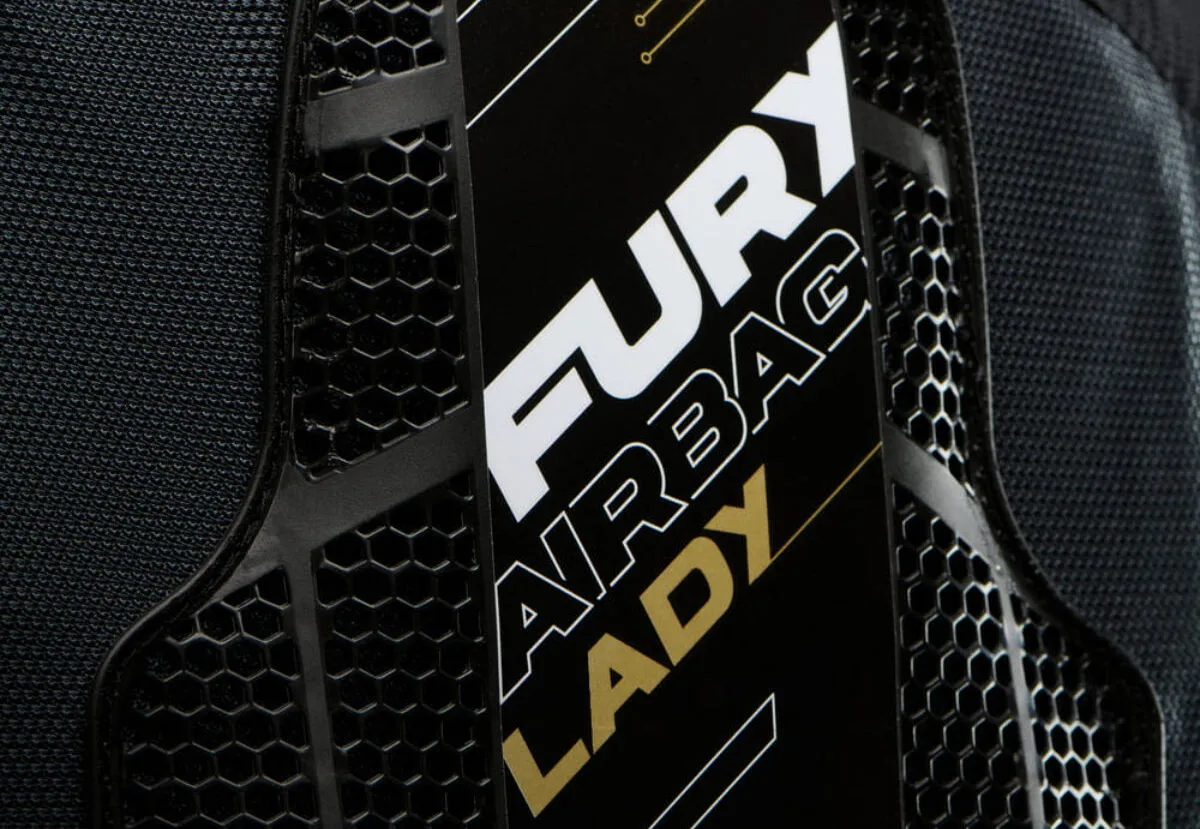
Furygan offers an airbag vest designed specifically for women.
-
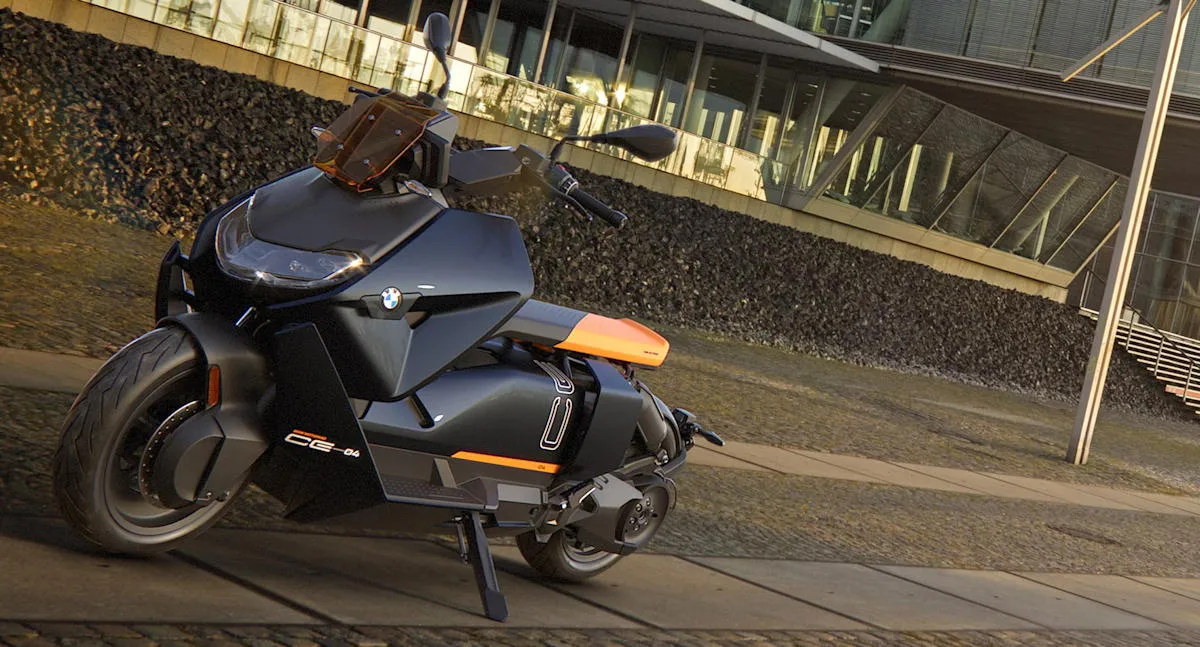
Top 10 Best Scooters of 2026: Our Complete Ranking.
-
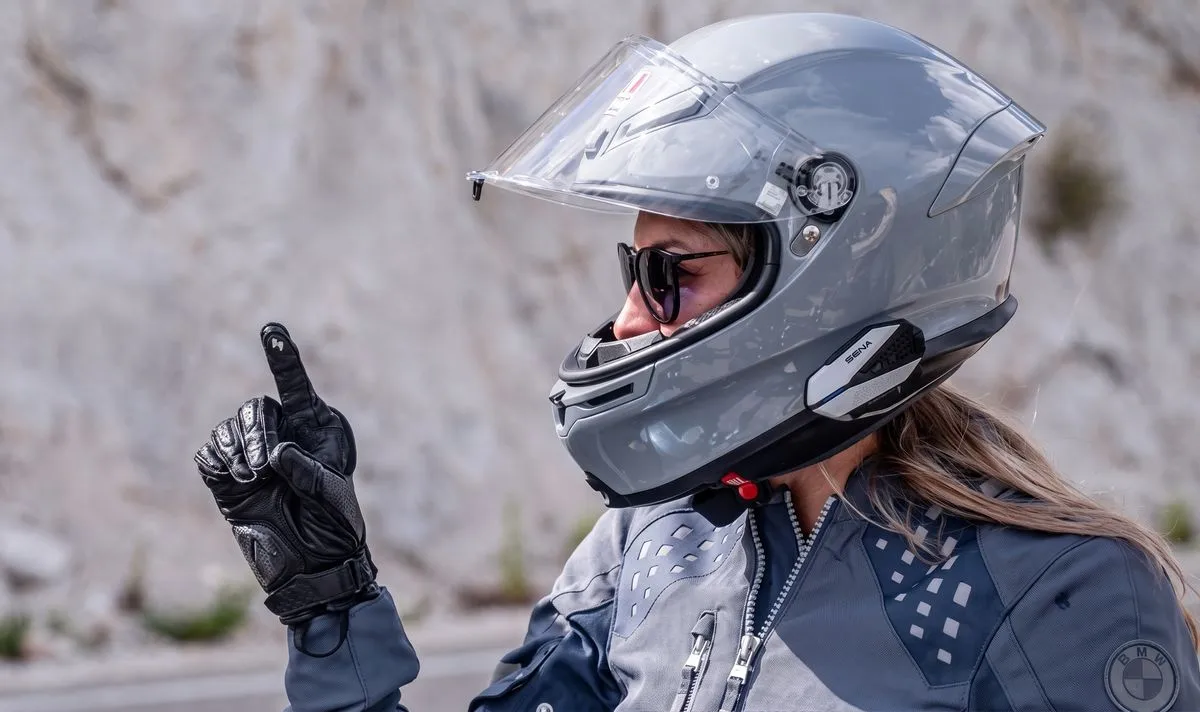
Motorcycle Intercoms—A Practical Guide to Choosing the Right One for Your Needs.
-
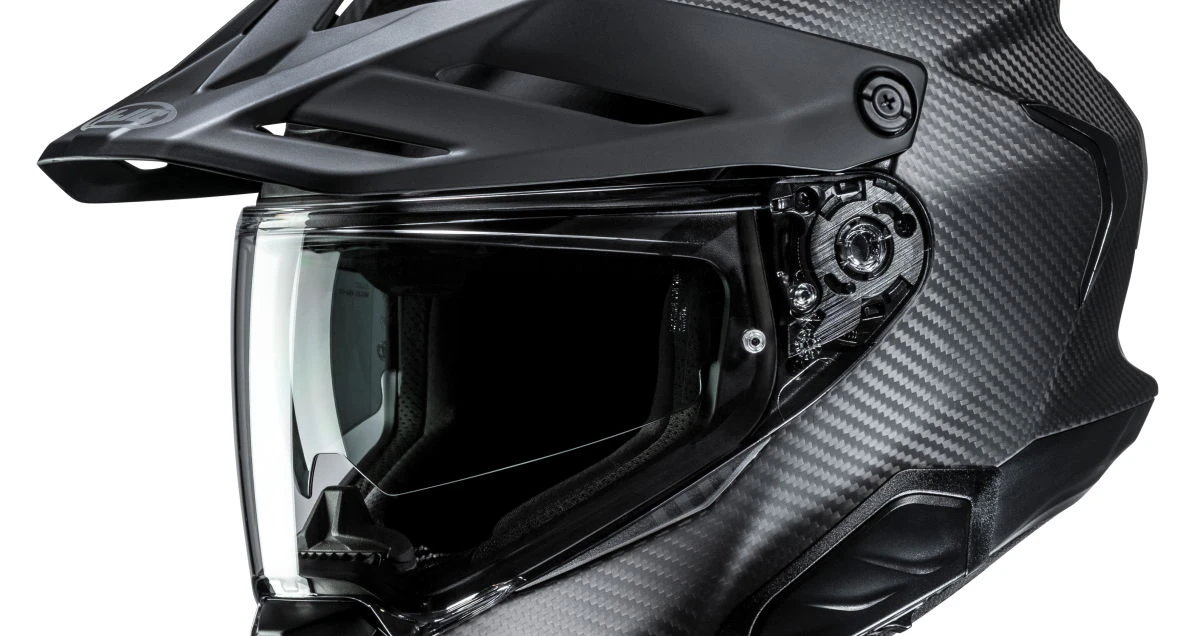
HJC is gearing up for a big year in 2027, with eight new helmets.
-
Triumph succeeded BSA in the Motocross World Championship.
-
BMW S1000RR Recall Alert: Risk of Engine Shutdown
-
The new motorcycle models of 2026 and the evolutions.

Bikers' reviews Leave a review - 2 reviews