
Motorcycle specifications Kawasaki Z 900 2017 The awakening of a lineage


presentation of the Z 900 2017
Kawasaki's "Z" lineage is enshrined in the motorcycle pantheon. It all began in 1973, with the launch of the legendary Z900 Z1. A harbinger of a new era and phenomenal commercial success, it was the brand's very first big 4-cylinder 4-stroke. The pinnacle of the line was, of course, the Kawasaki Z750. The best-selling model in France for five years running, its recipe for success was simple. A big face, a big engine, and a displacement "bastardized" between 600 cm3 and 1000 cm3. But since the advent of the Z750 in 2012, water has flowed under the bridge, taking with it the displacement references and supremacy of the line.
The Z's design speaks for itself. Less squat at the front, it seems to stand up proudly, reinvigorated by genuine developments. No longer heavy, its lines are slim and athletic. The shapes and reliefs are very carefully crafted. The whole is both curved and sharp. Design has always been the Z's greatest asset. So it takes up the crescent-shaped optic of its predecessor, which helped it sell like hotcakes... The croup is slender and airy. Positioned high up, it shines and draws the eye thanks to the design of its rear lights, illuminated by LEDs forming a "Z". The speedometer is also a real success. It features a gear indicator, three display modes, a shiftlight and the usual Kawasaki eco-driving indicator. A digital needle indicates revs on a striking analog barometer.
The big evolution, not to say revolution, is the adoption of a tubular trellis frame. This structure surprised many the first time Kawa' used it on its sultry H2R. It would appear that development costs were not in vain (the Z650 cousin also uses it). This frame saves a considerable amount of weight. The frame weighs just 13.5 kilos and promises a much stiffer, more rigorous chassis. It's backed up by a new, slender and basic swingarm, also lighter (3.9kg), and a good-diameter fork, which retains its 41mm dimensions. (Like the Z1000 and Z800 before it).
What's more, the riding position has evolved to become less sporty. Previously very forward-leaning, the new flat, open handlebars and saddle/footrest/handlebar triangle bring the torso to the rear. Which is good news for our wrists, as well as for handling. The rear section of the tank has been slimmed down, which also benefits it. Legs will be less spread out, which will also allow the smallest among us to put their feet down, aided by a seat lowered to 795 mm.
So, what about the engine? Well, we've taken it a step further. Forget the rule of "bastard" displacements offering a compromise between 600 and 1000cm3. The time for compromise is over! So it's only natural that the Z900 should follow in the footsteps of its big sister, the Z1000, reducing it to 948 cm3. A little anecdote: the block of this mid-size Z offers virtually the same displacement as the first Z 1000 of 2003 (948cc / 953 cc), and just 2 horsepower less. Today, the gap between the Z 900 and the 1000 has taken on a different meaning. It offers its elder sister 142 horsepower for 221 kilos, and her 125 foals for 210 kilos. This is quite respectable, since despite its displacement, it is not intended to take on the sharpest 1000 roadsters on the market (BMW S1000R, MT-10 and others). That task falls to the "Z 1000", which for the time being (2017) ... is being seriously molested. But that's not the point: it's up against the dissident MT-09 and its over-vitamined three-cylinder. The sound has been reworked to make it more intimidating, but also more bewitching for the rider's ears. The airbox inlet has been maliciously turned towards the rider. So you can enjoy the symphony of the four-way organ in complete peace of mind!
The Zs have never been the epitome of dynamism. Willing but clumsy, the heaviness of their chassis demanded investment in order to be driven at a good pace. And the house didn't give credit: if you didn't do your bit, they were devilishly numb. This was also the case for the 750's replacement, the Z800. Although a very good motorcycle, we can't say that this passing of the torch was a scintillating success. The handover took place without any real skill, the greens having become a little drowsy on this relay. But nap time is over, long live necromancy, here's the awakening of an antediluvian patronymic, with the new Z900!
Update November 19, 2017:
After a fine commercial start in 2017, the young career of the Kawazaki Z900 has been marred by a recall campaign launched by the Japanese manufacturer. The cause: a problem with the amorto mounting. According to Kawa: "On 2017 Z900s (ZR900Bs) and some 2018 models, the shock rod mounting holes on the frame can become ovalized if the rear shock reaches the stop abnormally. To remedy this problem, a recall campaign has been launched to check the frame and add spacer reinforcements. In rare cases, the frame will have to be replaced
Range of machine serial numbers affected:
ZR900BH: JKAZR900BBDA00111 to JKAZR900BBDA27835
ZR900BJ: JKAZR900BBA000002 to JKAZR900BBA001413
ZR900AH: JKAZR2A1?HDA11391 to JKAZR2A1?HDA25359
ZR900BH: JKAZR2B1?HDA01161 to JKAZR2B1?HDA27203
ZR900BH: JKAZR900BHDA11701 to JKAZR900BHDA27428
ZR900BJ: JKAZR2B1?JA000017 to JKAZR2B1?JA001415
Remima - Manufacturer's photos
by Greg

Greg is the founder of Motoplanete—a website created in 2001 to share his passion with his friends and showcase as many motorcycle models as possible to his readers. Self-taught and a jack-of-all-trades, his discovery of the world of motorcycles led him to work as a photographer, rider, team manager, web developer, graphic designer, editorial assistant, and editor-in-chief.
 Share
Share
Key facts Kawasaki Z 900 (2017) : What you need to know before you buy
Highlights
- New, lighter frame
- Even bigger engine
- Design always attractive
Weak points
- No traction control
- Still no radial calipers
Prices
| Basic version | |
|---|---|
 France France |
8,899€
|


Performance
- Max speed : approximately 220 km/h (136.70 mph)
History

Specifications Kawasaki Z 900 2017
- Chassis
- Frame : Tubular steel frame
- Fuel capacity : 17 liters (4.49 US gallons)
- Seat height : 795 mm (31.30 in)
- Length : 2,070 mm (81.50 in)
- Width : 820 mm (32.28 in)
- Min height : 1,065 mm (41.93 in)
- Wheelbase : 1,450 mm (57.09 in)
- Weight when fully loaded : 210 kg (463 lb)
- Front axle
- Reverse telehydraulic fork Ø 41 mm, Wheel travel : 120 mm (4.72 in)
- Braking 2 discs Ø 300 mm (11.81 in), 4-piston caliper
- Front tire : 120 / 70 - 17 → Order this type of tire
- Pressure : 2.5 bar
- Transmission
- 6 stage gearbox , manual
- Secondary by chain
- Rear axle
- Mono-damper, Wheel travel : 140 mm (5.51 in)
- Braking 1 disc Ø 250 mm (9.84 in), single-piston caliper
- Rear tire : 180 / 55 - 17 → Order this type of tire
- Pressure : 2.9 bar
- Motor
- 4 cylinders online , 4 strokes
- Injection Ø 36 mm
- Cooling system : liquid
- 2 ACT
- 4 valves per cylinder
- 948 cc
- 125 ch (123.30 hp) to 9,500 rpm
- 10 mkg to 7,700 rpm
- Power-to-Weight Ratio : approx. 1.58 kg/ch
- Torque-to-Weight Ratio : approx. 19.52 kg/mkg
- Compression : 11.8 : 1
- Practical information
Essentials
 Motoblouz
 LaBécanerie


Gallery


Models
2019


2018


2017


Used
Find this used Z 900 on MotoPlanete




Compare the Z 900 to its competitors
Compared to its 7 direct competitors, this Z 900 offers an appealing positioning, managing to stand out in certain specific areas. It stands out with power output of 125 ch, while also delivering torque of 10 Nm. Its power-to-weight ratio of 1.58 kg/ch betrays a bit of extra heft on the scales.
Acceleration
Fuel consumption
Range
Torque
Power
Power-to-Weight ratio
Torque-to-Weight ratio
Speed
FAQ Your frequently asked questions about the Z 900 2017
- What is the power of the Z 900?
-
The Z 900 2017 develops a power of 125 ch (123.30 hp)
- What is the torque of the Z 900?
-
The maximum torque of the Z 900 2017 is 10 mkg to 7,700 rpm.
- What is the maximum speed of the Z 900?
-
The Z 900 2017 is capable of reaching a top speed of approximately 220 km/h (136.70 mph) on the track.
- What is the weight of the Z 900?
-
The Z 900 2017 has a a weight when fully loaded of 210 kg (463 lb).
- QWhat is the seat height of the Z 900?
-
To ensure good accessibility, the Z 900 2017 offers a minimum seat height of 795 mm (31.30 in).
- What is the price of the Z 900?
-
The price of the Z 900 2017 is 8,899€ in France
- What size tires should I put on my Z 900?
-
The standard size for a Z 900 2017 is 120 / 70 - 17 for the front, and 180 / 55 - 17 for the rear.
- Where can I find high-quality used Z 900s?
-
You can find used Z 900 at great prices on MotoPlanete, in the section dedicated to them—models from professionals and private sellers, as well as spare parts.
News
-
2026 MXGP of China: Herlings Unbeatable, McLellan Delays the MX2 Title
-
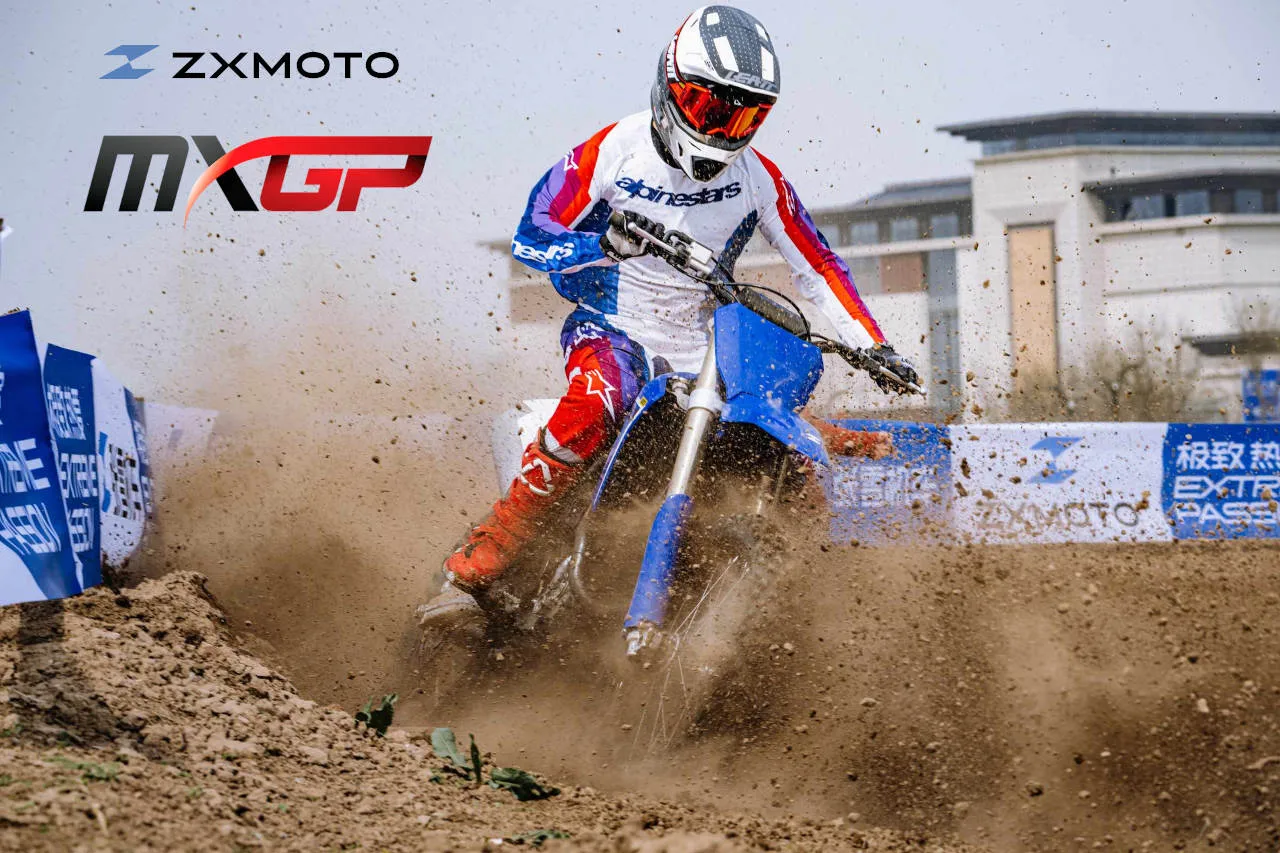
MXGP 2027: Kove and ZXMoto Join the Championship
-
SC Project is working on the 2026 Suzuki GSX-R1000R.
-
2026 MXGP of Turkey: Herlings Crowned World Champion!
-
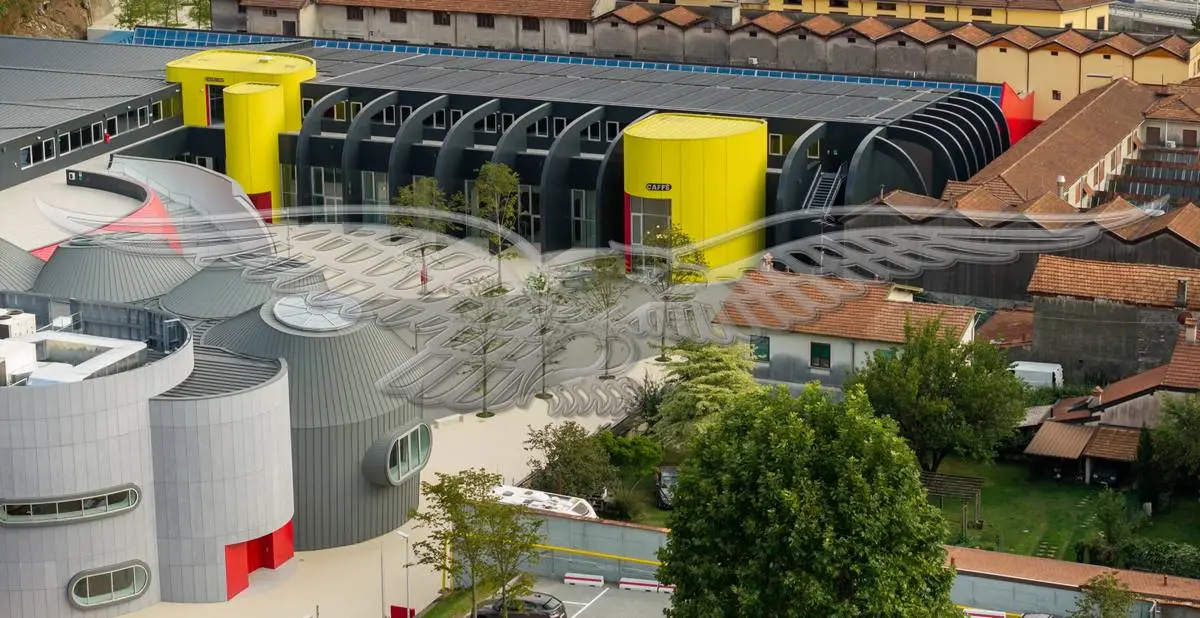
Moto Guzzi: In Mandello, the historic factory is taking on a new scale.
-
ZXMoto in MXGP 2027: The Hypothesis of an Off-Road Earthquake
-
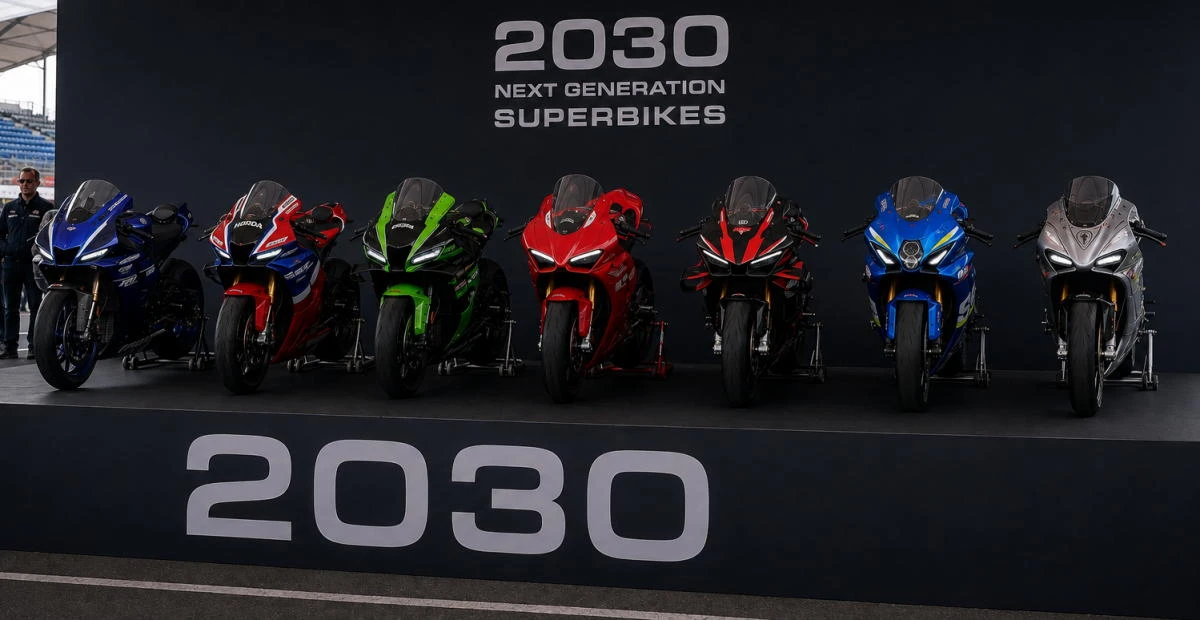
Superbike - Will 240 ch sport bikes soon be available at dealerships?
-
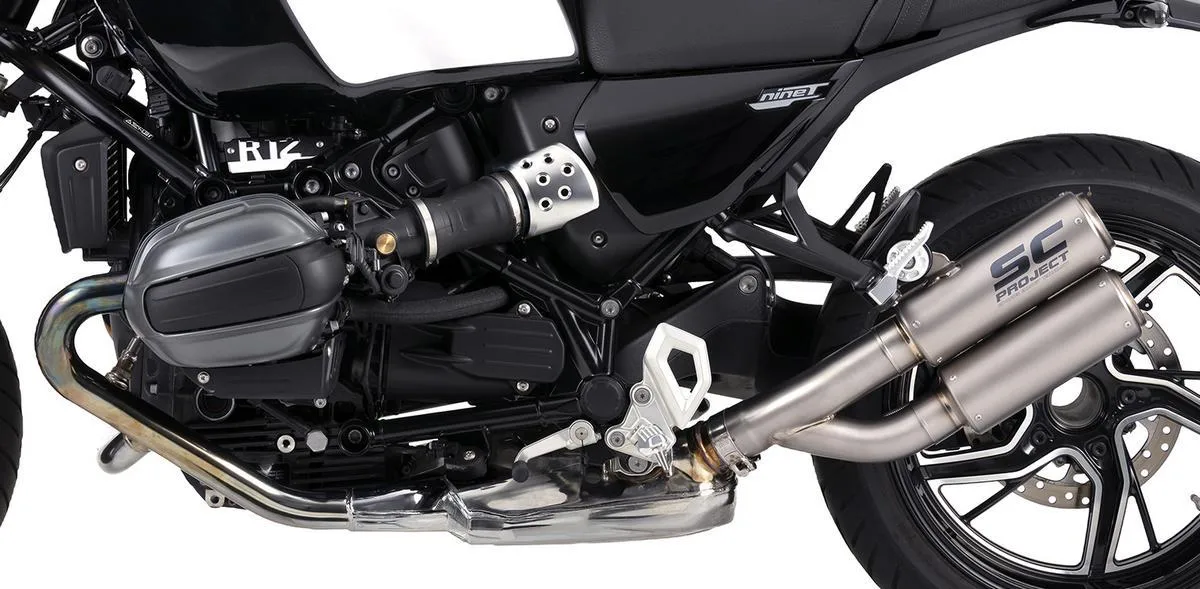
2 new SC-Project mufflers for the R 12 NineT and G/S.
-
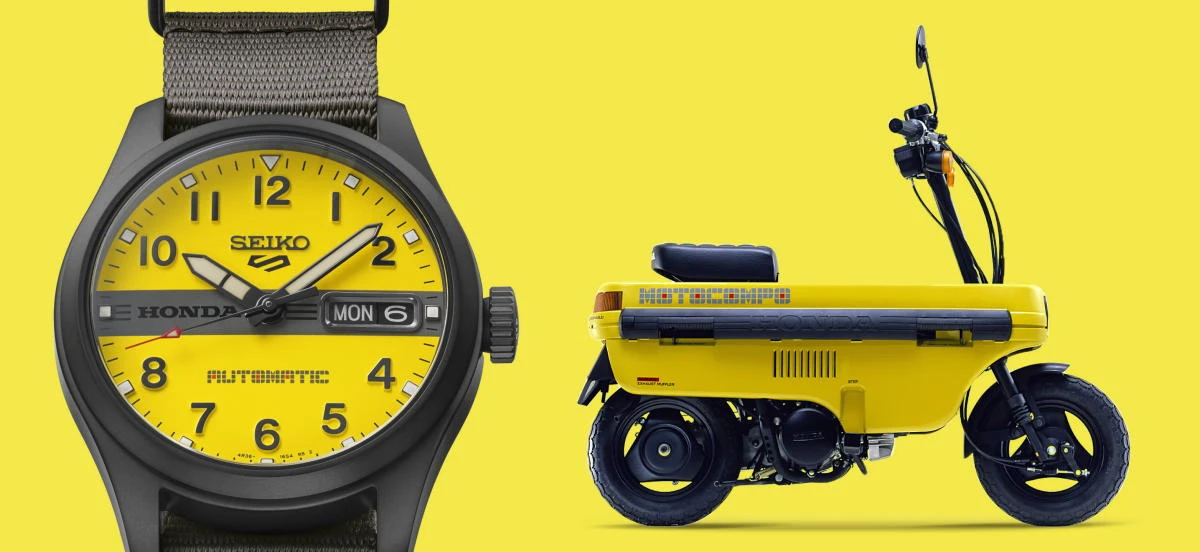
Seiko unveils a watch inspired by the Honda Motocompo.
-
The new motorcycle models of 2026 and the evolutions.

Bikers' reviews Leave a review - 12 reviews
Super bike. It's really very pleasant to drive. It has very good available torque at low revs (no more fiddling with the gearbox). My z900 consumes less fuel than the cb650f . The bike handles really well, and at low speeds you can feel the 210 kg, but it's still very maneuverable. The negative points would be (conditional): a more comfortable seat (but I've seen worse) and a larger turning radius. My range is 5l/100km
Well, I don't wring out the handle either Rating : 5/5 Respond to Tyuioso
But it's a kawa .... Rating : 5/5 Respond to Totof21
Considering that the Z1000 is just above it, it would have been better to bring out a vitamin-enriched Z750, lightened up to offer a mid-size roadster that's both high-performance and affordable, like Suzuki did with the GSX-S 750, and to compete with the Street Triple 765.
As for the Z650, it's just an evolution of the ER6, not a Z! Rating : 3/5 Respond to Jeff2A
It came out in 2013, so at the time it had 106hp (convertible to 113hp) and wasn't really convincing compared to the MT09 marketed at the same time.
I tried it out because at the time I had a Z750, which I kept with no regrets.
When the time came to change, I hesitated between the MT09 and the GSX-S 750, which I've been riding since January 2018, and I really don't regret it! Rating : 1/5 Participate in the conversation
5/5 ! Rating : 5/5 Respond to Drazor69