
Motorcycle specifications Kawasaki Z 125 2019 Un Zeste de roadster


presentation of the Z 125 2019
The Z is the key to Kawasaki. A family of roadsters steeped in history. A Z 1000 that catapulted the brand to the forefront, a Z 750 with striking success, a 650 / 900 duo that is a must on today's market, a Z 1300 powered by one of Japan's rare 6-cylinders... But there's one displacement where he's never dared to venture: the 125 cm3. Yet it's the dawn of desire, a gateway to motorcycling intoxication. The greens are now on the offensive in this segment. With the Z 125, Kawasaki aims to offer the first thrills of a roadster.
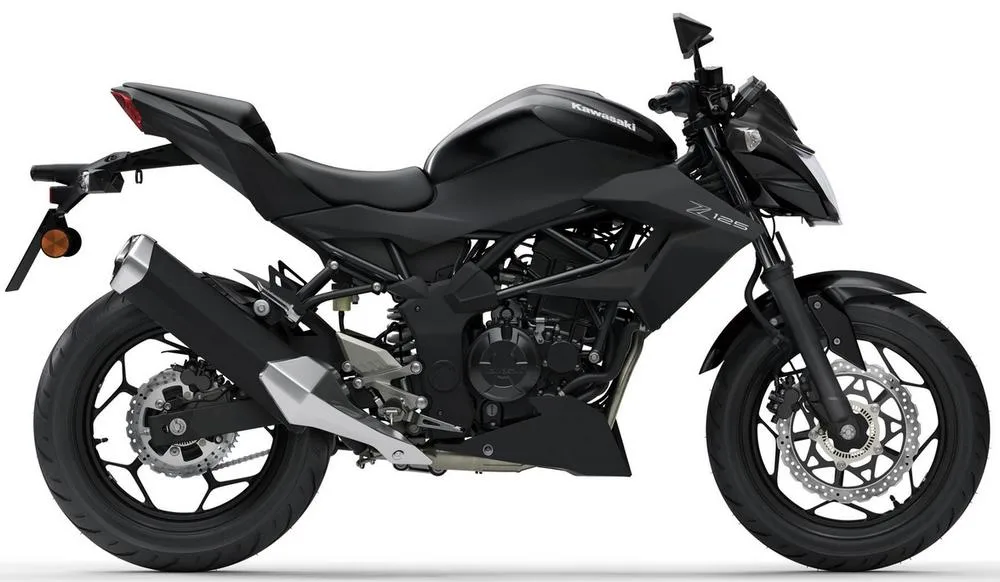
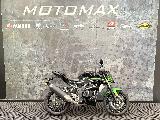
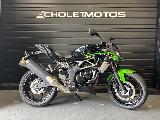
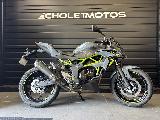
Is Kawa playing big? No, Kawa is playing for position. There's no need to shock, dazzle or shake things up. This little roadster is a little provocative, but not too provocative, with good proportions, polished edges and a real personality. Not a big Z in miniature, but a real little Z to show off like a leader of the crowd. It's not provocative, as Kawa is known for; it's the charm of a youthfulness.
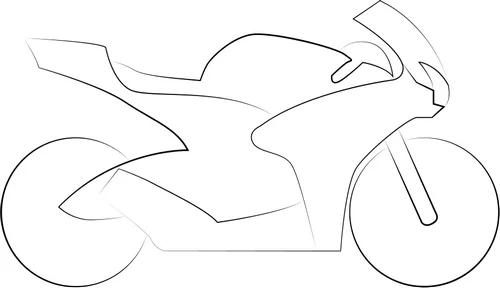
The Z 125 shares its technical base with its sporty Ninja sibling - a skirmish that is equally striking among small sportbikes. A liquid-cooled 4-stroke single delivers the requisite 15 horsepower. No more watts allowed. No competitor is better in terms of power, but the Kawa's weight doesn't allow it to compensate. At 146 kilos, it's far from being the lightest.
More eye-catching, the green-clad frame is a tubular steel trellis. It will be tempting for future owners to slip in the anecdote that the sultry H2 uses the same type of structure. Braking is provided by a disc at each wheel, bitten by two-piston calipers, including ABS.
With its slim tires, pocket-sized dimensions and assertive looks, the Z 125 promises to be both fun and rewarding. Comfort will be more important on the roadster, as the riding position is more upright, with handlebars higher than on the sports bike. Another difference is that the seat height is 30 mm higher on the Z than on the Ninja, even though both are built on the same platform. This is due to the thicker seat, which is more accommodating to the buttocks. The two-tone treatment of the seats is also very pleasing.
With the Z and Ninja, Kawasaki is finally able to offer bikes for the young (or not so young) who want to discover the world of motorcycling. And these machines are far from ugly. Successful design and a sense of quality are just some of the assets the roadster will bring to the table in a sector where the Katoche 125 Duke rules, in a small constellation where Mash, Yam MT-125, Suz GSX-S 125, Aprilia 125 Tuono, Honda CB 125 R and also...... orbit. Wow, there's a lot of them around. And yet, the Kawa is sure to get noticed.
M.B - Manufacturer's photos
by Greg
Greg is the founder of Motoplanete—a website created in 2001 to share his passion with his friends and showcase as many motorcycle models as possible to his readers. Self-taught and a jack-of-all-trades, his discovery of the world of motorcycles led him to work as a photographer, rider, team manager, web developer, graphic designer, editorial assistant, and editor-in-chief.
 Share
Share
Key facts Kawasaki Z 125 (2019) : What you need to know before you buy
Prices
| Basic version | |
|---|---|
 France France |
4,599€
|

Performance
- Max speed : approximately 120 km/h (74.60 mph)
Specifications Kawasaki Z 125 2019
- Chassis
- Frame : Tubular steel mesh
- Fuel capacity : 11 liters (2.91 US gallons)
- Seat height : 815 mm (32.09 in)
- Length : 1,935 mm (76.18 in)
- Width : 740 mm (29.13 in)
- Min height : 1,015 mm (39.96 in)
- Wheelbase : 1,330 mm (52.36 in)
- Weight when fully loaded : 146 kg (322 lb)
- Front axle
- Telehydraulic fork Ø 37 mm, Wheel travel : 110 mm (4.33 in)
- Braking 1 disc Ø 290 mm (11.42 in), 2-piston caliper
- Front tire : 100 / 80 - 17 → Order this type of tire
- Pressure : 2 bar
- Transmission
- 6 stage gearbox , manual
- Secondary by chain
- Rear axle
- Mono-damper, Wheel travel : 120 mm (4.72 in)
- Braking 1 disc Ø 220 mm (8.66 in), 2-piston caliper
- Rear tire : 130 / 70 - 17 → Order this type of tire
- Pressure : 2.25 bar
- Motor
- single-cylinder , 4 strokes
- Injection Ø 28 mm
- Cooling system : liquid
- 2 ACT
- 4 valves
- 125 cc
- 15 ch (14.80 hp) to 10,000 rpm
- 1.20 mkg to 7,700 rpm
- Power-to-Weight Ratio : approx. 9.17 kg/ch
- Torque-to-Weight Ratio : approx. 113.08 kg/mkg
- Compression : 11.7 : 1
- CO² emissions: 66 g/km
- Standard equipment
- Brake assist : ABS
- Practical information
Essentials
 Motoblouz
 LaBécanerie


Gallery


Models
2027
2026


2024


2023


2022


2021


2020


2019


Used
Find this used Z 125 on MotoPlanete


Compare the Z 125 to its competitors
Compared to its 5 direct competitors, this Z 125 offers an appealing positioning, managing to stand out in certain specific areas. It stands out with power output of 15 ch, while also delivering top speed of 120 km/h. Its torque-to-weight ratio of 113.08 kg/Nm limits its punch at low revs.
Fuel consumption
Range
Torque
Power
Power-to-Weight ratio
Torque-to-Weight ratio
Speed
CO² emissions
FAQ Your frequently asked questions about the Z 125 2019
- What is the power of the Z 125?
-
The Z 125 2019 develops a power of 15 ch (14.80 hp)
- What is the torque of the Z 125?
-
The maximum torque of the Z 125 2019 is 1.20 mkg to 7,700 rpm.
- What is the maximum speed of the Z 125?
-
The Z 125 2019 is capable of reaching a top speed of approximately 120 km/h (74.60 mph) on the track.
- What is the weight of the Z 125?
-
The Z 125 2019 has a a weight when fully loaded of 146 kg (322 lb).
- QWhat is the seat height of the Z 125?
-
To ensure good accessibility, the Z 125 2019 offers a minimum seat height of 815 mm (32.09 in).
- What is the price of the Z 125?
-
The price of the Z 125 2019 is 4,599€ in France
- What size tires should I put on my Z 125?
-
The standard size for a Z 125 2019 is 100 / 80 - 17 for the front, and 130 / 70 - 17 for the rear.
- Where can I find high-quality used Z 125s?
-
You can find used Z 125 at great prices on MotoPlanete, in the section dedicated to them—models from professionals and private sellers, as well as spare parts.
News
-
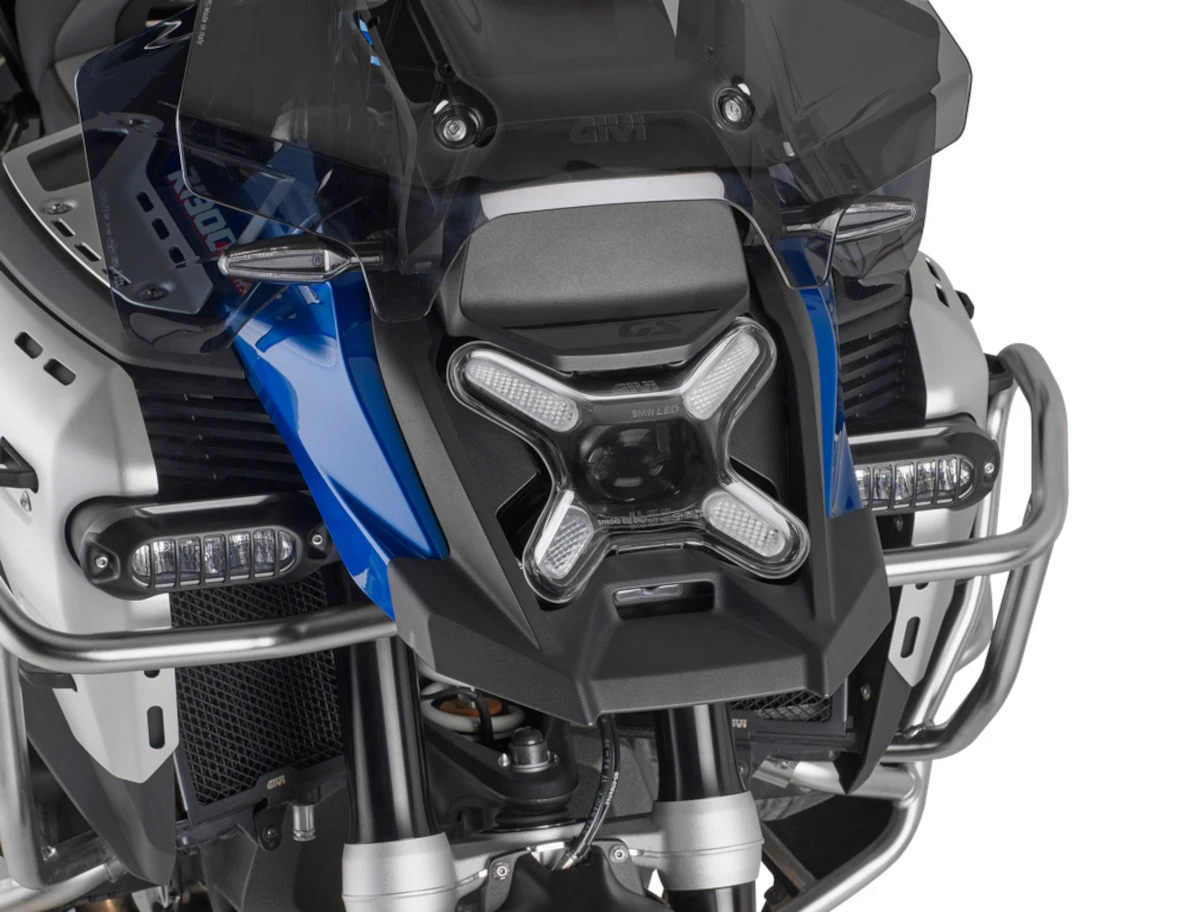
GIVI HLP Headlight Protector: Ténéré 700 and R1300GS
-
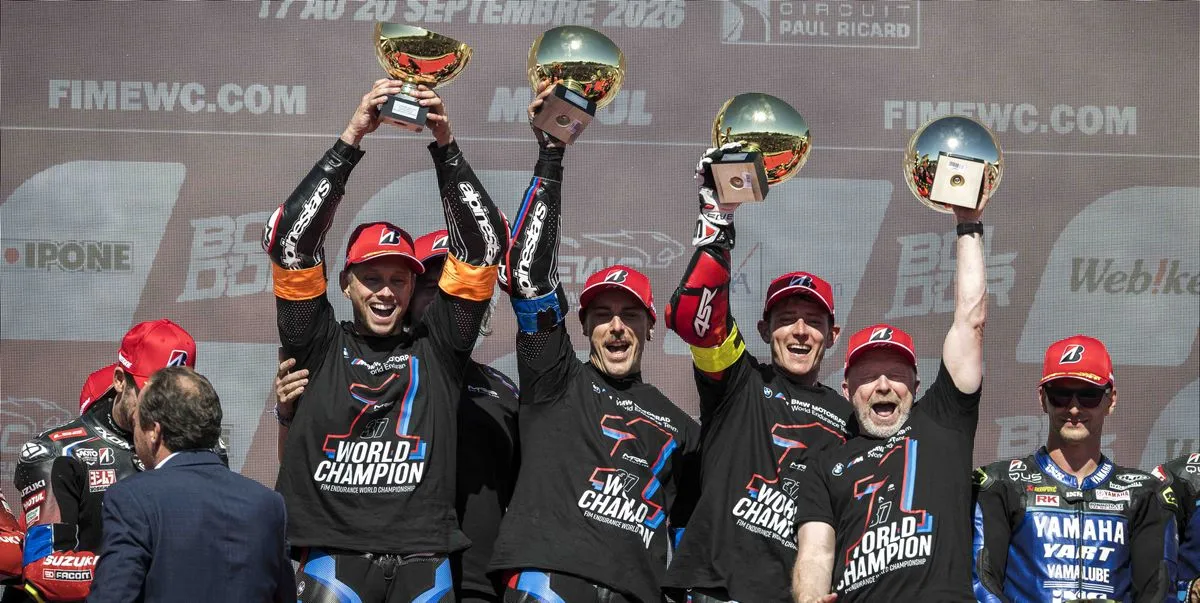
Victory and the championship title for BMW at the 2026 Bol d'Or.
-
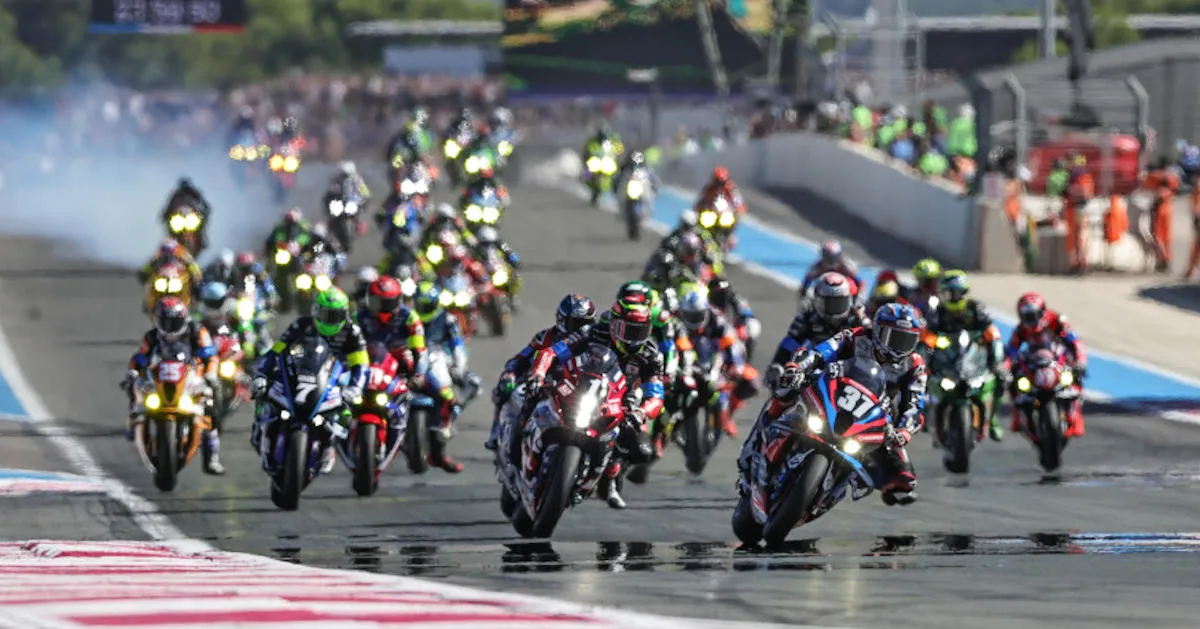
The 89th Bol d'Or: A Celebration of Racing Passion.
-
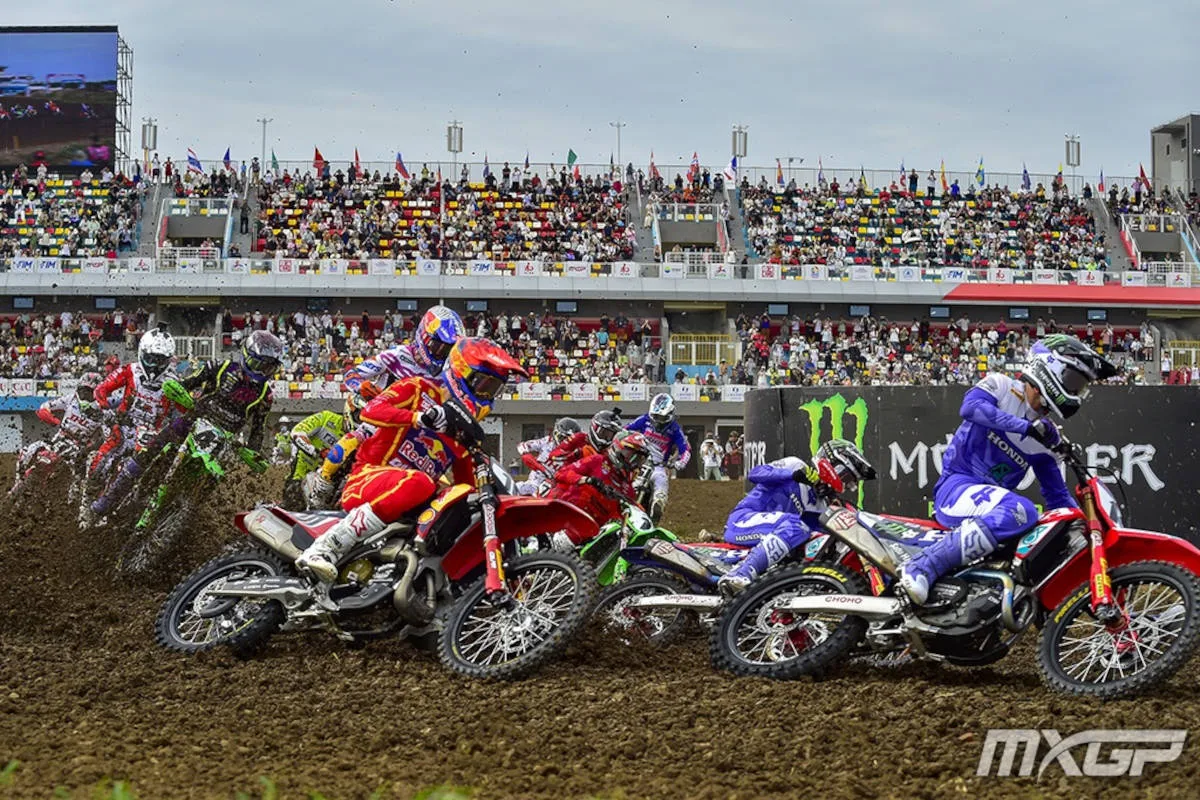
2026 MXGP of China: Herlings Unbeatable, McLellan Delays the MX2 Title
-
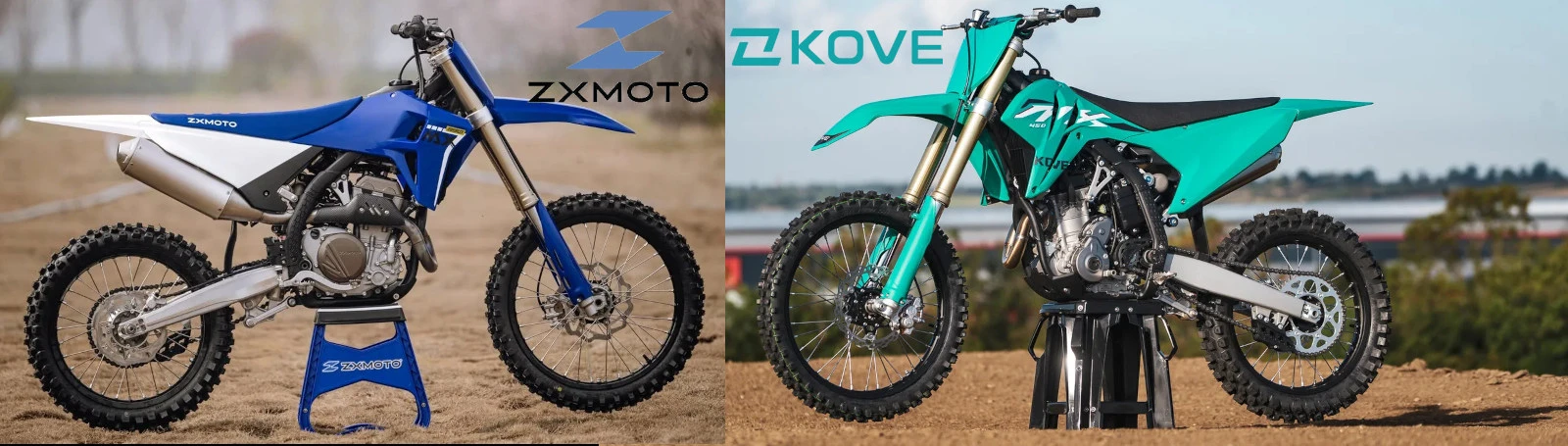
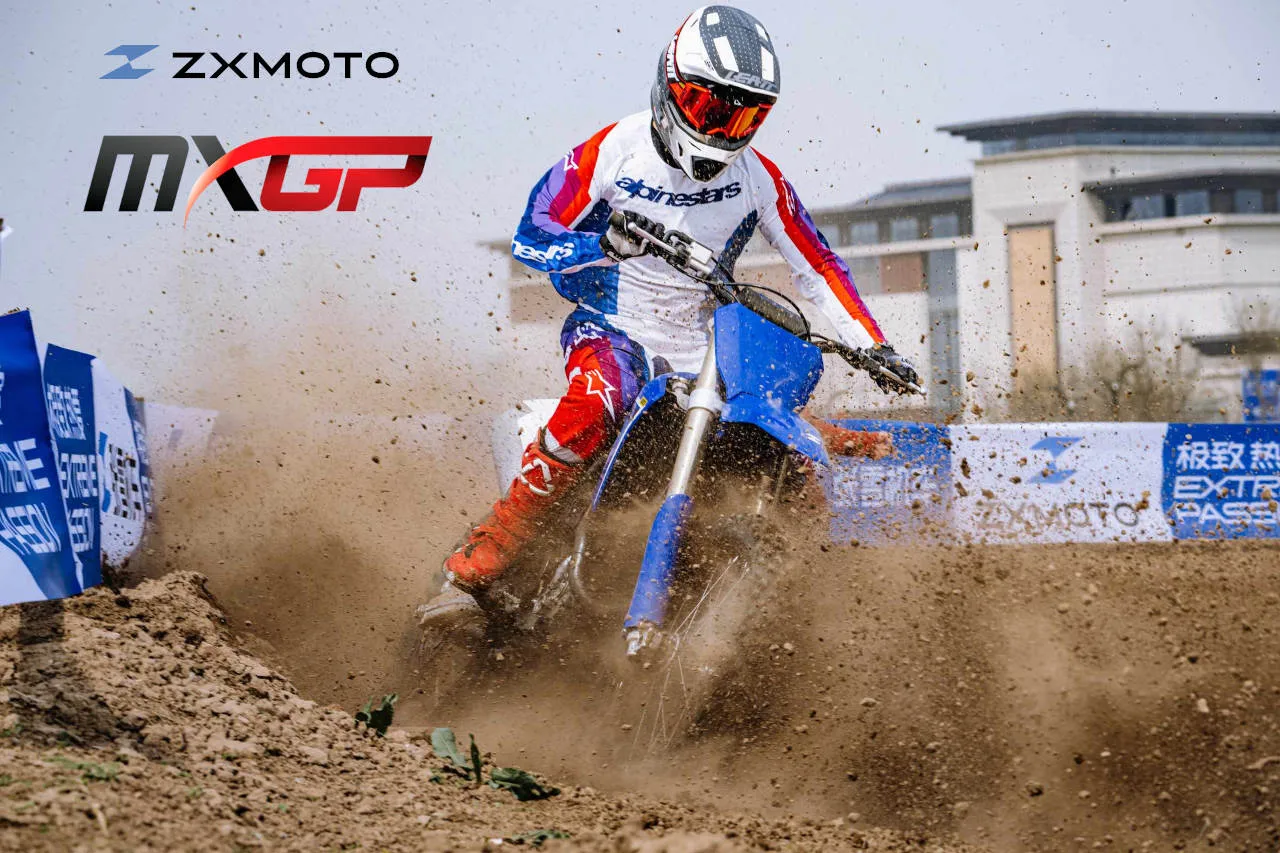
MXGP 2027: Kove and ZXMoto Join the Championship
-
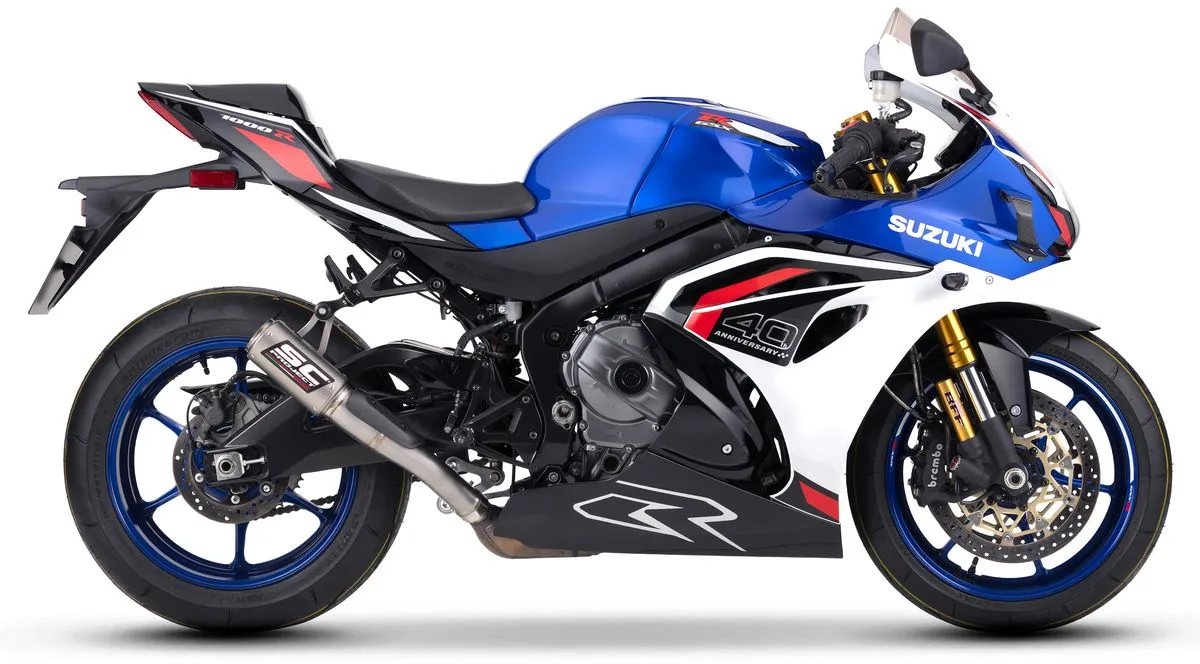
SC Project is working on the 2026 Suzuki GSX-R1000R.
-
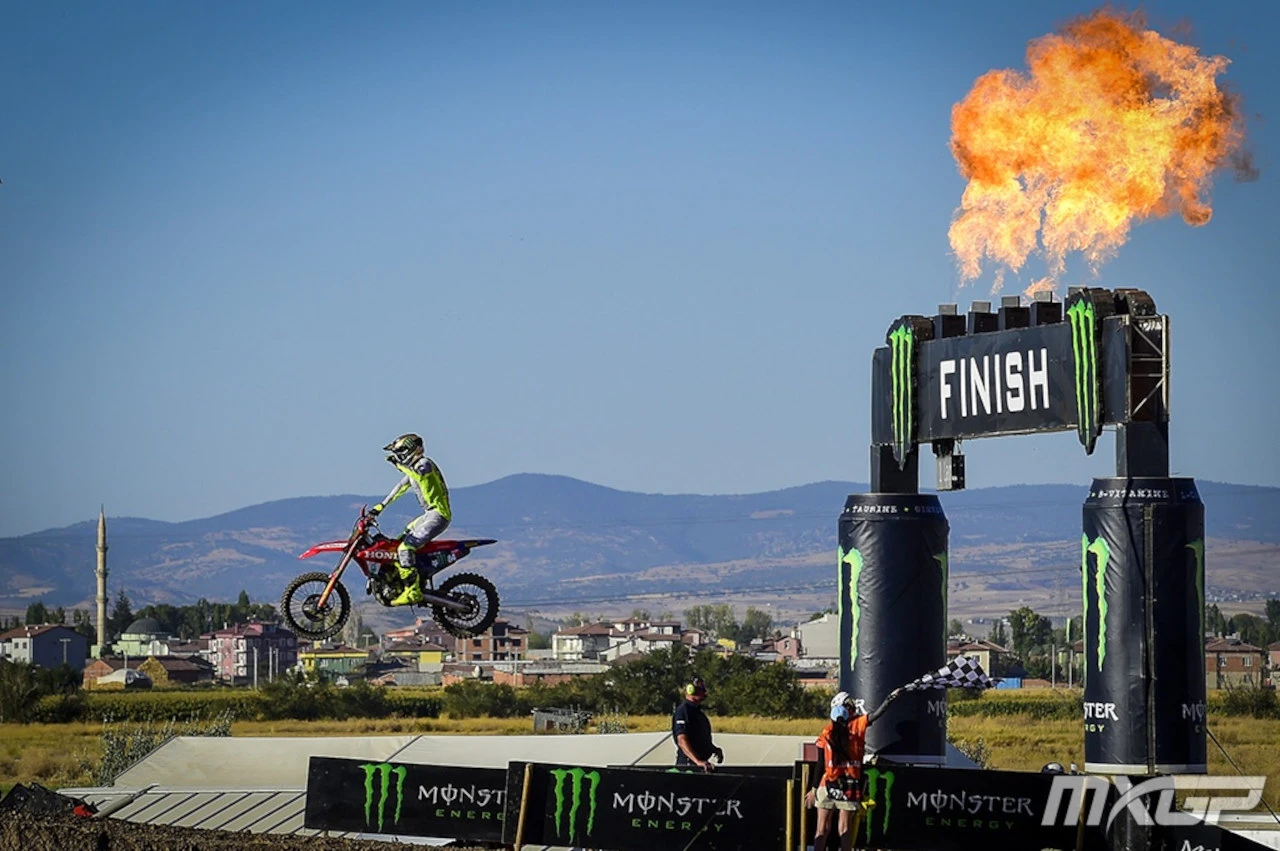
2026 MXGP of Turkey: Herlings Crowned World Champion!
-
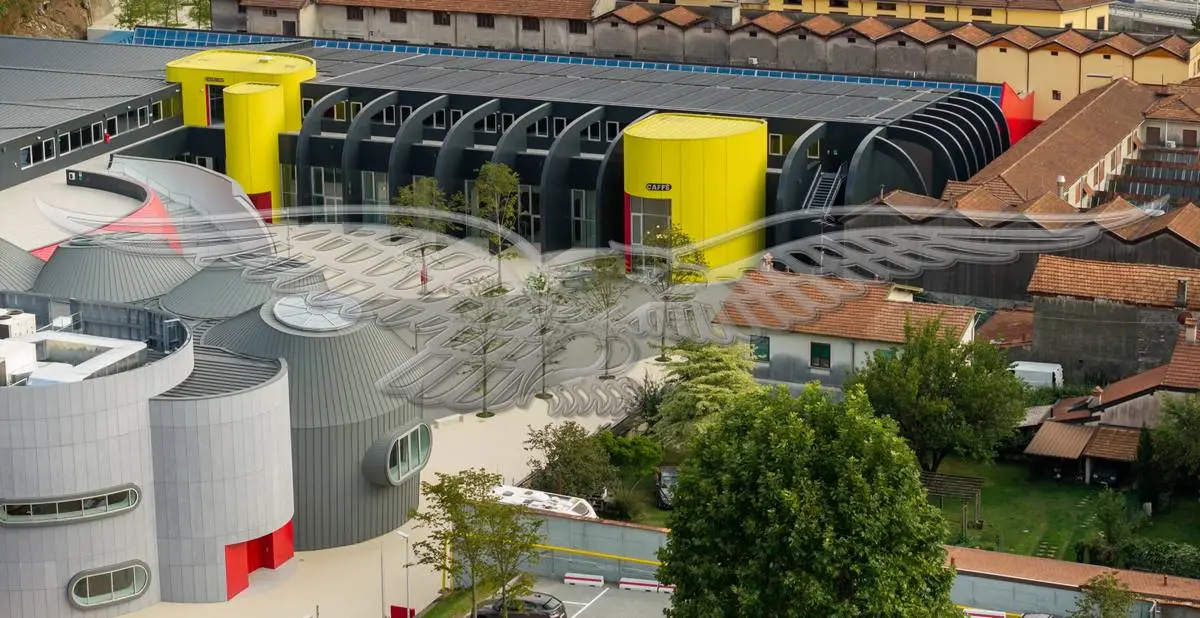
Moto Guzzi: In Mandello, the historic factory is taking on a new scale.
-
ZXMoto in MXGP 2027: The Hypothesis of an Off-Road Earthquake
-
The new motorcycle models of 2026 and the evolutions.

Bikers' reviews Leave a review - 11 reviews
I just saw the motorcycle at the Kawasaki dealership. Do you know if 1.90 m is too tall for the motorcycle? I tried it at the dealership, but I'm having trouble deciding. Rating : 5/5 Respond to Viviking
All I did was modify the exhaust, put retro bars at the end of the handlebars and a front bubble. I never ride on freeways, because I don't think a motorcycle should be on the freeway. I reach my 110 without batting an eyelid, and I don't ask for more. For a first motorcycle, learning to corner in town and on a plateau is the best thing you can do. And one last point: there are no electronics in the engine, and I can tell it's tough Rating : 5/5 Respond to Tintoons117
I had my first 125s in the very early 80s, and back then Kawasaki knew how to produce lively, light machines like the KE and KH, which weighed less than 100 kg for just 13 hp, but were much more expressive (2t) and powerful than a 4t 15 hp engine with almost 150 kg to move around.
With its rather short transmission, a KH could easily reach 130 m.p.h. With this kind of calf, it's easy to want to switch to the A2. Rating : 1/5 Respond to Jeff2A
.
Positive points:
- Nice finish, nothing sticks out
- Very good braking
- Smooth gearbox
- Good chassis
.
Negative points :
- No feeling at the throttle, you can hear the engine "scream" when you turn the throttle, but nothing happens before half the stroke, it's sluggish and unresponsive
Once started, it's still okay, but...
- Poor/fade rev counter, no gear indicator, speedometer/engine locked at 10,000 rpm, so max speed 110 km/h (for 15 hp)
- Quite heavy for a mono
For the price, I think it's a pity, because it's a good value and has the maximum legal power, but the 15hp are invisible when you're riding it.
My GSXS 125 is much more responsive for the same advertised data and for 700 euros less.
It's a pity, a real pity, because it's a real eye-catcher Rating : 2/5 Respond to GigiRider
What about the 125KH of the 70s? Rating : 1/5 Respond to magicsenna34
They have a hard time reaching 130 km/h, which makes them unsuitable for freeway use, and even dangerous.
And yet, with today's engines, it's possible to get at least 25 hp out of a 125cc 4-stroke engine and design a motorcycle that can be used safely, given the quality of today's braking systems. Perhaps the AL license should be adjusted in terms of maximum power, and a middle ground found between the 15hp and 34hp of the old A license for beginners. Rating : 3/5 Participate in the conversation