
Motorcycle specifications Moto-Guzzi 850 Le Mans 1976 The LE MANS epic


presentation of the 850 Le Mans 1976
At Moto Guzzi, the name "Le Mans" is closely associated with sports models. It could hardly be otherwise, since the name of the Sarthe town with its famous circuit has been emblazoned on the side covers of Mandello del Lario's sports bikes for over 30 years. The only exception to this rule was the 1100 marketed between 1995 and 2001, which was simply named "Sport".
and yet, the first 850 Le Mans never failed to see the light of day.
this first Le Mans was the fruit of the work of 2 formidable engineers who had worked at Moto-Guzzi. Firstly, Giulio Cesare Carcano, designer of the emblematic 500cc V8, as well as the V7 twin-cylinder, the forerunner of the Guzzi engines of the last 40 years.and Lino Tonti, no less a talented engineer, who worked from his arrival in 1967 on the V7 engine that would become the V7 Special and on the 850 for the Le Mans. Tonti was also responsible for the chassis of the big sports car. Tonti frames were used for many years on Guzzi small-block motorcycles (350 to 750cc) as well as large-displacement bikes (850 and 1000cc).
the first drafts of the Le Mans project date from 1971-1972. On the strength of the success of the V7 Sport, and subsequently the 750S and S3, the brand intended to capitalize on the image of these models, and above all on their good racing performance. The 850 is based on the new 850T engine, to which the same recipes as for the 750 Sport have been applied (more powerful camshafts, larger valves, higher compression ratio, large-diameter Dell'Orto carburetors, etc.). This new engine should enable Moto-Guzzi to return to the arms race. While the 750s were already very powerful overall, the S3's 53 hp were beginning to pale in comparison with the big Japanese bikes and the Ducati SS.
the project was launched in 1972, when the company (already economically weakened in the 60s) was bought by Italian businessman Alejandro De Tomaso. De Tomaso, who already owned the Benelli brand, wanted to compete with the Japanese brands by bringing out top-of-the-range multi-cylinder models and, above all, by streamlining the brands' production. As this project was considered a priority, it took precedence over replacing the V7. Unfortunately, the Benelli/Guzzi models were not a commercial success. Worse still, the character of the V2s meant that they sold better than the Tomaso Group's luxury novelties. Pragmatic, the businessman did not insist on this course of action, and put the Le Mans project back on track in 1975.
the "Le Mans" epic could begin.
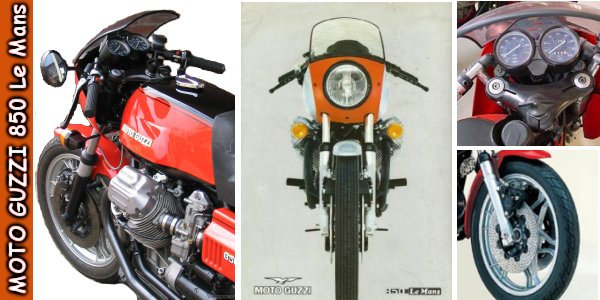
The first Le Mans arrived on the market in 1976. And the market for large sports cars was already well represented. It had to contend with BMW R100S and RS, Benelli 750 SEI, Ducati 750 and 900 SS, Laverda 750 SF3 and 1000 Jota, MV Agusta 750S America, to name but a few European brands.
it's clear that the new Guzzi immediately rises to the level of its rivals, both in terms of performance and equipment. The 850 Le Mans is not a follower; on the contrary, it innovates.
the engine is based on the V2 of the 850T tourer, and now boasts 71 hp at 7,700 rpm and 7.8 mkg of torque at 6,000 rpm. It's not the most powerful on the market, but the qualities of this powertrain are undeniably enhanced by the "made by Tonti" chassis.
and that's how the designers of the 850 Le Mans almost squared the circle and made this machine a myth: a turbulent engine in a rigorous chassis; the engine invites excess and the chassis allows it.
perfectly stable without compromising manoeuvrability, the chassis excels both in sporty riding and on long trips. And whatever the application, Moto-Guzzi's patented integral braking system is surprisingly effective. This system couples the rear brake with a disc on the front wheel, both controlled by the brake pedal (almost all other motorcycles only control the rear). As a result, the bike retains its beautiful balance even under braking. Only the suspensions (the double rear suspension) sometimes admit their limits in terms of comfort.
as for the bike's styling, it has to be said that the 1976 collection suits it perfectly. The fork head has a timeless design that would undoubtedly still appeal today.
just over 7000 examples of the first generation Le Mans were produced, and it is certainly the most sought-after model today.
Tanthallas - Photos: Internet & manufacturer
by Greg

Greg is the founder of Motoplanete—a website created in 2001 to share his passion with his friends and showcase as many motorcycle models as possible to his readers. Self-taught and a jack-of-all-trades, his discovery of the world of motorcycles led him to work as a photographer, rider, team manager, web developer, graphic designer, editorial assistant, and editor-in-chief.
 Share
Share
Key facts Moto-Guzzi 850 Le Mans (1976) : What you need to know before you buy
Prices
| Basic version | |
|---|---|
 France France |
3,475€
|
Model sold in 1976

Performance
- Max speed : 208 km/h (129.20 mph)
- Average fuel consumption : 7.50 liters/100km (0.31 mpg)
-
Estimated range
: 300 km (186 miles)
Calculated range until tank is empty, not verified.
Specifications Moto-Guzzi 850 Le Mans 1976
- Chassis
- Frame : Double tubular steel cradle
- Fuel capacity : 22.50 liters (5.94 US gallons)
- Seat height : 775 mm (30.51 in)
- Length : 2,190 mm (86.22 in)
- Width : 720 mm (28.35 in)
- Wheelbase : 1,470 mm (57.87 in)
- Dry weight : 198 kg (437 lb)
- Weight when fully loaded : 223 kg (492 lb)
- Front axle
- Telehydraulic fork Ø nc
- Braking 2 discs Ø 300 mm (11.81 in)
- Front tire : 3 / 50 - 18 → Order this type of tire
- Transmission
- 5 stage gearbox
- Secondary cardan shaft
- Rear axle
- 2 lateral shock absorbers
- Braking 1 disc Ø 242 mm (9.53 in)
- Rear tire : 4 / 10 - 18 → Order this type of tire
- Motor
- two-cylinder 90° transverse V , 4 strokes
- 2 carburetors Ø 36 mm
- Cooling system : by air
- tumbled
- 2 valves per cylinder
- 844 cc
- 71 ch (70 hp) to 7,700 rpm
- 8.10 mkg to 6,000 rpm
- Power-to-Weight Ratio : 2.83 kg/ch
- Torque-to-Weight Ratio : 24.44 kg/mkg
- Compression : 10.2 : 1
- Standard equipment
- Brake assist : Coupled braking
- Practical information
Essentials



 Motoblouz

 LaBécanerie



Gallery


Models
1976
Used
Compare the 850 Le Mans to its competitors
FAQ Your frequently asked questions about the 850 Le Mans 1976
- What is the power of the 850 Le Mans?
-
The 850 Le Mans 1976 develops a power of 71 ch (70 hp)
- What is the torque of the 850 Le Mans?
-
The maximum torque of the 850 Le Mans 1976 is 8.10 mkg to 6,000 rpm.
- What is the maximum speed of the 850 Le Mans?
-
The 850 Le Mans 1976 is capable of reaching a top speed of 208 km/h (129.20 mph) on the track.
- What is the weight of the 850 Le Mans?
-
The 850 Le Mans 1976 has a a dry weight of 198 kg (437 lb), a weight when fully loaded of 223 kg (492 lb).
- What is the fuel consumption of the 850 Le Mans?
-
Average fuel consumption is estimated at 7.50 l/100km (0.31 mpg) according to the WMTC cycle.
- QWhat is the seat height of the 850 Le Mans?
-
To ensure good accessibility, the 850 Le Mans 1976 offers a minimum seat height of 775 mm (30.51 in).
- What is the price of the 850 Le Mans?
-
The price of the 850 Le Mans 1976 is 3,475€ in France
- What size tires should I put on my 850 Le Mans?
-
The standard size for a 850 Le Mans 1976 is 3 / 50 - 18 for the front, and 4 / 10 - 18 for the rear.
News
-
GIVI HLP Headlight Protector: Ténéré 700 and R1300GS
-
Victory and the championship title for BMW at the 2026 Bol d'Or.

-
The 89th Bol d'Or: A Celebration of Racing Passion.

-
2026 MXGP of China: Herlings Unbeatable, McLellan Delays the MX2 Title
-
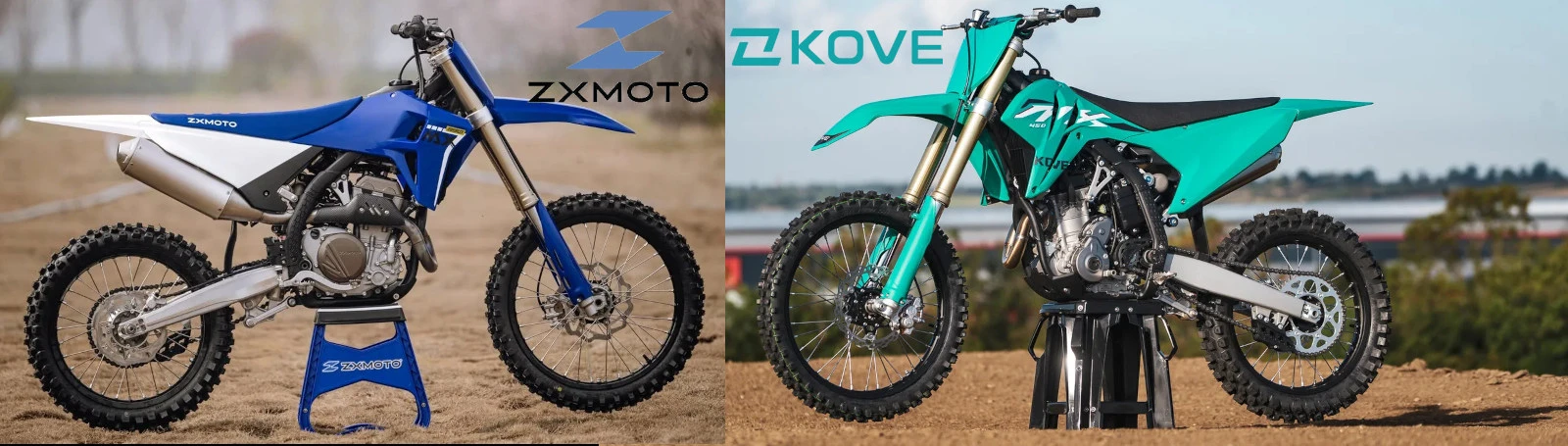
MXGP 2027: Kove and ZXMoto Join the Championship
-
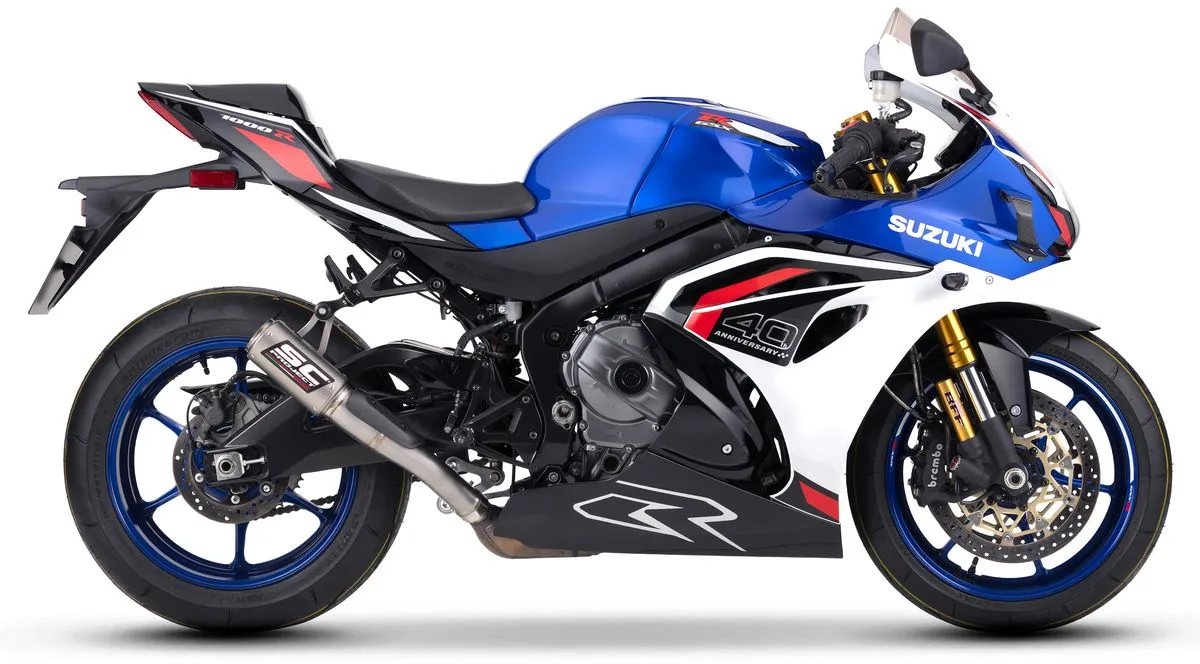
SC Project is working on the 2026 Suzuki GSX-R1000R.
-
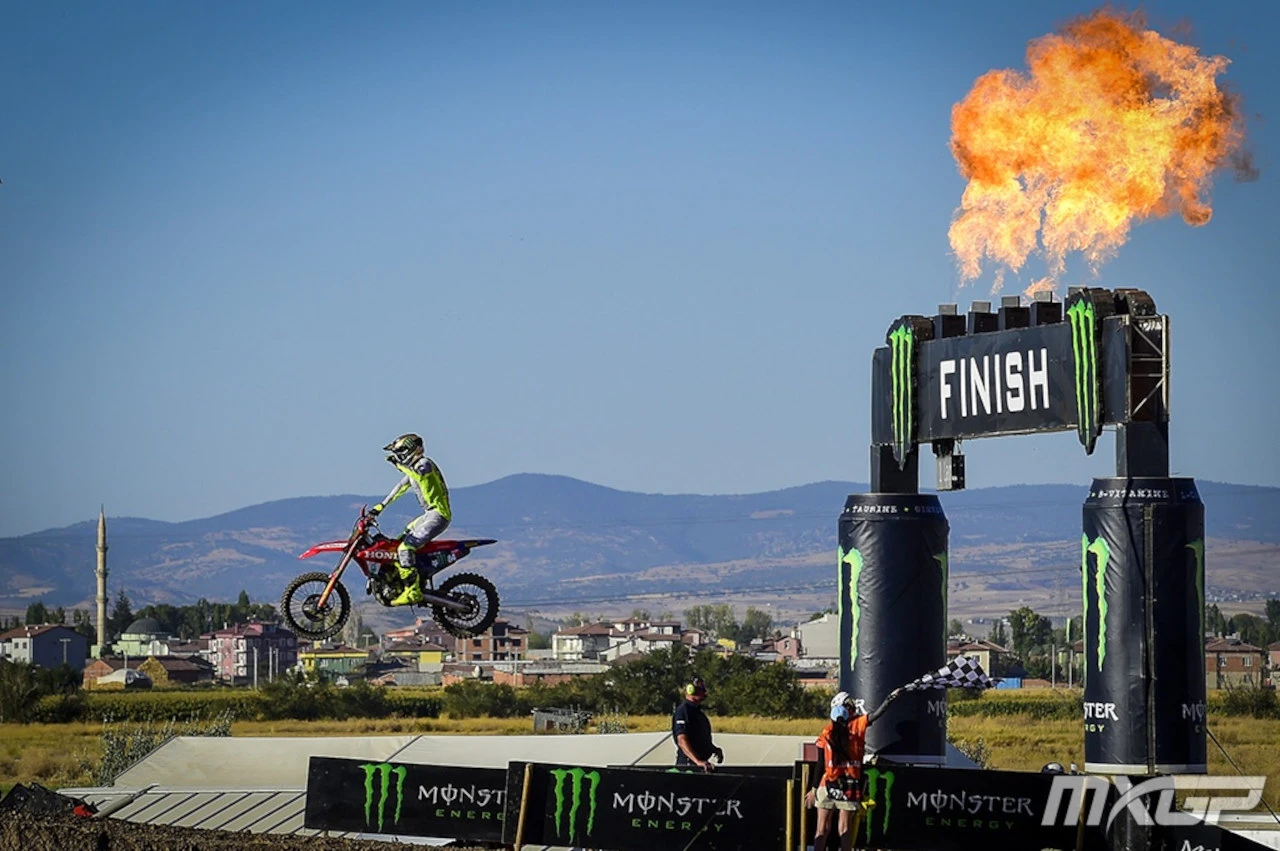
2026 MXGP of Turkey: Herlings Crowned World Champion!
-
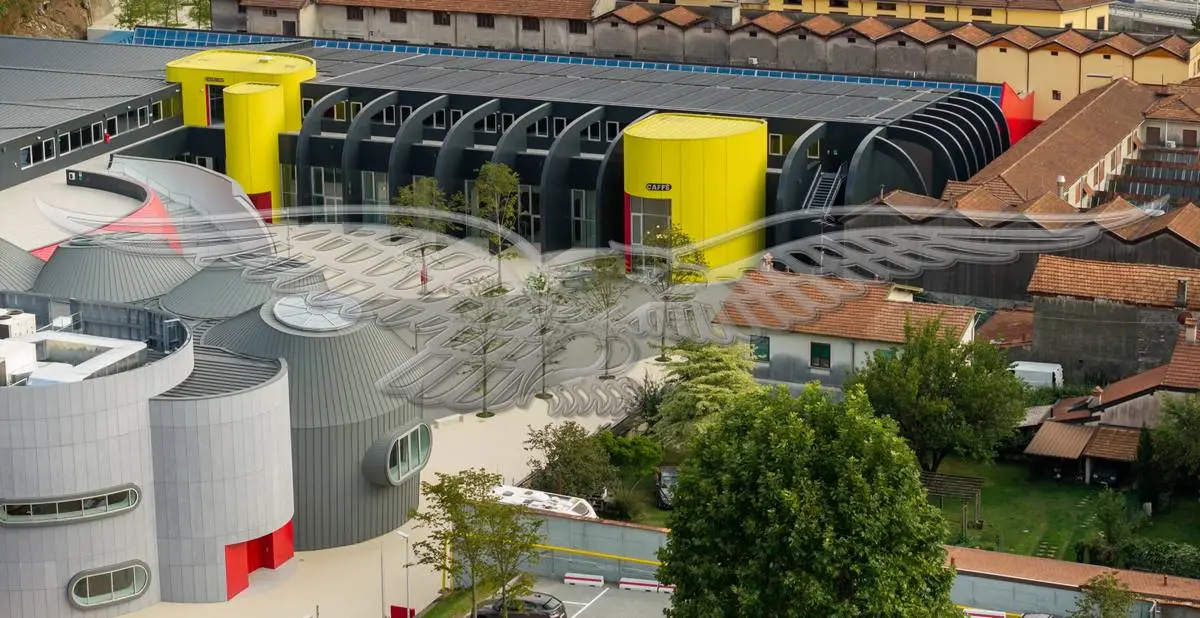
Moto Guzzi: In Mandello, the historic factory is taking on a new scale.
-
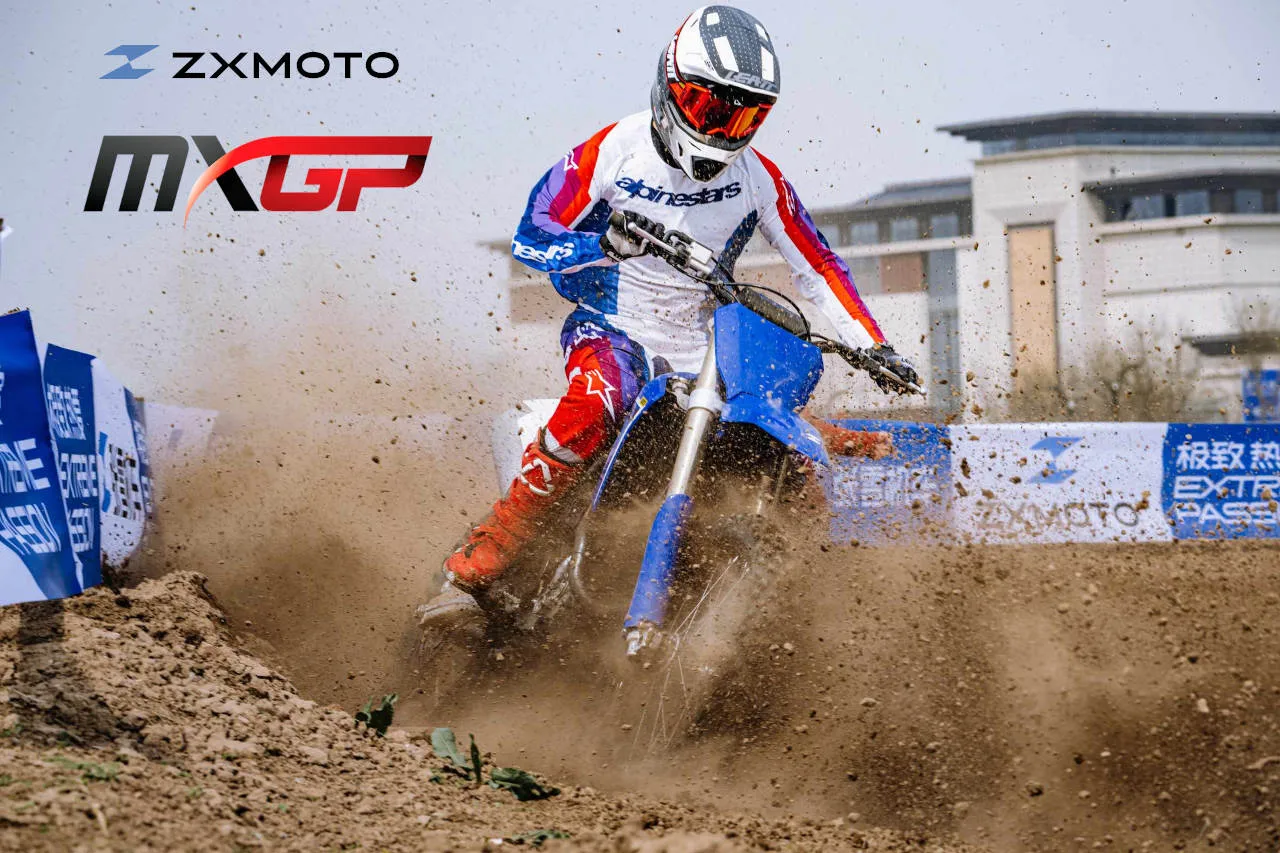
ZXMoto in MXGP 2027: The Hypothesis of an Off-Road Earthquake
-
The new motorcycle models of 2026 and the evolutions.

Bikers' reviews Leave a review - 2 reviews
Just a quick note on the fact that Alejandro De Tomaso was not Italian but Argentine (born July 10, 1928 in Buenos Aires, Argentina - died May 21, 2003 in Modena)
Greetings guzzists, Rating : 5/5 Respond to Piero le druide