

The ritual of the biker salute, whatever its form, is a tradition that has endured for decades for the majority of two-wheeled users. Let's take a look back at this phenomenon and explore its origins, its various manifestations, and its importance in the biker community.
The different biker greetings
The biker wave originated in the USA in 1904, thanks to Arthur Davidson and William Harley of Harley-Davidson. This gesture of recognition quickly became popular among bikers. In Europe, the spread of the salute is often attributed to British rider Barry Sheene, who raised his index and middle fingers in victory, giving rise to the famous “V”. Today, the V salute is still the most classic.
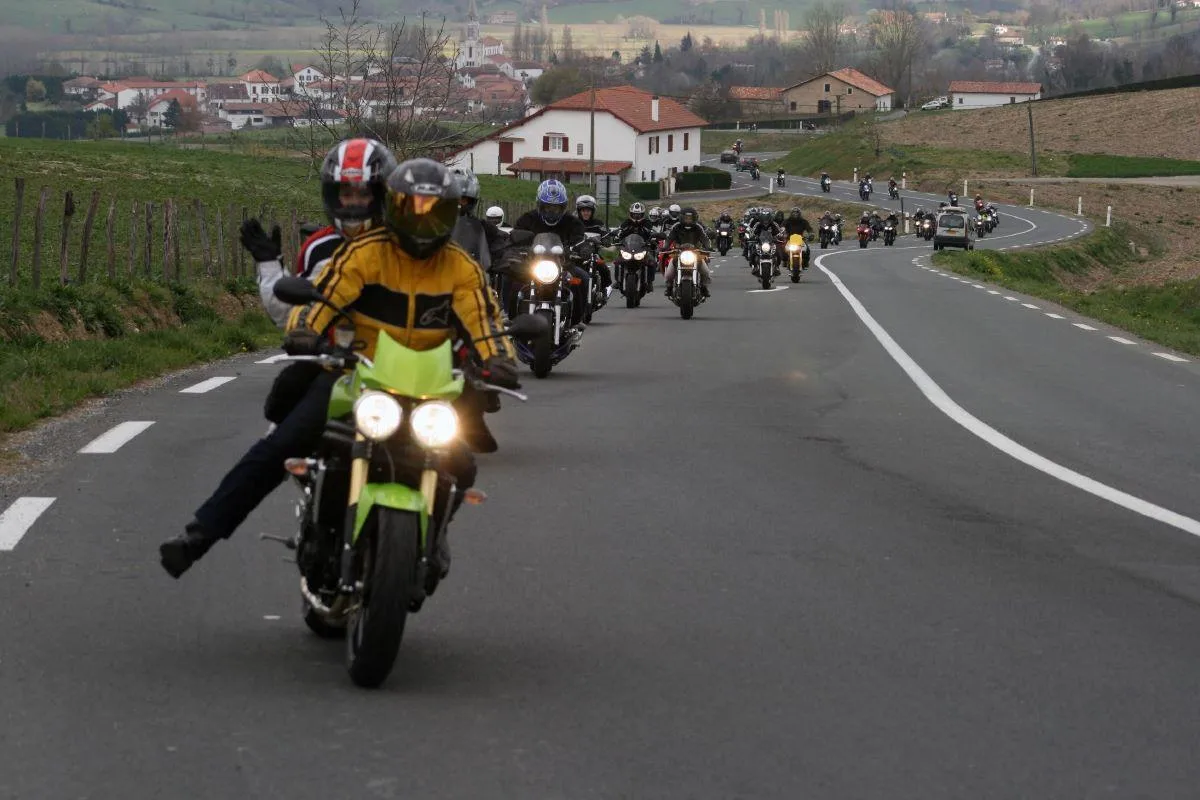
That said, there are also other forms of greeting between bikers, such as the headlight call, the hand or thumb raise, the leg extension, or a simple head movement. Don't worry, the choice of gesture varies according to the situation and local customs.
A ritual of brotherhood and safety!
At the heart of motorcycling culture, solidarity is due to the risks inherent in their mode of transport. Many clubs and groups cultivate this deep sense of friendship, uniting enthusiasts around their love of the open road. Motorcycling has the unique power to bring people together, to share joyous and difficult moments, and to provoke unforgettable encounters. What's more, belonging to the biker community is a real breath of fresh air for many: “With bikers, I can confide in them. Elsewhere, my boss yells at me, and my parents make fun of me or prove me wrong”, posts this Internet user on a dedicated forum, not without some exaggeration.
The spirit of camaraderie, in all circumstances?

This is the “V” of victory, achieved by J. Zarco at the end of the Suzuka 8 Hours.
For safety reasons, this is not always possible. In fact, the “V” salute is an invitation to keep both wheels on the road, underlining the importance of safety. It's even better to avoid waving during dangerous manoeuvres, such as cornering or braking. On the freeway, too, it's best to refrain. On the one hand, it's not very profitable, as the motorcyclist in front is less likely to see the sign, and on the other, it could be misinterpreted by a motorist.
It's also advisable to avoid waving in the rain or at night, when visibility is reduced. When riding in a group, waving may become unwise, as it would require you to let go of the handlebars frequently. Finally, it's important to note that some novice riders may be reluctant to wave for fear of letting go of the handlebars...
The biker salute, another source of tension?
In general, the greeting between bikers is reciprocal and is addressed to all motorcycles, including 125cc and even 50cc bikes. However, there are still differences of opinion between those who consider themselves true bikers and those who use their motorcycles for pleasure and their cars for daily commuting. So, in the event that the greeting isn't returned, given the circumstances, don't take it personally. Instead, let's keep the good suspicion... The biker salute is above all an act of kindness, which is rare in everyday life. Whether you're a seasoned biker or a newcomer, this gesture of camaraderie is an integral part of the experience!
 Share
Share
 helmet
 Gloves
 jacket
 braking
 Chain kit
 Oils
Oils Find an intercom
 Parts
Parts Luggage
 Tires
Tires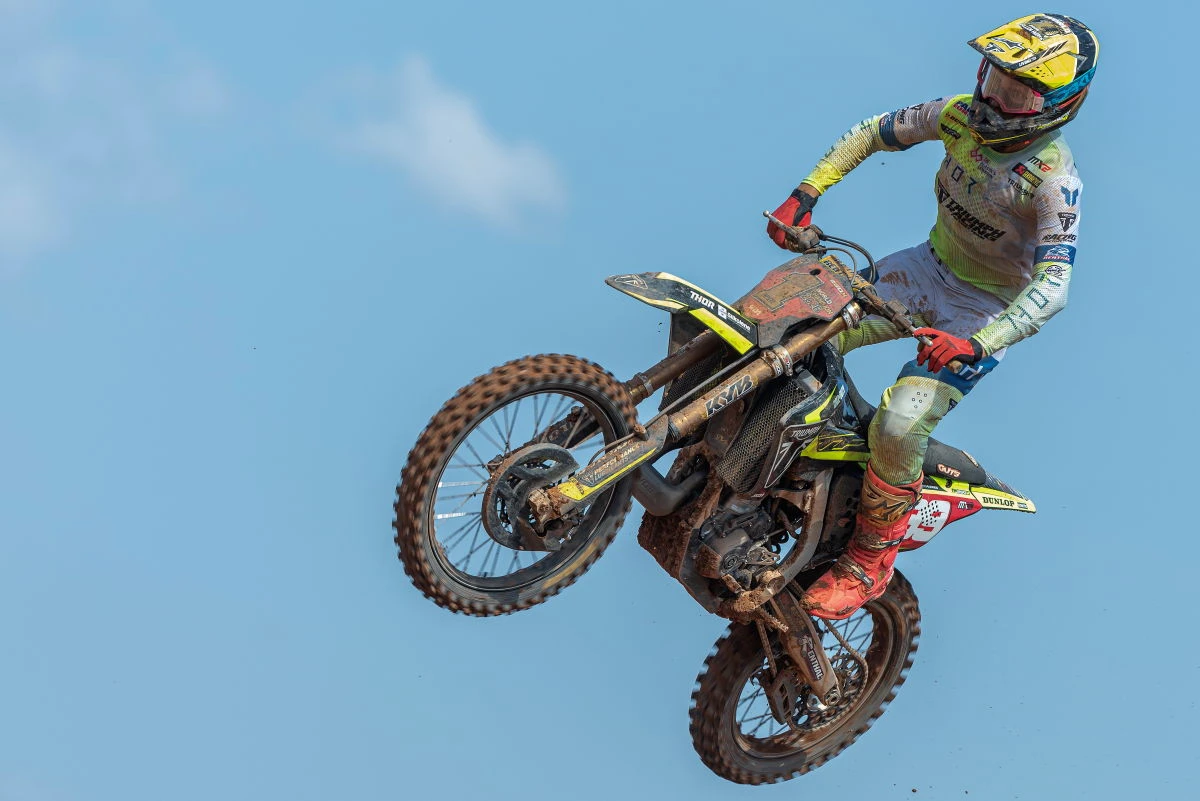

Bikers' reviews
In other words, and to put it (very) simply, everything that is not forbidden is authorized. There is no text that expressly forbids flashing your headlights... Consequently, flashing your headlights to signal a speed check or the presence of the police is perfectly legal Rating : 5/5 Respond to Treillis
But also, 2 fingers tapping on the opposite shoulder: I'm not saying anything, but they're highly qualified. Foot extended upwards, to thank the cashier who has mirrors AND uses them. It's about time EVERYONE on the tarmac was trained in these basic safety gestures... Rating : 3/5 Respond to Gagus
Une plaie !