

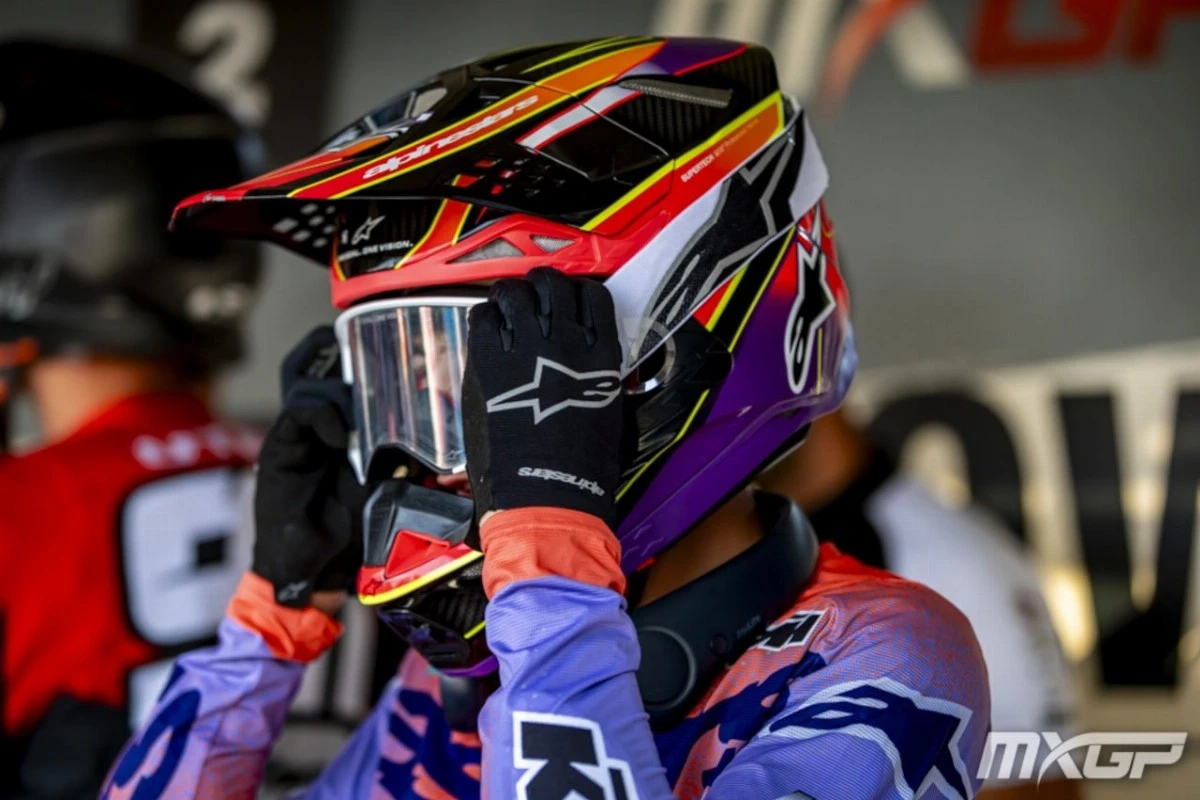
A motocross helmet is the only piece of equipment that can turn a serious accident into a minor one. On a motocross track, falls are a normal part of riding, not an exception. A well-chosen motocross helmet absorbs the energy of an impact, protects the face from flying debris, and helps you stay alert during the ride. A poorly chosen, ill-fitting, or low-quality helmet does none of these things.
Knowing how to choose a motocross helmet requires understanding several objective criteria: safety standards, size, weight, ventilation, goggle or visor compatibility, specific features for men, women, and children, budget, and finally, where to shop smartly. This article reviews each of these criteria so that your next purchase is the right one.
Why the helmet is the number one piece of motocross gear
In motocross, riders face a multitude of head-related risks: jumps, sometimes botched landings, rocks kicked up by the rear wheel of the rider ahead, and contact with the bike during falls. Accident studies in motorsports are clear: the helmet is the piece of equipment that statistically makes the difference between a cut-short day and a hospital stay.
Unlike a road motorcycle helmet, a motocross helmet must meet specific requirements. First, ventilation, because a rider during a twenty-minute motocross session is in the red zone of cardiovascular exertion almost continuously. Next, compatibility with a goggle or glasses, which replace the closed visor of road helmets. Finally, the extended chin guard, which protects against direct impacts and allows air to flow for breathing during intense exertion. Choosing a motocross helmet therefore means meeting these three requirements simultaneously.
Using a road helmet for motocross is technically possible on private property, but it is not recommended for safety or physical reasons. Each discipline has its own helmet, and mixing the two is asking for trouble for no good reason.
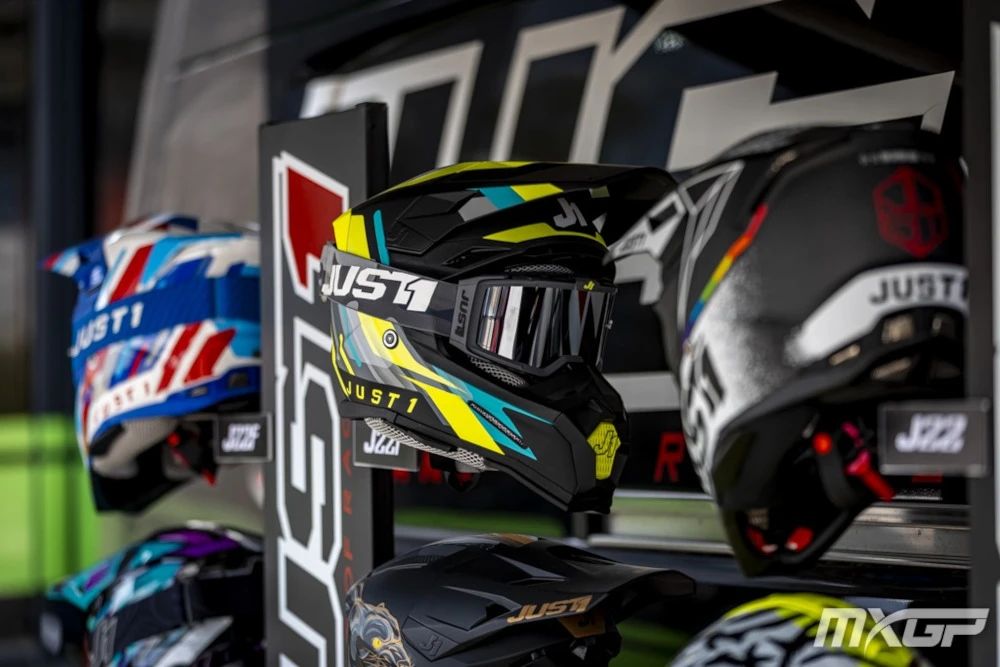
The ECE 22.06 standard: check for certification first
Only ECE 22.06-certified helmets are now authorized for sale in Europe. This standard replaces the former ECE 22.05 and imposes stricter tests: higher impact speeds, impacts from multiple angles, and verification of impact resistance at low speeds. This last point is crucial in motocross, as it is precisely during repeated minor falls that the helmet’s structure is put to the test.
To verify certification, check the label sewn onto the chin strap or inside the helmet. The ECE 22.06 designation must be explicitly stated there, along with a certification number beginning with the letter E followed by a digit indicating the country of certification. A helmet sold new in France without this marking is either a non-compliant product or a counterfeit. In either case, it should be avoided at all costs.
On the secondhand market, the issue is different. A helmet may meet standards but have already sustained an impact that is not visible from the outside. Its expanded polystyrene structure is then compromised, even if the shell appears intact. Simple rule: never buy a secondhand helmet if you don’t personally know the history of the previous rider.
To find a helmet that is truly ECE 22.06 certified, in a size and fit suited to your head shape, your best bet is to go through a specialized motocross retailer who knows their products. Choosing a quality motocross helmet means comparing several leading brands, various price ranges, and having access to sizes available in stock. A specialized retailer offers this comprehensive perspective that general marketplaces cannot provide.
Choosing the Right Helmet Size
A motocross helmet that’s too big doesn’t provide protection. During an impact, it rotates on your head and the energy isn’t properly absorbed by the internal structure. A helmet that’s too small, on the other hand, becomes unbearable after twenty minutes of riding and often ends up being worn incorrectly, poorly secured, or even removed during the session. Choosing the right size for your motocross helmet comes down to the millimeter.
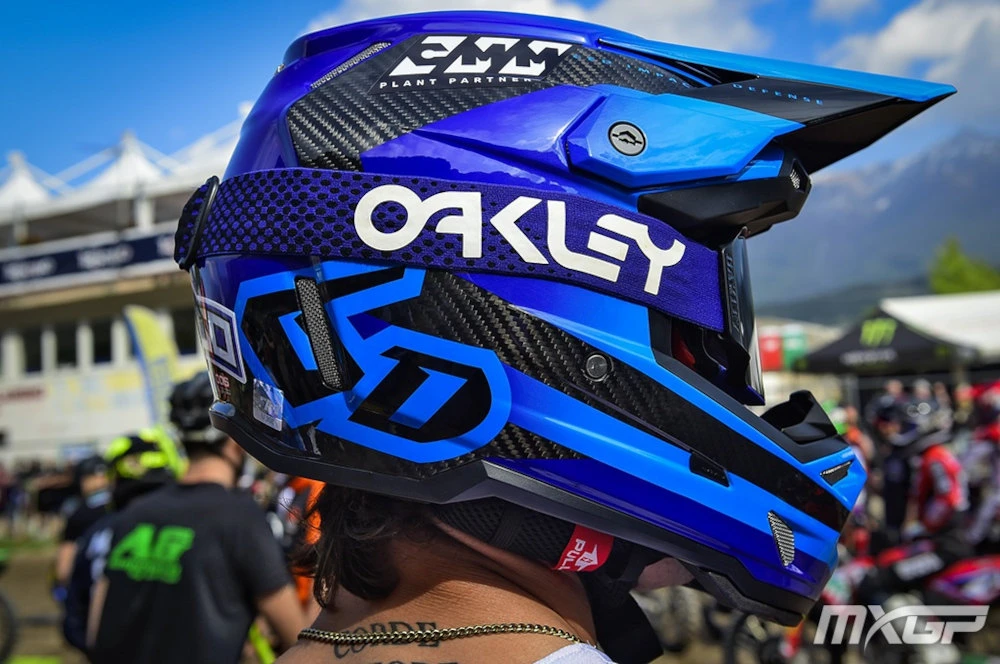
Measure your head circumference before choosing a helmet
Take a flexible measuring tape and wrap it horizontally around your forehead, two centimeters above your eyebrows, at the widest point of your head. Take the measurement several times to confirm. Compare the number you get to the size chart of the brand you’re considering. Be careful: every manufacturer has its own cuts and sizing, so an M from Fox doesn’t necessarily correspond to an M from Shoei or Kini.
Test the fit when trying it on
When trying it on, the helmet should apply firm, even pressure around the entire circumference of your head, with no hard spots. Run your fingers between the padding and your forehead; you shouldn’t be able to slide more than a fingernail’s width in. Then shake your head vigorously from side to side and up and down; the helmet shouldn’t move independently, and the skin on your forehead should follow the shell’s movement.
If the helmet rotates around your head, it is too large. If you feel a specific pressure point after five minutes of trying it on, it will not be comfortable over time either. A good helmet is physically unnoticeable.
Weight, ventilation, and MIPS technology
Once the size is confirmed, three technical criteria distinguish an average motocross helmet from a truly well-designed model: weight, ventilation quality, and the presence or absence of a MIPS system.
Weight, an underestimated factor
A modern motocross helmet weighs between 1,100 and 1,500 grams. Below 1,200 grams, you’re looking at high-end carbon models, which are comfortable during long sessions and less tiring on the neck. Above 1,500 grams, the helmet starts to feel heavy after twenty minutes and can even cause neck strain. Over a full day of riding, a 200-gram difference between two helmets is very noticeable.
Ventilation
A good motocross helmet has at least four front air intakes and two rear vents. The more intakes there are and the better they’re positioned, the better the air circulates inside the shell during riding. Some models offer additional chin vents, which are particularly useful in the summer. You can only really tell how well a helmet ventilates while riding, not just by looking at it in the store: if a helmet makes you overheat on your very first ride, it’ll make you overheat every time you ride.
MIPS technology
MIPS stands for Multi-directional Impact Protection System. In practical terms, it’s a thin inner layer that allows the helmet to rotate a few millimeters on the head during an oblique impact. Oblique impacts are the most dangerous for the brain, far more so than direct frontal impacts. A MIPS helmet reduces the transmission of rotational forces to the brain, thereby lowering the risk of concussion and head trauma.
This technology adds approximately 30 to 80 euros to the helmet’s price, depending on the brand. It offers one of the best value-for-protection ratios available on the market today.
Motocross Helmets for Men, Women, and Children: Specific Features
Needs vary depending on the rider’s profile. A few specific rules apply to each category.
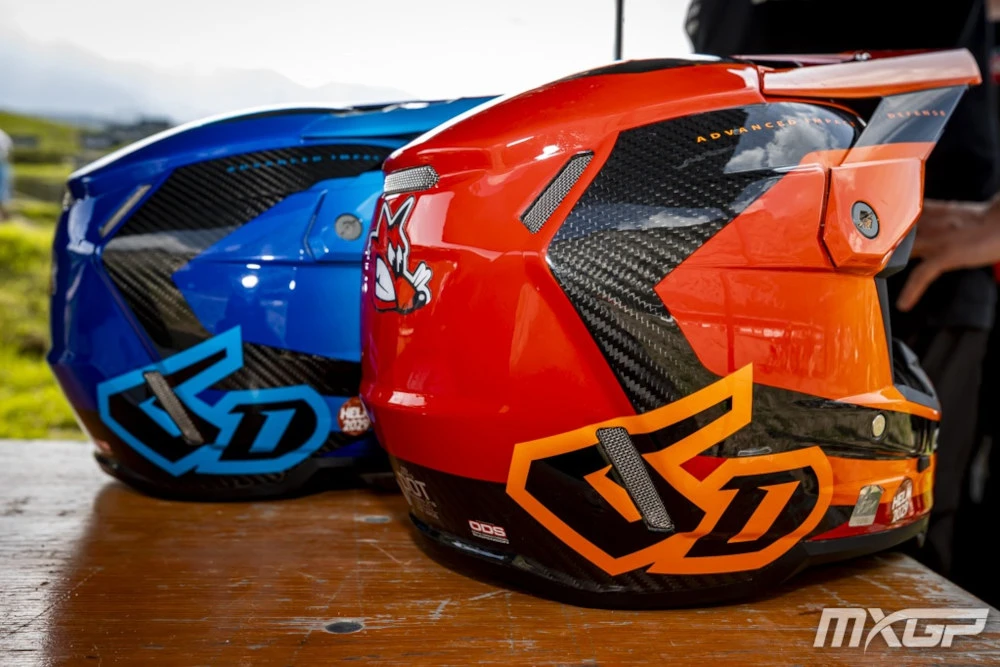
Men’s motocross helmets
Most lines are designed by default for men’s head shapes, with sizes ranging from S to XXXL. Riders with an oval head (longer than round) generally fare better with Italian brands like Airoh or Shoei, while riders with a rounder head should look toward American brands like Fox or Bell. Trying the helmet on in a store remains the most reliable method.
Women's motocross helmets
Several brands now offer cuts tailored to women’s head shapes, featuring thinner inner padding around the cheeks and specific color schemes. Fox Racing, Thor, and FLY Racing, in particular, carry full lines. Note that choosing a men’s model in a small size is not equivalent to a women’s model in the same size—the cuts are genuinely different.
Children's motocross helmet
Children’s helmets follow the same certification standards as adult helmets. Two points are specific. First, the size, which must fit perfectly and, above all, should not be oversized under the pretext that the child will grow—a helmet that is too large does not provide protection. Second, the weight, which must remain very light to avoid straining the child’s neck, which is more fragile than an adult’s. Opt for models specifically designed for children, not scaled-down versions of adult helmets.
A child’s helmet must be replaced with each growth spurt, even if there is no visible wear. Never buy a used helmet for a young rider; the helmet’s history is too difficult to verify.
Helmet with visor, goggles, or glasses: which setup?
Unlike road helmets, motocross helmets do not come with a built-in visor. The rider must wear goggles or glasses separately. This setup is not a flaw; it is a technical choice: it provides superior ventilation and a wider field of vision, two essential criteria for off-road riding.
The motocross goggles
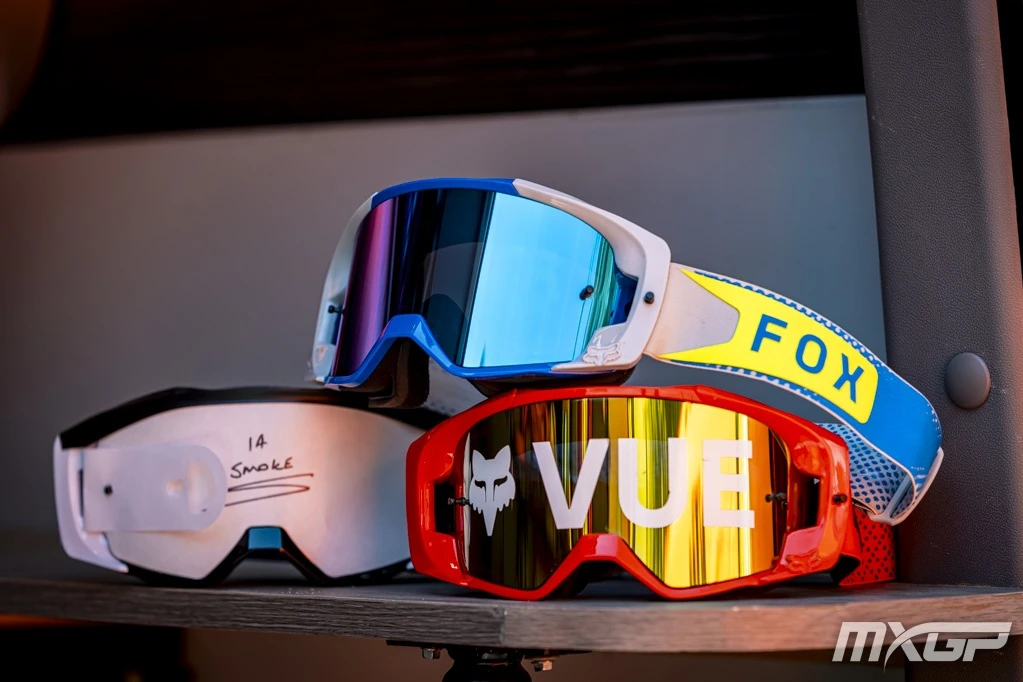
Goggles are the standard setup in motocross. They consist of a clear or tinted lens mounted on a foam frame, held in place by an elastic strap that goes around the helmet. They protect the eyes from debris, dust, and wind. Prioritize models with an anti-fog lens and a tear-off system if you ride regularly in wet or muddy conditions.
Helmet-Goggle Compatibility
Not all helmets and goggles are compatible with each other. The cutout of the helmet visor must match the shape of the goggle frame, otherwise you’ll have gaps at the top or sides. At a specialty store, you can test several combinations before buying, which helps avoid unpleasant surprises.
The sun visor
The rigid visor located on top of the helmet (sun visor) is mainly used to block the sun at the end of a session and to protect against debris coming from above. It is not intended to replace the goggles. Opt for an adjustable and replaceable visor, as it is a part that breaks easily during falls.
Budget: How Much to Spend on a Motocross Helmet
The price of a motocross helmet ranges from under 100 euros for entry-level models to over 800 euros for carbon competition models. Here are realistic price ranges based on your skill level.
- From 80 to 150 euros: entry-level, suitable for very occasional use or a first season, with compromises on weight and ventilation
- From 200 to 350 euros: serious mid-range, often includes MIPS technology, decent ventilation, the best choice for a regular rider
- €400 to €600: high-end, often carbon or hybrid shell, reduced weight, optimized ventilation
- Over 600 euros: competition models, reserved for experienced riders seeking the best protection available
A cheap motocross helmet isn’t necessarily a bad helmet, as long as it’s ECE 22.06 certified and comes from a recognized brand. On the other hand, a no-name helmet for 50 euros on an unknown marketplace should be avoided, as the actual quality of the protection is unverifiable. Simple rule: don’t go below 120 euros for a new helmet, and always choose established motocross brands.
A helmet should be replaced approximately every five years from its date of manufacture, even if it hasn’t been in an accident. The inner foam and internal structure degrade over time due to sweat and wear and tear. The return on investment is therefore calculated over this period.
Where to buy a motocross helmet
When purchasing a helmet—a technical and size-specific item—buying from a specialized motocross retailer makes all the difference compared to a large general retailer. The depth of the product catalog, the availability of sizes in stock, and the level of expert advice are in a league of their own.
FX Motors is one of the French retailers specializing in motocross, enduro, and off-road gear. Based in Saint-Martin-de-Crau in the Bouches-du-Rhône region, the company operates a physical store and a nationwide online shop, with a focus exclusively on off-road gear.
In the helmet segment, FX Motors carries the leading motocross brands: Fox Racing, Alpinestars, 100%, Kini Red Bull, Bell, Airoh, Shot, Shoei, Troy Lee Designs, as well as dedicated children’s lines. The team, made up of active riders, can advise on helmet-goggle compatibility, differences in fit between brands, or the models best suited to a given budget.
Summary: Things to Check Before Buying
Before finalizing your purchase, always check the following points:
- ECE 22.06 certification explicitly stated on the label
- Size confirmed by trying it on or taking an accurate head circumference measurement
- Weight under 1,500 grams for comfortable use
- At least four front air intakes and two rear vents
- MIPS technology or equivalent for protection against oblique impacts
- Compatibility verified with the goggles you plan to use
- A well-known motocross brand, not a product with no track record
- Clear return policy in case of the wrong size
Choosing a good motocross helmet is an investment that pays for itself over several seasons and directly impacts your safety on every ride. To make the right choice, take the time to compare options, rely on a retailer who truly understands the sport, and never compromise on safety for the sake of budget or aesthetics. Your head is worth more than a few euros saved.
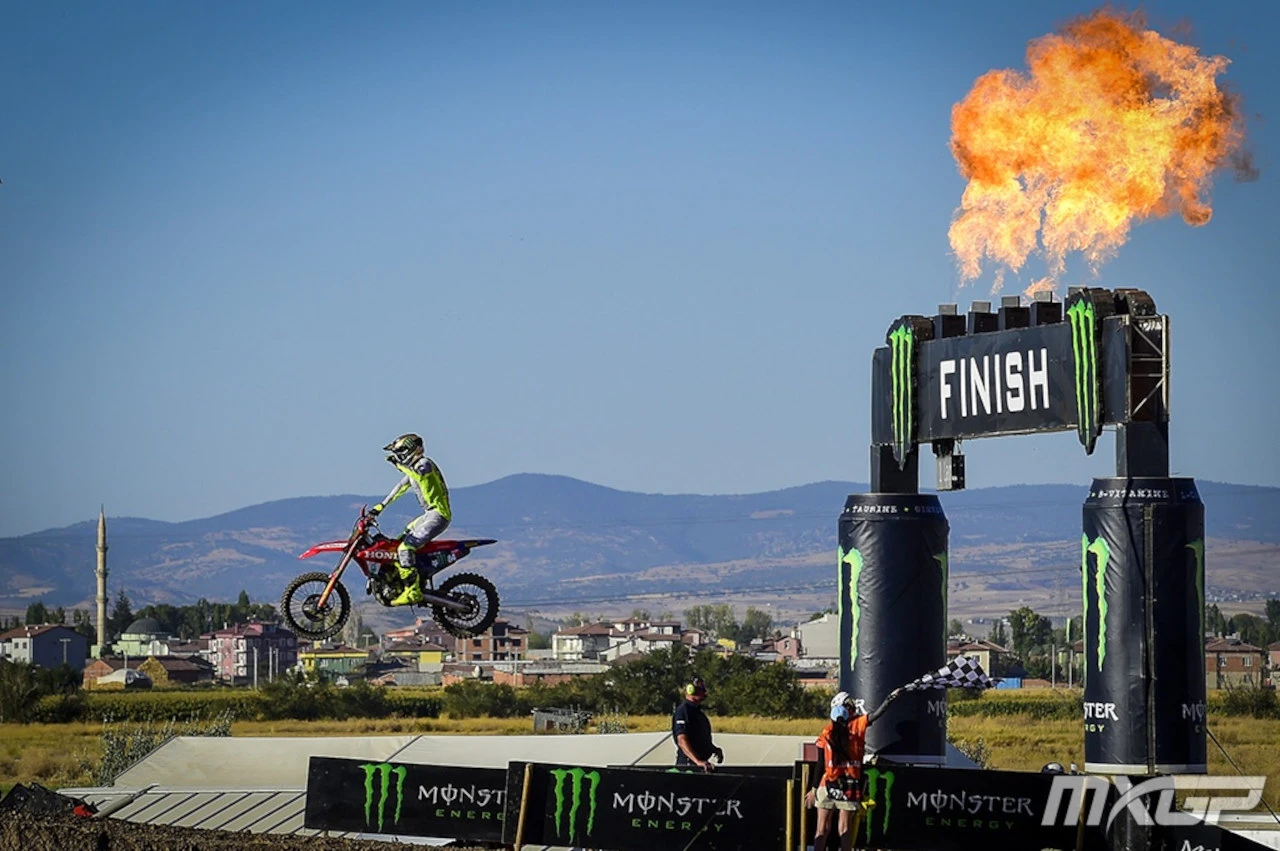
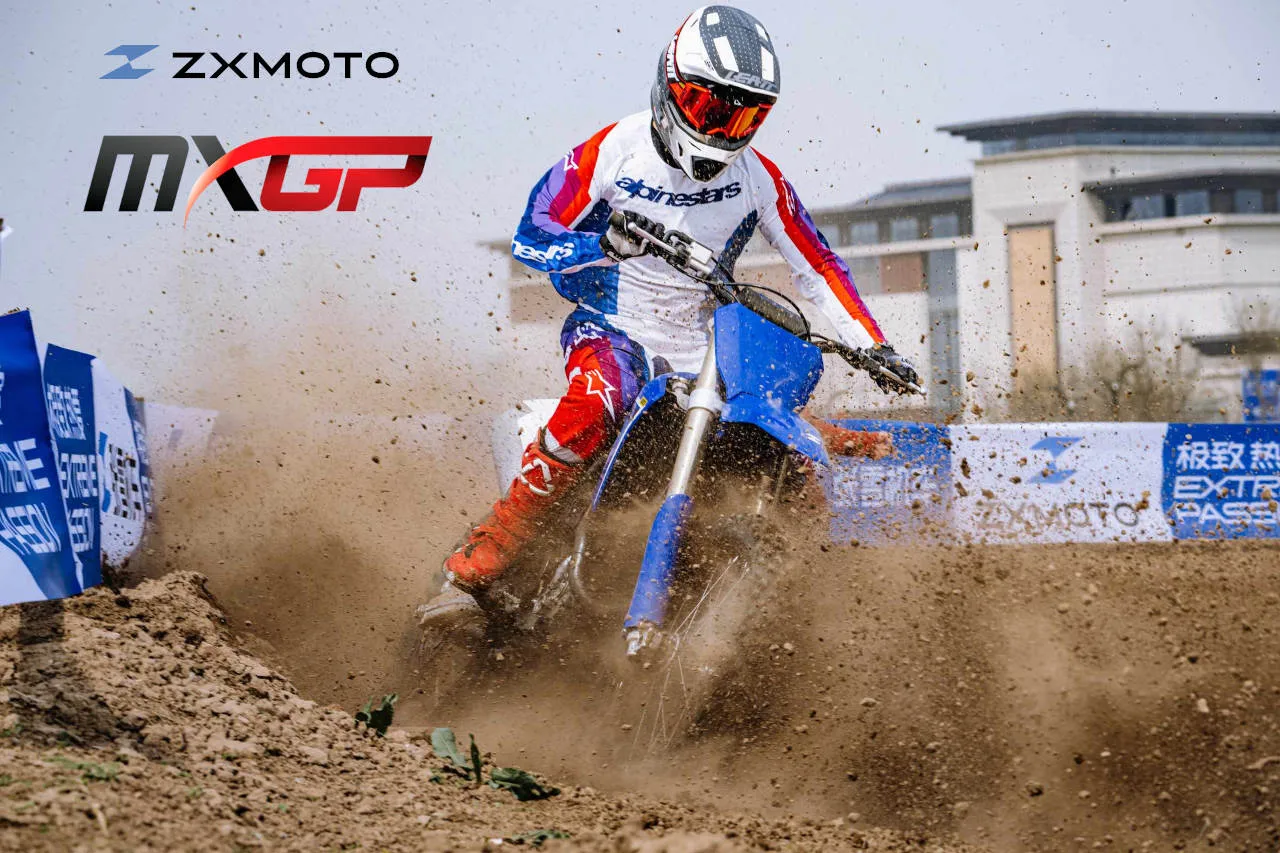
Photo credit: mxgp.com

 Share
Share
 helmet
 Gloves
 jacket
 braking
 Chain kit
 Oils
Oils Find an intercom
 Parts
Parts Luggage
 Tires
Tires

 Question of the day
Bikers' reviews