
Motorcycle specifications Royal-Enfield Bullet 350 Diesel (Taurus) 1993 Tractor engine


presentation of the Bullet 350 Diesel (Taurus) 1993
Born out of a need for economic mobility in India and some ingenious DIY ingenuity, this motorcycle never sought to impress with speed or sophistication. It made history as the world’s only mass-produced diesel motorcycle—a true legend of utility, endurance, and an… inimitable sound.
A Solution to the Economic Crisis
The history of the Royal Enfield Bullet Diesel is intrinsically linked to the socio-economic context of India in the 1980s and 1990s. At that time, gasoline prices were high, and fuel efficiency was a major concern for the working class and small business owners. Motorcycles, like the Bullet, were often used to transport goods and people over long distances.
It was in this context that the idea of a diesel-powered motorcycle took root. Initially, this was not an initiative by Royal-Enfield itself, but an ingenious adaptation by street mechanics. These craftsmen would source stationary diesel engines—often intended for generators or water pumps—and mount them onto the frames of used Royal Enfield Bullets. The combination seemed odd, but it was extremely fuel-efficient.
Faced with the success of these DIY conversions, Royal-Enfield India, which was struggling financially, saw a unique opportunity. The brand, with its reputation for ruggedness and timeless design, was the perfect platform for such a project. And so the world’s first and only mass-produced diesel motorcycle was born.
An engine built for the job
The engine that powered the Bullet Diesel—renamed the Taurus for marketing purposes—was a single-cylinder direct-injection engine, originally designed for industrial applications.
It was a 325 cc engine (later 436 cc on subsequent models) manufactured by Indian companies, based on Italian Lombardini or Greaves engines. It wasn’t a motorcycle engine, and it showed. The power output was negligible compared to the gasoline version: about 6.5 horsepower at 3,600 rpm for the 325 cc, and just over 8 horsepower for the 436 cc.
Torque was available very early on but was very weak. About 1.5 mkg—barely better than a 125. With a claimed fuel consumption of 1.5 to 2 liters per 100 km, the motorcycle offered a phenomenal range of over 1,000 km on a full tank. A compelling argument at a time when diesel cost half as much as gasoline in India.
The sound of the Bullet Diesel was unique. Far from the melodious “thump” of its gasoline counterpart, it was a sharp clatter, a farm machinery-like noise that made it instantly recognizable. The vibrations, which were very intense, were legendary. They coursed through the frame and the rider, and it’s said they could loosen bolts and even cause cracks in the fuel tank if maintenance wasn’t rigorous.
Simple, rugged, and... functional
Aesthetically, the Taurus was identical to the Bullet, with the exception of the engine, which left no doubt as to its nature. The square crankcase, topped by a cooling grille, stood in stark contrast to the Bullet’s classic and elegant silhouette.
The bike retained the Bullet’s iconic chassis—a single-cradle steel frame—and its four-speed transmission. The gear selector, positioned to the right of the rider’s foot, was a unique feature that took some getting used to.
Starting the bike, often a source of pride for Bullet owners, was done with a kickstarter. With very high compression, the kick had to be firm and precise to get the engine running. Performance was modest, if not anemic. Top speed hovered around 80–90 km/h, and acceleration was… much like the engine itself.
A Fleeting Phenomenon
The Royal Enfield Taurus went into mass production in 1993. However, its run was relatively short. Production was halted in 2000, primarily due to the introduction of new emissions standards in India. The direct-injection diesel engine, although fuel-efficient, was a significant source of particulate matter and smoke, making it incompatible with the emerging legislation.
M.Bi - Images D.R.
by Greg

Greg is the founder of Motoplanete—a website created in 2001 to share his passion with his friends and showcase as many motorcycle models as possible to his readers. Self-taught and a jack-of-all-trades, his discovery of the world of motorcycles led him to work as a photographer, rider, team manager, web developer, graphic designer, editorial assistant, and editor-in-chief.
 Share
Share
Key facts Royal-Enfield Bullet 350 Diesel (Taurus) (1993) : What you need to know before you buy
Model sold in 1993
Performance
- Max speed : approximately 90 km/h (55.90 mph)
- Average fuel consumption : 1.40 liters/100km (1.68 mpg)
-
Estimated range
: 929 km (577 miles)
Calculated range until tank is empty, not verified.
Specifications Royal-Enfield Bullet 350 Diesel (Taurus) 1993
- Chassis
- Two-seater saddle
- Frame : steel tubular cradle
- Fuel capacity : 13 liters (3.43 US gallons)
- Length : 2,120 mm (83.46 in)
- Width : 750 mm (29.53 in)
- Min height : 1,080 mm (42.52 in)
-
Min. ground clearance : 170 mm (6.69 in)
- Wheelbase : 1,372 mm (54.02 in)
- Dry weight : 196 kg (432 lb)
- Front axle
- Telescopic fork Ø n/a
- drum brakes Ø 178 mm (7.01 in)
- Front tire : 90 / 90 - 19 → Order this type of tire
- Transmission
- 4 stage gearbox , manual
- Secondary by chain
- Rear axle
- 2 side shock absorbers
- drum brakes Ø 153 mm (6.02 in)
- Rear tire : 110 / 80 - 19 → Order this type of tire
- Motor
- single-cylinder , 4 strokes
- Injection
- Cooling system : by air
- 2 valves
- 325 cc
- 6.50 ch (6.40 hp) to 3,600 rpm
- 1.48 mkg to 3,500 rpm
- Power-to-weight ratio : 30.63 kg/ch
- Weight / torque ratio : 132.43 kg/mkg
- Starting system : kick
- Fuel : diesel
- Practical information
- Country of manufacture : India
Essentials



 Motoblouz
 LaBécanerie



Models
1993
Used
Compare the Bullet 350 Diesel (Taurus) to its competitors
FAQ Your frequently asked questions about the Bullet 350 Diesel (Taurus) 1993
- What is the power of the Bullet 350 Diesel (Taurus)?
-
The Bullet 350 Diesel (Taurus) 1993 develops a power of 6.50 ch (6.40 hp)
- What is the torque of the Bullet 350 Diesel (Taurus)?
-
The maximum torque of the Bullet 350 Diesel (Taurus) 1993 is 1.48 mkg to 3,500 rpm.
- What is the maximum speed of the Bullet 350 Diesel (Taurus)?
-
The Bullet 350 Diesel (Taurus) 1993 is capable of reaching a top speed of approximately 90 km/h (55.90 mph) on the track.
- What is the weight of the Bullet 350 Diesel (Taurus)?
-
The Bullet 350 Diesel (Taurus) 1993 has a a dry weight of 196 kg (432 lb).
- What is the fuel consumption of the Bullet 350 Diesel (Taurus)?
-
Average fuel consumption is estimated at 1.40 l/100km (1.68 mpg) according to the WMTC cycle.
News
-
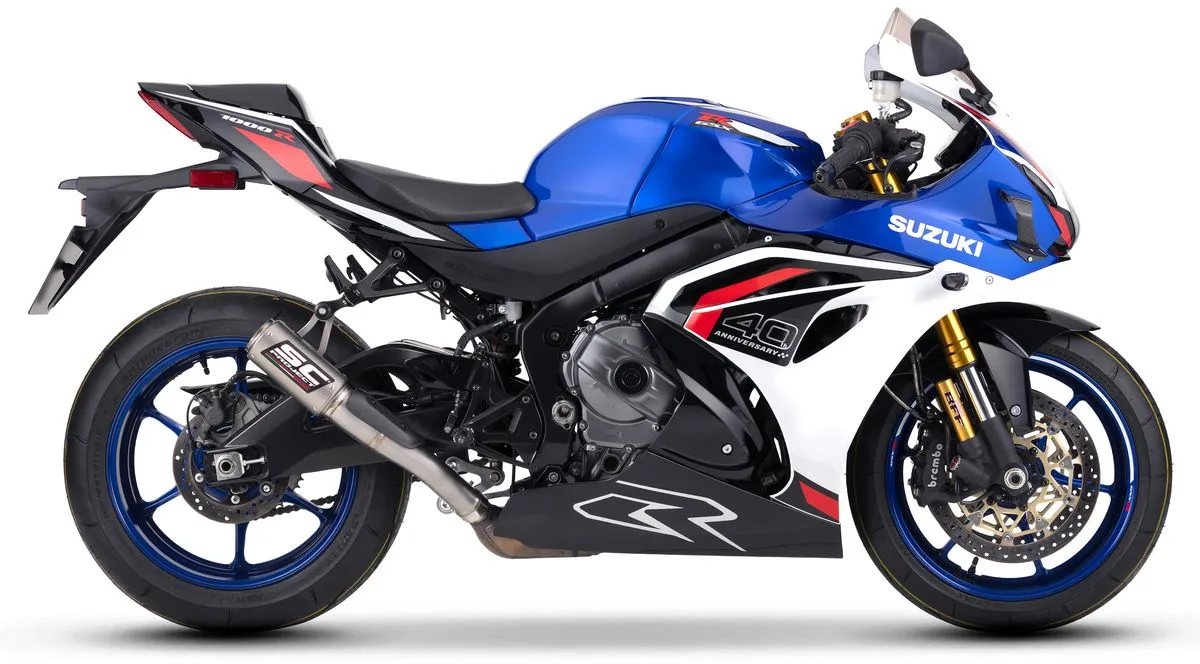
SC Project is working on the 2026 Suzuki GSX-R1000R.
-
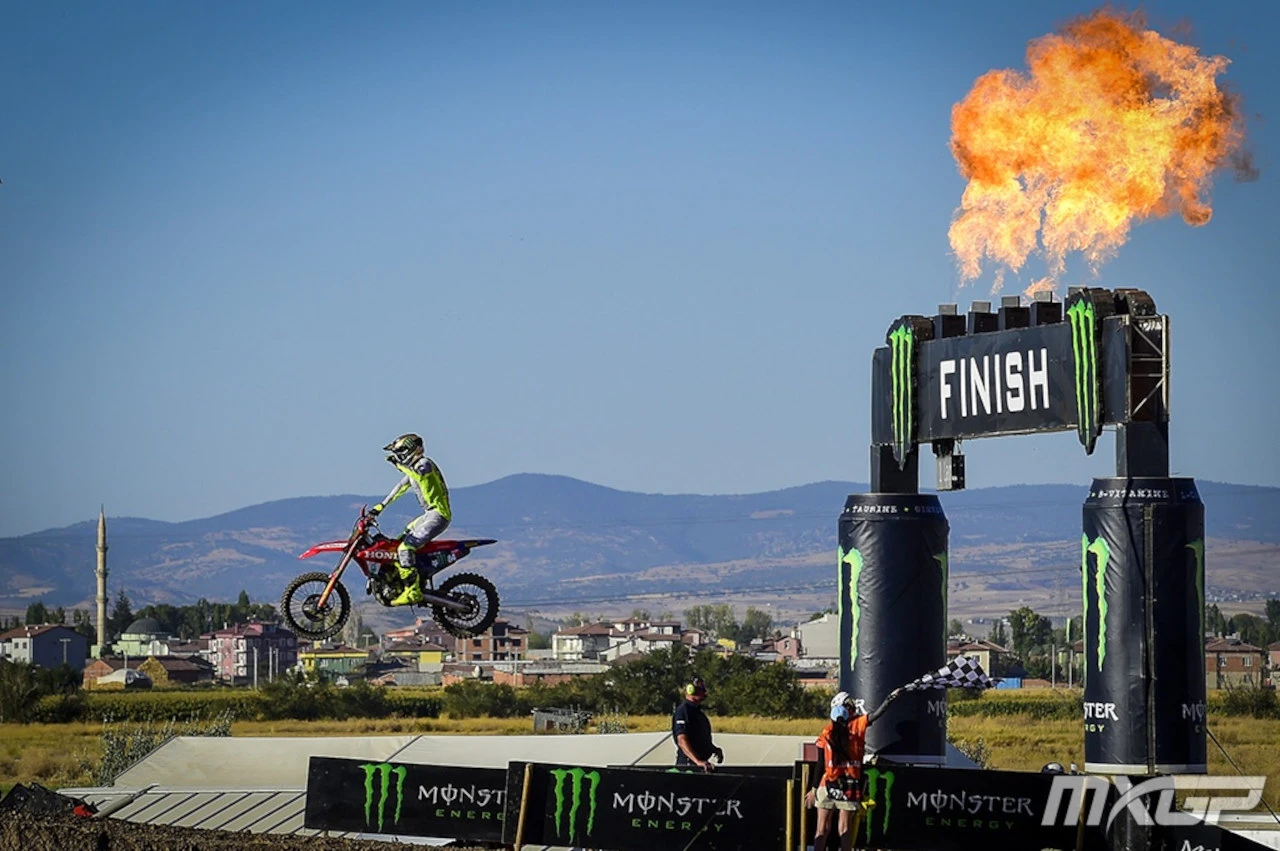
2026 MXGP of Turkey: Herlings Crowned World Champion!
-
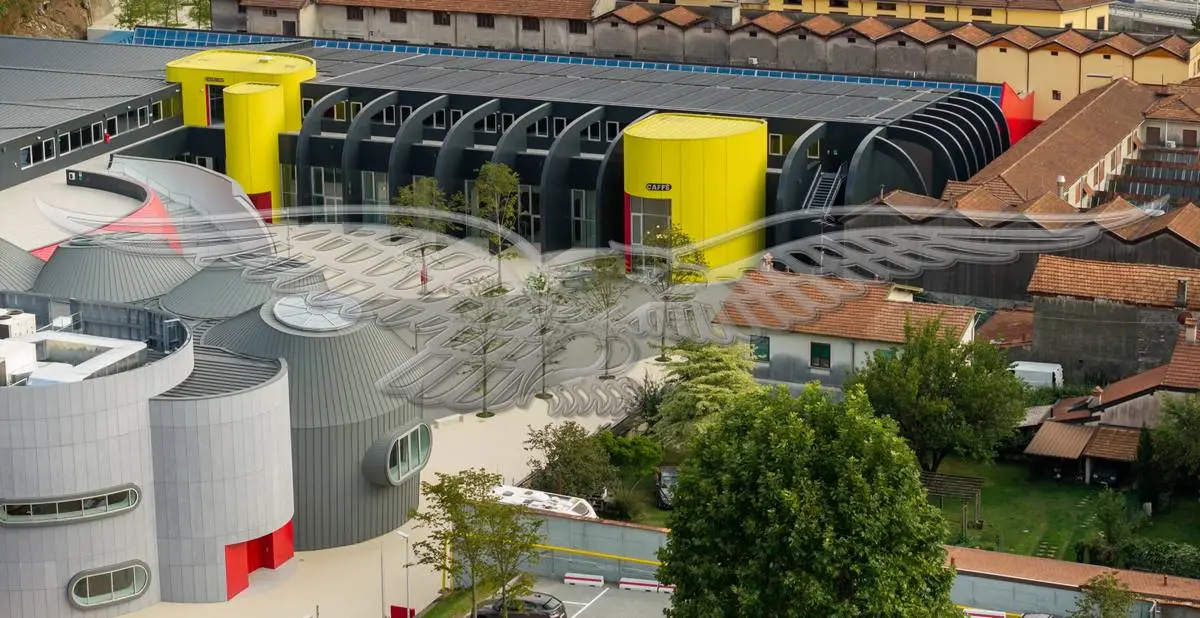
Moto Guzzi: In Mandello, the historic factory is taking on a new scale.
-
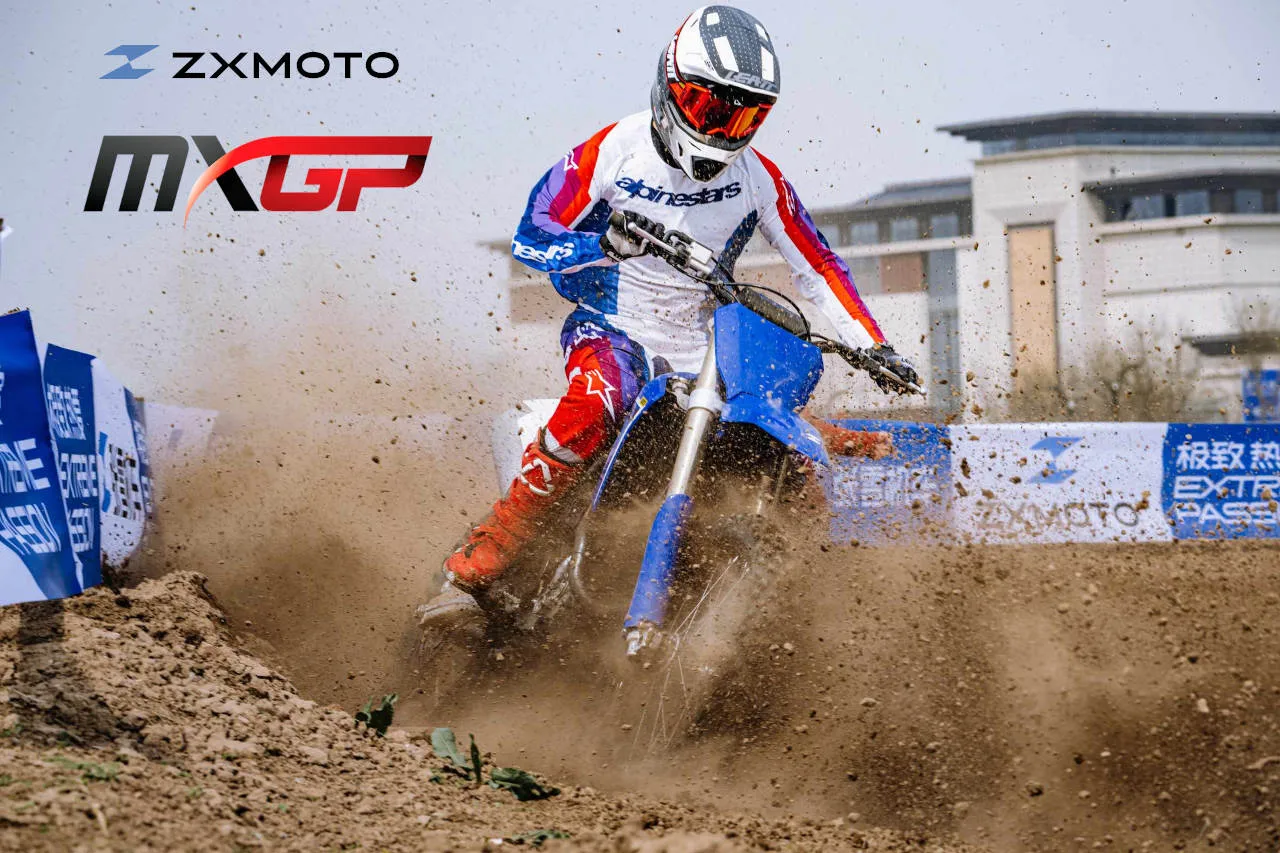
ZXMoto in MXGP 2027: The Hypothesis of an Off-Road Earthquake
-
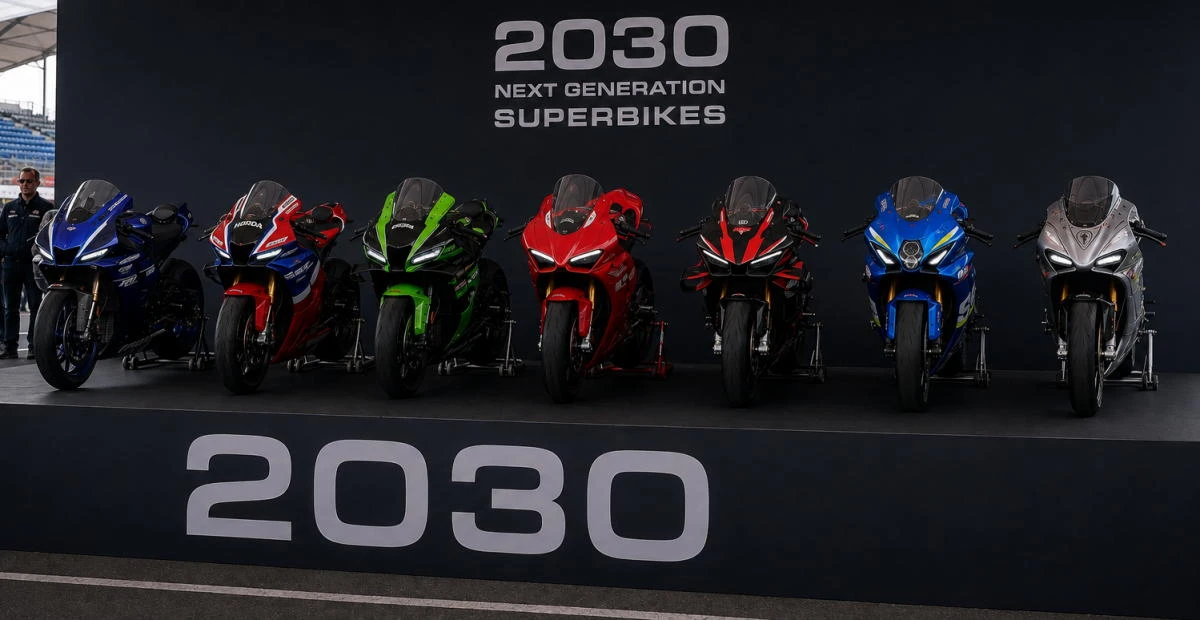
Superbike - Will 240 ch sport bikes soon be available at dealerships?
-
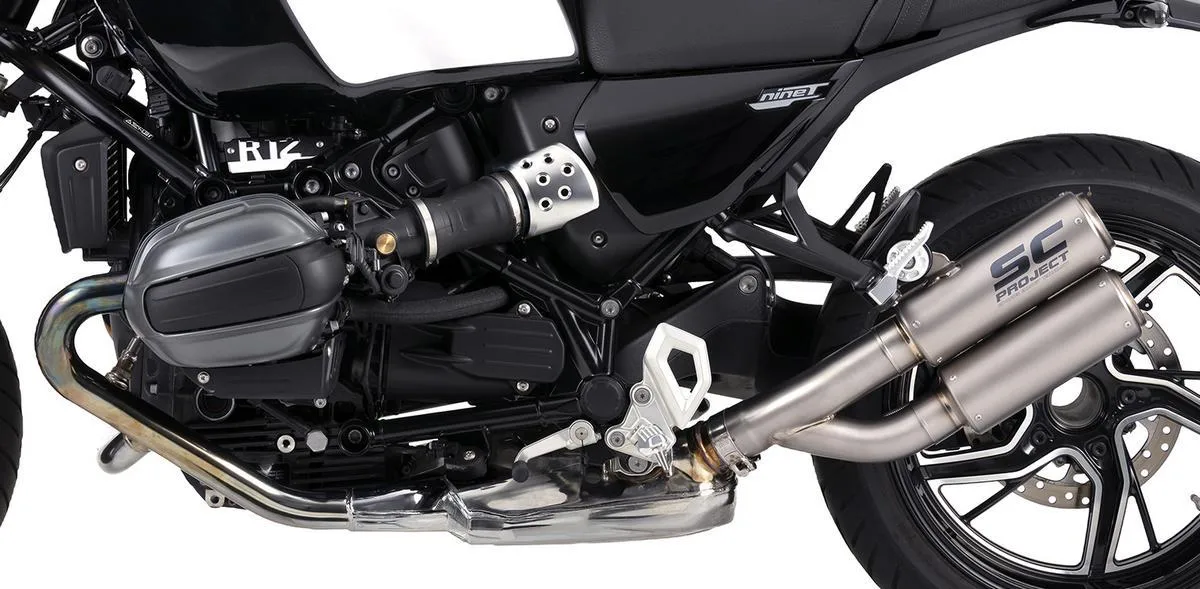
2 new SC-Project mufflers for the R 12 NineT and G/S.
-
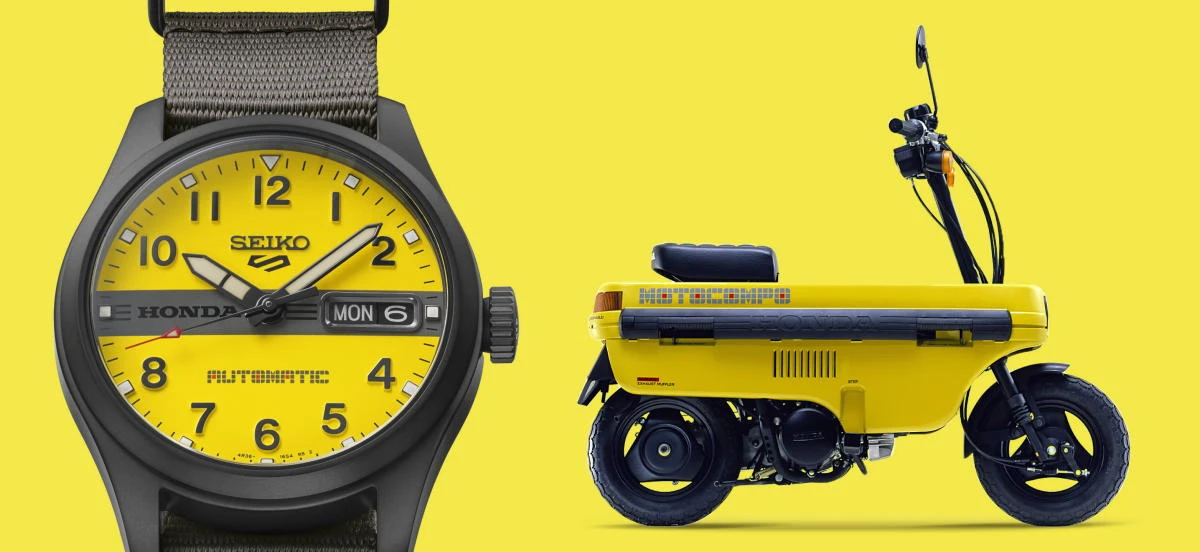
Seiko unveils a watch inspired by the Honda Motocompo.
-
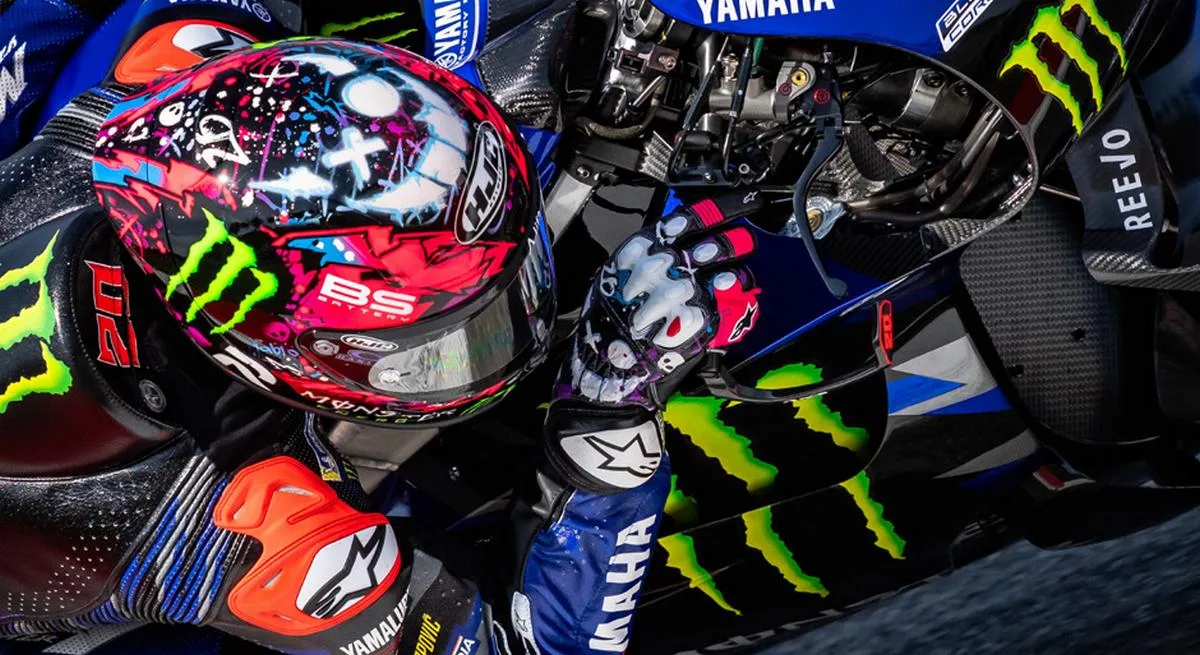
A new Funky Diablo design for the HJC Rpha 1 Carbon.
-
HJC teams up with Marvel again with its RPHA 12 Anti-Venom II full-face helmet.

-
The new motorcycle models of 2026 and the evolutions.

Bikers' reviews Leave a review