
Motorcycle specifications Yamaha 1000 GTS 1993 Meeting of the 3rd kind


presentation of the 1000 GTS 1993
yamaha's new sportivo-GT is a new kind of motorcycle. Not in its general concept, but in its design. One more competitor for the CBR 1000 F and ZZR 1100, some would say. Perhaps. But above all, the GTS is the first mass-market machine without telescopic forks.
WHAT! There are no forks on this bike. Incredible as it may seem, the GTS is not equipped with the universal steering and front suspension element known as a fork. In any case, it's not the first bike to do without. Others before it have tried it, notably the Bimota Tesi, but the Yamaha is the first to use another system as standard. So, what is it?
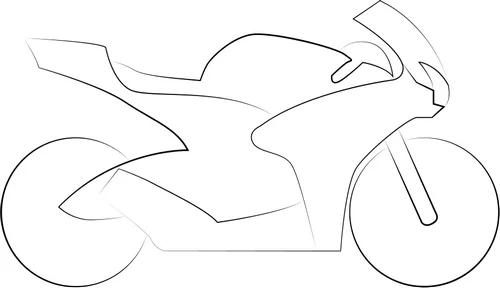
It's a combination of a front swingarm and a steering arm supporting the front wheel. As the system is worthy of a Star Wars-style gas factory, suffice it to say that this type of front drivetrain greatly reduces variations in caster and wheelbase, while having a natural anti-dive effect. While it avoids the congenital shortcomings of the conventional fork (lack of rigidity, high lever arm requiring large part-cycles, constant variations in the machine's geometry, etc.) and dispenses with the need for an imposing, hyper-reinforced frame, this system is not generous in terms of turning radius. That of the GTS is no better than that of the FZR. The frame, too, has nothing in common. Called Omega and made from aluminum castings, it wraps around the engine block in this very particular shape: (just about...). A unique structure that refocuses mass, lowers the center of gravity and takes up less space than the double-beam design.
and which engine did they choose to power this surprising machine? A familiar and well-known engine: the 4-cylinder Genesis from the 1000 FZR. Same displacement, but reworked to give it a more sporty GT look. Power is supplied by 4 injectors, and the valve mapping differs from that of the sports bike. There's no EXUP, but the torque is nonetheless 1 mkg greater than that of the sports car. The GTS also presents itself as a "clean" motorcycle - it is fitted with a lambda-probe catalytic converter. A first for a Japanese motorcycle.
The overall structure is designed to improve stability and braking efficiency. Yamaha has equipped the front wheel with a single large-diameter ventilated disc, clamped by a 6-piston opposed caliper. ABS is available as an optional extra.
With a fairing designed in a wind tunnel, 2 bubbles of different heights, a generous seat, a glovebox inlaid in the fuel tank, large side cases in 2 sizes (with a TV design...), the GTS is clearly dedicated to the road. However, its innovative (and confusing) technology and high-end positioning are double-edged assets. The technology can attract the curious as well as the traditionalist, and its price limits its clientele. The connoisseur public will immediately see the true identity of the GTS: the most innovative motorcycle of the decade.
M.B - manufacturer's photos
tanthallas' analysis of the Yamaha GTS 1000:
In the early '80s, James Parker, a former American motorcyclist and highly inspired tinkerer, conceived and patented a single-link front suspension designed to eliminate all the perverse effects of a telescopic fork: dive under braking, influence of the suspension on steering...
After putting it into practice on a prototype based on a Honda XL 600, Parker contacted the US representatives of the Japanese manufacturers. After a refusal from Honda (who later preferred to buy the Elf patents), the inventor submitted his proto to Yamaha, who had Wayne Rainey test the machine. After a second proto based on a Yamaha FZ and a long wait, Yamaha signed a contract for the research and development of this suspension. The result was the GTS 1000cc in 1992 (marketed in France in 1993).
This new motorcycle was aimed at the high-tech, luxury road-going market. Not only was it equipped with "Parker" suspension and the Omega frame developed to accommodate this single-link front suspension, it also featured new electronic fuel injection, a catalytic converter, ABS (optional) and a 6-piston front brake caliper (a Yamaha first).
The chassis, though revolutionary, is not at odds with the rest of motorcycle production. The front suspension provides an undeniable plus during braking and in terms of overall comfort. However, the picture isn't perfect either, and the system does have a few shortcomings. Steering is a little stiffer than with a conventional fork. The effort required on the handlebars is also a little greater. What's more, the GTS has some difficulty tackling certain obstacles, such as climbing a kerb. It seems that this problem is due to the design of the front suspension fork, which results in poor clearance for the wheel when it encounters an obstacle.
Once on the road, however, the bike is perfectly stable, provides great comfort for both rider and passenger, and reacts reassuringly well to hard braking. Here, James Parker's suspension proves its worth.
In terms of braking, although the single-arm design means a single disc is required, the 320 mm disc, clamped by a 6-piston opposed caliper, is excellent. It combines power, progressiveness and feel. The anti-dive effect of the single-sided arm keeps the bike perfectly level and allows the rear brake to be used with serenity; the effect of mass transfer is less noticeable. A minor fault, however, is that the steering still tends to harden a little under heavy braking.
Engine-wise, the GTS has inherited the muscular 1000cc of the Sportive FZR, equipped for the occasion with the latest-generation electronic fuel injection. It loses its Exup but gains a catalytic converter. In 100 hp configuration, the engine is supple and expresses itself ideally in the low and mid-range. If the engine revs well, there's no need to push it to the limit. It performs at its best up to 8,000 rpm. In short, an engine made for a grand tourer.
And it's true that the GTS perfectly meets its objective. Its handling is reassuring and the engine inexhaustible. The fairing provides excellent protection, allowing relaxed riding at high speeds.
This luxury tourer is a very well-built motorcycle. Unfortunately, it won't really win over the public. With its great qualities, the GTS nevertheless remained in the Yamaha catalog for 6 years (released in 1999), and was more of a success than a commercial tidal wave. The front suspension, however, will not be followed up by Yamaha to this day.
by Greg
Greg is the founder of Motoplanete—a website created in 2001 to share his passion with his friends and showcase as many motorcycle models as possible to his readers. Self-taught and a jack-of-all-trades, his discovery of the world of motorcycles led him to work as a photographer, rider, team manager, web developer, graphic designer, editorial assistant, and editor-in-chief.
 Share
Share
Key facts Yamaha 1000 GTS (1993) : What you need to know before you buy
Highlights
- Excellent motor
- Efficient cycle section
- Ease of driving/comfort
Weak points
- Heavy-duty front axle
- Optional suitcases and footrests
Prices
| Basic version | |
|---|---|
 France France |
12,100€
|
Performance
- Max speed : 225 km/h (139.80 mph)
- 0-100 km/h acceleration : 3.80 s
- Average fuel consumption : 6.40 liters/100km (0.37 mpg)
-
Estimated range
: 313 km (194 miles)
Calculated range until tank is empty, not verified.
Specifications Yamaha 1000 GTS 1993
- Chassis
- Two-seater saddle
- Frame : type Omega in aluminium with secondary structures in steel tubes
- Fuel capacity : 20 liters (5.28 US gallons)
- Seat height : 790 mm (31.10 in)
- Length : 2,170 mm (85.43 in)
- Width : 700 mm (27.56 in)
- Min height : 1,320 mm (51.97 in)
- Wheelbase : 1,495 mm (58.86 in)
- Dry weight : 246 kg (542 lb)
- Front axle
- horizontal swingarm and vertical strut, spring-lateral damper combination, Wheel travel : 116 mm (4.57 in)
- Braking 1 disc Ø 320 mm (12.6 in), caliper 6 pistons
- Front tire : 130 / 60 - 17 → Order this type of tire
- Pressure : 2.5 bar
- Transmission
- 5 stage gearbox
- Secondary by chain
- Rear axle
- Mono-damper, Wheel travel : 130 mm (5.12 in)
- Braking 1 disc Ø 267 mm (10.51 in), 2-piston caliper
- Rear tire : 170 / 60 - 17 → Order this type of tire
- Pressure : 2.5 bar
- Motor
- 4 cylinders online , 4 strokes
- Injection
- Cooling system : liquid
- 2 ACT
- 5 valves per cylinder
- 1,002 cc
- 102 ch (100.60 hp) to 9,000 rpm
- 10.80 mkg to 6,500 rpm
- Power-to-Weight Ratio : 2.45 kg/ch
- Torque-to-Weight Ratio : 22.78 kg/mkg
- Compression : 10.8 : 1
- Starting system : electric
- Standard equipment
- Brake assist : ABS optional
- Practical information
Essentials


 Motoblouz
 LaBécanerie



Gallery


Used
Competitors


Compare the 1000 GTS to its competitors
Compared to its 3 direct competitors, this 1000 GTS offers a fairly balanced positioning, sitting right in the middle of the category. On the spec sheet, it highlights torque of 10.8 Nm and fuel consumption of 6.4 l/100km. Its torque-to-weight ratio of 22.78 kg/Nm limits its punch at low revs.
Acceleration
Fuel consumption
Range
Torque
Power
Power-to-Weight ratio
Torque-to-Weight ratio
Speed
FAQ Your frequently asked questions about the 1000 GTS 1993
- What is the power of the 1000 GTS?
-
The 1000 GTS 1993 develops a power of 102 ch (100.60 hp)
- What is the torque of the 1000 GTS?
-
The maximum torque of the 1000 GTS 1993 is 10.80 mkg to 6,500 rpm.
- What is the maximum speed of the 1000 GTS?
-
The 1000 GTS 1993 is capable of reaching a top speed of 225 km/h (139.80 mph) on the track.
- What is the weight of the 1000 GTS?
-
The 1000 GTS 1993 has a a dry weight of 246 kg (542 lb).
- What is the fuel consumption of the 1000 GTS?
-
Average fuel consumption is estimated at 6.40 l/100km (0.37 mpg) according to the WMTC cycle.
- QWhat is the seat height of the 1000 GTS?
-
To ensure good accessibility, the 1000 GTS 1993 offers a minimum seat height of 790 mm (31.10 in).
- What is the price of the 1000 GTS?
-
The price of the 1000 GTS 1993 is 12,100€ in France. It is displayed at , in France.
- What size tires should I put on my 1000 GTS?
-
The standard size for a 1000 GTS 1993 is 130 / 60 - 17 for the front, and 170 / 60 - 17 for the rear.
News
-
GIVI HLP Headlight Protector: Ténéré 700 and R1300GS
-
Victory and the championship title for BMW at the 2026 Bol d'Or.
-
The 89th Bol d'Or: A Celebration of Racing Passion.
-
2026 MXGP of China: Herlings Unbeatable, McLellan Delays the MX2 Title
-
MXGP 2027: Kove and ZXMoto Join the Championship
-
SC Project is working on the 2026 Suzuki GSX-R1000R.
-
2026 MXGP of Turkey: Herlings Crowned World Champion!
-
Moto Guzzi: In Mandello, the historic factory is taking on a new scale.
-
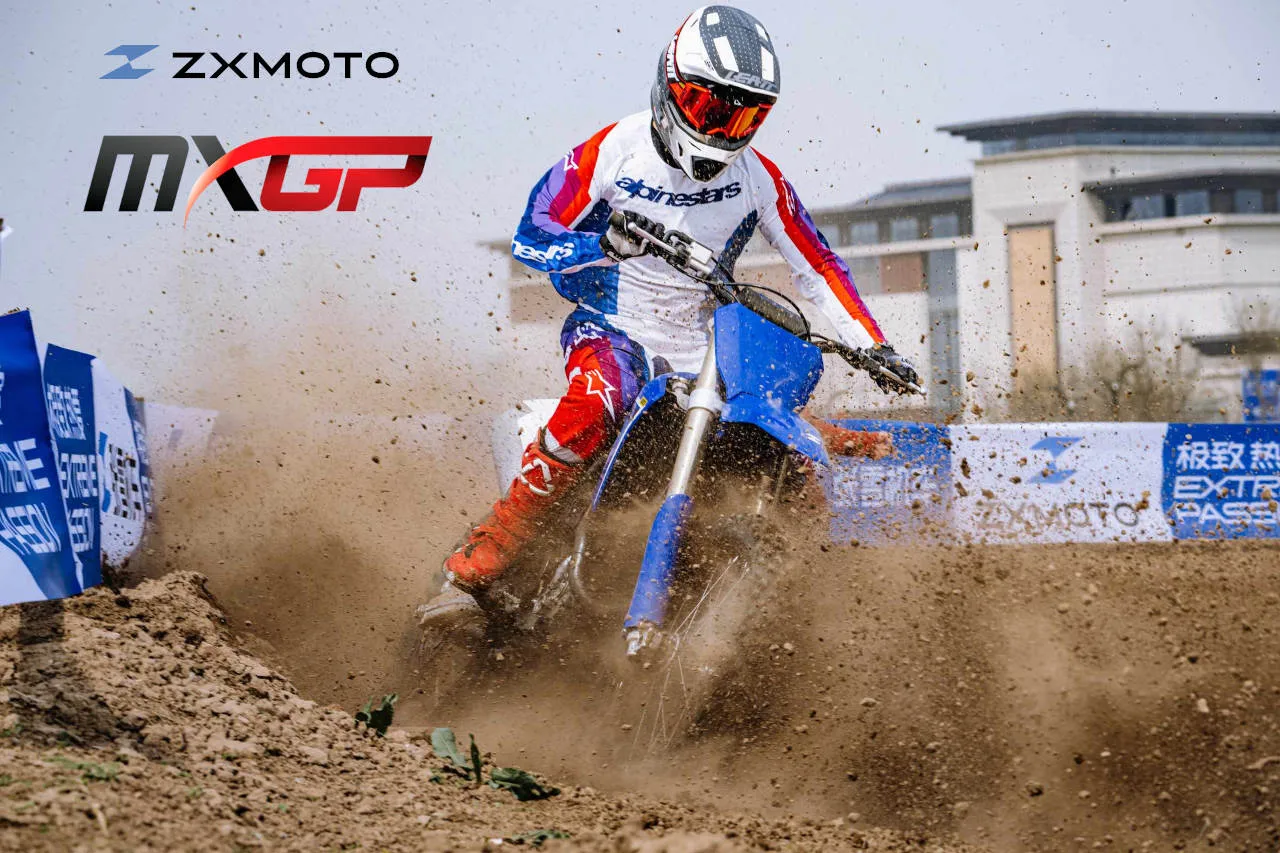
ZXMoto in MXGP 2027: The Hypothesis of an Off-Road Earthquake
-
The new motorcycle models of 2026 and the evolutions.

Bikers' reviews Leave a review - 12 reviews
(on good roads) and comfort is beyond reproach,
the equipment is top-quality, but it's impossible to see the watch, which is hidden by the handlebar strap, and it's a shame we didn't fit a cardan shaft to the transmission,
consumption in soft condiuite is around 6.5l. The icing on the cake is that its second-hand value keeps climbing, e.g. a 2006 model with 10,000km on the clock sold for 4,000 euros. so good Rating : 4/5 Respond to jobra
Only hik the parts ( a plus ) and with only 10300 models out in the world to find a retro it's not evident ^^ Rating : 4/5 Respond to alex
since yesterday i have an efi light that stays on permanently. the engine makes a tractor noise
this bike is equipped as a side car
if anyone knows the remedy to turn off this light and know the cause
thank you all
Rating : 5/5 Respond to cbr
Since sold, I bought a 1000 GTS from a mechanical maniac.
I've just done 500 KMS and it may be premature to say so, but this bike is exceptional!
With a cross-section of 120 at the front and 185 at the rear (full bore m 1 tires), it's easy to handle, precise on trajectories, very stable with a strong side wind.
The first few kilometers are confusing, as it can be ridden in tractor mode or as a fighter jet!
In my opinion, this bike is still ahead of its time, and Yamaha should take the project out of the box and bring it out again.
I hope my opinion has been useful.
Sportively.
p.Brasey Rating : 5/5 Respond to RENO
And how do I get the data sheet? Rating : 1/5 Respond to NONO LB