
Motorcycle specifications Yamaha YZF-R6 600 2020 The culmination of Supersport


presentation of the YZF-R6 600 2020
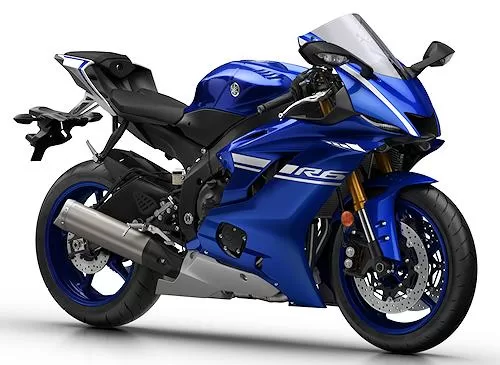
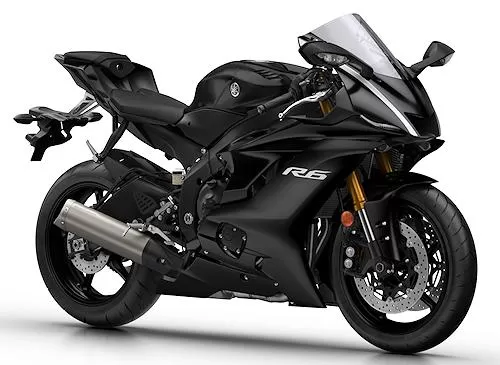
the divine child is reborn! Waited for like the messiah for several years, the illustrious Yamaha R6 has finally been resurrected. Despite its age, it remains THE reference in its class since its last evolution in 2008. It is the most popular model among novices and experienced riders alike. With 160,000 units sold in Europe since its debut, the R6 is one of the most popular models in its category. For the time being, Yamaha is the only manufacturer to have renewed its supersport, while Honda, Suzuki and Triumph have chosen to cease production of theirs. In 2017, it finally dared to challenge itself, taking its inspiration from the M1 and YZF-R1 to bleed again and again onto the track.
worthy heiress
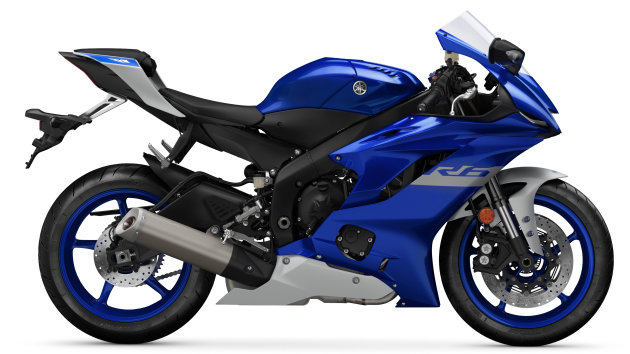
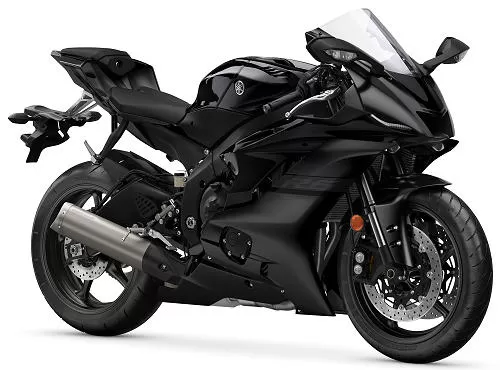
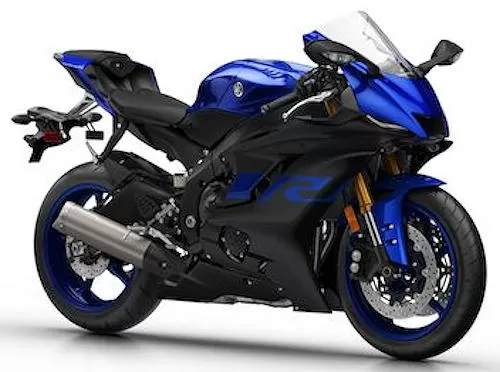
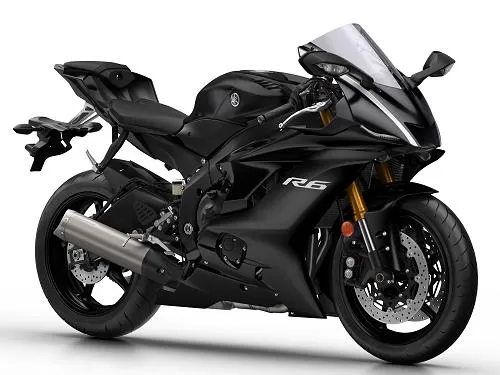
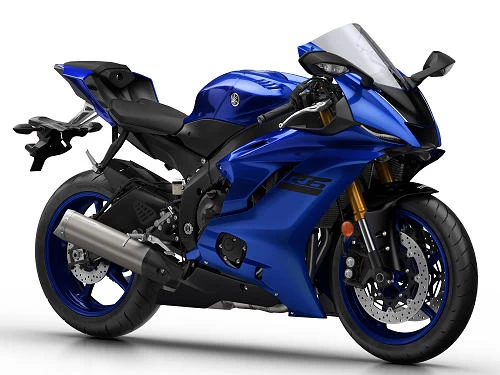
A veritable genetic transfer has taken place with its big sister, the R1. Starting with its plasticity. From a distance, they look like twins. The two share almost the same rump, making it hard to tell them apart from behind. The front end is also part of its genetic heritage. Like its ancestor, it inherits the look of Valentino Rossi's MotoGP bike, the Yamaha M1. Its chromosomes, the carriers of performance, give it a central air intake around which the entire design is harmonized. The same goes for the fuel tank, marked by four iconic stripes. The headlamps also adopt the same stance, but with more elaborate lashings of light. Inspired by the profiled eyes that characterized previous generations of R6 models.
Of course, these features don't just serve to affiliate and anchor the R-World. They improve aerodynamic efficiency by 8%, as well as the riding position. It's mainly the cast magnesium rear loop and aluminum tank that benefit the latter. The magnesium part makes the seat 20 mm narrower at the front, while the tank's ergonomics have been modified to make it 1.2 kg narrower and lighter. The result is an even more lively riding experience. All of which confirms its ultra-sporty credentials.
new nerve endings
The flattering genes of its ascendant obviously have an impact on its behavior. It gains a few neurons with the welcome introduction of 6-level traction control. Its cockpit features a new dashboard - unique to it, but not unprecedented in the range. The R6 has always liked to steal instrumentation from the R1. This generation is no exception to the rule, but it doesn't have the little tablet of its big sibling; it'll make do with the counter unit from the previous R1, version 2009 - 2014. With a large needle-type rev counter, a digital polygon window and... ah no, no handlebar controls. Only the road functions and Traction Control can be activated from the steering wheel. In addition to the electronic throttle opening and variable intake systems already present on the previous model, its synapses will also take on the management of the "QSS" shifter (a system strictly similar to that of the R1, allowing gear changes without disengaging the clutch).
As long as Yamaha's adding to the mix, we might as well go all out. And equip this pistarde with a triple set of injection mappings. By adopting the D-Mode, the R6 benefits from direct, aggressive engine management in A mode, more flexible engine management to get to know the Std, and calm engine management in B mode. Enough to adapt to the day's ride.
And that's not all: the new supersport from the blue-coated geneticists has the same braking system as its predecessor! The four-piston aluminum radial calipers bite 320 mm-diameter discs. Theprevious generation was already uncritical in terms of braking, even though its pistons tasted 310 mm discs. ABS is also available.
The R6 has also always been considered a very well-sprung bike. But to hell with stinginess! The rear shock absorber is a new design, and the fork comes directly from the R1. In addition to a fork diameter enlarged from 41 mm to 43 mm, this latest-generation Kayaba offers full adjustment at the top of the tubes.
The tracker's wheelbase and width have been reduced by a mere 5 mm each. Weight remains more or less the same, with just one kilo added to the scales. What about lightened components? The Euro4 standard must have forced the exhaust system to gain weight... But once on the track with an adaptable element, the music and weight will clearly be more advantageous. And let's not forget the anti-lock brakes, which must add a hefty kilo to the scales.
the emphasis is clearly on electronics and front-end optimization. Engine-wise, the gains have been maintained. The bike retains its muffler, and no changes have been made to the engine, apart from adaptation to Euro4 standards. This has cost it a handful of power. The R6 loses almost 6 horsepower in the process, and now boasts 118.4 hp at 14,500 rpm. Torque is also down, with almost half a kg less. The 4-cylinder block doesn't inherit the cross-plane timing of the R1 and M1, and retains its personality and delicious sound.
Drawing on a glowing past, the R6 is now the standard-bearer for a category in perdition. Paradoxically, it is stronger than ever. An indisputable figure in motorcycle racing, the 600 YZF is the most represented and one of the most victorious in championships. It offers the most attractive chassis-to-weight-to-power ratio. And despite one of the highest prices in its segment, it requires the least financial investment to reach the highest levels of performance. A challenge or a hope for the future of Supersports?
summary of the main changes:
- R1-inspired design
- Traction control (6 levels)
- R1-inspired QSS shifter
- R1 brakes
- Revised 43 mm-diameter forks
- Refined ergonomics
- Lighter fuel tank
- ABS
Rémima
Manufacturer'smedia
by Greg

Greg is the founder of Motoplanete—a website created in 2001 to share his passion with his friends and showcase as many motorcycle models as possible to his readers. Self-taught and a jack-of-all-trades, his discovery of the world of motorcycles led him to work as a photographer, rider, team manager, web developer, graphic designer, editorial assistant, and editor-in-chief.
 Share
Share
Key facts Yamaha YZF-R6 600 (2020) : What you need to know before you buy
 France
Performance
- Max speed : approximately 270 km/h (167.80 mph)
- Average fuel consumption : 6.60 liters/100km (0.36 mpg)
-
Estimated range
: 258 km (160 miles)
Calculated range until tank is empty, not verified.
History

Specifications Yamaha YZF-R6 600 2020
- Chassis
- Frame : deltabox double alu beam
- Fuel capacity : 17 liters (4.49 US gallons)
- Seat height : 850 mm (33.46 in)
- Length : 2,040 mm (80.32 in)
- Width : 695 mm (27.36 in)
- Min height : 1,150 mm (45.28 in)
- Wheelbase : 1,375 mm (54.13 in)
- Weight when fully loaded : 190 kg (419 lb)
- Front axle
- Reverse telehydraulic fork Ø 43 mm, Wheel travel : 120 mm (4.72 in)
- Braking 2 discs Ø 320 mm (12.6 in), radial mounting, 4-piston caliper
- Front tire : 120 / 70 - 17 → Order this type of tire
- Transmission
- 6 stage gearbox , manual - shifter as standard
- Secondary by chain
- Rear axle
- Mono-damper, Wheel travel : 120 mm (4.72 in)
- Braking 1 disc Ø 220 mm (8.66 in), 2-piston caliper
- Rear tire : 180 / 55 - 17 → Order this type of tire
- Motor
- 4 cylinders online , 4 strokes
- injection
- Cooling system : liquid
- 2 ACT
- 4 valves per cylinder
- 599 cc
- 118 ch (116.40 hp) to 14,500 rpm
- 6.30 mkg to 10,500 rpm
- Power-to-Weight Ratio : approx. 1.5 kg/ch
- Torque-to-Weight Ratio : approx. 27.8 kg/mkg
- Compression : 13.1 : 1
- CO² emissions: 154 g/km
- Standard equipment
- Brake assist : ABS
- Practical information
Essentials
 Motoblouz
 LaBécanerie


Gallery


Models
2020

2019
2018
2017
Competitors


Compare the YZF-R6 600 to its competitors
Compared to its 2 direct competitors, this YZF-R6 600 offers an appealing positioning, managing to stand out in certain specific areas. It stands out with top speed of 270 km/h. With 6.3 Nm of torque, it feels a bit less lively during mid-range roll-ons.
Fuel consumption
Range
Torque
Power
Power-to-Weight ratio
Torque-to-Weight ratio
Speed
CO² emissions
FAQ Your frequently asked questions about the YZF-R6 600 2020
- What is the power of the YZF-R6 600?
-
The YZF-R6 600 2020 develops a power of 118 ch (116.40 hp)
- What is the torque of the YZF-R6 600?
-
The maximum torque of the YZF-R6 600 2020 is 6.30 mkg to 10,500 rpm.
- What is the maximum speed of the YZF-R6 600?
-
The YZF-R6 600 2020 is capable of reaching a top speed of approximately 270 km/h (167.80 mph) on the track.
- What is the weight of the YZF-R6 600?
-
The YZF-R6 600 2020 has a a weight when fully loaded of 190 kg (419 lb).
- What is the fuel consumption of the YZF-R6 600?
-
Average fuel consumption is estimated at 6.60 l/100km (0.36 mpg) according to the WMTC cycle.
- QWhat is the seat height of the YZF-R6 600?
-
To ensure good accessibility, the YZF-R6 600 2020 offers a minimum seat height of 850 mm (33.46 in).
- What is the price of the YZF-R6 600?
-
The price of the YZF-R6 600 2020 is 13,999€ in France
- What size tires should I put on my YZF-R6 600?
-
The standard size for a YZF-R6 600 2020 is 120 / 70 - 17 for the front, and 180 / 55 - 17 for the rear.
- Where can I find high-quality used YZF-R6 600s?
-
You can find used YZF-R6 600 at great prices on MotoPlanete, in the section dedicated to them—models from professionals and private sellers, as well as spare parts.
News
-
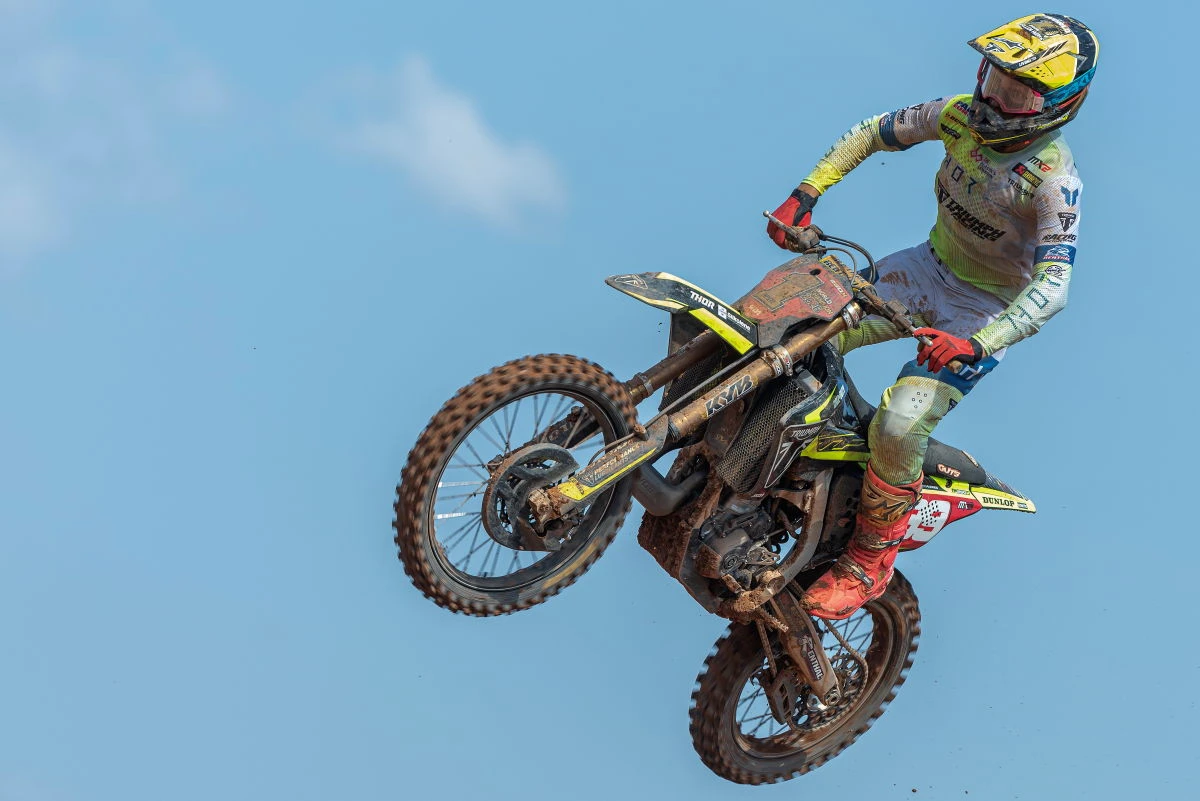
Triumph succeeded BSA in the Motocross World Championship.
-
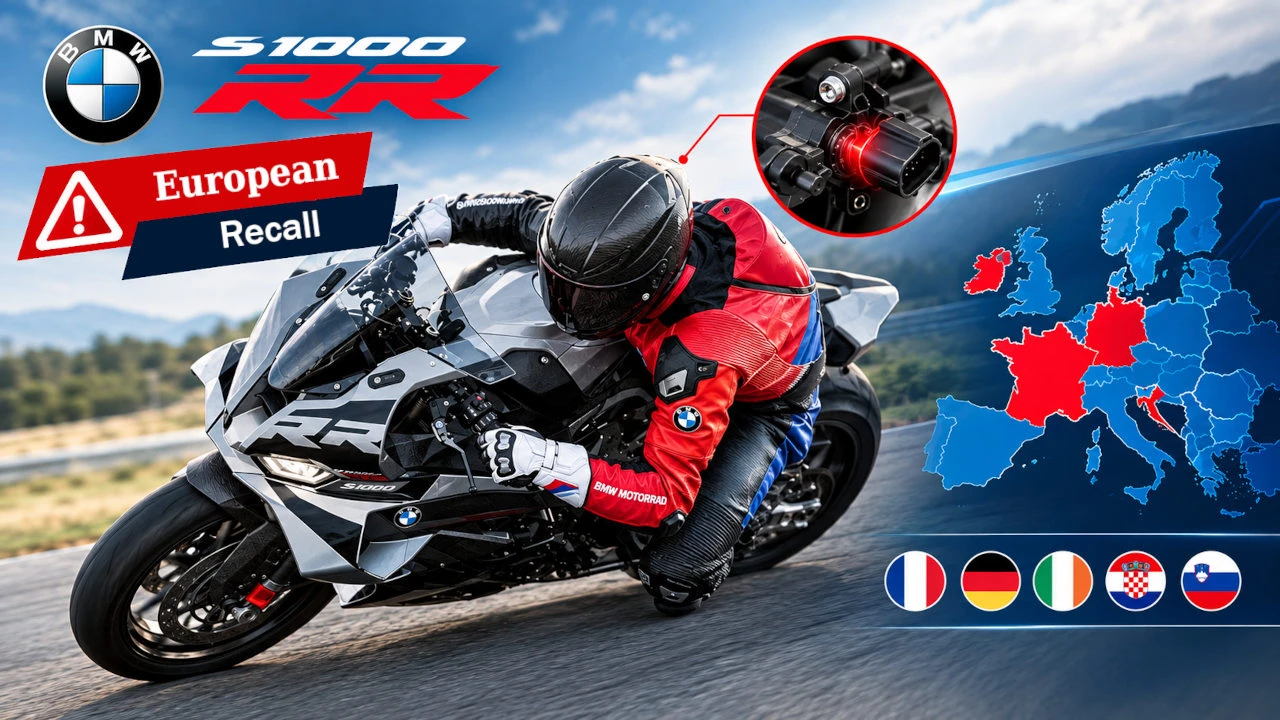
BMW S1000RR Recall Alert: Risk of Engine Shutdown
-
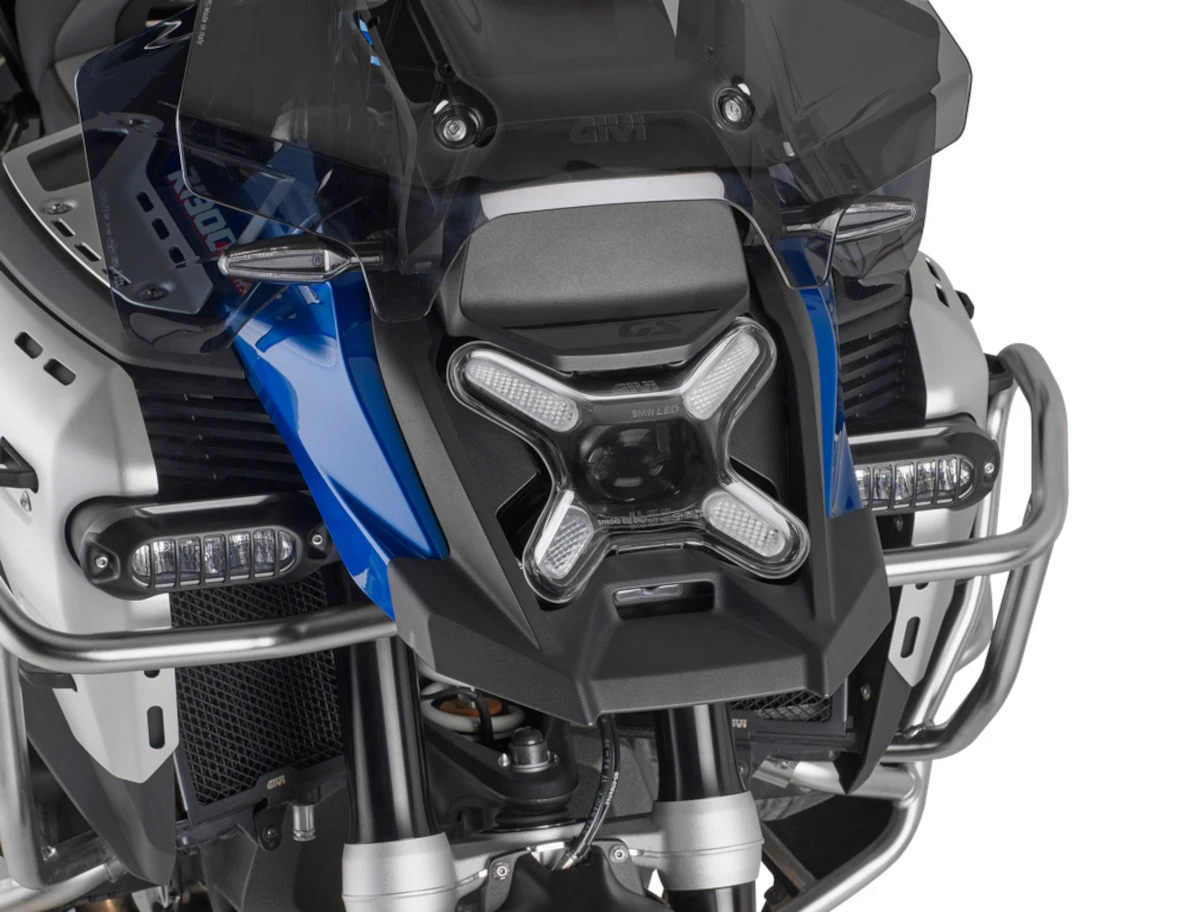
GIVI HLP Headlight Protector: Ténéré 700 and R1300GS
-
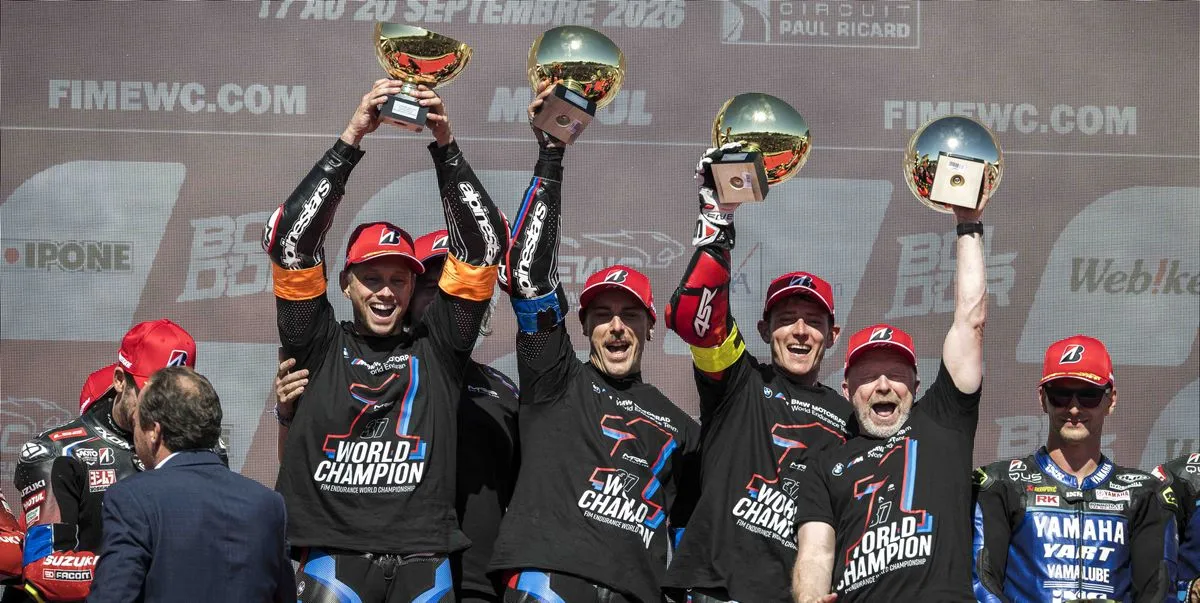
Victory and the championship title for BMW at the 2026 Bol d'Or.
-
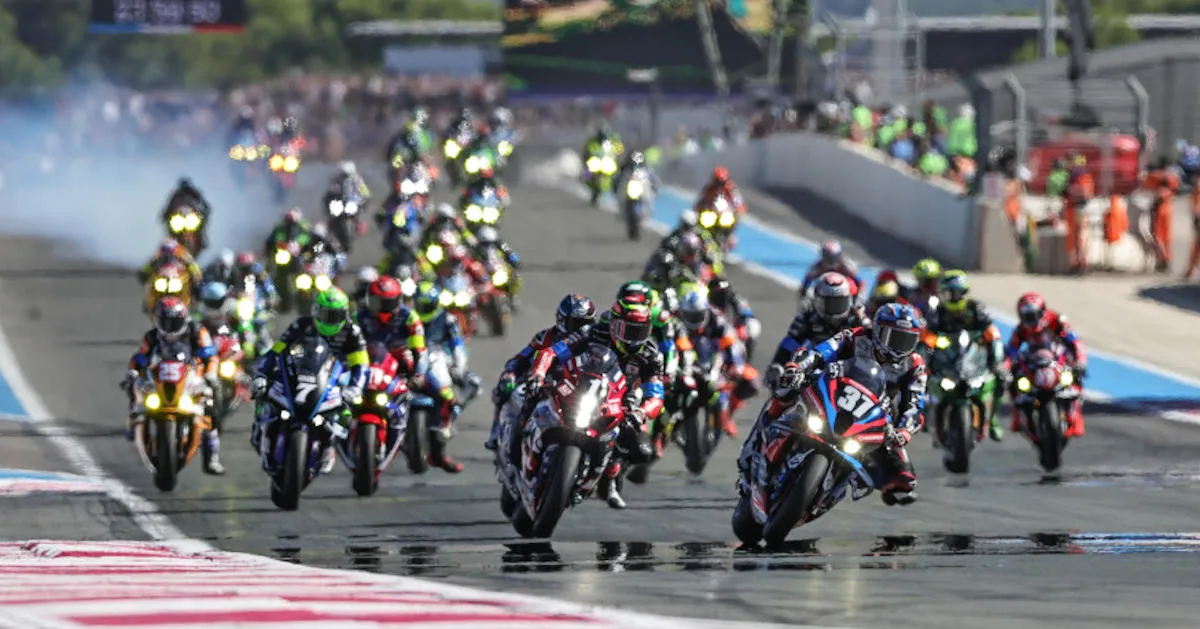
The 89th Bol d'Or: A Celebration of Racing Passion.
-
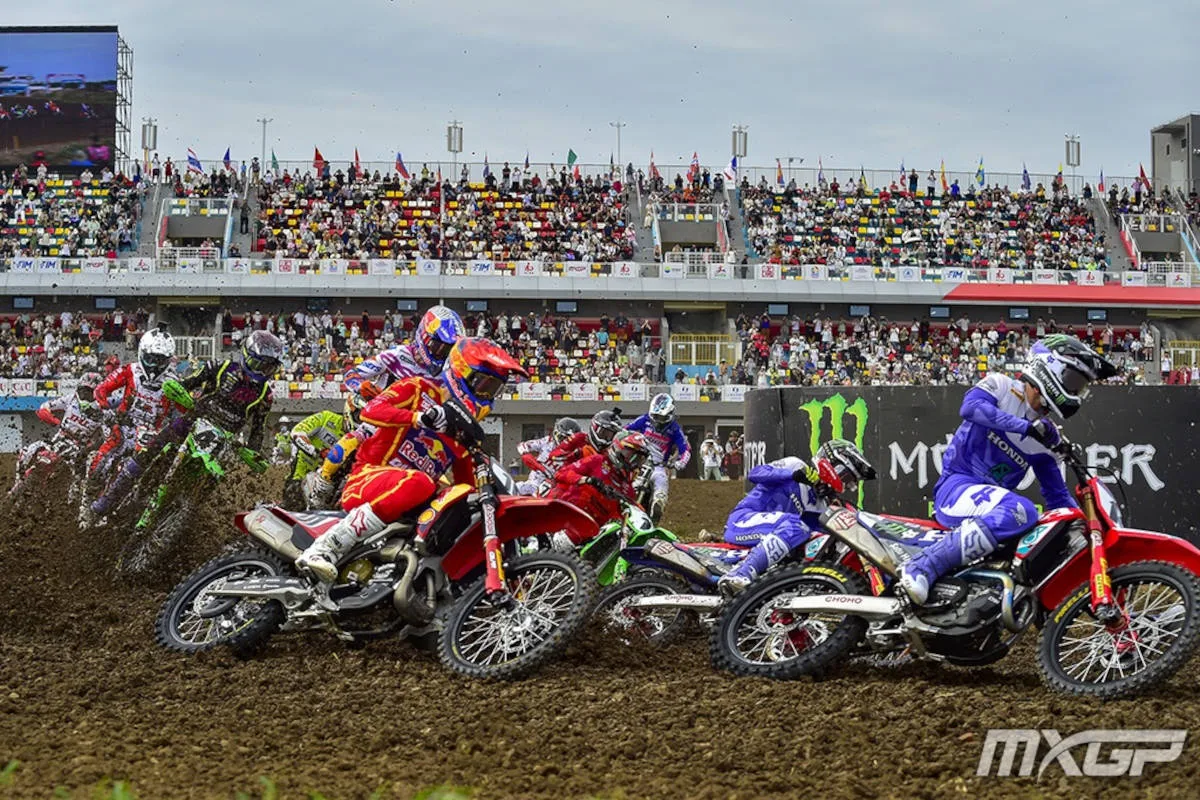
2026 MXGP of China: Herlings Unbeatable, McLellan Delays the MX2 Title
-
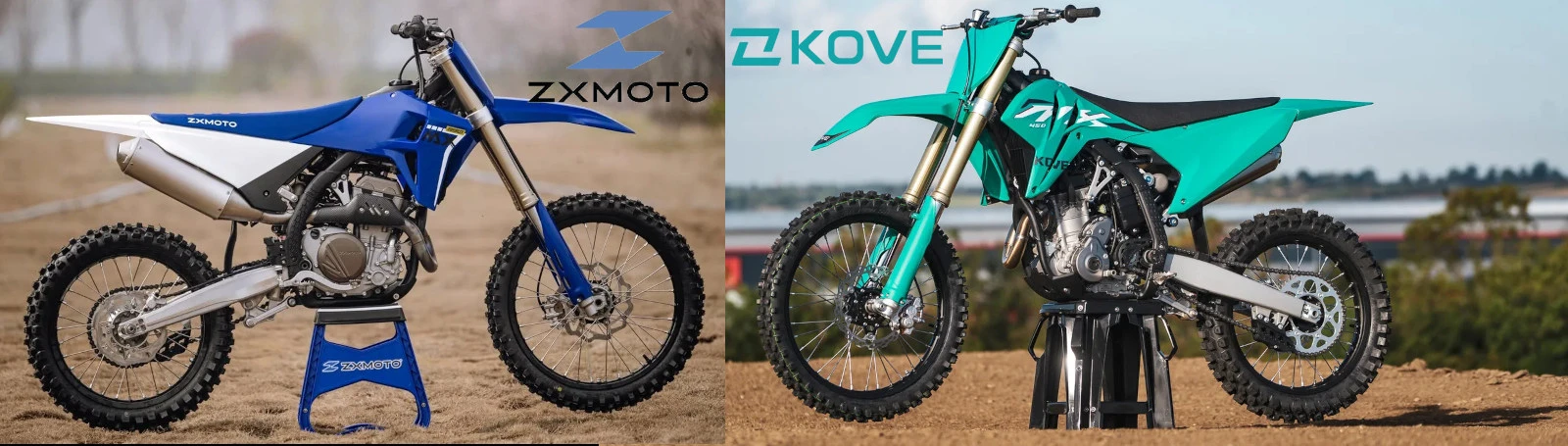
MXGP 2027: Kove and ZXMoto Join the Championship
-
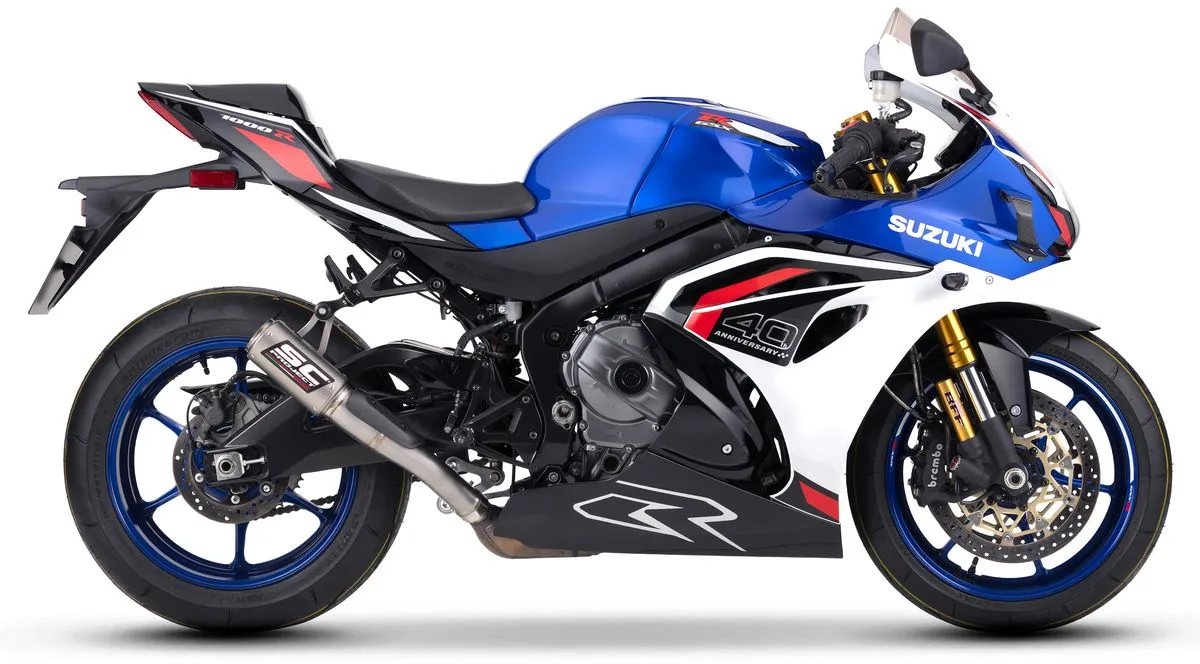
SC Project is working on the 2026 Suzuki GSX-R1000R.
-
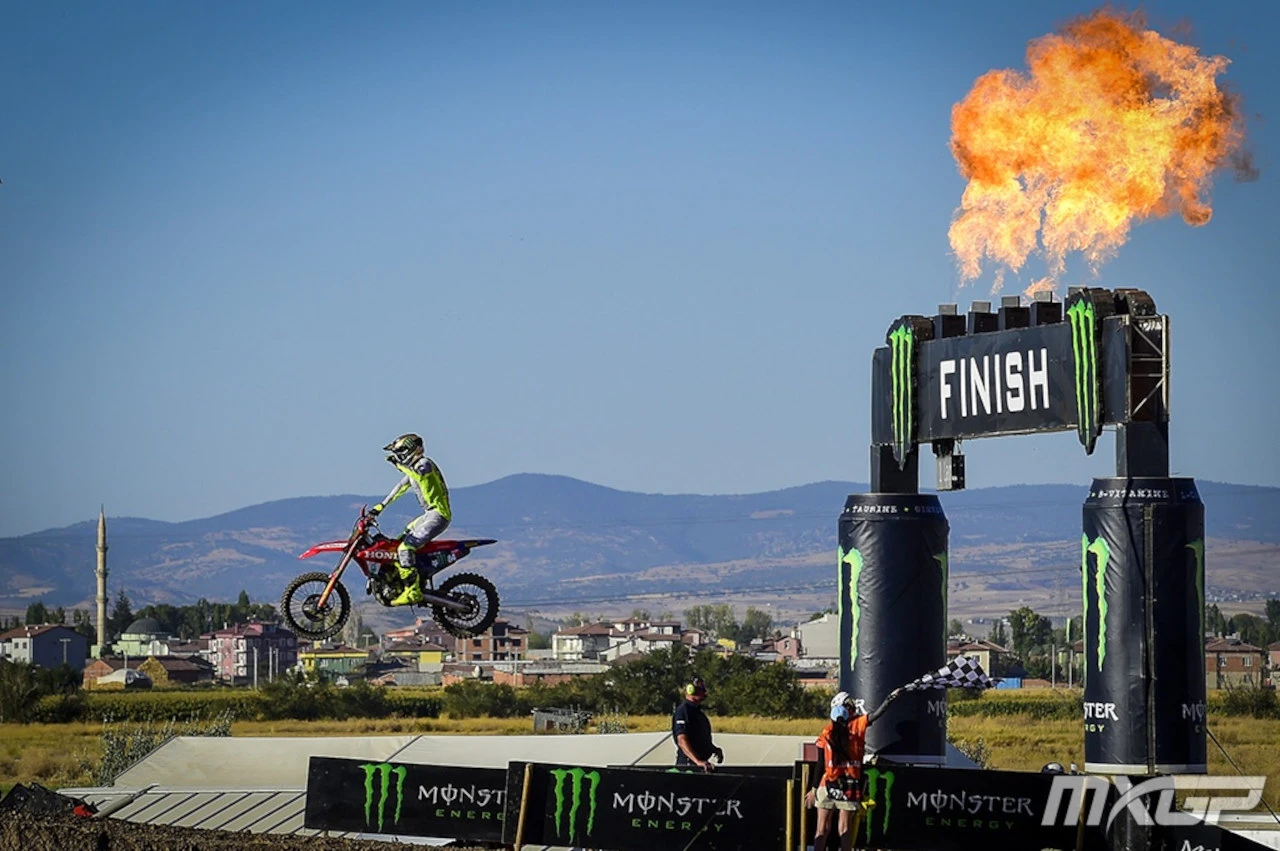
2026 MXGP of Turkey: Herlings Crowned World Champion!
-
The new motorcycle models of 2026 and the evolutions.

Bikers' reviews Leave a review - 3 reviews
But the pleasure of small-displacement bikes is fundamentally enjoyable: they're thrill machines. Nothing to do with an Er-6. My next one?
The last 400 Ninja to start my retirement off right, or the R6 with its racy look! I've still got to finance it... Rating : 5/5 Respond to Yet