
Motorcycle specifications Ducati Panigale V2 2020 Double heritage


presentation of the Panigale V2 2020
With the arrival of the Panigale V4, some Ducatisti might have feared the end of a prestigious line of (very) sporty twins. Fortunately, the spearhead of the range has always been accompanied by an equally desirable and more accessible little sister. Succeeding the 959, the new Panigale V2 arrives with strong arguments to seduce Bolognese sportbike enthusiasts. The best of both worlds for those who don't want the ultimate, demanding side of a V4?
two Panigales with two different architectures, for two different missions. To compete in the Superbike class, Ducati was no longer able to push the power of its twin and had to add cubic capacity - the regulations were moving in this direction. The 4-cylinder V was the obvious choice, allowing Ducati to find more horsepower, reduce displacement and benefit from the MotoGP image. Now that the Panigale V4 has demonstrated its strength as well as its demands, Ducati can enjoy its baby Panigale. The latter takes the opportunity to break an age-old tradition. No more number to identify it, something that has accompanied every Superbike since the 851. Now it's called Panigale V2.
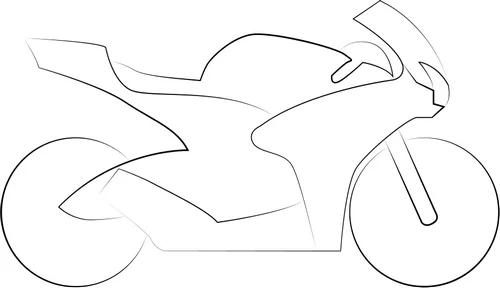
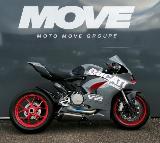
those who fell in love with the V4 will be more than delighted to rediscover its silhouette. Its taut lines, its slender gaze, its intoxicating diva profile, that skin shaped by mechanical fervor - the bike is beautiful, quite simply, with its own identity. Because, another tradition scratched, the V2 is not a carbon copy of the V4, like all previous duos(899 / 1199, 848 / 1098, 749 / 999, 748 / 916). It's inspired by its predecessor, nuance. With a different technical base, it was impossible to do otherwise. No regrets, no hard feelings, because the sauce works. The fork head is identical, the fairing flanks almost identical; except that the base has been reworked to allow the exhaust pipe to emerge. Take an extra moment to look at it, to soak up these desires, and catch the visible memories of the 959. So it is with the fuel tank, the rear frame support, and we'll see later what's hidden underneath.
Crucially, the little Panigale finally gets a single-sided arm. This charming element is almost part of the DNA of these sport bikes. The designers also took care to get rid of the ex-959's protruding, disgusting exhausts and replaced them with elements compacted as far as possible under the engine. This frees up the rim, lightening the line as much as possible. Yes, we can say it again, the Panigale V2 is a beautiful machine.
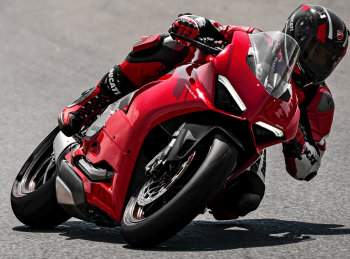
This mechanical refresh didn't just happen. There have been improvements from start to finish. The intake is more efficient, with ducts that lose less air pressure and new injectors. The exhaust system has been redesigned to significantly reduce its size. Apart from this, the Superquadro twin remains technically identical and highly accomplished. The same applies to the chassis in which it operates.
the strength and uniqueness of a Panigale lies in its monocoque structure, which acts as both airbox and frame. Ducati won't touch that. Nor does the Showa inverted fork with its large 43 mm piston. The brakes are the same: 320 mm discs and Brembo M4.32 calipers - serious, efficient and just below the famous M50.
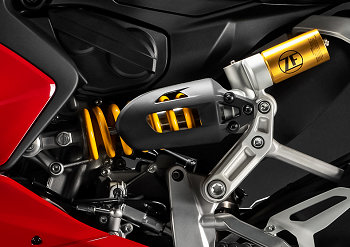
It's at the rear that the technical changes take place. The single-arm of course, as we've already seen. And a new, 2 mm longer shock absorber. All suspension components are fully adjustable. The manufacturer is more accommodating than usual, having reconfigured the damping for a little more comfort. The saddle follows suit, with more padding and greater freedom of movement.
For the Panigale V2, keeping the 959 's chassis means preserving the fascinating lateral kinematics of the damping. Unique, enigmatic, almost an athletic appendage. The fact that Ducati has only partially reworked the bike's chassis is testament to the manufacturer's confidence in this chapter of the Panigale range. It's also a good way of extending the bike's technical life in a different guise.
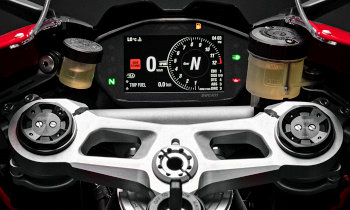
Next up is DTC traction control, in EVO 2. Still 8 levels of adjustment, followed by electronics that intervene more rapidly, with greater flexibility, and a capacity for anticipation thanks to the host of parameters ingested. The DQS EVO 2 shifter is even faster, and also takes account of the bike's angle of inclination when shifting gears, with efficiency on both uphill and downhill gradients. The harvest continues with the adoption of DWC wheeling control and a color TFT instrument panel. That's it, the era of liquid crystals is over for Bologna's pistardas. From the V4 to the V2, it's a beautiful mini-tablet for controlling the life of the machine. The essentials are visible in the blink of an eye, and the other info is well arranged. The small 4.3-inch screen is convincing.
Then there are the other aids already present: EBC engine brake management and the 3 riding modes (Race - Sport - Street). For more, you'll need to take a quick trip to the options corner, where you'll find the Ducati Lap Timer GPS, which automatically takes care of lap times, the Ducati Data Analyzer + GPS, and the Ducati Lap Timer GPS, which automatically takes care of lap times, the Ducati Lap Timer GPS, and the Ducati Lap Timer + GPS.es Ducati Data Analyzer + GPS for an introduction to telemetry, or the Ducati Multimedia System to use your phone's main functions.
M.B - Manufacturer's photos
* Appendix: Ooh, something's wrong. How can this Panigale V2 claim 5 more horses in its total of 155, compared to the 959 Panigale, which sent out 157? Either the V2 should be putting out 162, or the old 959 doesn't add up. Quid?
It's 155 and 5 more. That's because since 2018, Ducati has changed its power-measurement process, which has brought the watts delivered by the 959 Panigale down to 150 drunks.
by Greg

Greg is the founder of Motoplanete—a website created in 2001 to share his passion with his friends and showcase as many motorcycle models as possible to his readers. Self-taught and a jack-of-all-trades, his discovery of the world of motorcycles led him to work as a photographer, rider, team manager, web developer, graphic designer, editorial assistant, and editor-in-chief.
 Share
Share
Key facts Ducati Panigale V2 (2020) : What you need to know before you buy
Highlights
- The beauty of V4
- The character of the twin sportif
- A more affordable price
- Single-arm return
Weak points
- Significant price increase since the 959
Prices
| Basic version | |
|---|---|
 France France |
18,290€
|


Performance
- Max speed : approximately 270 km/h (167.80 mph)
- Average fuel consumption : 6 liters/100km (0.39 mpg)
-
Estimated range
: 283 km (176 miles)
Calculated range until tank is empty, not verified.
Specifications Ducati Panigale V2 2020
- Chassis
- Frame : monocoque in aluminum
- Fuel capacity : 17 liters (4.49 US gallons)
- Seat height : 840 mm (33.07 in)
- Wheelbase : 1,436 mm (56.54 in)
- Dry weight : 176 kg (388 lb)
- Weight when fully loaded : 200 kg (441 lb)
- Front axle
- Showa BPF telehydraulic upside-down forks Ø 43 mm / Showa, Wheel travel : 120 mm (4.72 in)
- Braking 2 Brembo discs Ø 320 mm (12.6 in), radial mounting, 4-piston caliper
- Front tire : 120 / 70 - 17 → Order this type of tire
- Pressure : 2.5 bar
- Transmission
- 6 stage gearbox
- Secondary by chain
- Rear axle
- Mono-damper Sachs / Sachs, Wheel travel : 130 mm (5.12 in)
- Braking 1 disc Ø 245 mm (9.65 in), 2-piston caliper
- Rear tire : 180 / 60 - 17 → Order this type of tire
- Pressure : 2.5 bar
- Motor
- two-cylinder 90° L-shape , 4 strokes
- Injection
- Cooling system : liquid
- 2 ACT, desmodromic
- 4 valves per cylinder
- 955 cc
- 155 ch (152.90 hp) to 10,750 rpm
- 10.60 mkg to 9,000 rpm
- Power-to-weight ratio : 1.15 kg/ch
- Weight / torque ratio : 16.6 kg/mkg
- Compression : 12.5 : 1
- Standard equipment
- Brake assist : ABS as standard
- Practical information
Essentials
 Motoblouz

 LaBécanerie


Gallery


Models
2024


2023


2022


2021


2020

Used
Find this used Panigale V2 on MotoPlanete


Compare the Panigale V2 to its competitors
Fuel consumption
Range
Torque
Power
Power-to-Weight ratio
Torque-to-Weight ratio
Speed
FAQ Your frequently asked questions about the Panigale V2 2020
- What is the power of the Panigale V2?
-
The Panigale V2 2020 develops a power of 155 ch (152.90 hp)
- What is the torque of the Panigale V2?
-
The maximum torque of the Panigale V2 2020 is 10.60 mkg to 9,000 rpm.
- What is the maximum speed of the Panigale V2?
-
The Panigale V2 2020 is capable of reaching a top speed of approximately 270 km/h (167.80 mph) on the track.
- What is the weight of the Panigale V2?
-
The Panigale V2 2020 has a a dry weight of 176 kg (388 lb), a weight when fully loaded of 200 kg (441 lb).
- What is the fuel consumption of the Panigale V2?
-
Average fuel consumption is estimated at 6 l/100km (0.39 mpg) according to the WMTC cycle.
- QWhat is the seat height of the Panigale V2?
-
To ensure good accessibility, the Panigale V2 2020 offers a minimum seat height of 840 mm (33.07 in).
- What is the price of the Panigale V2?
-
The price of the Panigale V2 2020 is 18,290€ in France
- What size tires should I put on my Panigale V2?
-
The standard size for a Panigale V2 2020 is 120 / 70 - 17 for the front, and 180 / 60 - 17 for the rear.
- Where can I find high-quality used Panigale V2s?
-
You can find used Panigale V2 at great prices on MotoPlanete, in the section dedicated to them—models from professionals and private sellers, as well as spare parts.
News
-
2026 MXGP of China: Herlings Unbeatable, McLellan Delays the MX2 Title
-
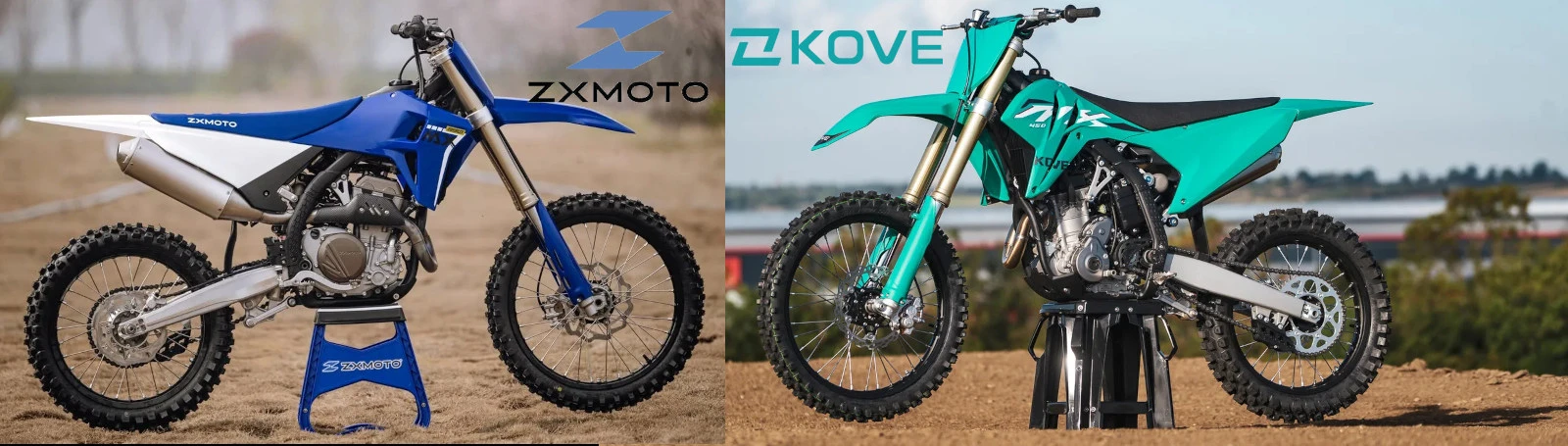
MXGP 2027: Kove and ZXMoto Join the Championship
-
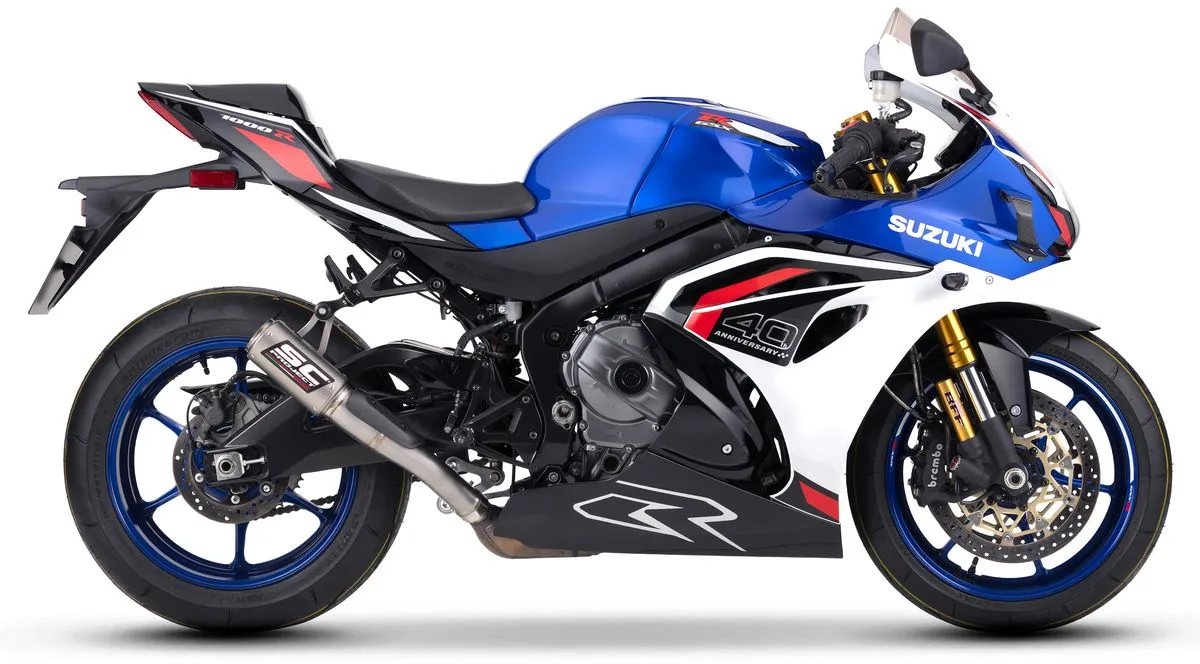
SC Project is working on the 2026 Suzuki GSX-R1000R.
-
2026 MXGP of Turkey: Herlings Crowned World Champion!
-
Moto Guzzi: In Mandello, the historic factory is taking on a new scale.
-
ZXMoto in MXGP 2027: The Hypothesis of an Off-Road Earthquake
-
Superbike - Will 240 ch sport bikes soon be available at dealerships?
-
2 new SC-Project mufflers for the R 12 NineT and G/S.
-
Seiko unveils a watch inspired by the Honda Motocompo.
-
The new motorcycle models of 2026 and the evolutions.

Bikers' reviews Leave a review - 4 reviews
too little maybe, compared to my 1198 Rating : 4/5 Respond to Gb