
Motorcycle specifications Ducati 1100 Panigale V4 2020 The power dimension


presentation of the 1100 Panigale V4 2020
The Panigale V4 caused a serious shake-up in Ducati sportsbike history. Daring to break with the V2 Superbike lineage, it redefined the Italian manufacturer's identity in the genre, raised the level of power in the category to a whole new level, and praised the V4 engine. Aprilia had previously worked hard on the same subject.
noale responded by creating the RSV4 1100 Factory. But outside Italy, the competition is still looking for a way to get back in touch with these furies. Ducat' isn't waiting for that return and is already reworking its missile. Not with a new color scheme, redesigned rims or a bolt that's 4.76 grams lighter... Rather, with a face warmed up in World Superbike. The Panigale V4 gets all the R-model styling, immediately recognizable with its fins, shark gills and wider fork head.
Large cross-section notches on the side panels improve cooling. The winglets, praised for their MotoGP genetics, provide 30 kilos of support at 270 km/h and added stability. But don't expect to find the carbon winglets of the R model. On the standard Panigale and the S, they're made of fiberglass-reinforced plastoc. Rather mean when you consider the price of the wheel. As for the 30 mm wider front end and higher bubble, they enhance protection and the aerodynamic profile. The bike gains in aggressiveness, having to sacrifice some of its pure lines.
nevertheless, it remains a beautiful machine, doped up on efficiency. In fact, it's not enough for it to adopt the lines of its big R sister. It's also its frame that holds the virulent V4. Extremely strong but more flexible, this element should provide more front-end feel and better tire protection. Not a luxury, given the beating they take with every acceleration. once you've got past the engine's howl, 214 horsepower will wring the gumdrops out of you.
It's enough to get you through every corner like a cannonball. Ducati wants to improve the agility of its Panigale V4 with revised suspension. Not changed, mind you. They are still composed of a Showa inverted fork with large 43 mm pistons (BPF) and a Sachs shock absorber. Adjustable from all sides, of course. Except that the fork has been lowered by 4 mm, while the rear shock is 2 mm shorter. Without changing the steering geometry, the factory has raised the sports car's center of gravity by 5 mm, increasing stability under acceleration and improving cornering.

Desire starts here; let's find out in detail where it comes from to push back the adrenalin production a little.

Taut, racy and furious, the new Superbike from Bologna has a silhouette that follows in the footsteps of the 1299 Panigale. Skin-deep muscles, a breathless stare, concentrated lines like a ball of nerves and a streamlined rear end - the school of design will still have many people in an uproar. An impeccable frivolity that's not without a certain frugality. We'd have liked a little more audacity to accompany this upheaval. The Panigale V4 symbolizes a striking turning point in the mechanical history of Bolognese Superbikes. And yet, its design plays on prolongation while projecting itself into the near future. The air intake gills have become more triangular, the exhaust pipes under the engine are still there, and the stern is renewed with an obvious concern for cleanliness and beauty. So much so that the headlights are reduced to a minimum. Only luminous eyebrows adorn the front.
But how are we going to light up the road at night? Don't worry, they haven't disappeared. But every effort has been made to hide them, much more than on an R1. Switch on your smartphone's flashlight mode and look into the air jaws. There they are, shyly tucked away at the edge of the cave.
Overhanging a 12.8-liter airbox, the aluminum tank plays several roles: it houses most of the 16 liters of fuel in its lower section, under the rider's seat; in its front section, it houses all the electronics.
Before the sliders start groaning, the Panigale V4 is sure to stun the senses. But the Panigale V4 reserves most of its prestige under the fairing.

Simply enormous. All the more so as the brand must immediately and imperatively make a show of strength, to rattle the pistardes already in place and make the pill pass to convinced Ducatists. The block contains a blend of Ducati and MotoGP DNA. We'll go into more detail at the bottom of this article. For now, let's settle for the essentials, with desmodromic valve timing, 90° cylinder bank angle, counter-rotating crankshaft, variable intake and twin-pulse timing.
Very high watts, with a final figure that makes you dizzy, well beyond the 200 horsepower (or a tad more) offered by the competition. 9 more units than the 1299 Panigale, 14 more than an R1, 54 more than the 1098, with almost identical cubic capacity. For its first expression in the world of sportbikes, this block wants to stun everyone; and its raw power makes teeth bend.
But in terms of performance, there's nothing exceptional about the Ducati engine. Its displacement gives it a real advantage over other displacement engines in the segment. So, with a little calculation, we find that this V4 develops a force of 194 hp/liter of displacement, an efficiency just above that of a CBR 1000 RR.
Let's save final judgment for later. This engine promises surprises for the R version, and it's still in its infancy. The dose of gunpowder will be all the more explosive in the near future.
Without waiting for tomorrow, the fury dispensed by the 4-cylinder will have to be tamed by a strong-willed crew. To start with, the rider will have to rely on one hell of a chassis. A new generation of machine means a new frame. The V4 abandons the Panigale's monocoque frame for a completely new spine. Or rather, a few vertebrae, as the frame is so compact. But strong. The "Front Frame" uses huge aluminum spars resting on the engine cases. The rigidity is just right, and the lightness just right. This beautiful cast assembly weighs just 4 kilos. And that's where the thrill continues: the engineers have succeeded in producing a frame that weighs less than that of the twin-cylinder Panigale. If you're looking for something better, look no further than the Superleggera.
As you can see, this Superbike is technically very different from the one it replaces. Engine, frame and suspension. And it almost comes as a shock to see Ducati adopting... conventional solutions. Ciao to the huge 50 mm Marzocchi inverted forks. Make way for a Showa large-piston BPF, 43 mm in diameter. The rear damping is even more unusual. Forget the spectacular lateral kinematics - the Sachs monoshock is positioned in a very classic central rear position. It is anchored to the V4 by a forged aluminum part. A steering damper, also by Sachs, calms the verve of the front axle.

Rear braking is provided by a 2-piston caliper and a 245 mm disc. All monitored by an ABS, and a big one at that: a Bosch 9.1MP unit active when cornering.
And it's here that the Panigale V4 relies on the good care of electronics for all the dynamic phases of riding.... sorry, riding. Of course, we'll be back to the impressive array developed by previous Panigales. Have you been dreaming of riding a Rafale since you were a kid? This is certainly the bike that comes closest.
On board, it's all about big silicon:
- Cornering EVO ABS, with 3 levels. The most restrictive (3) for on-road use; 2 for sporty riding, which lets you glide into corners; and 1, which only acts on the front brake
- DTC EVO 2 traction control. More reactive and efficient thanks to its algorithm and the information communicated by the IMU inertial unit. At setting 1 or 2 (of the 8 available), the "Spin on demand" function sends out more watts for expert steering.
- DSC glide control. Introduced with the 1299 Panigale S Anniversario, it complements DTC and manages rear-wheel drift.
- DQS EVO 2 shifter. Active on both up- and downshifts, it not only allows you to change gears with ease, but also to adapt the shifter to your riding style, as it also communicates with the IMU.
- DWC EVO anti-wheeling. By detecting and controlling wheelies, it ensures maximum traction.
- DPL standing start assist. Ducati Power Launch offers 3 levels of assistance, from the most efficient (1) to the most stable (3).
- EBC EVO engine brake management. It can be set to 3 intervention levels, and is automatically modulated according to the angle of the bike, thanks to the IMU.
To top it all off, there are the Driving Modes, an integral part of the Ducati philosophy. There are three of them, named Sport, Race and Street. And they're all customizable. The rider can fine-tune each mode to his or her liking, and restore the original settings as required.

Sport - Select Sport mode, and the 214 horsepower are unleashed in sporty fashion. The electronic assistants are calibrated for drivers who are a little less advanced, while retaining spectacular efficiency and handling. Take a look: brake drift control is active, allowing the rear wheel to skid to safety when cornering. Rear wheel lift control is on the alert, and ABS cornering is configured to deliver maximum cornering performance.
Street - This mode is the Panigale V4's most suitable for the open road. Throttle response is more progressive for the 214 hp. The default setting of the electronic controls ensures maximum safety, guaranteeing the best grip and maximum stability.
Very strong on-board assistance, bringing together everything Ducati can provide for the series; the fruits of an electronic beast. One small regret is that the Panigale V4 comes with nothing new, apart from a new, higher-resolution color display. This 5-inch TFT panel features 800 x 480 pixel resolution, new graphics and two display modes, Track or Road. Last but not least, Ducati has installed (simulated) a good old-fashioned needle-type rev counter in the digital display, perhaps as a result of people complaining that it's easier to read than bar graphs.
High-tech through and through, the pistarde is equipped with full LED lighting, automatic turn-off indicators, and can receive optional DDA+ GPS data acquisition and DMS multimedia system, to pair with a phone via Bluetooth. What a clever idea to manage calls and text messages on a high-voltage bomb that aims to corner at the speed of sound! The ability to enjoy one's playlist would be more appropriate.

With the Panigale V4, Ducati once again presents a superb, devilishly seductive machine with a very high level of sportiness. More than just a new chapter, it's the beginning of a new odyssey for the line of Bologna missiles.
As always, this hypersport bike comes with an S version, featuring semi-active Öhlins suspension, forged aluminum wheels and a lighter Lithium-Ion battery.
The Panigale V4 will also be available in a simply monstrous Speciale version. Here, the engine will be pushed to a power level unheard of on a production bike. With its 226 hp, this hypersport is a cut above anything else on the road.
Competition being part of Ducati's very soul, an R version has been released for 2019, with reduced displacement to comply with regulations, yet even more power than the 1100.
M.B - Manufacturer's photos
engine technology - the V4 Desmosedici Stradale

It drives valves 34 mm wide at the intake and 27.5 mm wide at the exhaust. Four camshafts and sixteen valves work together in the cylinder heads to make the engine breathe. The ovalized throttle bodies are 52 mm in diameter.
Internal dimensions are modelled on the MotoGP block, with a bore of 81 mm, the maximum permitted by the World Championship regulations. Piston stroke is 53.5 mm. It's not these dimensions that Ducati riders will have to tame, but the engine speed. The twin of the 1299 Panigale turbines at just over 11,000 rpm, while the V4 can reach 14,000 rpm.
The firing order of the cylinders is not regular, but Twin-Pulse, i.e. 0°, 90°, 290° and 380°. This gives it the feel of a staggered twin-cylinder rather than a conventional 4-cylinder. To reduce the gyroscopic effect, the crankshaft is counter-rotating. A solution borrowed from the world of motorcycle racing, but used by very few machines on the market.
The Panigale V4's engine also plays an important role in the chassis. It is tilted 42° to the rear to optimize weight distribution, accommodate larger radiators and move the swingarm pivot forward as much as possible. It also contributes to the rigidity of the frame and serves as the attachment point for the swingarm.
More power, more revs, more cylinders, more weight. At 64.9 kilos, the Desmosedici Stradale weighs 2.2 kilos more than the 1,285 cm3 Superquadro.
A new engine, but also a new intake system. For the first time on a Ducati, a variable intake system is used. Ducts are lengthened or shortened according to engine speed to optimize pressure waves. Ducati intends to extend the range of use of this block as far as possible. And it's all very well in the bowels. It features a 14:1 compression ratio, forged steel connecting rods, Nikasil-coated aluminum liners, semi-dry sump lubrication, a 6-speed gearbox, an 11-disc oil bath clutch, and surprisingly long service intervals for a machine of this calibre: standard service every 12,000 kms and major service every 24,000 kms.
by Greg
Greg is the founder of Motoplanete—a website created in 2001 to share his passion with his friends and showcase as many motorcycle models as possible to his readers. Self-taught and a jack-of-all-trades, his discovery of the world of motorcycles led him to work as a photographer, rider, team manager, web developer, graphic designer, editorial assistant, and editor-in-chief.
 Share
Share
Key facts Ducati 1100 Panigale V4 (2020) : What you need to know before you buy
Highlights
- Powerful V4
- Reworked chassis for greater agility
- Strong electronics, partly updated
Weak points
- Less pure design
- Price as muscular as the V4
Prices
| Basic version | |
|---|---|
 France France |
23,290€
|


Performance
- Max speed : approximately 300 km/h (186.40 mph)
- Average fuel consumption : 6.90 liters/100km (0.34 mpg)
-
Estimated range
: 232 km (144 miles)
Calculated range until tank is empty, not verified.
History

Specifications Ducati 1100 Panigale V4 2020
- Chassis
- Frame : semi-perimetric aluminum
- Fuel capacity : 16 liters (4.23 US gallons)
- Seat height : 835 mm (32.87 in)
- Wheelbase : 1,469 mm (57.83 in)
- Dry weight : 175 kg (386 lb)
- Weight when fully loaded : 198 kg (437 lb)
- Front axle
- Showa BPF-F Ø 43 mm inverted telehydraulic fork / Showa, Wheel travel : 120 mm (4.72 in)
- Braking 2 Brembo discs Ø 330 mm (12.99 in), radial mounting, 4-piston caliper
- Front tire : 120 / 70 - 17 → Order this type of tire
- Pressure : 2.3 bar
- Transmission
- 6 stage gearbox
- Secondary by chain
- Rear axle
- Sachs shock absorber / Sachs, Wheel travel : 130 mm (5.12 in)
- Braking 1 disc Ø 245 mm (9.65 in), 2-piston caliper
- Rear tire : 200 / 60 - 17 → Order this type of tire
- Pressure : 2.1 bar
- Motor
- 4 cylinders 90° L-shape , 4 strokes
- Injection Ø 52 mm
- Cooling system : liquid
- 2x2 ACT, desmodromic
- 4 valves per cylinder
- 1,103 cc
- 214 ch (211 hp) to 13,000 rpm
- 12.70 mkg to 10,000 rpm
- Power-to-weight ratio : 0.83 kg/ch
- Weight / torque ratio : 13.78 kg/mkg
- Compression : 14 : 1
- Standard equipment
- Brake assist : ABS in curves
- Bluetooth
- Practical information
Essentials
 Motoblouz
 LaBécanerie


Maintenance
The rear wheel shaft can lose its structural integrity and break, which can result in loss of control of the motorcycle and increase the risk of a crash.
Information source du rappelGallery


Models
2021

2020

Used
Competitors


Compare the 1100 Panigale V4 to its competitors
Acceleration
Fuel consumption
Range
Torque
Power
Power-to-Weight ratio
Torque-to-Weight ratio
Speed
CO² emissions
FAQ Your frequently asked questions about the 1100 Panigale V4 2020
- What is the power of the 1100 Panigale V4?
-
The 1100 Panigale V4 2020 develops a power of 214 ch (211 hp)
- What is the torque of the 1100 Panigale V4?
-
The maximum torque of the 1100 Panigale V4 2020 is 12.70 mkg to 10,000 rpm.
- What is the maximum speed of the 1100 Panigale V4?
-
The 1100 Panigale V4 2020 is capable of reaching a top speed of approximately 300 km/h (186.40 mph) on the track.
- What is the weight of the 1100 Panigale V4?
-
The 1100 Panigale V4 2020 has a a dry weight of 175 kg (386 lb), a weight when fully loaded of 198 kg (437 lb).
- What is the fuel consumption of the 1100 Panigale V4?
-
Average fuel consumption is estimated at 6.90 l/100km (0.34 mpg) according to the WMTC cycle.
- QWhat is the seat height of the 1100 Panigale V4?
-
To ensure good accessibility, the 1100 Panigale V4 2020 offers a minimum seat height of 835 mm (32.87 in).
- What is the price of the 1100 Panigale V4?
-
The price of the 1100 Panigale V4 2020 is 23,290€ in France
- What size tires should I put on my 1100 Panigale V4?
-
The standard size for a 1100 Panigale V4 2020 is 120 / 70 - 17 for the front, and 200 / 60 - 17 for the rear.
News
-
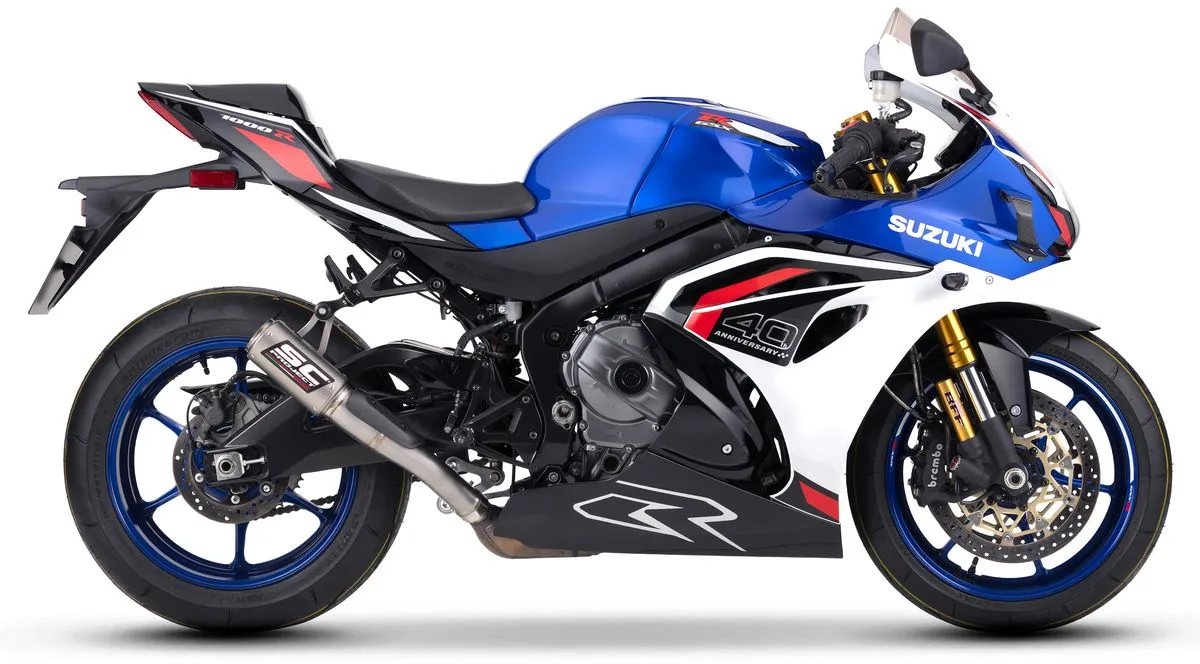
SC Project is working on the 2026 Suzuki GSX-R1000R.
-
2026 MXGP of Turkey: Herlings Crowned World Champion!
-
Moto Guzzi: In Mandello, the historic factory is taking on a new scale.
-
ZXMoto in MXGP 2027: The Hypothesis of an Off-Road Earthquake
-
Superbike - Will 240 ch sport bikes soon be available at dealerships?
-
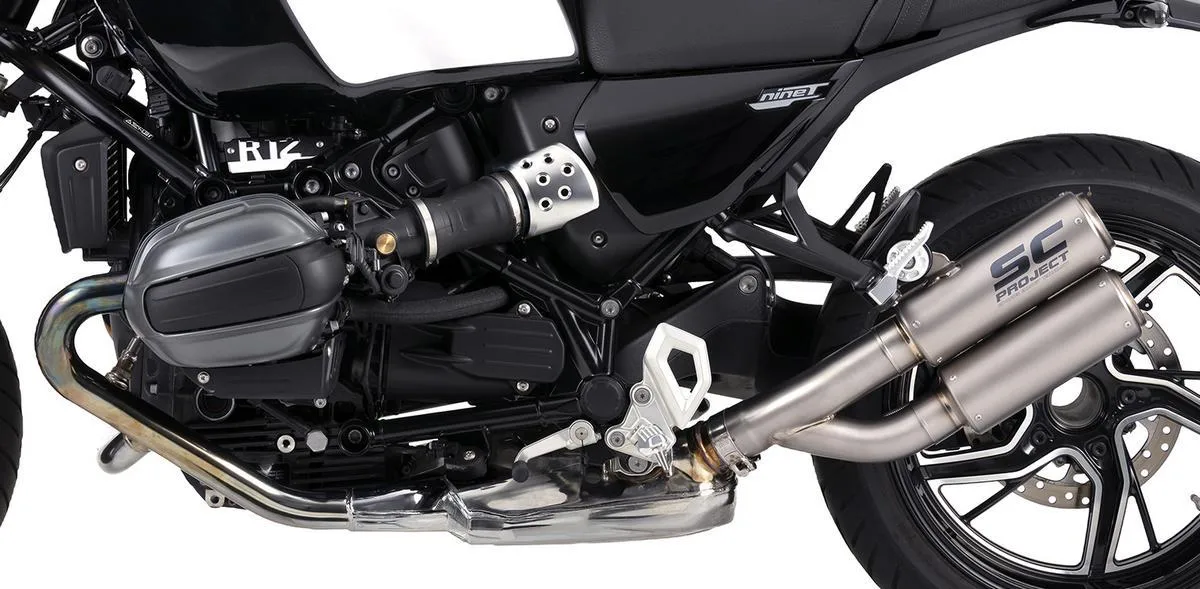
2 new SC-Project mufflers for the R 12 NineT and G/S.
-
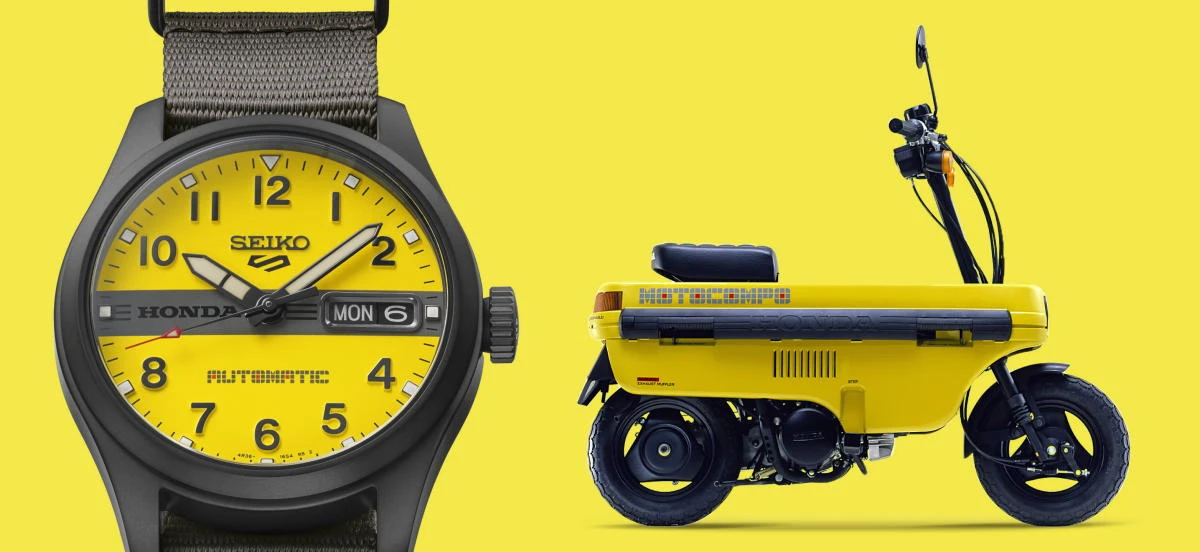
Seiko unveils a watch inspired by the Honda Motocompo.
-
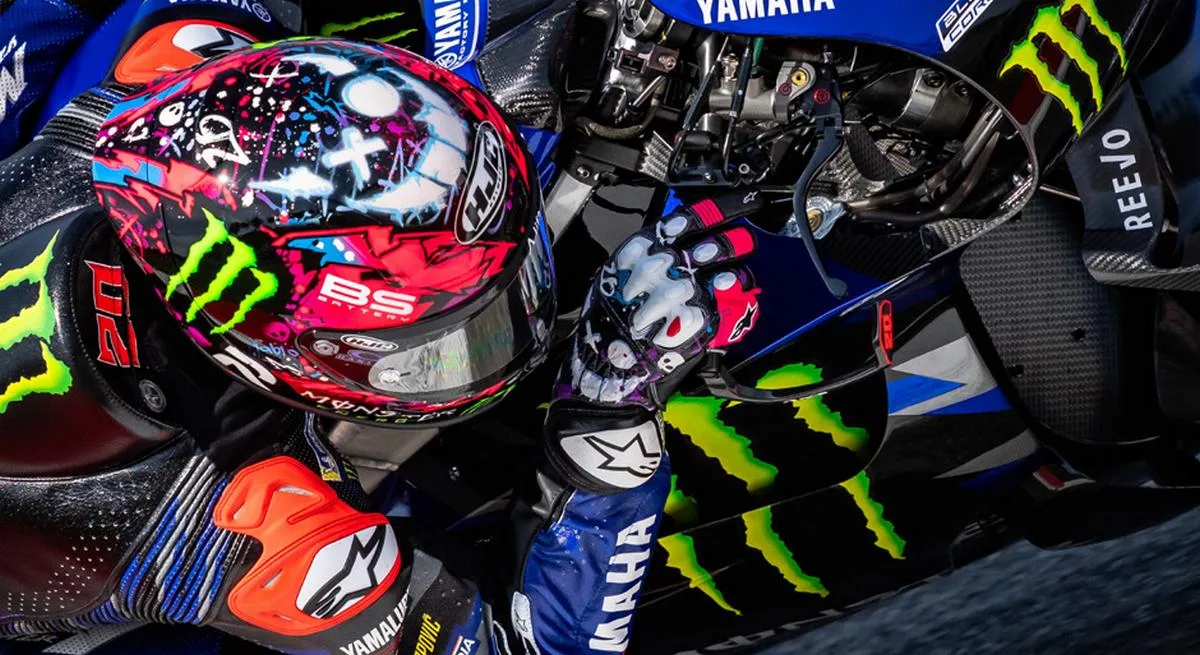
A new Funky Diablo design for the HJC Rpha 1 Carbon.
-
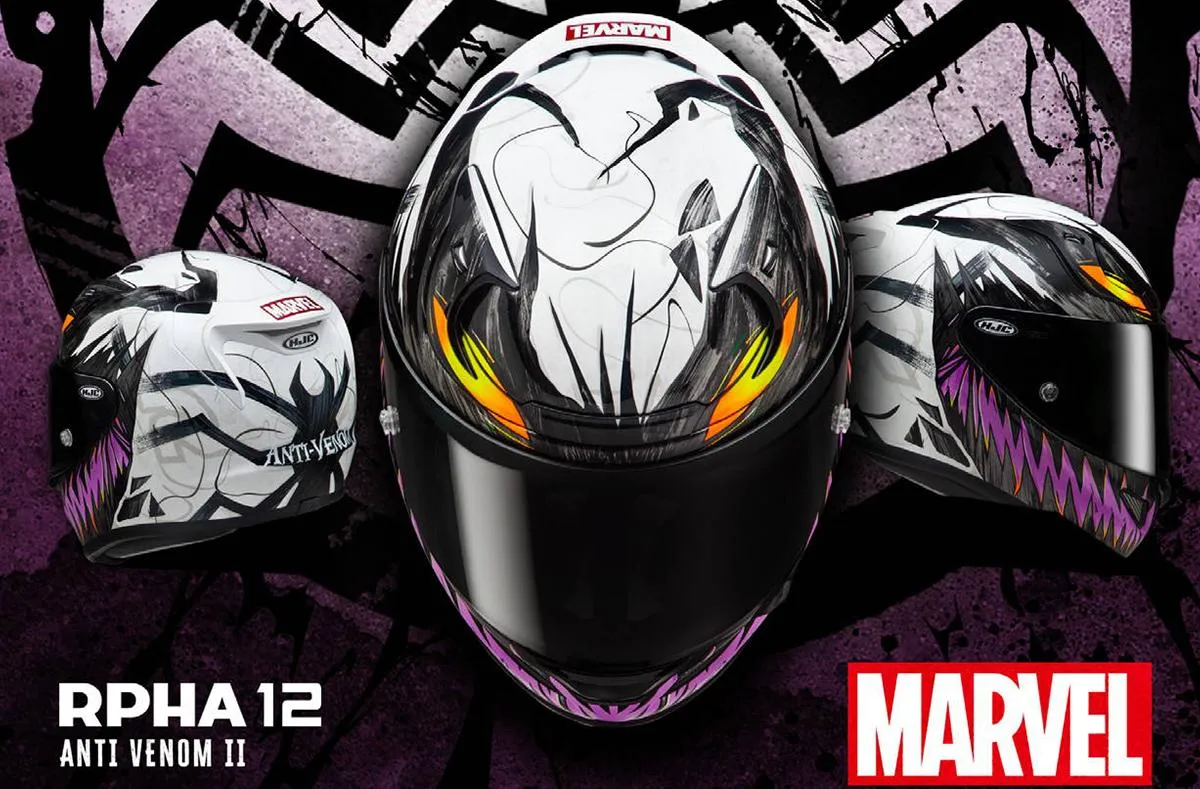
HJC teams up with Marvel again with its RPHA 12 Anti-Venom II full-face helmet.
-
The new motorcycle models of 2026 and the evolutions.

Bikers' reviews Leave a review