
Motorcycle specifications Honda CBR 900 RR FIREBLADE 1993 The New Face of Sports Cars
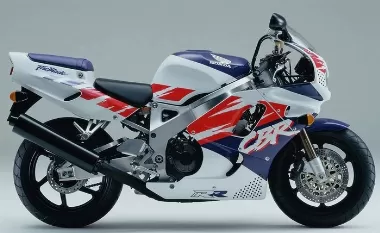

presentation of the CBR 900 RR FIREBLADE 1993
If we set aside speed cameras, potholes, diesel spills, and failure to yield the right of way, motorcycles—and sports bikes in particular—have only one enemy: weight. It was with this in mind that Tadao Baba (former director of Honda’s R&D testing department) developed the CBR 900 RR project. His goal: to design the lightest possible machine.
With the goal of delivering a motorcycle with remarkable performance, the development effort focused on several key areas. The choice of engine displacement might seem surprising—why a 900 when the competition offers models like the FZR 1000 or the GSX-R 1100? Because the key isn’t to deliver a frenzied horde of horsepower. The CBR 900 came extremely close to an ideal balance thanks to its relentless pursuit of eliminating excess weight and the development of a lightweight, compact engine. Want some telling numbers? Brace yourself: 124 ch for just 185 kg. A record-breaking weight for a large-displacement sport bike. Are you starting to picture the picture?
The Fireblade’s development wasn’t a rushed affair and required a great deal of intellectual effort. Four years of careful planning and advanced computer-aided design made it possible to optimize the latest technical solutions to create a powerful, reliable, and sleek motorcycle without resorting to difficult (and costly) innovations. The engine is state-of-the-art: a water-cooled, 16-valve, dual-ACT 4-cylinder that weighs just 68 kg—barely 6 kg more than the CBR 600, without resorting to extreme techniques reserved for racing. Every component of the CBR has been designed with the same attention to detail. The frame weighs barely more than 10 kg—and yet it’s a classically designed aluminum perimeter frame. But as we’ve told you, the quest to shed every extra kilo was relentless. So much so that when you first see it, the 900 RR seems surprisingly small for a big bike.
Its dimensions are almost identical to those of the 600. That said, there’s no mistaking them: its design is more aggressive, its lines more generous, more flattering, and more “big-bike” in character, all while maintaining that compact look. The fuel tank, however, is a different story—it’s truly imposing. The other pleasant surprise with this bike is the rider’s riding position. The riding position isn’t overly aggressive. Although the seat is fairly high, it feels more like riding a solid sport-GT like the VFR than a track-oriented bike like the Kawasaki 750 ZXR. Pleasant to ride from the very first turn of the wheel, the bike has one obvious quality: it immediately puts the rider at ease. The engine, which is incredibly smooth, contributes greatly to the riding experience. The transmission is also a model of smoothness combined with great precision (Editor’s note: some Fireblade models have had less-than-ideal play in the shifting mechanism).
A hallmark of Honda motorcycles is that they respond instantly to the rider. No instruction manual needed—the bike is ready to ride right away. This trait is also present on this 900, a rarity worth noting since most sport bikes are more aloof.
Once up to speed, this featherweight bike literally captivates with its handling. For a sport bike in this class, its agility is simply incredible. Riding it feels effortless and natural, even when the pace picks up. The steering, which is easy to control, is impressively precise. You can position the CBR exactly where you want it; the front end takes care of the rest. It may be a bit too light at times during hard acceleration—watch out for the road surface—but it leaves plenty of room to maneuver, allowing you to correct your line, even while leaning, without much effort. This sport bike boasts exemplary handling. Its balance of weight, power, ease of handling, lightness, and efficiency is close to perfection. You might even wonder if it hasn’t already achieved it. These excellent Bridgestone tires—including a massive 180 at the rear—serve it perfectly in its handling.
We probably shouldn’t say this, but it’s really frustrating to have to settle for the 100 cv version in France. We’ve already seen that the engine is very smooth. You realize when riding it that it pairs very well with the chassis. Lively, it doesn’t hesitate to rev up and really comes alive at high RPMs. OK, it doesn’t have the punch of a 1100 Kawa or a 1000 FZR, but the bike it’s powering is much lighter than those models.As a result, it delivers impressive acceleration that’s right up there with the best. In a high-speed run, if you reach the same speed entering a twisty section, you’ll gain a decisive advantage with the Honda. Less weight means later braking, more effective corner entry, and higher cornering speed. Take on any other sport bike—even if the others keep up with you on the 400-meter straight, you’ll come out of the turn 3 seconds ahead.
Cheaper but just as effective and agile as a YZF 750 R, more so than a GSX-R 1100, less radical and far more versatile and user-friendly than a ZXR 750—the Honda CBR 900 RR Fireblade enjoys the luxury of being the lightest of the sport bikes, an advantage it uses to the fullest. The competition has been left in the dust, and it’s hard to see who could challenge it.
M.B.
(inspired by Moto-journal—manufacturer photos)
by Greg
Greg is the founder of Motoplanete—a website created in 2001 to share his passion with his friends and showcase as many motorcycle models as possible to his readers. Self-taught and a jack-of-all-trades, his discovery of the world of motorcycles led him to work as a photographer, rider, team manager, web developer, graphic designer, editorial assistant, and editor-in-chief.
 Share
Share
Key facts Honda CBR 900 RR FIREBLADE (1993) : What you need to know before you buy
Highlights
- Remarkable uniformity
- Effectiveness
- Versatility
Weak points
- Price
- Braking
Prices
| Basic version | |
|---|---|
 France France |
10,000€
|

Performance
- Max speed : 245 km/h (152.20 mph)
- 0-100 km/h acceleration : 3.40 s
- Average fuel consumption : 6.10 liters/100km (0.39 mpg)
-
Estimated range
: 295 km (183 miles)
Calculated range until tank is empty, not verified.
History

Specifications Honda CBR 900 RR FIREBLADE 1993
- Chassis
- Two-seater saddle
- Frame : Double aluminum beam
- Fuel capacity : 18 liters (4.76 US gallons)
- Seat height : 800 mm (31.50 in)
- Length : 2,065 mm (81.30 in)
- Min height : 1,135 mm (44.69 in)
- Wheelbase : 1,400 mm (55.12 in)
- Dry weight : 185 kg (408 lb)
- Weight when fully loaded : 207 kg (456 lb)
- Front axle
- hydraulic telescopic fork, Ø 45 mm, Wheel travel : 120 mm (4.72 in)
- Braking 2 discs Ø 296 mm (11.65 in), 4-piston caliper
- Front tire : 130 / 70 - 16 → Order this type of tire
- Pressure : 2.5 bar
- Transmission
- 6 stage gearbox , manual
- Secondary by chain
- Rear axle
- Single shock absorber, Wheel travel : 112 mm (4.41 in)
- Braking 1 disc Ø 220 mm (8.66 in), single-piston caliper
- Rear tire : 180 / 55 - 17 → Order this type of tire
- Pressure : 2.9 bar
- Motor
- 4 cylinders online , 4 strokes
- 4 carburetors, 34 mm in diameter
- Cooling system : liquid
- 2 ACT
- 4 valves per cylinder
- 893 cc
- 124 ch (122.30 hp) to 10,000 rpm
- 9 mkg to 8,500 rpm
- Power-to-Weight Ratio : 1.51 kg/ch
- Torque-to-Weight Ratio : 20.56 kg/mkg
- Compression : 11.1 : 1
- Practical information
Essentials
 Motoblouz
 LaBécanerie


Gallery


Models
1993


1992


Used
Competitors


Compare the CBR 900 RR FIREBLADE to its competitors
Compared to its 3 direct competitors, this CBR 900 RR FIREBLADE holds a particularly dominant position, establishing itself as the benchmark across several key criteria. It outperforms the segment by combining torque of 9 Nm, weight of 185 kg, and power-to-weight ratio of 1.51 kg/ch. Its range limited to 295 km will require more frequent gas stops.
Acceleration
Fuel consumption
Range
Torque
Power
Power-to-Weight ratio
Torque-to-Weight ratio
Speed
FAQ Your frequently asked questions about the CBR 900 RR FIREBLADE 1993
- What is the power of the CBR 900 RR FIREBLADE?
-
The CBR 900 RR FIREBLADE 1993 develops a power of 124 ch (122.30 hp)
- What is the torque of the CBR 900 RR FIREBLADE?
-
The maximum torque of the CBR 900 RR FIREBLADE 1993 is 9 mkg to 8,500 rpm.
- What is the maximum speed of the CBR 900 RR FIREBLADE?
-
The CBR 900 RR FIREBLADE 1993 is capable of reaching a top speed of 245 km/h (152.20 mph) on the track.
- What is the weight of the CBR 900 RR FIREBLADE?
-
The CBR 900 RR FIREBLADE 1993 has a a dry weight of 185 kg (408 lb), a weight when fully loaded of 207 kg (456 lb).
- What is the fuel consumption of the CBR 900 RR FIREBLADE?
-
Average fuel consumption is estimated at 6.10 l/100km (0.39 mpg) according to the WMTC cycle.
- QWhat is the seat height of the CBR 900 RR FIREBLADE?
-
To ensure good accessibility, the CBR 900 RR FIREBLADE 1993 offers a minimum seat height of 800 mm (31.50 in).
- What is the price of the CBR 900 RR FIREBLADE?
-
The price of the CBR 900 RR FIREBLADE 1993 is 10,000€ in France
- Is the CBR 900 RR FIREBLADE approved for transporting a passenger?
-
Yes, this vehicle is equipped as standard for 2 people.
- What size tires should I put on my CBR 900 RR FIREBLADE?
-
The standard size for a CBR 900 RR FIREBLADE 1993 is 130 / 70 - 16 for the front, and 180 / 55 - 17 for the rear.
News
-
2026 MXGP of China: Herlings Unbeatable, McLellan Delays the MX2 Title
-
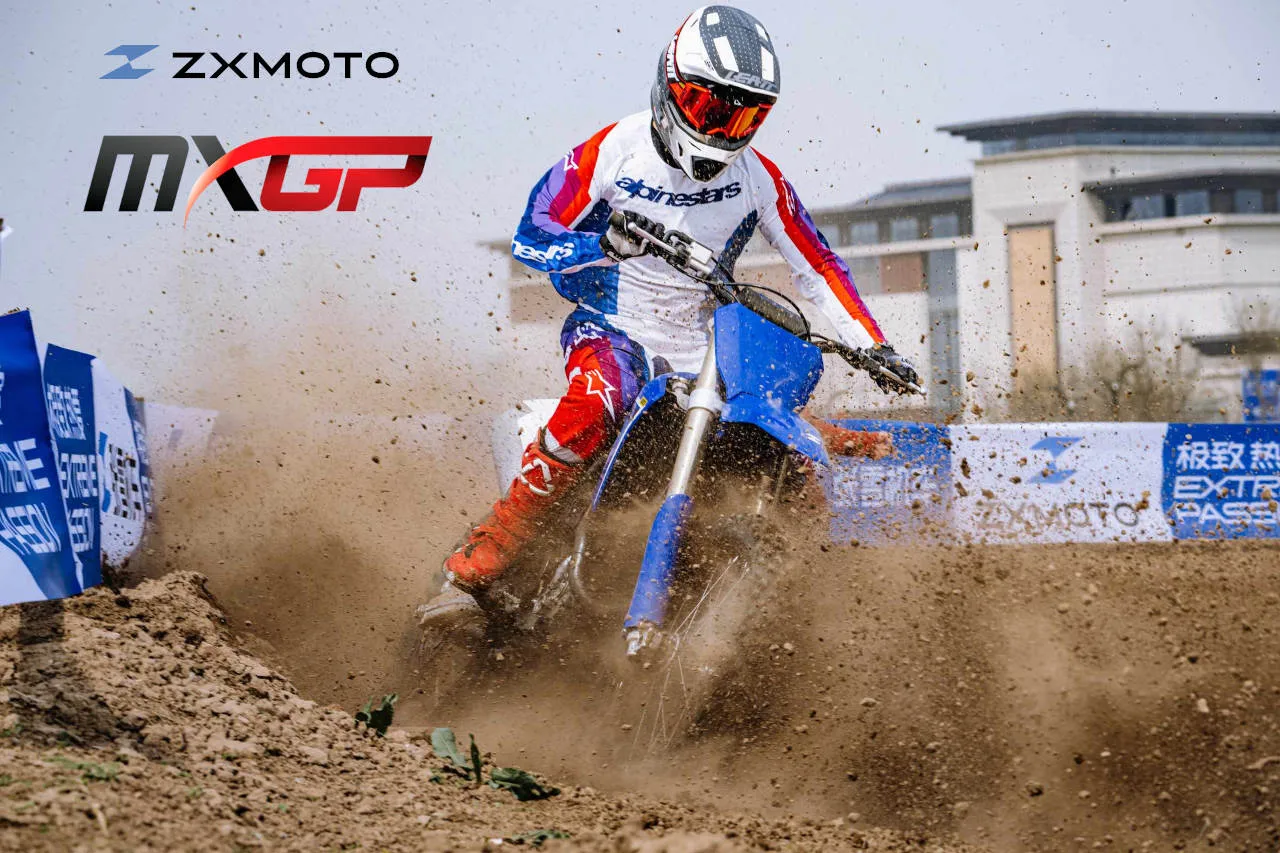
MXGP 2027: Kove and ZXMoto Join the Championship
-
SC Project is working on the 2026 Suzuki GSX-R1000R.
-
2026 MXGP of Turkey: Herlings Crowned World Champion!
-
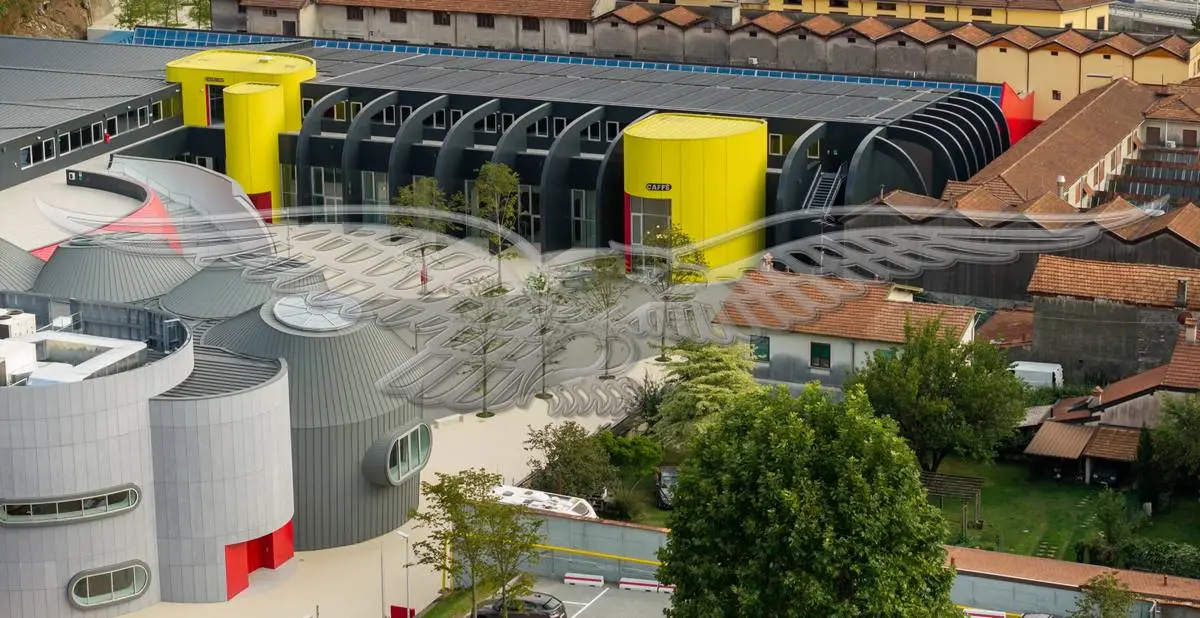
Moto Guzzi: In Mandello, the historic factory is taking on a new scale.
-
ZXMoto in MXGP 2027: The Hypothesis of an Off-Road Earthquake
-
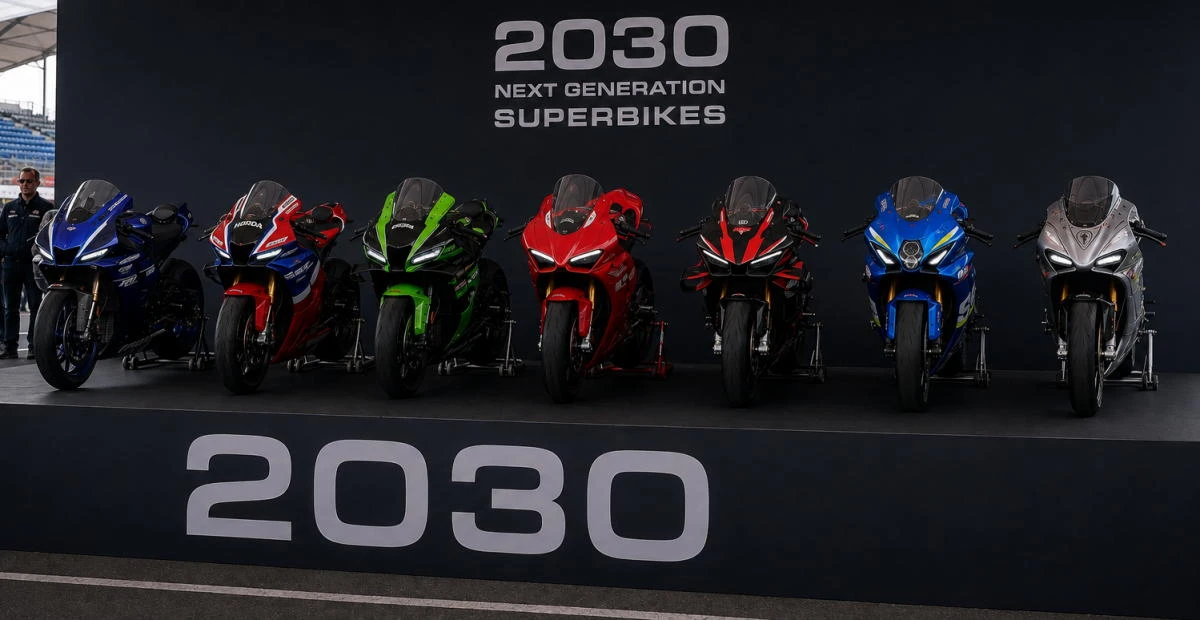
Superbike - Will 240 ch sport bikes soon be available at dealerships?
-
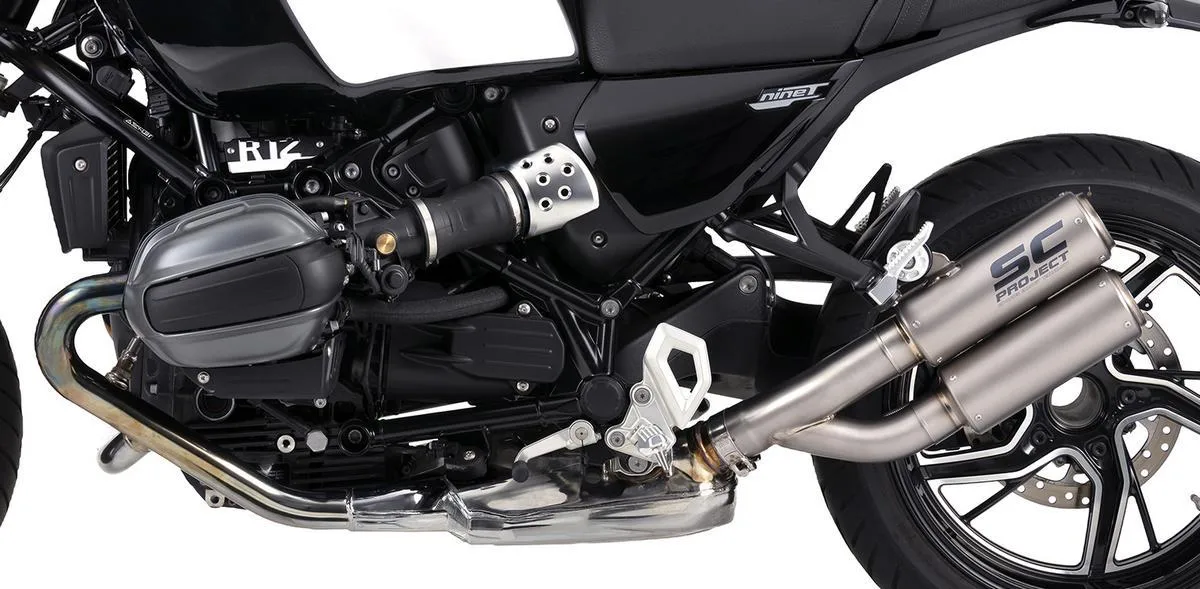
2 new SC-Project mufflers for the R 12 NineT and G/S.
-
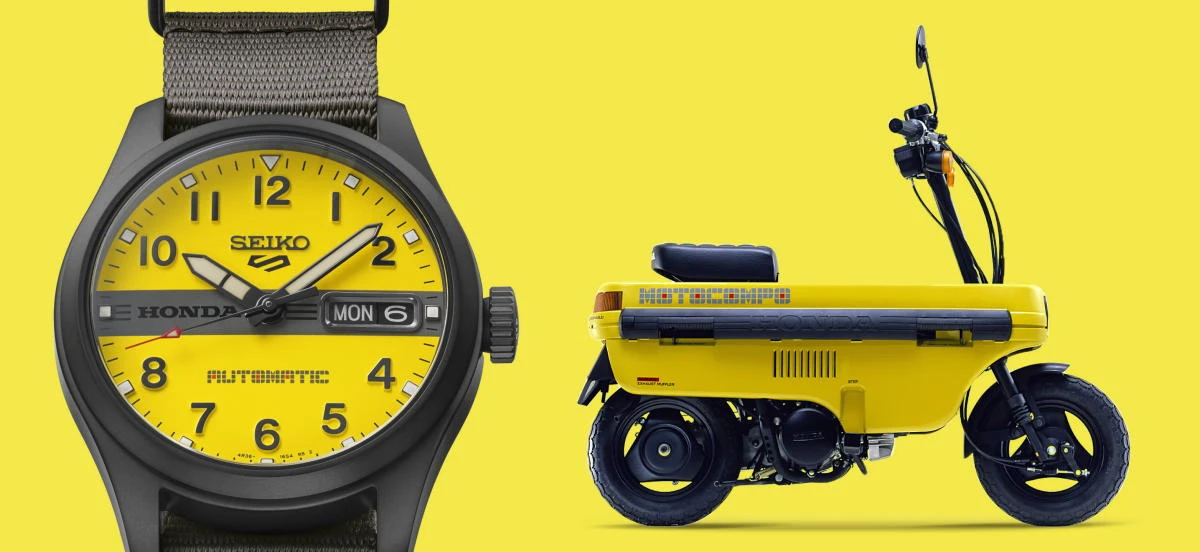
Seiko unveils a watch inspired by the Honda Motocompo.
-
The new motorcycle models of 2026 and the evolutions.

Bikers' reviews Leave a review - 14 reviews
I almost bought this bike years ago, for only 1500 e with 50.000 kms. I remember being bluffed by its handling, its ease, its behavior, its power for the time. But I opted for a 1992 Gex.
Today, I'm looking for one to ride with my mother on Sundays, as the 1198 isn't very comfortable for her back! Rating : 5/5 Respond to CASSEUR DE VENT
it still runs very well and has nothing to be ashamed of compared to younger sports bikes
only the braking is really lacking Rating : 4/5 Respond to stef
can you tell me if this petrol is suitable for a 1992 HONDA 900 CBRR or if I should switch to Super 98 petrol?
thank you for your advice Rating : 4/5 Respond to zouzou
E10 is known to be harmful to many models, so we advise you to use 98 by default.
Bonne route Rating : 5/5 Participate in the conversation
Avoid 95 which is not really good for our bikes, and use 98. I ride exclusively with 98 and it goes very well. What's more, 98 is of better quality, according to my mechanic. Rating : 4/5 Participate in the conversation
It's easy to handle, intuitive and I find it brakes hard, very hard.
My 104,000-km beauty doesn't eat a drop of oil and starts right up.
Rating : 5/5 Respond to firmin
everyone who's ridden mine is amazed by the quality and consistency of this 20-year-old machine.
well-handled, it'll eat up a lot of machines with much more flattering spec sheets!
Rating : 5/5 Respond to marushin