
Motorcycle specifications Kawasaki Ninja 400 2020 Ninja Kid


presentation of the Ninja 400 2020
whenthe likeable Ninja 250 R appeared in 2008, it hardly suffered from any competition in a category that is uncommon in Europe. Then the Ninja 300 R took over in 2013, and saw the arrival of other baby-sportives(Yamaha YZF-R3, KTM RC 390, Suzuki GSX 250 R, Honda CBR 300 R) initially intended for emerging countries.mergent countries, but which the new driving license rules (thanks to the A2* license) have largely brought back to the forefront, making them an ultra-competitive category. It was therefore without fear that we learned of the Ninja 300' s disappearance from the catalog in 2017. Indeed, it was certain that Kawa would quickly return to the fray. And so, after a year of silence, the mini-Ninja flexes its muscles again in 2018, with a new model: the Ninja 400.
And looking at the results, it's easy to forgive the Nippon engineers for skipping 2017. Power, braking, chassis, finish... everything has been improved in this new low-size Ninja. And if we add a slimming treatment and a KRT-style facelift, all the ingredients are in place to continue the seduction of these fun, bubbly mini-sportives.
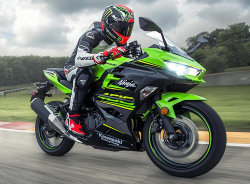
Ninja 400 we say? Yes, because its parallel twin has gained 100 cm3 in displacement and now caps out at a cube that echoes a past generation: reminiscent of the 1990 ZXR 400 R? But stop. The comparison ends there: 15 years ago, it was an in-line 4-cylinder that churned out 65 horsepower. Today, the 399cm twin-cylinder boasts 45 ponies.... - 6 more than the Ninja 300. More power, but also more torque. The latter will also be available earlier, since Kawa has announced 38 Nm at 8,000 rpm, compared with 27 at 10,000, a significant gain of 11 Nm.
kawasaki has designed this new engine with the same care as its larger-displacement mills. A great deal of work has gone into the air intake. The flow has been optimized and the airbox increased in volume (5.8 L vs. 4.7 previously) to facilitate revving. The left and right intake cones are of different heights to contribute to a smoother engine response and to attenuate torque dips.
in addition, the machine will be equipped with the 'Assist & Slipper' double-cam Slipper' dual-cam assisted clutch to smooth the clutch lever and prevent rear-wheel lock-up in the event of violent downshifting.
overall, the engine has been designed to be as compact as possible, so that its weight and overall dimensions are almost identical to those of the Ninja 300cm3.
other weight-saving solutions include a lighter frame and swingarm, and forged camshafts.forged camshafts, a compact clutch, reduced fluid delivery and a lightened exhaust). The Ninja 400 loses 8 kg and claims 168 kg, compared with 176 kg for the bike it replaces. Among the welcome little extras is a new patented system that places the fan behind the radiator, allowing hot air to be evacuated away from the rider, thus avoiding hot flushes in traffic jams. The other benefit is to reduce the need for insulating parts, thus saving precious grams.
if the engine is new, so is the tubular trellis frame inspired by that of the Ninja H2 (as for the Ninja 650), which ensures greater rigidity without making the machine heavier. Another similarity with the H2 is that the swingarm is directly connected to the engine, which plays an essential role in the bike's rigidity. This makes for a long swingarm, while retaining a reduced wheelbase of 1,370 mm for improved handling and stability. As for the peripherals, the 41 mm telescopic fork has been stiffened and the rake angle closed, which should improve precision compared to the Ninja 300. For rear suspension, the Ninja retains a preload-adjustable monoshock.
Wheels: 5-spoke star wheels similar to those on the Ninja 650. These will be shod with Dunlop Sportmax GPR-300s with a versatile profile. As a sign of the Ninja's growing stature, the rear gommard has been increased from 140 to 150 mm.
For braking, the front will be slowed by a 310 mm semi-floating petal disc (as on the ZZR 1400! - but it has 2) and bitten by a two-piston caliper. Rear braking is handled by a 220mm petal disc and a two-piston caliper. Standard ABS is managed by Nissin's console, heralded as the most compact and lightweight on the market.
The riding position remains sporty but not radical. The 785 mm seat height and 30 mm slimmer front end will enable smaller riders to put their feet down with ease. The design has also evolved. Inspired by the ZX 10-R, it also includes nods to the H2, which seems to have become Kawa's benchmark for sportiness. The Ninja 400's design has taken on a new look. In profile, the front end is less scowling, with a more upturned nose and a frank look. The connection with the H2 is underlined by the two small spoilers under each headlight. The same goes for the rear seat. As a sign of improved quality, the manufacturer has announced more painted parts, while the indicators remain integrated into the fairing sides. All front and rear lighting is full LED.
And the instrumentation has all the bells and whistles! This Ninja 400 inherits the Ninja 650's dashboard, with its needle-type rev counter framed on the left by a bar of warning lights, and on the right by a large multifunction LCD display. While the fuel tank now holds just 14 liters (down from 17), the machine's range is still estimated at 350 km, thanks in no small part to the weight savings.
As you can see, this little motorcycle has all the ingredients to enjoy the twists and turns of our small country roads without risking losing your license in the slightest straight line...
M.B - Manufacturer's photos
* A2 regulations require a motorcycle with a maximum power output of 47.6 hp (35 kW), a maximum power output of 95 hp (70 kW) and a maximum power-to-weight ratio of 0.2 kW per kg.
by Greg

Greg is the founder of Motoplanete—a website created in 2001 to share his passion with his friends and showcase as many motorcycle models as possible to his readers. Self-taught and a jack-of-all-trades, his discovery of the world of motorcycles led him to work as a photographer, rider, team manager, web developer, graphic designer, editorial assistant, and editor-in-chief.
 Share
Share
Key facts Kawasaki Ninja 400 (2020) : What you need to know before you buy
Highlights
- Petite moto valorisante
- Safe motor
- Finition
Weak points
- Exhaust sound
Prices
| Basic version | |
|---|---|
 France France |
6,299€
|


Performance
- Max speed : approximately 170 km/h (105.60 mph)
History

Specifications Kawasaki Ninja 400 2020
- Chassis
- Frame : Tubular steel structure
- Fuel capacity : 14 liters (3.70 US gallons)
- Seat height : 785 mm (30.91 in)
- Length : 1,990 mm (78.35 in)
- Width : 710 mm (27.95 in)
- Min height : 1,120 mm (44.09 in)
- Wheelbase : 1,370 mm (53.94 in)
- Weight when fully loaded : 168 kg (370 lb)
- Front axle
- Telescopic fork Ø 41 mm, Wheel travel : 120 mm (4.72 in)
- Braking 1 disc Ø 310 mm (12.2 in), 2-piston caliper
- Front tire : 110 / 70 - 17 → Order this type of tire
- Pressure : 2 bar
- Transmission
- 6 stage gearbox
- Secondary by chain
- Rear axle
- Mono-damper, Wheel travel : 130 mm (5.12 in)
- Braking 1 disc Ø 220 mm (8.66 in), 2-piston caliper
- Rear tire : 150 / 60 - 17 → Order this type of tire
- Pressure : 2.25 bar
- Motor
- two-cylinder parallel , 4 strokes
- Injection Ø 32 mm
- Cooling system : liquid
- 2 ACT
- 4 valves per cylinder
- 399 cc
- 45 ch (44.40 hp) to 10,000 rpm
- 3.90 mkg to 8,000 rpm
- Power-to-Weight Ratio : approx. 3.5 kg/ch
- Torque-to-Weight Ratio : approx. 39.85 kg/mkg
- Compression : 11.5 : 1
- Standard equipment
- Brake assist : ABS
- Practical information
Essentials
 Motoblouz
 LaBécanerie


Gallery


Models
2023


2020


2019


2018


Used


Compare the Ninja 400 to its competitors
Compared to its 3 direct competitors, this Ninja 400 holds a particularly dominant position, establishing itself as the benchmark across several key criteria. It outperforms the segment by combining power output of 45 ch, torque of 3.9 Nm, and top speed of 170 km/h. Its overall spec sheet reveals no noticeable weak points in this segment.
Fuel consumption
Range
Torque
Power
Power-to-Weight ratio
Torque-to-Weight ratio
Speed
CO² emissions
FAQ Your frequently asked questions about the Ninja 400 2020
- What is the power of the Ninja 400?
-
The Ninja 400 2020 develops a power of 45 ch (44.40 hp)
- What is the torque of the Ninja 400?
-
The maximum torque of the Ninja 400 2020 is 3.90 mkg to 8,000 rpm.
- What is the maximum speed of the Ninja 400?
-
The Ninja 400 2020 is capable of reaching a top speed of approximately 170 km/h (105.60 mph) on the track.
- What is the weight of the Ninja 400?
-
The Ninja 400 2020 has a a weight when fully loaded of 168 kg (370 lb).
- QWhat is the seat height of the Ninja 400?
-
To ensure good accessibility, the Ninja 400 2020 offers a minimum seat height of 785 mm (30.91 in).
- What is the price of the Ninja 400?
-
The price of the Ninja 400 2020 is 6,299€ in France
- What size tires should I put on my Ninja 400?
-
The standard size for a Ninja 400 2020 is 110 / 70 - 17 for the front, and 150 / 60 - 17 for the rear.
News
-
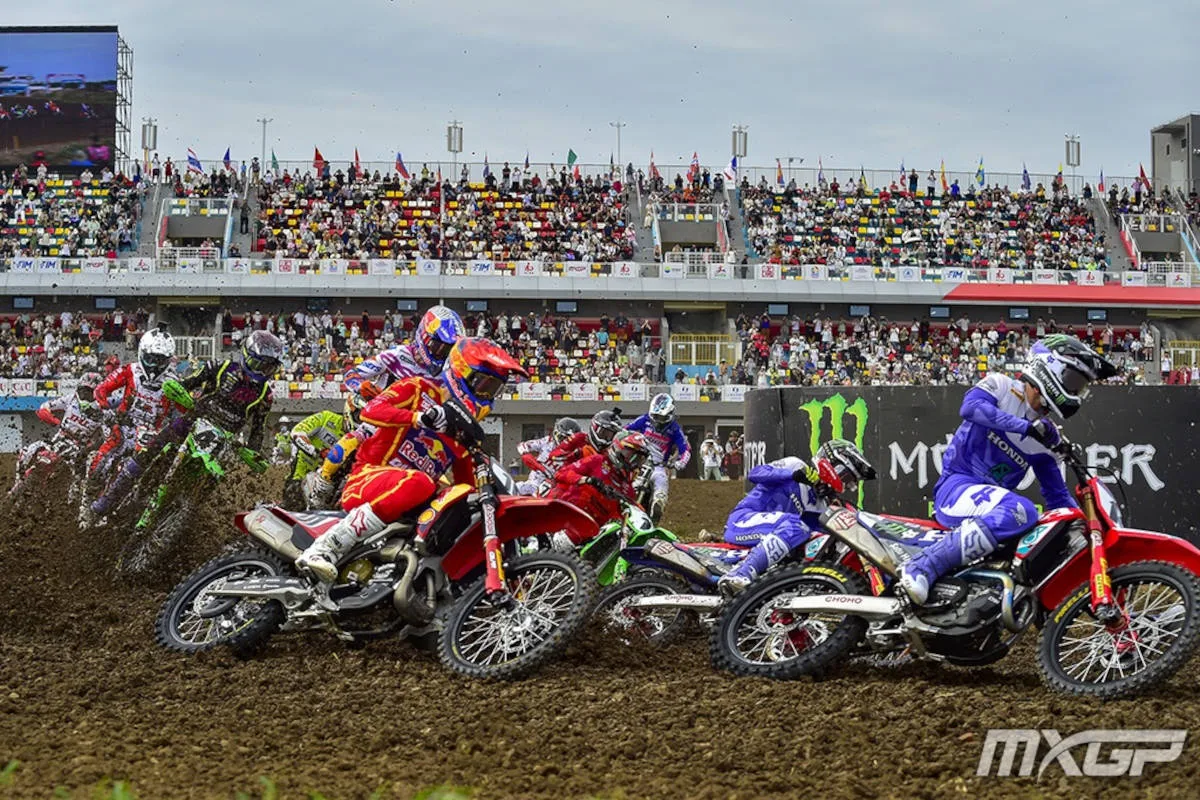
2026 MXGP of China: Herlings Unbeatable, McLellan Delays the MX2 Title
-
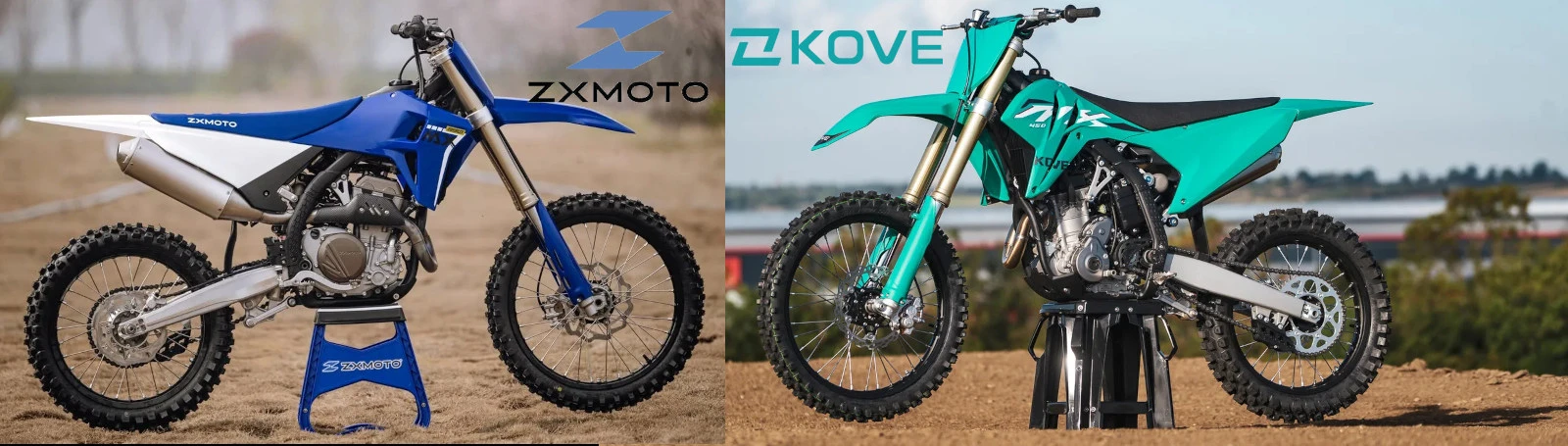
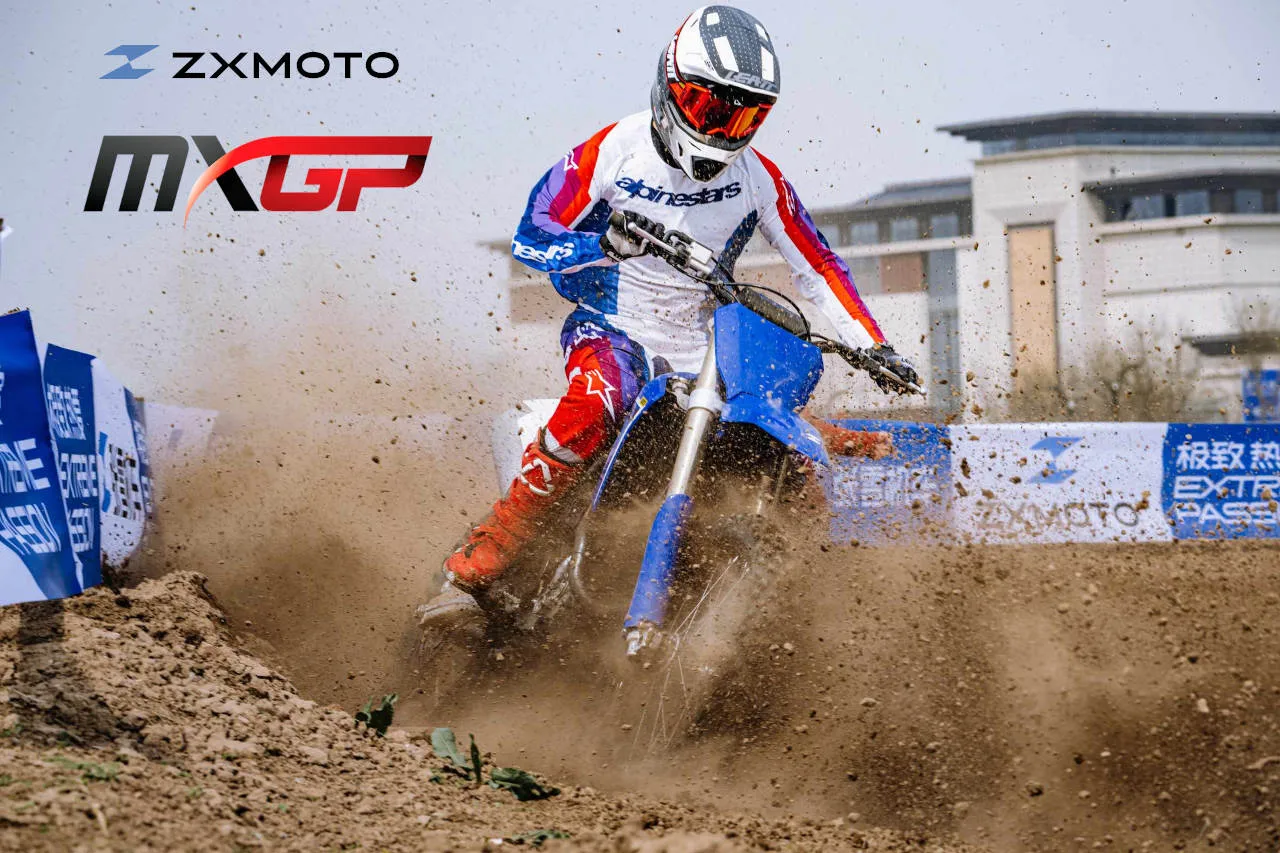
MXGP 2027: Kove and ZXMoto Join the Championship
-
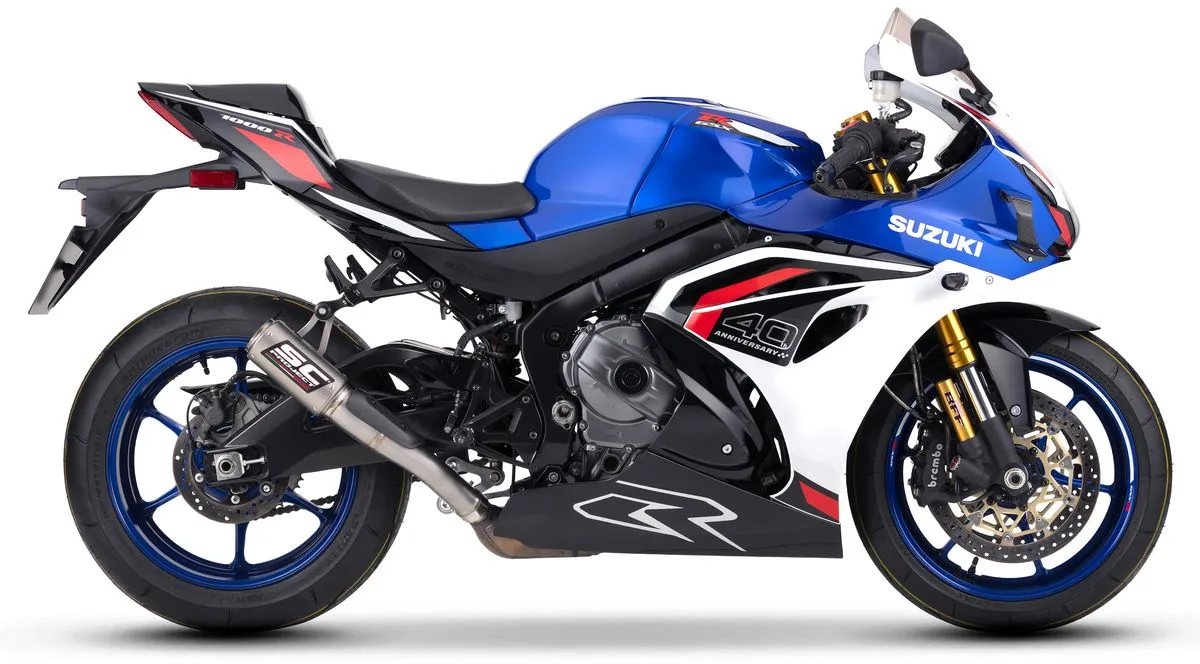
SC Project is working on the 2026 Suzuki GSX-R1000R.
-
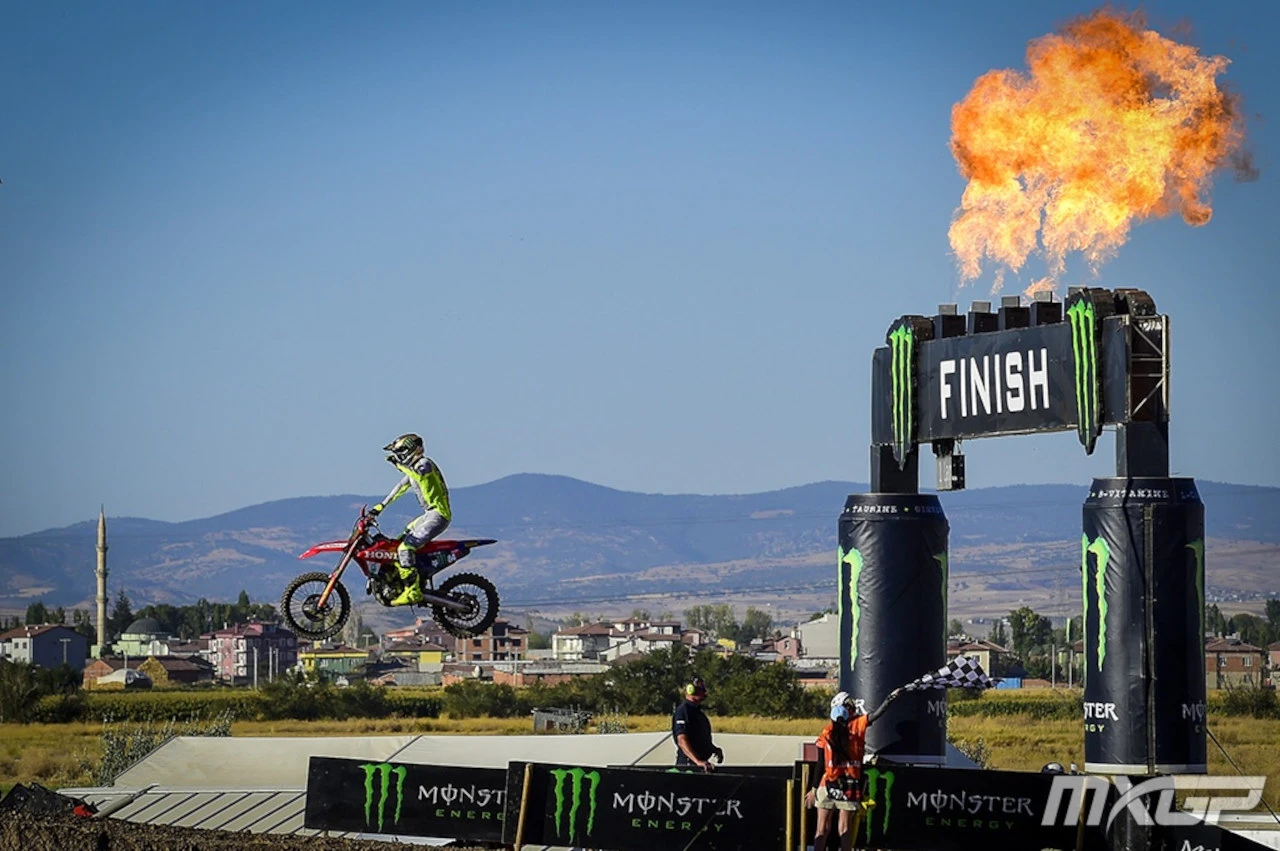
2026 MXGP of Turkey: Herlings Crowned World Champion!
-
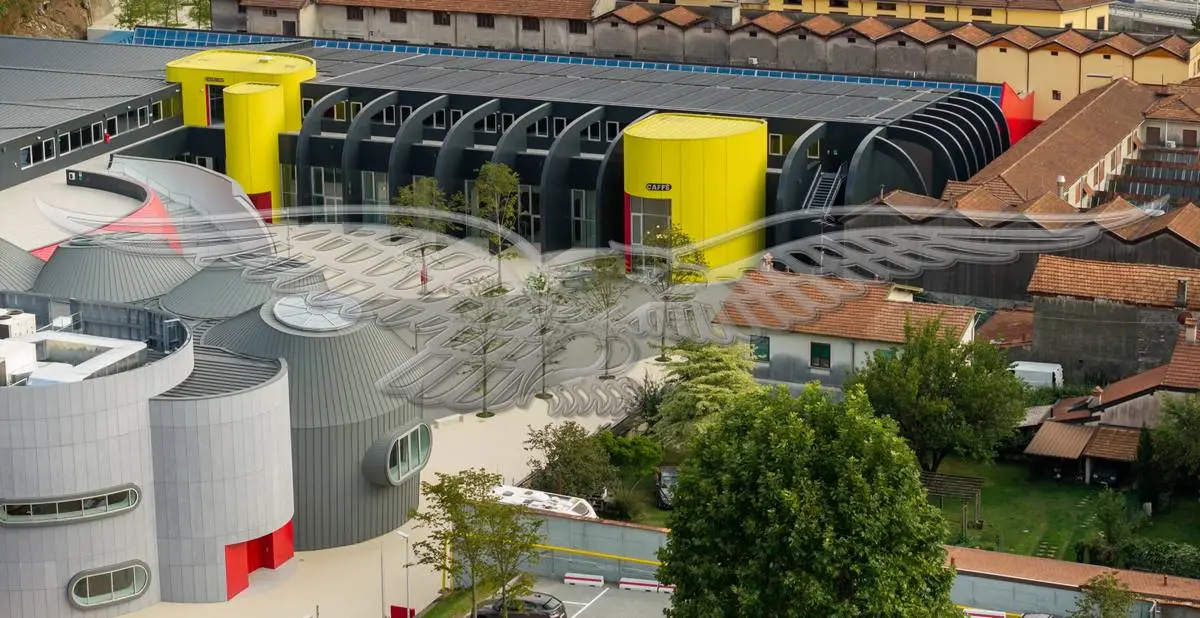
Moto Guzzi: In Mandello, the historic factory is taking on a new scale.
-
ZXMoto in MXGP 2027: The Hypothesis of an Off-Road Earthquake
-
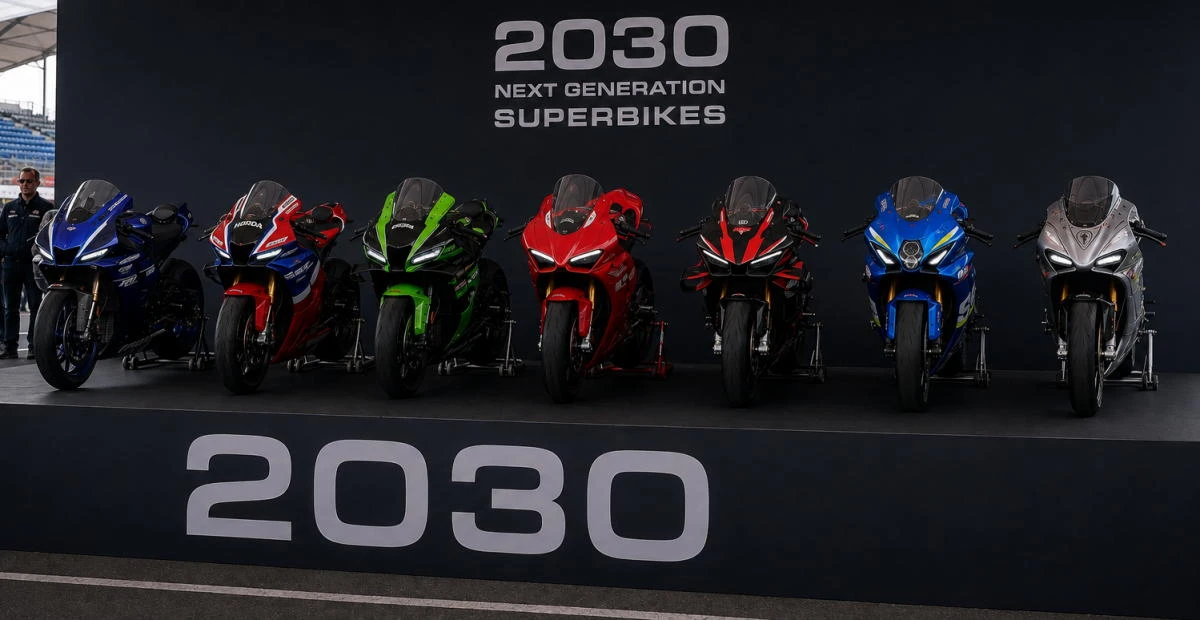
Superbike - Will 240 ch sport bikes soon be available at dealerships?
-
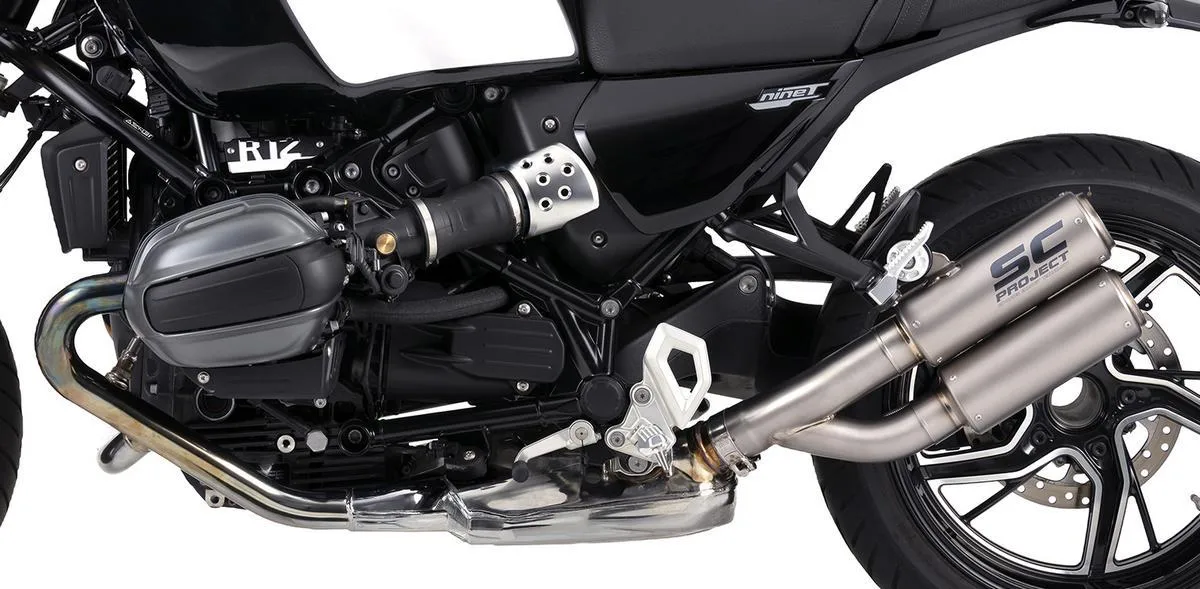
2 new SC-Project mufflers for the R 12 NineT and G/S.
-
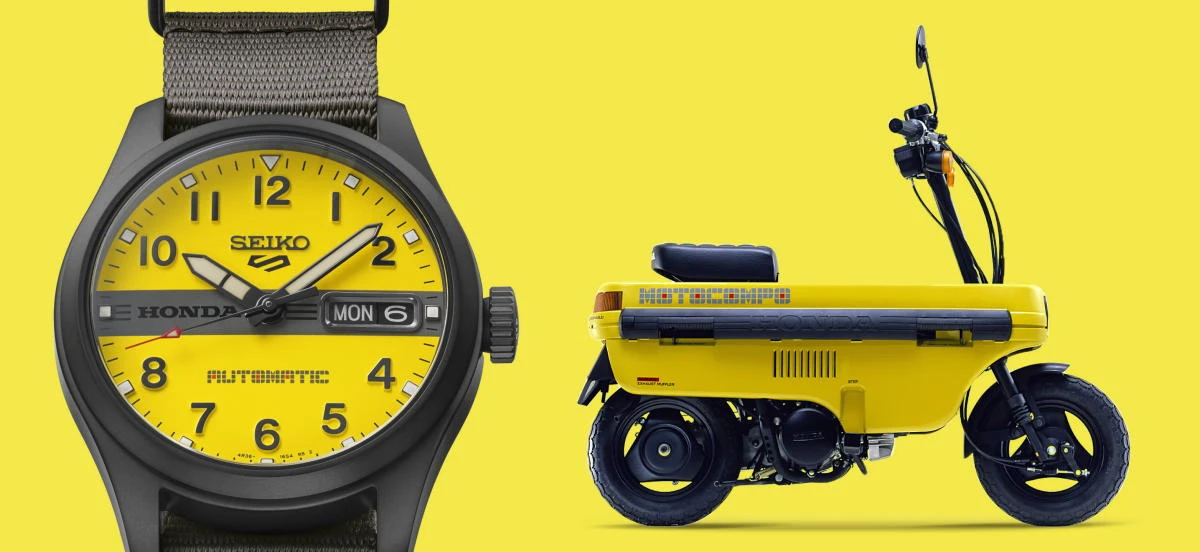
Seiko unveils a watch inspired by the Honda Motocompo.
-
The new motorcycle models of 2026 and the evolutions.

Bikers' reviews Leave a review - 7 reviews
Despite its sporty, eye-catching looks, this Ninja 400 remains a reasonable and very safe motorcycle, with no need for traction control or other gadgets. Its safety lies in its linear engine, its ability to enter bends, its powerful yet easily controllable braking and its riding position, which is sportier than a roadster but not radical. On fast lanes, I love leaning slightly behind the little bubble! Its performance is astonishing, and you'll already be able to let go of a lot of lift under acceleration. And let's not forget another important point: reliability! Shortcomings? The duo: don't expect your passenger to feel at ease. And the equipment is a bit sparse. At this price, I haven't found anything better! Rating : 4/5 Respond to Solb13
The only drawback is for the passenger: small seat, uncomfortable, cramped position. I make a lot of trips with my girlfriend, and we have to take a break after 45 minutes. I've had my A license for some time now, and if I decide to leave my Ninja, it's only for my passenger.
The sound of the original pot too, but it's a matter of taste: you can hear that it's only a 400 when you start it up. After that, another pot can be fitted if necessary
If you've just got your motorcycle license and you're not planning to go on long, regular rides with a passenger, don't hesitate, it's top of the range! And its sporty look <3 Rating : 5/5 Respond to Dennis
For 300â'¬ you can find aftermarket Euro4 mufflers ( Arrow,ixil, Ixrace... ) that let you enjoy a livelier sound
For the price, the 2020 remains at 6199â'¬, no increase (unlike the z400, which takes an extra 100â'¬) Rating : 5/5 Respond to Kouign
A 125 with 45hp
2 shortcomings
Slippery seat and duo sacrificed for looks
The rest is formidable
The example that you don't need more hp to enjoy yourself without frustration
We should see it roll!
✌ï¸Jp
Rating : 4/5 Respond to Jp851sbk
Sportbikes have become a niche market, and even more so for small-displacement sportbikes, so why not push the concept to the limit? Sales would be no less good, and it might even arouse more interest among fans of the genre.
Kawa isn't the only one to bring out pseudo-sport bikes, but do customers want Canada Dry sports bikes? Rating : 4/5 Respond to drf