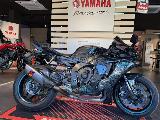
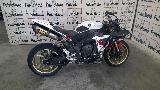
from 1998 to 2026R1 - The hypersport brought the racetrack to the road.
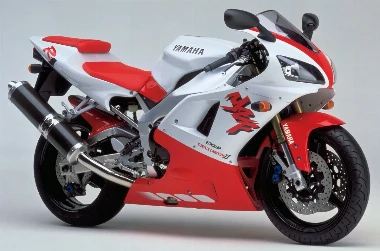
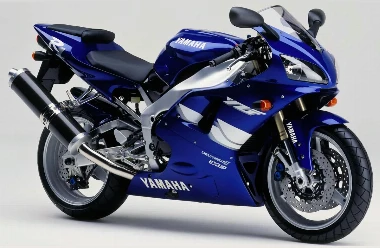
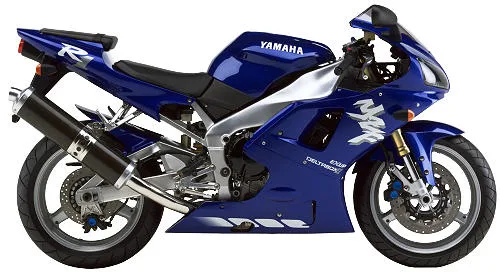
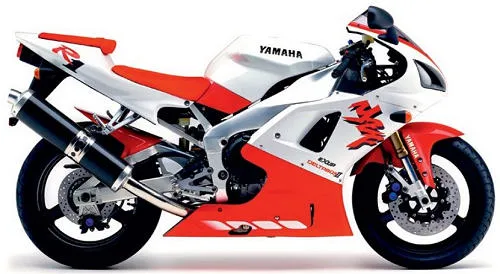
In September 1998, Yamaha dropped a bombshell on the world of superbikes: the compact and ultra-light YZF-R1 arrived as a radical response to the notion that “more power = more weight.” With a 998 cm³ engine producing 150 chevaux, combined with the handling, responsiveness, and chassis of a “nearly 600,” the R1 instantly became the benchmark.
Throughout the 2000s, the R1 was refined without losing its essence: switching from carburetors to fuel injection in 2002, engine and chassis tweaks, and upgraded brakes—changes that made it more practical for road use while retaining its sporty character.
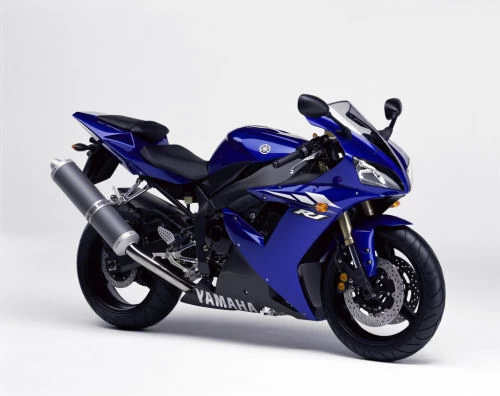
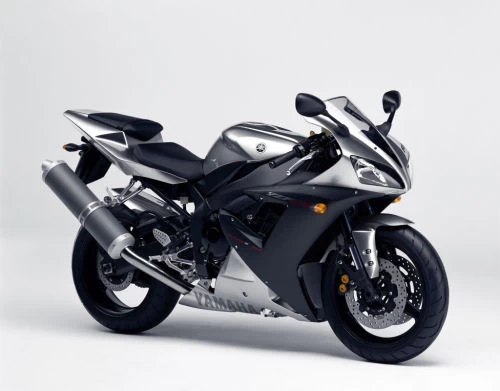
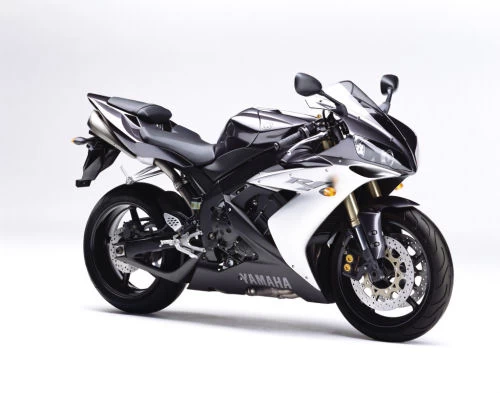
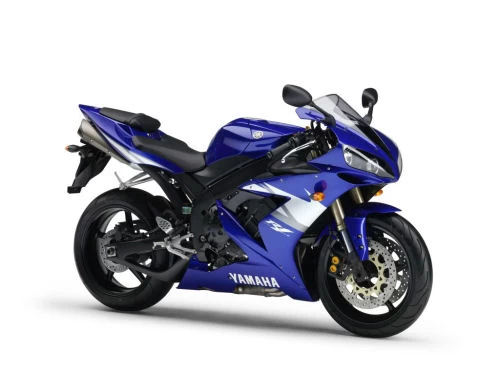
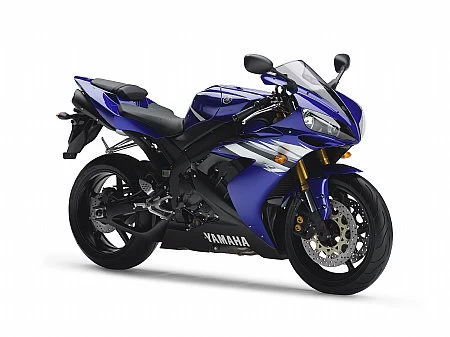
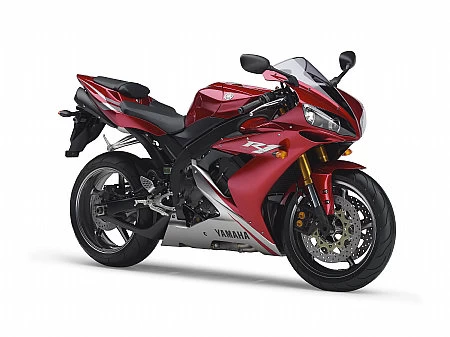
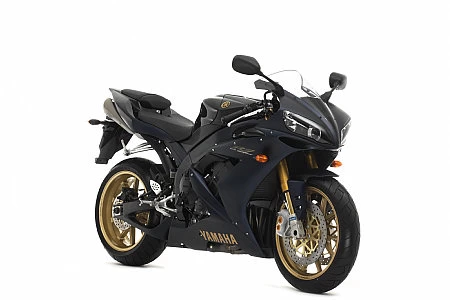
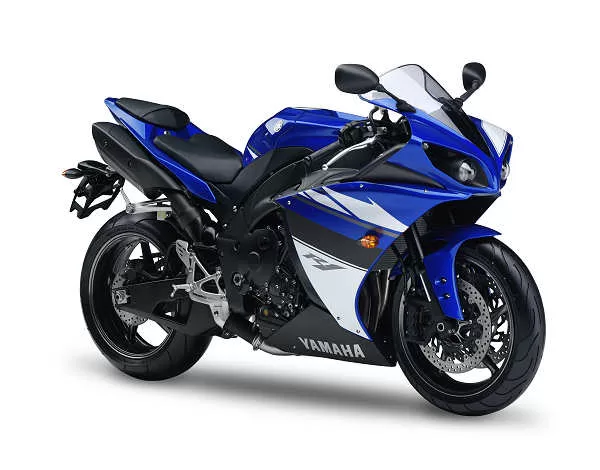
In 2004, Yamaha focused on the frame and performance; in addition to a silhouette worthy of a stunning Italian superbike, the machine remained responsive but more refined. In 2009, a technical turning point arrived: the adoption of “ crossplane” (CP4) technology changed the engine’s character—more usable torque, a different acceleration response, and a distinctive engine note . Over the next decade, the R1 was equipped with increasingly sophisticated electronic aids (IMU, traction control, quickshifter) that refined its handling without dampening its original aggressiveness.
But the commercial landscape shifted in 2025: Faced with new European emissions standards (EU5+), Yamaha stopped certifying its street-legal R1s for Europe—the R1 continued primarily as a “track/race” model and remained available temporarily in certain markets. This marks the end of a road-going chapter, but not the end of the legend of a motorcycle that has left its mark on three decades through its innovations and character.


 Share
Share
Models
1998
1999
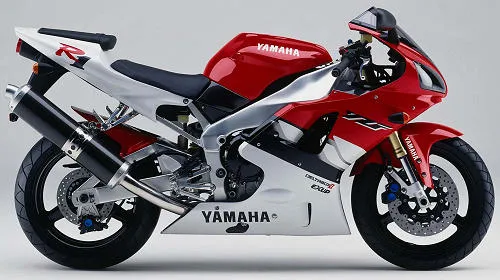
2000
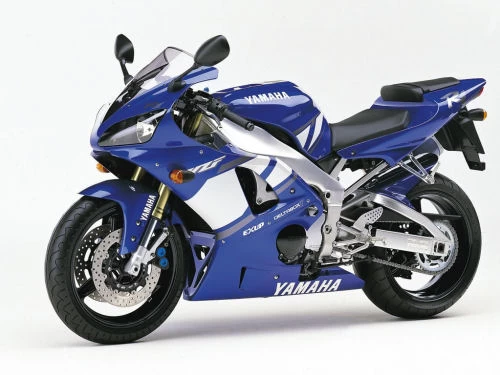
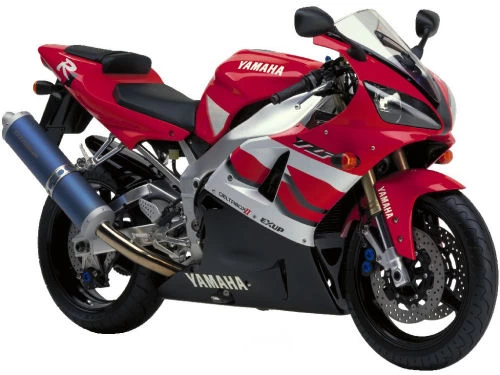
2001
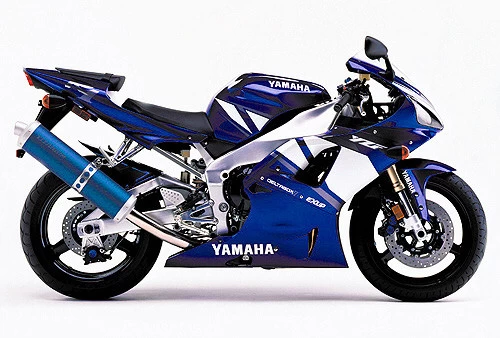
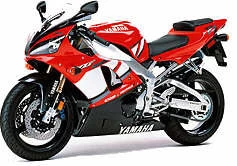
2002
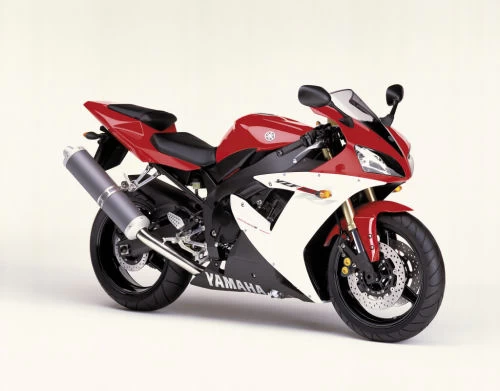
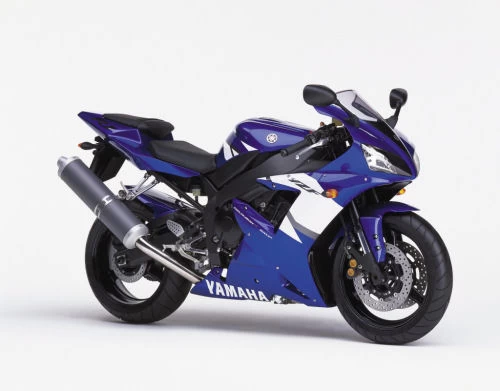
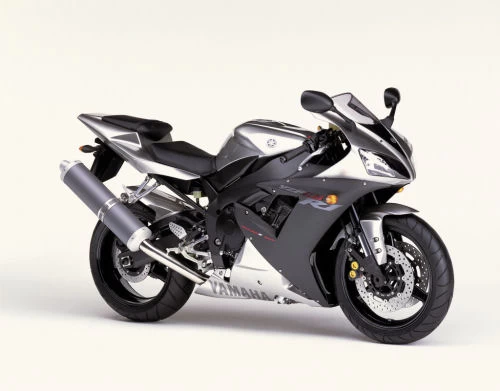
2003

2004


2005
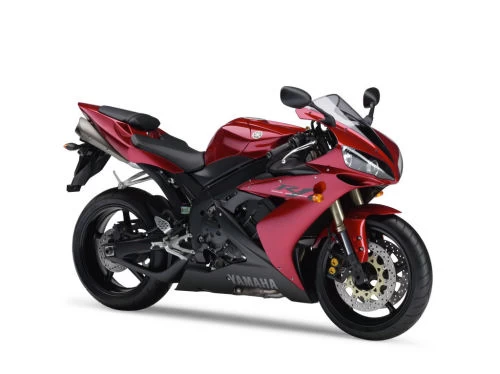
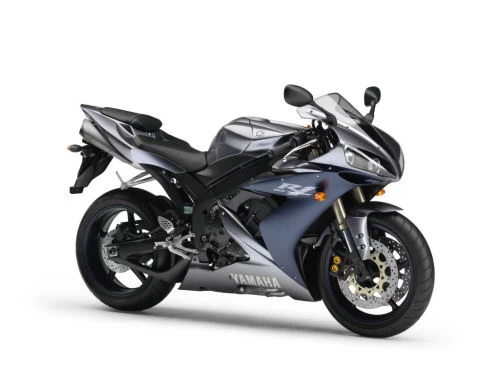
2006
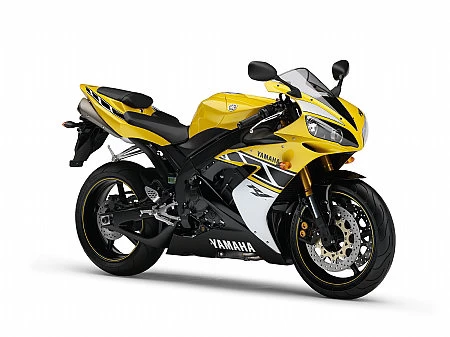
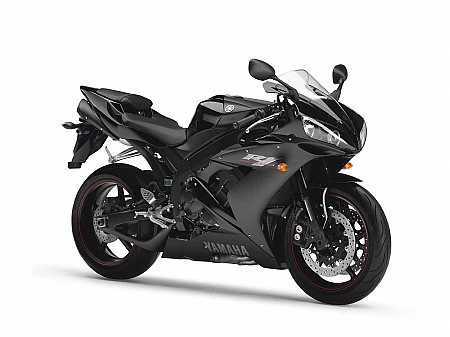
2007


2008


2009

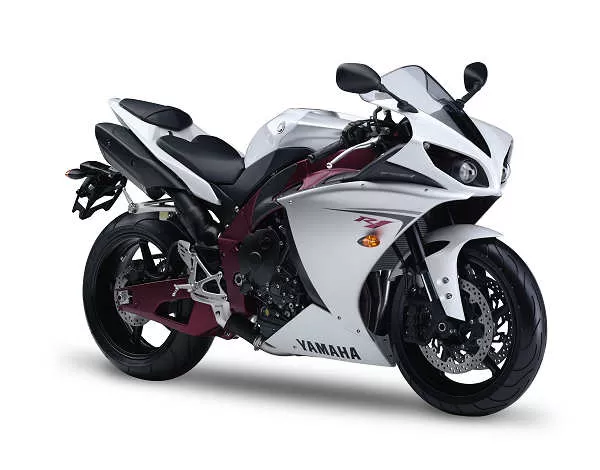
2010
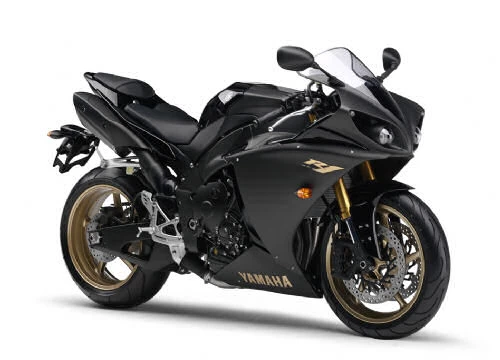
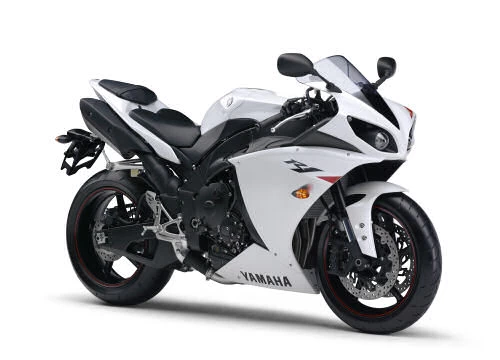
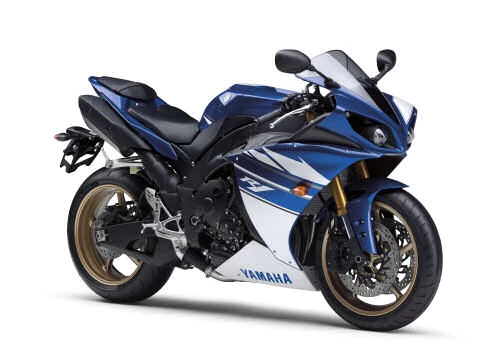
2011
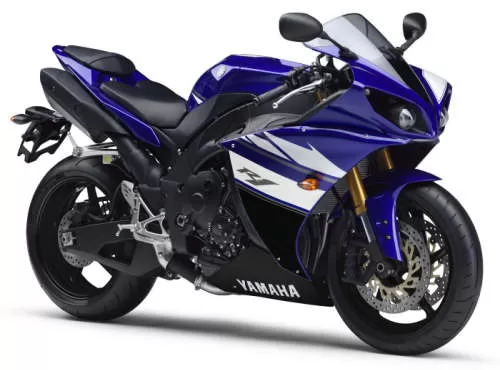
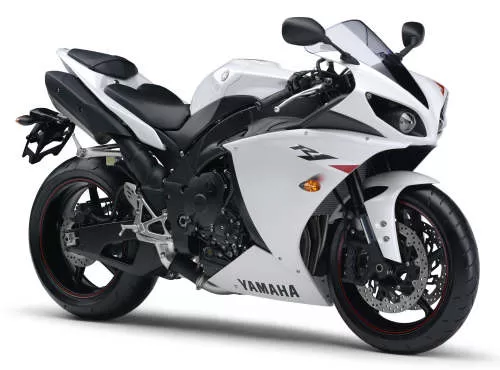
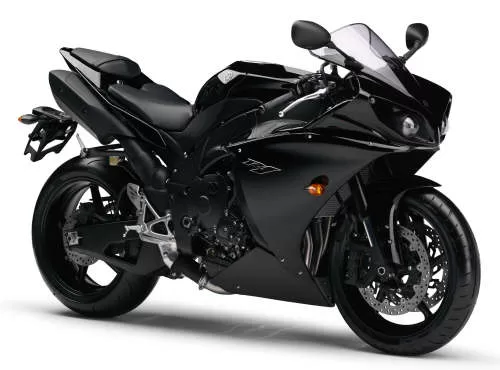
2012

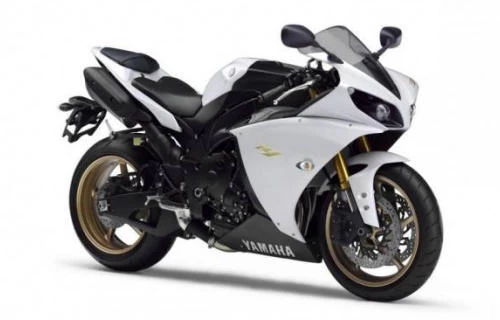


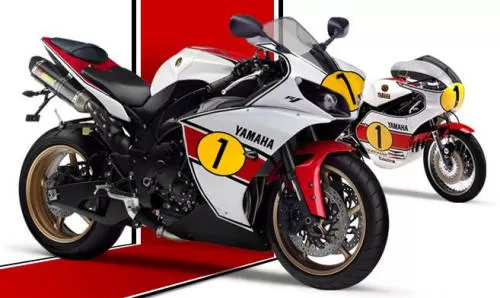
2013
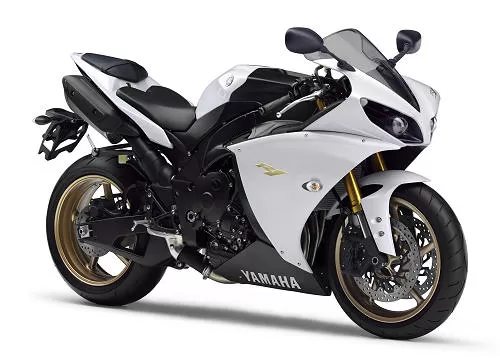
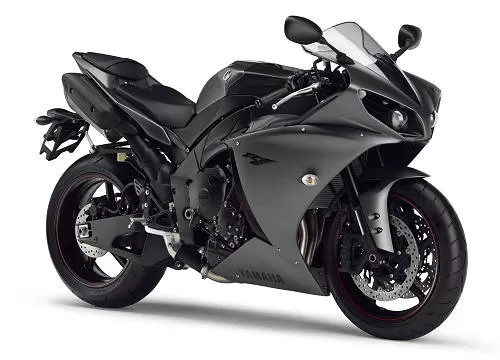

2014

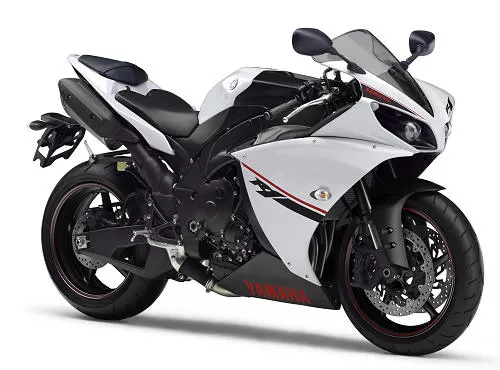
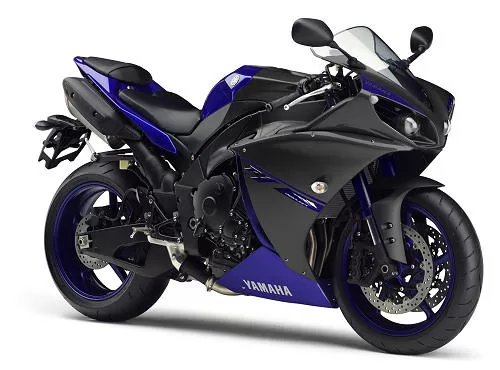
2015
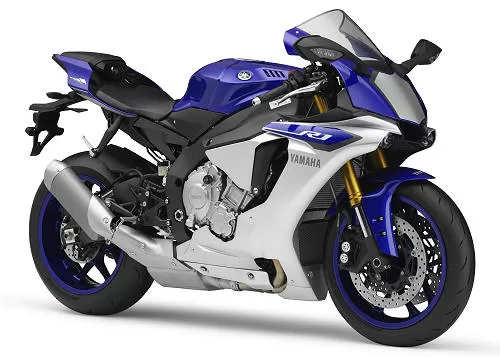
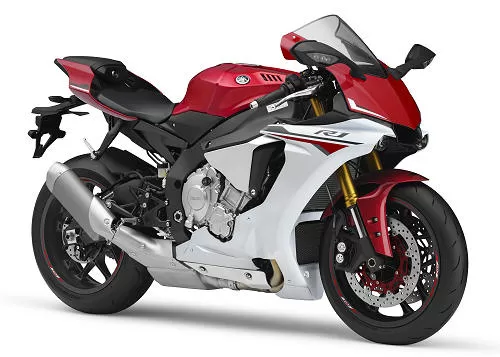
2016
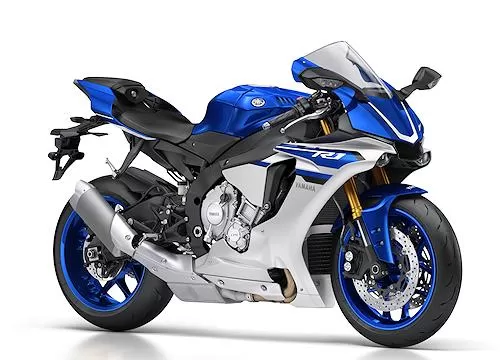
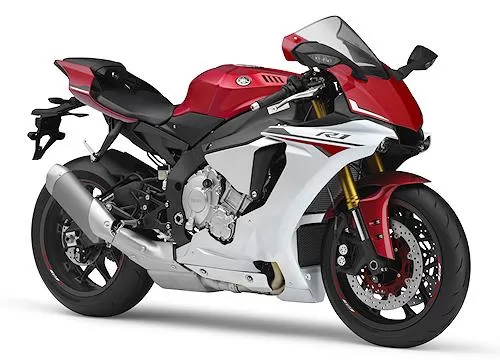
2017


2018

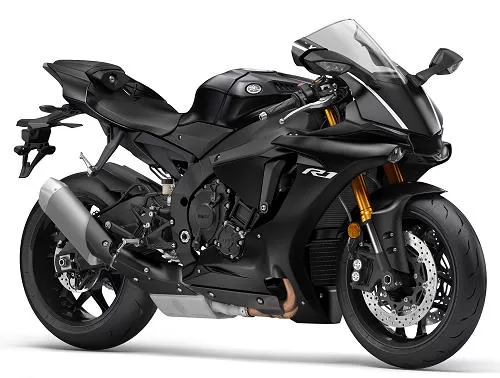
2019
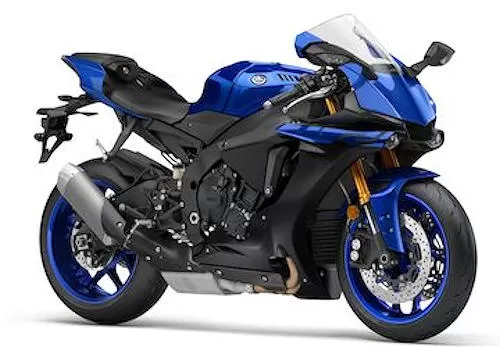
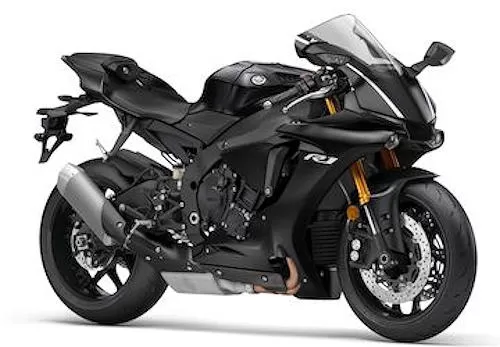
2020


2022
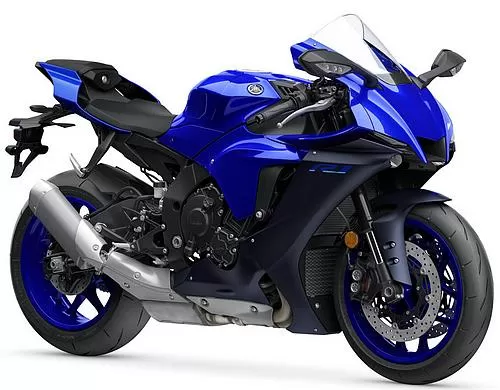
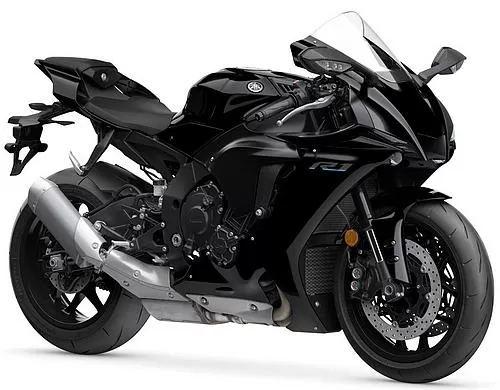
2024

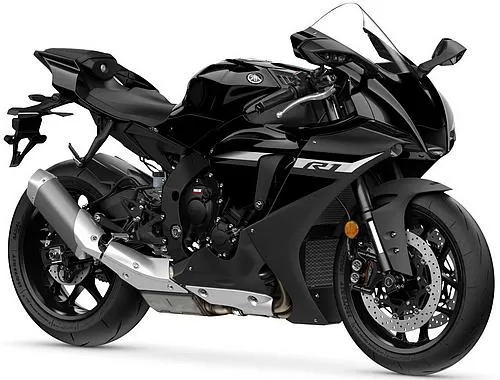
2025

2026

 helmet
 Gloves
 jacket
 braking
 Chain kit
 Oils
Oils Find an intercom
 Parts
Parts Luggage
 Tires
Tires