


A few weeks after presenting its new automatic transmission system, Yamaha reinvents itself in a completely different register...
Recycled steel packaging frames: a first initiated by Yamaha Motor Company
Starting in October 2024, Yamaha will begin using low-carbon recycled steel sheet produced in electric furnaces. For what purpose? To manufacture the packaging frames used to ship its motorcycles. These sheets, obtained by "melting scrap metal in an electric furnace and then rolling it into sheets", produce far less CO₂ during their production than conventional materials. This is understood to mean manufacture from iron ore and coke melted in a blast furnace.
To produce this steel, the partner and specialist (Tokyo Steel Manufacturing Co. Lt.) recycles "scrap metal from demolished buildings, discarded household appliances and automobiles, etc". Yamaha confirms, however, that "its material characteristics, quality and suitability for use in packaging frames have been tested and proven". Although this initiative is currently limited to packaging, it is not inconceivable that Yamaha might consider extending the use of these materials to other components of its motorcycles in the future.
Reducing costs AND carbon footprint

From October, Yamaha will be using recycled steel for its motorcycle frames.
In the current Japanese context, it seems clear that the main interest in steel recycling lies in reducing costs through lower energy consumption, rather than in a purely ecological approach. Only, a reduction in energy consumption indirectly leads to a reduction in CO₂ emissions.
By March 2023, the adoption of "green" aluminum for certain motorcycle parts had led to a 60% reduction in CO₂ emissions thanks to refining carried out using renewable energies. Yamaha Motor aims to achieve "carbon neutrality in all its supply chains, including its commercial activities, by 2050".
Yamaha, a leader in ecological transition
Yamaha is thus embarking on a gradual but profound transformation of its industrial practices. By integrating recycled low-carbon steel into the packaging frames of its motorcycles, Yamaha is only laying the foundations.
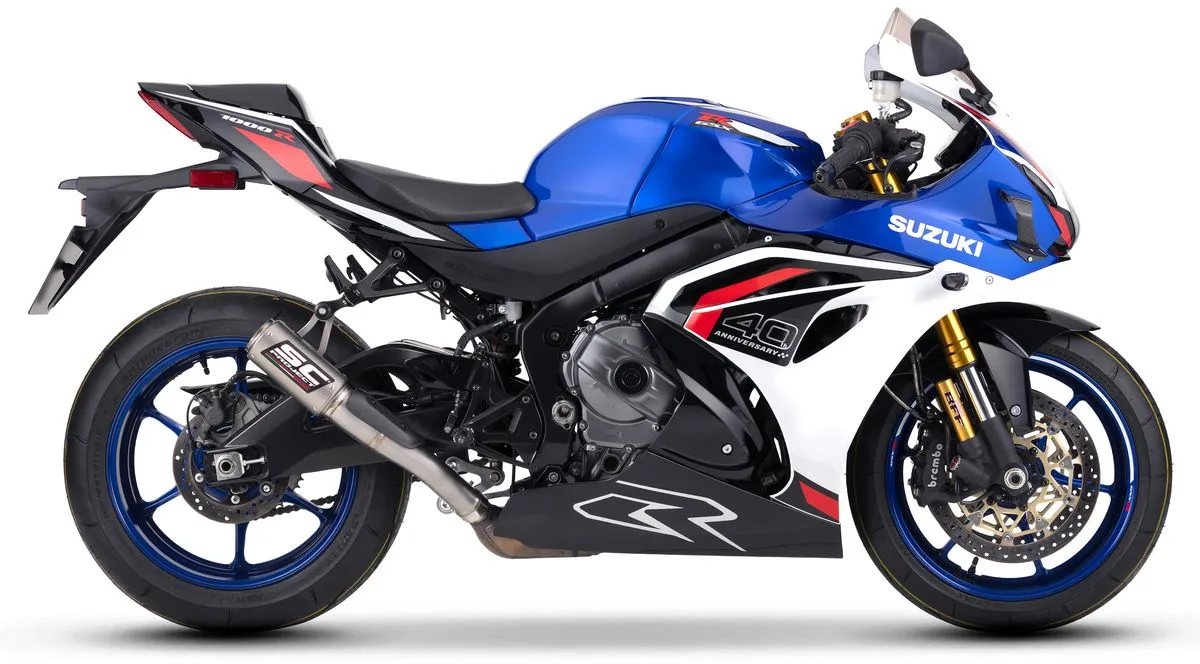
More broadly, this initiative is part of a growing trend within the motorcycle industry, where manufacturers are exploring sustainable alternatives to complement the development of electric vehicles. Suzuki, for example, used recycled carbon fiber in the bodywork of its experimental GSX-R1000 at the Suzuka 8 Hours, powered 40% by non-fossil fuels. What's more, Kawasaki has reaffirmed its quest for a 100% hydrogen motorcycle by 2030, while Bajaj launched the first natural gas (CNG) motorcycle last June.
Manufacturers are seeking to reduce their environmental impact in a variety of ways, while taking into account current economic and energy realities. Among them, the Itawa firm seems determined to play a leading role in the ecological transition of the two-wheeler industry.
Photo credits: Visordown
 Share
Share
 helmet
 Gloves
 jacket
 braking
 Chain kit
 Oils
Oils Find an intercom
 Parts
Parts Luggage
 Tires
Tires

Bikers' reviews