
Motorcycle specifications Suzuki GT 750 1972 A good hot water bottle


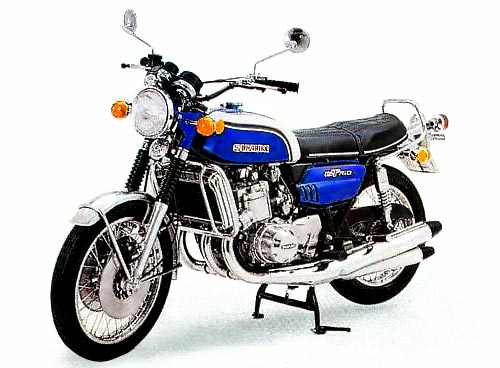
presentation of the GT 750 1972
At the beginning of the 70s, Japanese manufacturers were each tackling the large-displacement market in their own way. Honda had arrived a little earlier (1969) with its famous "4-legged" CB750, while Kawasaki had chosen to launch its 3-cylinder 2-stroke 750 H2 in 1971. In 1972, Yamaha and Suzuki respectively brought out a TX 750 (4-stroke twin-cylinder) and a "hot water bottle" called the GT 750.
The GT 750 owes its "hot water bottle" name to a rather innovative technical choice for its time: liquid cooling. But that's not the only special feature of this Suzuki. Like its green cousin, the Suzuki is a 2-stroke in-line three-cylinder, but is much more road-oriented than the sporty H2. In addition to liquid cooling (the radiator of which is equipped with an electric fan), which is supposed to provide greater reliability, superior silence and reduced vibration, the Suzuki opts for electric starting (and kick starting) and boasts a very good finish.
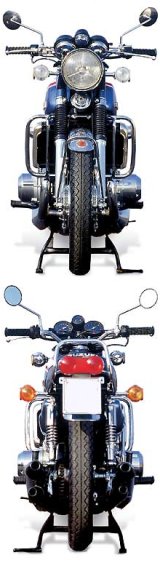
The chassis was supple and comfortable. Rather well-sprung, its only drawback in the early days was a drum front brake that was somewhat outdated at 214 kg unladen weight. This double-cam drum was soon replaced by a double disc (from the 1973 model year). This change transformed the Bouillotte, which proved to be very consistent on the road and very comfortable for both rider and passenger.
In 1974, the 3-cylinder engine was updated. It gained a few extra horses and almost 1 mkg of torque. The radiator did without its fan, and the exhausts were modified. These modifications were also accompanied by a few cosmetic changes (exhaust silencer, fork bellows, chrome accents) and the dashboard was fitted with a gear indicator. The GT ended its career without any major changes.
The bike, though a great success, had a little trouble positioning itself in the market, caught between the charisma of the Honda 4-leg and the sporty brutality of the Kawasaki. However, the engine shows a strong temperament if given the opportunity to show what it can do.
Suzuki's importer in Italy was convinced of the engine's potential, so he created a special series and named it GT750S. The GT base was heavily modified for competition use. The machine gained a fairing, a single-seater seat and a pair of straps, but lost around 25 kilos. The stock engine could now reach 220 km/h. Although this special series was not as successful as the competitive Suzuki TR 750s of the same period, it did rack up a number of handsome victories in the Italian championship. In France, the craftsman Roca also offered a GT 750 Café Racer equipped with a monocoque bodywork that gave it a very sporty look.
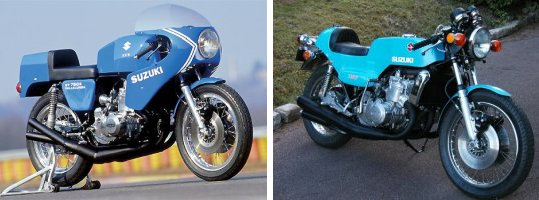
The GT750 ended its career in 1978, quietly pushed along by the GS 750 series (E, EX, G, GL, EZ...) equipped with air-cooled 4-cylinder 4-stroke engines, a little less gluttonous.
Tanthallas - Photos: Manufacturer
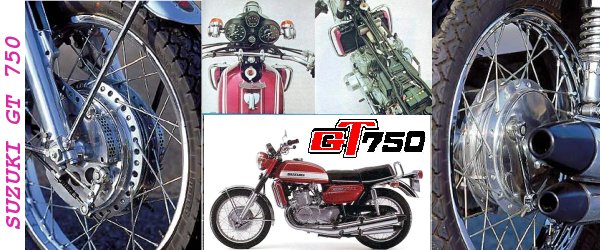
Thanks to Jacques Masse for authorizing us to use the information and documentation on his site dedicated to the Suzuki GT 750. http://perso.orange.fr/jacques.masse/
by Greg

Greg is the founder of Motoplanete—a website created in 2001 to share his passion with his friends and showcase as many motorcycle models as possible to his readers. Self-taught and a jack-of-all-trades, his discovery of the world of motorcycles led him to work as a photographer, rider, team manager, web developer, graphic designer, editorial assistant, and editor-in-chief.
 Share
Share
Key facts Suzuki GT 750 (1972) : What you need to know before you buy
Highlights
- Technology
- Engine
- Comfort
Weak points
- Freins (1972)
- Consumption
Prices
| Basic version | |
|---|---|
 France France |
1,966€
|
Model sold in 1972
Performance
- Max speed : 192 km/h (119.30 mph)
- Average fuel consumption : 8.30 liters/100km (0.28 mpg)
-
Estimated range
: 205 km (127 miles)
Calculated range until tank is empty, not verified.
Specifications Suzuki GT 750 1972
- Chassis
- Frame : Double tubular steel cradle
- Fuel capacity : 17 liters (4.49 US gallons)
- Length : 2,215 mm (87.20 in)
- Width : 865 mm (34.06 in)
- Min height : 1,125 mm (44.29 in)
- Wheelbase : 1,460 mm (57.48 in)
- Dry weight : 214 kg (472 lb)
- Weight when fully loaded : 235 kg (518 lb)
- Front axle
- Telehydraulic fork Ø nc
- drum brakes Ø 200 mm (7.87 in) (double came)
- Front tire : 3 / 25 - 19 → Order this type of tire
- Pressure : 2.2 bar
- Transmission
- 5 stage gearbox , manual
- Secondary by chain
- Rear axle
- 2 lateral shock absorbers
- drum brakes Ø 190 mm (7.48 in) (simple came)
- Rear tire : 4 / 0 - 18 → Order this type of tire
- Pressure : 2.5 bar
- Motor
- 3 cylinders online , 2 strokes
- 3 carburetors Ø 32 mm
- Cooling system : liquid
- 738 cc
- 67 ch (66.10 hp) to 6,500 rpm
- 7.70 mkg to 5,500 rpm
- Power-to-Weight Ratio : 3.24 kg/ch
- Torque-to-Weight Ratio : 27.79 kg/mkg
- Compression : 6.7 : 1
- Practical information
Essentials



 Motoblouz

 LaBécanerie



Gallery




Models
1972
Used

Compare the GT 750 to its competitors
Compared to its direct competitor, this GT 750 offers an appealing positioning, managing to stand out in certain specific areas. It stands out with riding range of 205 km, while also delivering fuel consumption of 8.3 l/100km. Its torque-to-weight ratio of 27.79 kg/Nm limits its punch at low revs.
Fuel consumption
Range
Torque
Power
Power-to-Weight ratio
Torque-to-Weight ratio
Speed
FAQ Your frequently asked questions about the GT 750 1972
- What is the power of the GT 750?
-
The GT 750 1972 develops a power of 67 ch (66.10 hp)
- What is the torque of the GT 750?
-
The maximum torque of the GT 750 1972 is 7.70 mkg to 5,500 rpm.
- What is the maximum speed of the GT 750?
-
The GT 750 1972 is capable of reaching a top speed of 192 km/h (119.30 mph) on the track.
- What is the weight of the GT 750?
-
The GT 750 1972 has a a dry weight of 214 kg (472 lb), a weight when fully loaded of 235 kg (518 lb).
- What is the fuel consumption of the GT 750?
-
Average fuel consumption is estimated at 8.30 l/100km (0.28 mpg) according to the WMTC cycle.
- What is the price of the GT 750?
-
The price of the GT 750 1972 is 1,966€ in France. It is displayed at , in France.
- What size tires should I put on my GT 750?
-
The standard size for a GT 750 1972 is 3 / 25 - 19 for the front, and 4 / 0 - 18 for the rear.
News
-
Top 10 Best Scooters of 2026: Our Complete Ranking.
-
HJC is gearing up for a big year in 2027, with eight new helmets.
-
Triumph succeeded BSA in the Motocross World Championship.
-
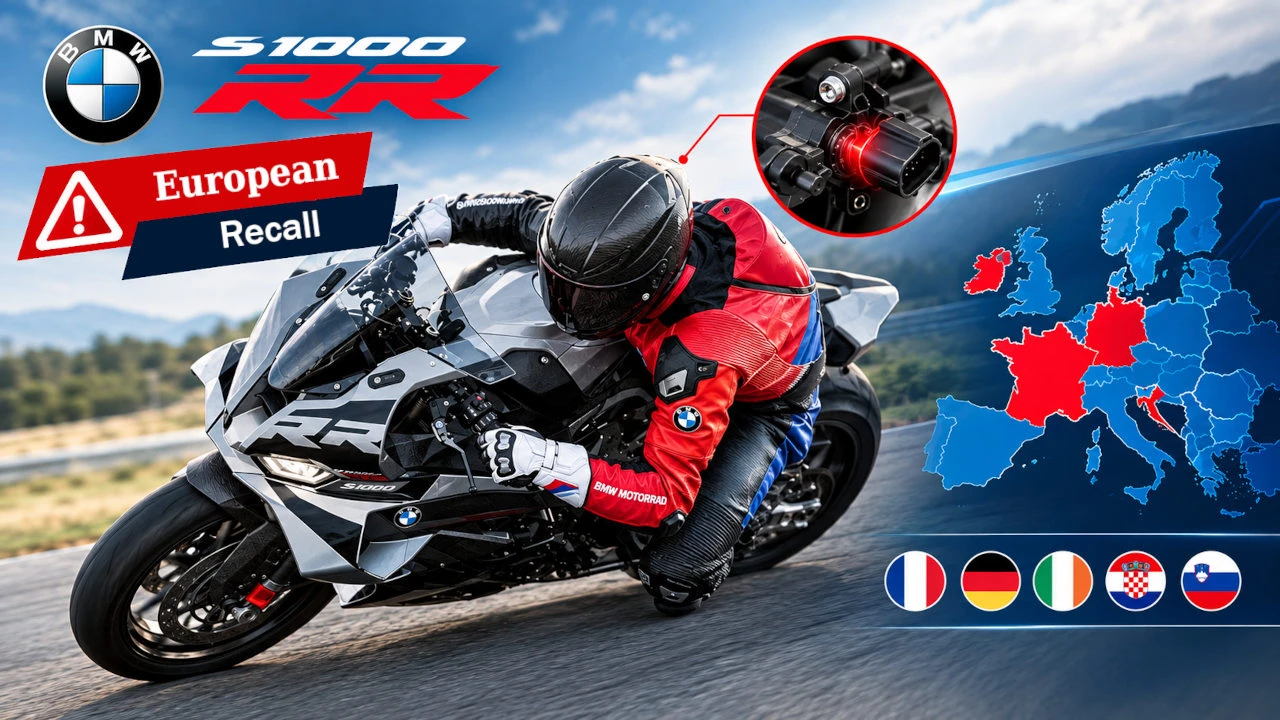
BMW S1000RR Recall Alert: Risk of Engine Shutdown
-
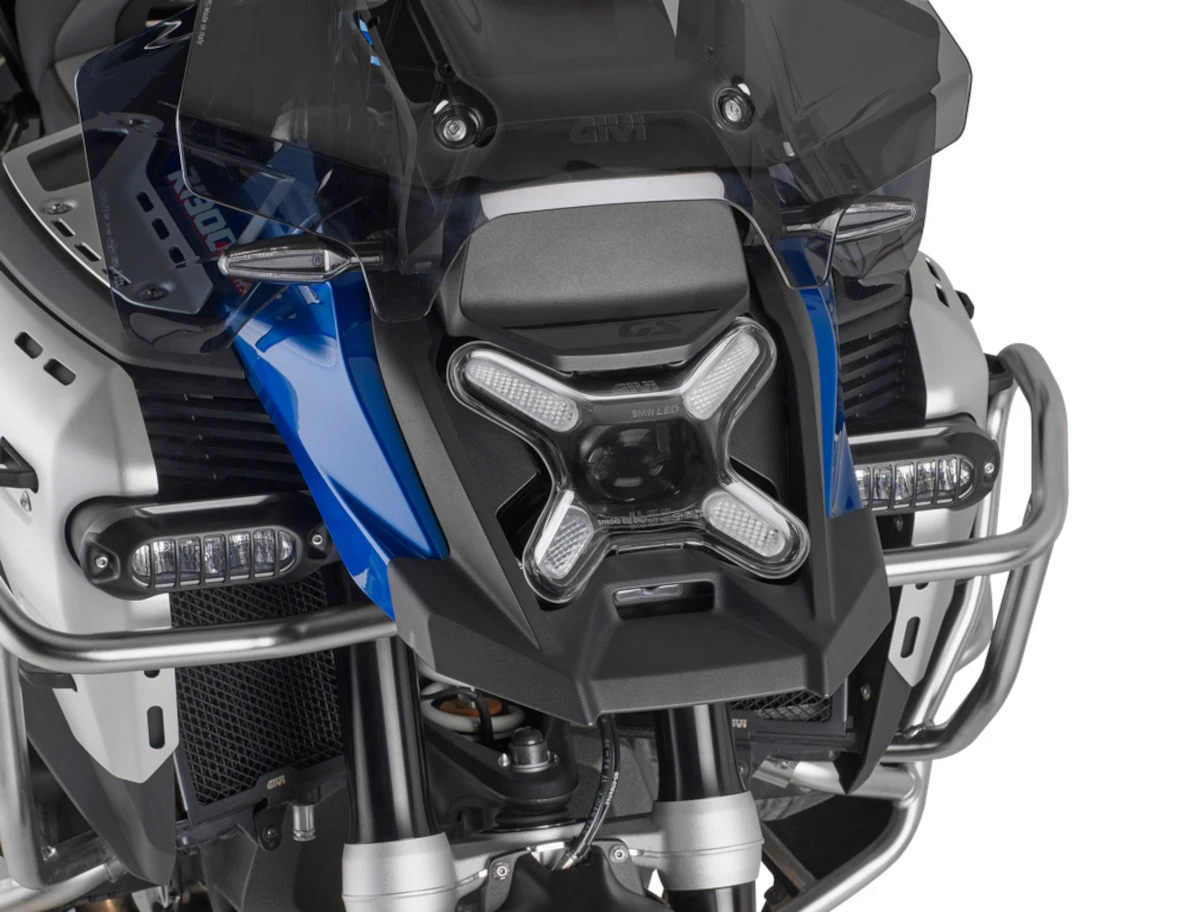
GIVI HLP Headlight Protector: Ténéré 700 and R1300GS
-
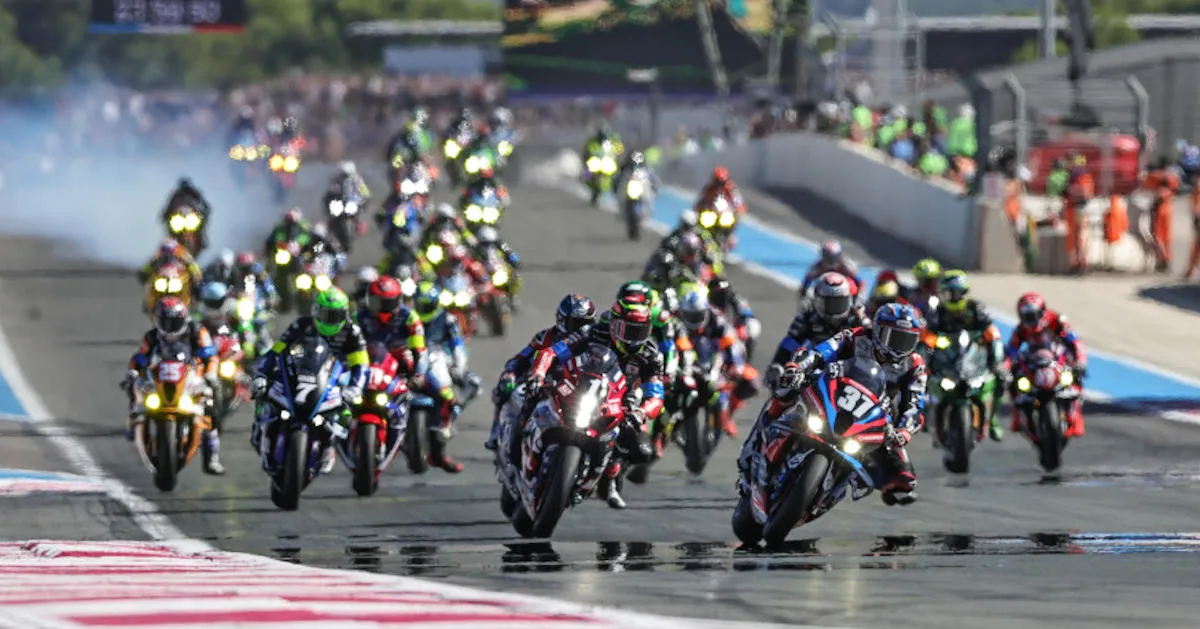
Victory and the championship title for BMW at the 2026 Bol d'Or.

-
The 89th Bol d'Or: A Celebration of Racing Passion.
-
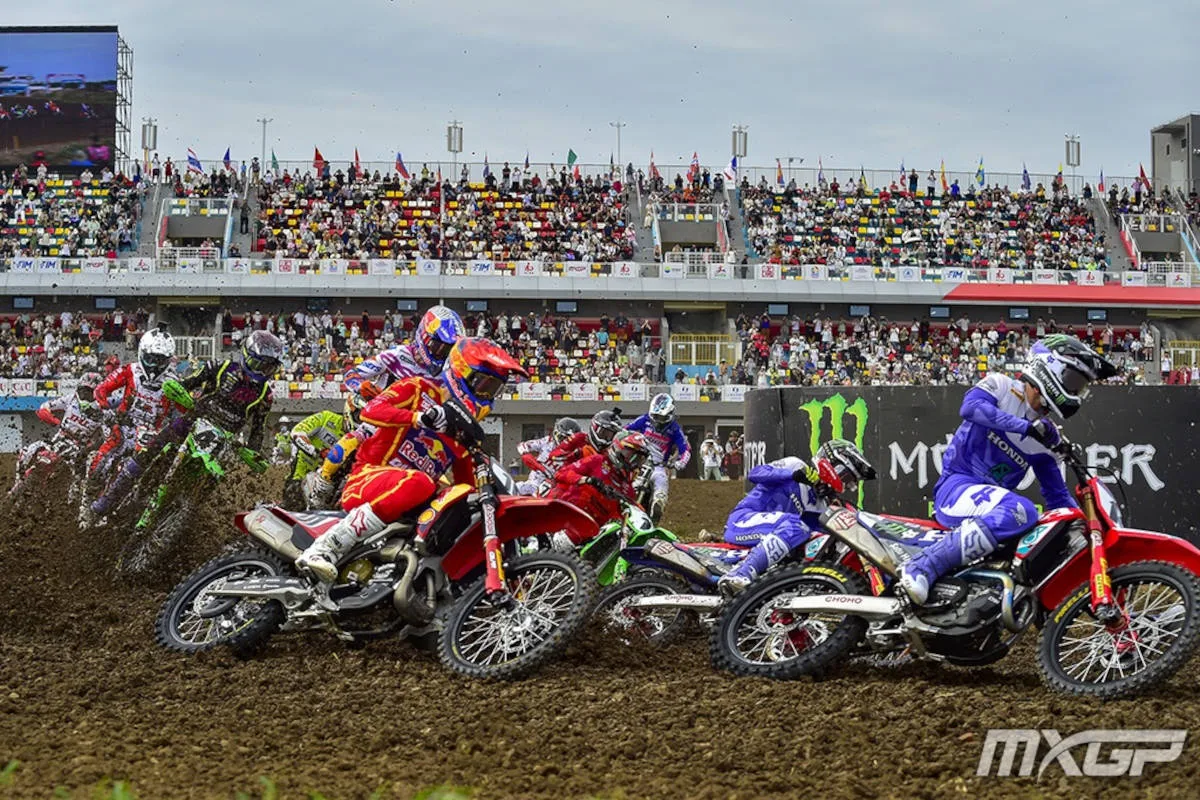
2026 MXGP of China: Herlings Unbeatable, McLellan Delays the MX2 Title
-
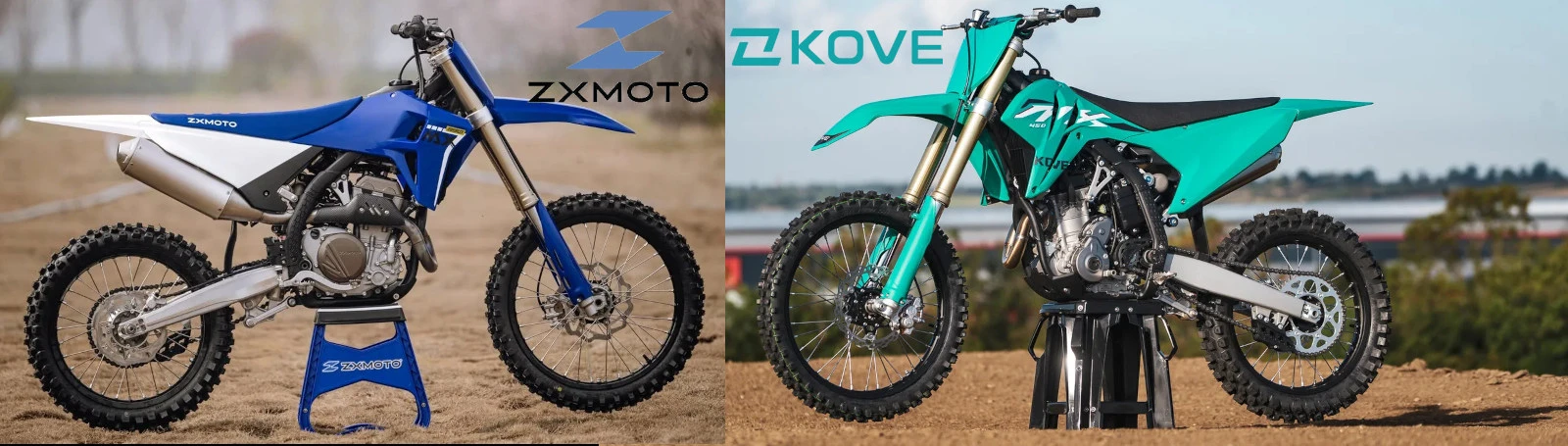
MXGP 2027: Kove and ZXMoto Join the Championship
-
The new motorcycle models of 2026 and the evolutions.

Bikers' reviews Leave a review - 2 reviews
Aesthetics of unique violet colors Finish equipment reliability ,comfort
absence of engine vibration on silents blocks good H4 lighting Excellent road compromise with engine character while being smooth and torquey Unique tone
I use it every day
A motorcycle to have in your collection
I'll never part with it Rating : 5/5 Respond to Pontus