
Motorcycle specifications Yamaha YZF-R1 1000 EWC GMT 94 2011 Eyes on the vibrator


presentation of the YZF-R1 1000 EWC GMT 94 2011
in the quartet of Japanese hypersports, the GMT 94 R1 is certainly the one that stands out from the other hyper-honed missiles. What's different about it? Its fuel tank? Hardly. 24 liters like all the others, but with a single quick-fill valve when most teams use a double-hatch system. Supplied by Stäubli, the single-valve system limits liquid emulsification, but it's not cheap. The system costs around 10,000 euros.
Suspension? No, it also relies on Öhlins, and is equipped with a pressurized FGR 900 fork and TTX shock absorber. Chassis, perhaps? Not so much. Even if its structure and design are unique, the YZF is made up of a classic aluminum double-beam and a reinforced swingarm - although the latter has been redesigned and modified to cope with the more specific demands of endurance racing.
apart from its silhouette, it's the characteristic sound of its engine that sets the R1 apart from its rivals. Where the 4-cylinders of Honda, Kawasaki and Suzuki vocalize with a sporty VROAARR, the Yamaha detonates with a BROAAMBLRRR rattle. Surprising and exhilarating in its road version, the cross-plane has introduced a new dimension of sportiness to the circuit. Previously provided by Laser, the sound system is now entrusted to Akrapovic, the ultimate in today's exhaust systems.
In its early days, the R1 cross-plane suffered from a number of heating problems. These episodes now seem to have been contained, although the bike only moderately appreciates riding on the edges of the red zone. As standard, its 180 hp pale in comparison with the 200 hp of the Kawa ZX-10R and BMW S 1000 RR. No problem for GMT: a few YEC parts, a Danielson Engineering preparation, a racing box and harness, and there you have it, galvanized by 205 horses (officially). You'll hear them go by without having to strain your ears.
endurance racing naturally leads mechanics to optimize parts, making them more efficient, lighter, stronger and quicker to change. Precious seconds can be saved when changing tires: when the rear wheel is ejected from the swingarm, the sprocket and sprocket carrier remain in place, avoiding time-consuming chain manipulation. For the front, the most time-consuming part is unscrewing the brake calipers when changing brake pads. Quick-release couplings let you tune and reconnect hoses in an instant, without the worry of pressure loss or hydraulic leaks.
Packed with carbon parts and as sharp as a Superbike machine, it's only a handful of hundredths faster than a Superbike, because its aim is not to last half an hour in the ring, but 24 hours in the arena. Telemetric equipment is used to analyze a wealth of information after each session. The R1 is not yet equipped with traction control, marking one of the (rare) differences with WSBK machines. Christophe Guyot and his R1 rely heavily on the experience and enthusiasm of their riders.
One of the most talked-about machines in the championship, the R1GMT 94 is not just a high-performance bike; it's also superb to look at, and just as much to detail.
M.B - GMT 94 photos
by Greg

Greg is the founder of Motoplanete—a website created in 2001 to share his passion with his friends and showcase as many motorcycle models as possible to his readers. Self-taught and a jack-of-all-trades, his discovery of the world of motorcycles led him to work as a photographer, rider, team manager, web developer, graphic designer, editorial assistant, and editor-in-chief.
 Share
Share
Key facts Yamaha YZF-R1 1000 EWC GMT 94 (2011) : What you need to know before you buy
 France
Specifications Yamaha YZF-R1 1000 EWC GMT 94 2011
- Chassis
- Frame : Deltabox in aluminum
- Fuel capacity : 24 liters (6.34 US gallons)
- Length : 2,070 mm (81.50 in)
- Dry weight : 175 kg (386 lb)
- Front axle
- Öhlins telehydraulic upside-down forks Ø 43 mm / Öhlins
- Braking 2 discs Ø 310 mm (12.2 in), radial mounting, 4-piston caliper
- Front tire : 120 / 70 → Order this type of tire
- Transmission
- 6 stage gearbox
- Secondary by chain
- Rear axle
- Öhlins monoshock / Öhlins
- Braking 1 disc Ø 220 mm (8.66 in), single-piston caliper
- Rear tire : 190 / 55 → Order this type of tire
- Motor
- 4 cylinders online , 4 strokes
- Injection Ø 45 mm
- Cooling system : liquid
- 2 ACT
- 4 valves per cylinder
- 998 cc
- 205 ch (202.20 hp)
- Power-to-Weight Ratio : 0.87 kg/ch
- Practical information
Essentials

 Motoblouz
 LaBécanerie


Gallery


Models
2011
Used


Compare the YZF-R1 1000 EWC GMT 94 to its competitors
Compared to its 4 direct competitors, this YZF-R1 1000 EWC GMT 94 offers an appealing positioning, managing to stand out in certain specific areas. It stands out with top speed of 300 km/h. Its power-to-weight ratio of 0.87 kg/ch betrays a bit of extra heft on the scales.
Fuel consumption
Range
Torque
Power
Power-to-Weight ratio
Torque-to-Weight ratio
Speed
FAQ Your frequently asked questions about the YZF-R1 1000 EWC GMT 94 2011
- What is the power of the YZF-R1 1000 EWC GMT 94?
-
The YZF-R1 1000 EWC GMT 94 2011 develops a power of 205 ch (202.20 hp)
- What is the maximum speed of the YZF-R1 1000 EWC GMT 94?
-
The YZF-R1 1000 EWC GMT 94 2011 is capable of reaching a top speed of approximately 300 km/h (186.40 mph) on the track.
- What is the weight of the YZF-R1 1000 EWC GMT 94?
-
The YZF-R1 1000 EWC GMT 94 2011 has a a dry weight of 175 kg (386 lb).
- What is the price of the YZF-R1 1000 EWC GMT 94?
-
The price of the YZF-R1 1000 EWC GMT 94 2011 is 100,000€ in France
- What size tires should I put on my YZF-R1 1000 EWC GMT 94?
-
The standard size for a YZF-R1 1000 EWC GMT 94 2011 is 120 / 70 for the front, and 190 / 55 for the rear.
News
-
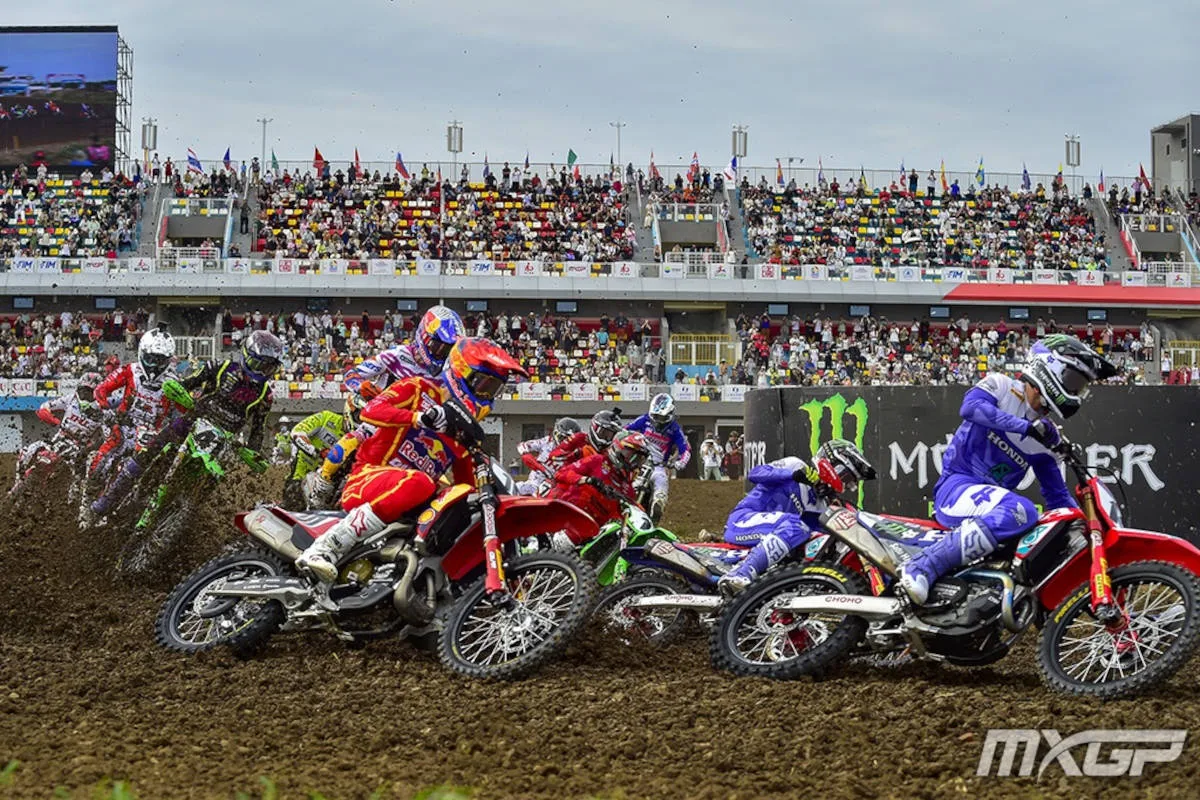
2026 MXGP of China: Herlings Unbeatable, McLellan Delays the MX2 Title
-
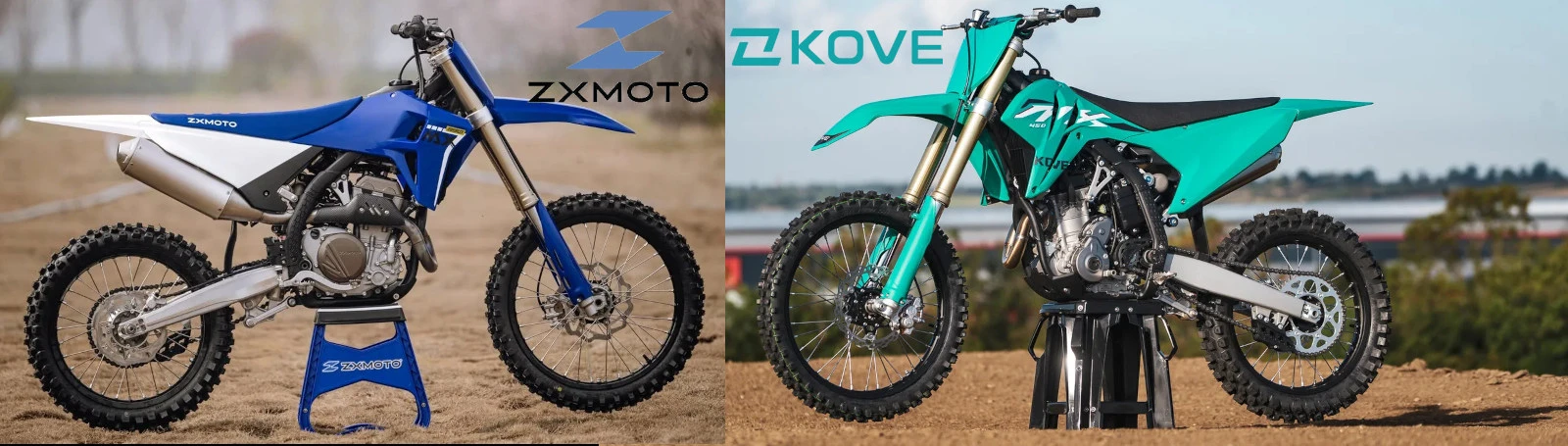
MXGP 2027: Kove and ZXMoto Join the Championship
-
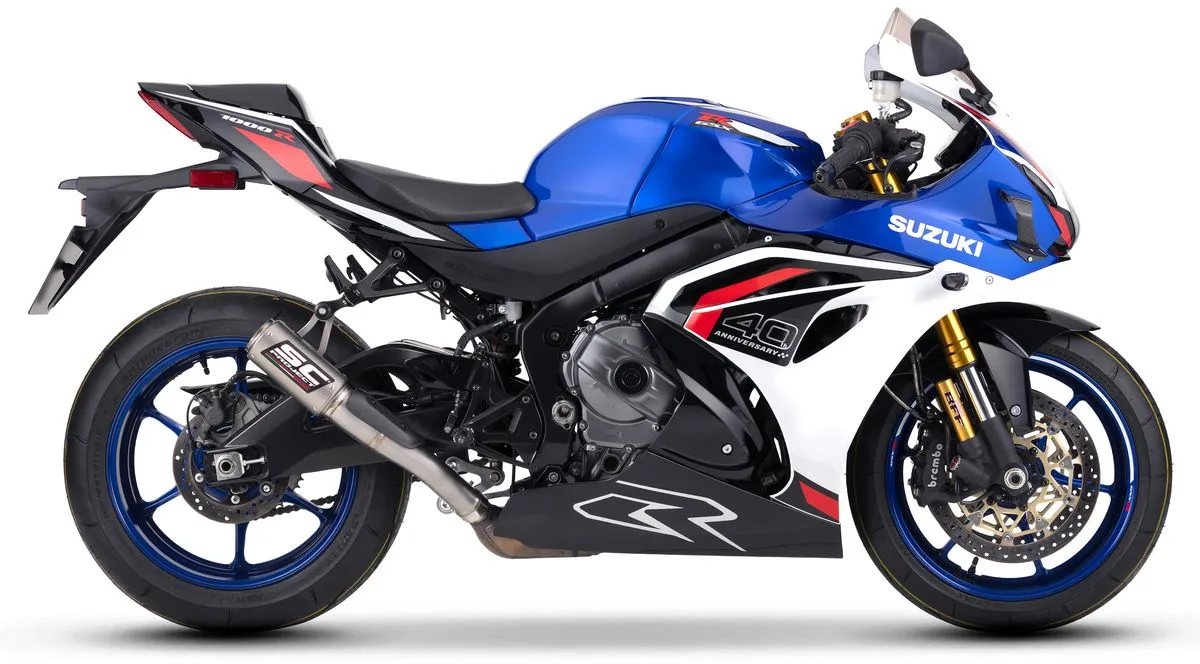
SC Project is working on the 2026 Suzuki GSX-R1000R.
-
2026 MXGP of Turkey: Herlings Crowned World Champion!
-
Moto Guzzi: In Mandello, the historic factory is taking on a new scale.
-
ZXMoto in MXGP 2027: The Hypothesis of an Off-Road Earthquake
-
Superbike - Will 240 ch sport bikes soon be available at dealerships?
-
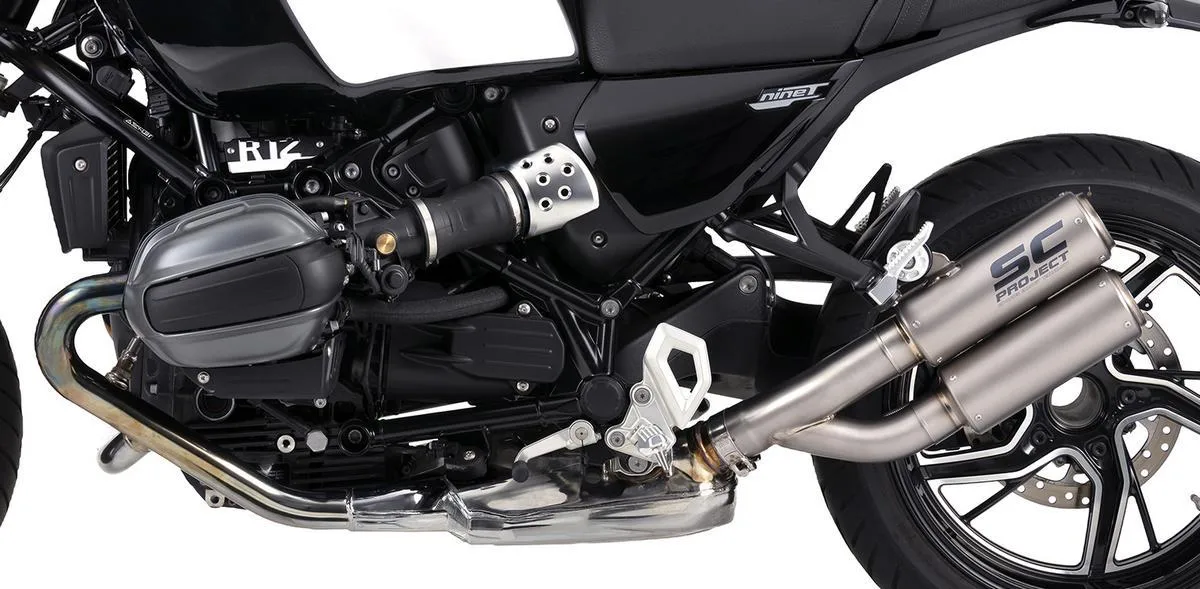
2 new SC-Project mufflers for the R 12 NineT and G/S.
-
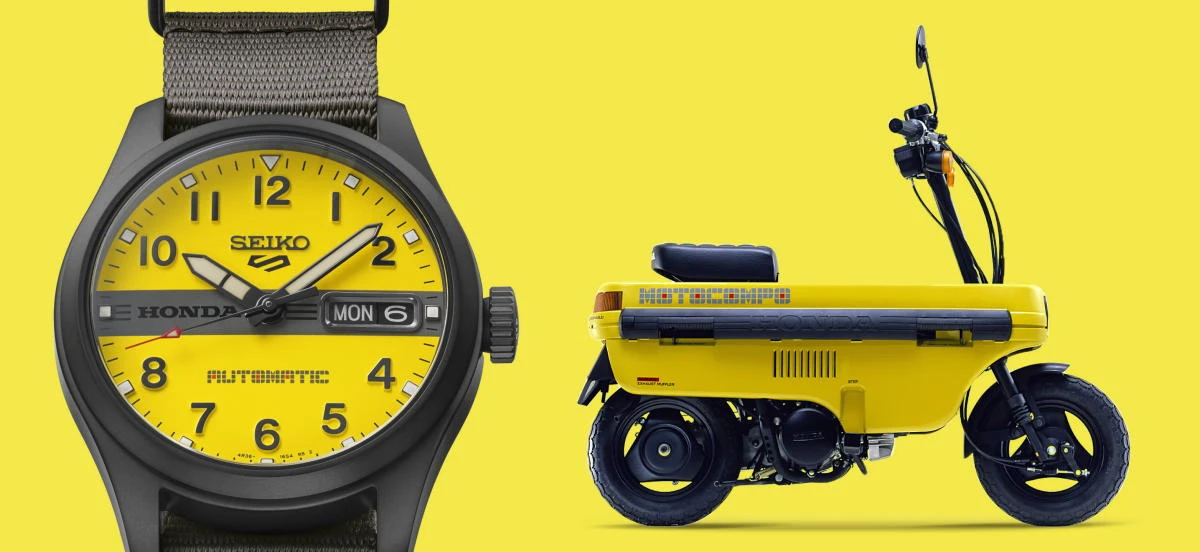
Seiko unveils a watch inspired by the Honda Motocompo.
-
The new motorcycle models of 2026 and the evolutions.

Bikers' reviews Leave a review