
Motorcycle specifications BMW 1000 K1 1991 K-really!


presentation of the 1000 K1 1991
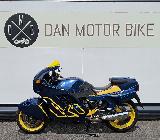
it's fair to say that the K 1 is a revolution for the BMW brand. A visual shock sprinkled with an astonishing evolution in road performance. If the Munich-based brand can boast a rich history of speed records, it's due to the period between the Great Wars. Since then, BM has forged an image of comfort, safety and reliability that sets new standards in the motorcycle world. But BM is no stranger to sport. When it comes to cars, the M3 s\'knows how to make the powder talk. And what if I told you that there was a guy from Motorsport GMBH who had a look at the mechanics of the K1!
compared to the other K-series models, the power unit is now rated at 100 hp, but its torque is also much higher, now exceeding 10 mkg. The Bavarian 4-cylinder also gained 8 new valves, while the crankshaft lost 1.3 kg. The volumetric ratio has been increased from 10.2 to 11:1, some moving parts have been lightened, and the injection electronics are state-of-the-art. It's not the mill, however, but certainly the design of the K1 that has mobilized the most brainpower. Extensive aerodynamic research combined with singular styling choices result in a motorcycle without equal or precedent. The BM is sure to get noticed. Imposing, chiseled lines, a mix of Star Trek and TGV, an incredibly wraparound front fender, colors... mmhhhrrgg... \special". The blue is elegant, the red sporty, but the hints of yellow sprinkled throughout are reminiscent of Father Fougasse's combine harvester. And then there's the microwave oven door, sorry, the headlight that breaks up the K1's speedy lines. You'll love it, you'll wonder about it, or you'll hate it, but this sports car will leave no one indifferent.
Let's not forget the chassis, which is as serious as the machine itself. The tubular frame retains the design of the K series, but the tubes are larger. Wide rims and new brakes reinforced by ABS (standard) add to the bike's handling and safety.
In keeping with BMW tradition, rear-wheel drive is still by universal joint, with the adoption of the new Paralever system introduced a year ago on the R 100 GS trail bike. The principle: a second joint virtually eliminates the torque effects typical of this type of transmission. And on the road, motorcycle chic or motorcycle shock?
when you pick up this 259 kg motorcycle, you have no idea how easy it is to use. With its generous size, the beast is surprisingly welcoming when you hit the road. Leaning forward a little, with legs tucked up a little too far, we start up the 16-valve engine, whose sound is no different from that of the other K models. A few more miles and you're won over by the K1's smoothness and driveability. Gone are the 3 quintals. Its lively front end, smooth controls and supple mill give the machine wings. There's no risk of being overwhelmed by power, as the 4-cylinder lacks torque below 4,000 rpm. Anyway, we're not going to spend the day flirting with Renault Super 5s and Citroën BXs. And what's more, we've got a BM shaped like an airplane between our paws, so let's go for it!
Faced with the lack of torque at low revs, we waited until mid-range to open the throttle wide. The boiler still vibrates a little, especially around 5000 rpm, and begins its climb towards the red zone. It lacks a little liveliness when revving up, then delivers a hell of a lot of power between 6,000 and 9,500 rpm. In terms of pick-up, the K1 holds its own against a good number of Japanese models. Cruising at speed, a generous flick of the right wrist and the behemoth will be chatting with the 260 speedometer. It's going fast, but your vertebrae are shaking...
Because here's where it gets stuck, and where it shouldn't. \"Studied in wind tunnels, aerodynamics, air penetration, gna gna gna...\" Maybe so, but it gets noisy in the helmet from 140 to the hour. Then, to go faster, there's no choice but to hide your head in the bubble. BMW wanted the rider to feel the sensation of speed very early on, so as not to encourage high-speed riding. This is astonishing for such a sophisticated machine, especially as the rest of the body is well protected. However, it's not all bad news, far from it, especially as the German sports car's aerodynamics make it very stable at high speeds and in corners. The rear end is a little slower to react than the front, but the K1 is always reassuring. A word of caution on busy freeways or when cruising in the south: the large mudguards and vast fairing make it sensitive to wind and trucks. The range is substantial, and allows you to travel on much warmer roads.
It's in the twisties that the Teutonic is at its best. In the right rev range, the drivetrain allows you to leap from bend to bend, and the steering lightly swallows up every curve. It's not a supersport front end, but it feels like one. Normally, with this type of steering, you'd go from a little to a lot. Fortunately, BM has wisely installed a steering damper, hidden in the fork head. Don't forget your gearbox manual. When you're doing sporty driving, make sure you get through the gears if you don't want to find yourself "between 2 gears". Otherwise, the gearbox is good, but lacks the efficiency and speed of a jap.
While the machine is superb to ride through the twists and turns of our beautiful country, it prefers to wind up rather than ride too hard. Take advantage of the front braking, but not during the bend; a 281kg beast that lifts itself in the bend when the right-hand lever is pushed a little hard, is not recommended.
And you'll have plenty of opportunities to use the brakes, especially as the BM's are so tasty. It's become really powerful, progressive and pleasant. What's more, Mister ABS takes care of everything.
the BMW K1 is truly surprising. Comfort and protection have nothing to do with the usual German standards. It's a real sports bike that's up against the likes of the Honda CBR 1000 and Kawasaki Tomcat. Forget the luggage, and discover BM riding. The engine and chassis are strong, and the design surprising, but not for everyone. You don't have to be a connoisseur to appreciate good things, but this is one of them.
M.B - Internet photos
by Greg
Greg is the founder of Motoplanete—a website created in 2001 to share his passion with his friends and showcase as many motorcycle models as possible to his readers. Self-taught and a jack-of-all-trades, his discovery of the world of motorcycles led him to work as a photographer, rider, team manager, web developer, graphic designer, editorial assistant, and editor-in-chief.
 Share
Share
Key facts BMW 1000 K1 (1991) : What you need to know before you buy
Highlights
- Freinage
- Roadholding
- Engine flexibility
Weak points
- Protection
- Legs too bent
- Finishing details
 France
Performance
- Max speed : 240 km/h (149.10 mph)
- 0-100 km/h acceleration : 3.90 s
- Average fuel consumption : 6 liters/100km (0.39 mpg)
-
Estimated range
: 367 km (228 miles)
Calculated range until tank is empty, not verified.
Specifications BMW 1000 K1 1991
- Chassis
- Frame : tubular steel mesh
- Fuel capacity : 22 liters (5.81 US gallons)
- Seat height : 780 mm (30.71 in)
- Length : 2,230 mm (87.80 in)
- Width : 875 mm (34.45 in)
- Min height : 1,210 mm (47.64 in)
- Wheelbase : 1,565 mm (61.61 in)
- Dry weight : 234 kg (516 lb)
- Weight when fully loaded : 259 kg (571 lb)
- Front axle
- Telehydraulic fork Ø 41.5 mm, Wheel travel : 135 mm (5.31 in)
- Braking 2 discs Ø 305 mm (12.01 in), 4-piston caliper
- Front tire : 120 / 70 - 17 → Order this type of tire
- Pressure : 2.2 bar
- Transmission
- 5 stage gearbox
- Secondary cardan shaft
- Rear axle
- Paralever monoshock and monoboom, Wheel travel : 140 mm (5.51 in)
- Braking 1 disc Ø 285 mm (11.22 in), 2-piston caliper
- Rear tire : 160 / 60 - 18 → Order this type of tire
- Pressure : 2.5 bar
- Motor
- 4 cylinders online, cross-functional , 4 strokes
- Injection
- Cooling system : liquid
- 2 ACT
- 4 valves per cylinder
- 987 cc
- 100 ch (98.60 hp) to 8,000 rpm
- 10.30 mkg to 6,750 rpm
- Power-to-Weight Ratio : 2.37 kg/ch
- Torque-to-Weight Ratio : 22.72 kg/mkg
- Compression : 11 : 1
- Standard equipment
- Brake assist : ABS
- Practical information
Essentials


 Motoblouz
 LaBécanerie



Gallery


Compare the 1000 K1 to its competitors
FAQ Your frequently asked questions about the 1000 K1 1991
- What is the power of the 1000 K1?
-
The 1000 K1 1991 develops a power of 100 ch (98.60 hp)
- What is the torque of the 1000 K1?
-
The maximum torque of the 1000 K1 1991 is 10.30 mkg to 6,750 rpm.
- What is the maximum speed of the 1000 K1?
-
The 1000 K1 1991 is capable of reaching a top speed of 240 km/h (149.10 mph) on the track.
- What is the weight of the 1000 K1?
-
The 1000 K1 1991 has a a dry weight of 234 kg (516 lb), a weight when fully loaded of 259 kg (571 lb).
- What is the fuel consumption of the 1000 K1?
-
Average fuel consumption is estimated at 6 l/100km (0.39 mpg) according to the WMTC cycle.
- QWhat is the seat height of the 1000 K1?
-
To ensure good accessibility, the 1000 K1 1991 offers a minimum seat height of 780 mm (30.71 in).
- What is the price of the 1000 K1?
-
The price of the 1000 K1 1991 is 13,400€ in France
- What size tires should I put on my 1000 K1?
-
The standard size for a 1000 K1 1991 is 120 / 70 - 17 for the front, and 160 / 60 - 18 for the rear.
- Where can I find high-quality used 1000 K1s?
-
You can find used 1000 K1 at great prices on MotoPlanete, in the section dedicated to them—models from professionals and private sellers, as well as spare parts.
News
-
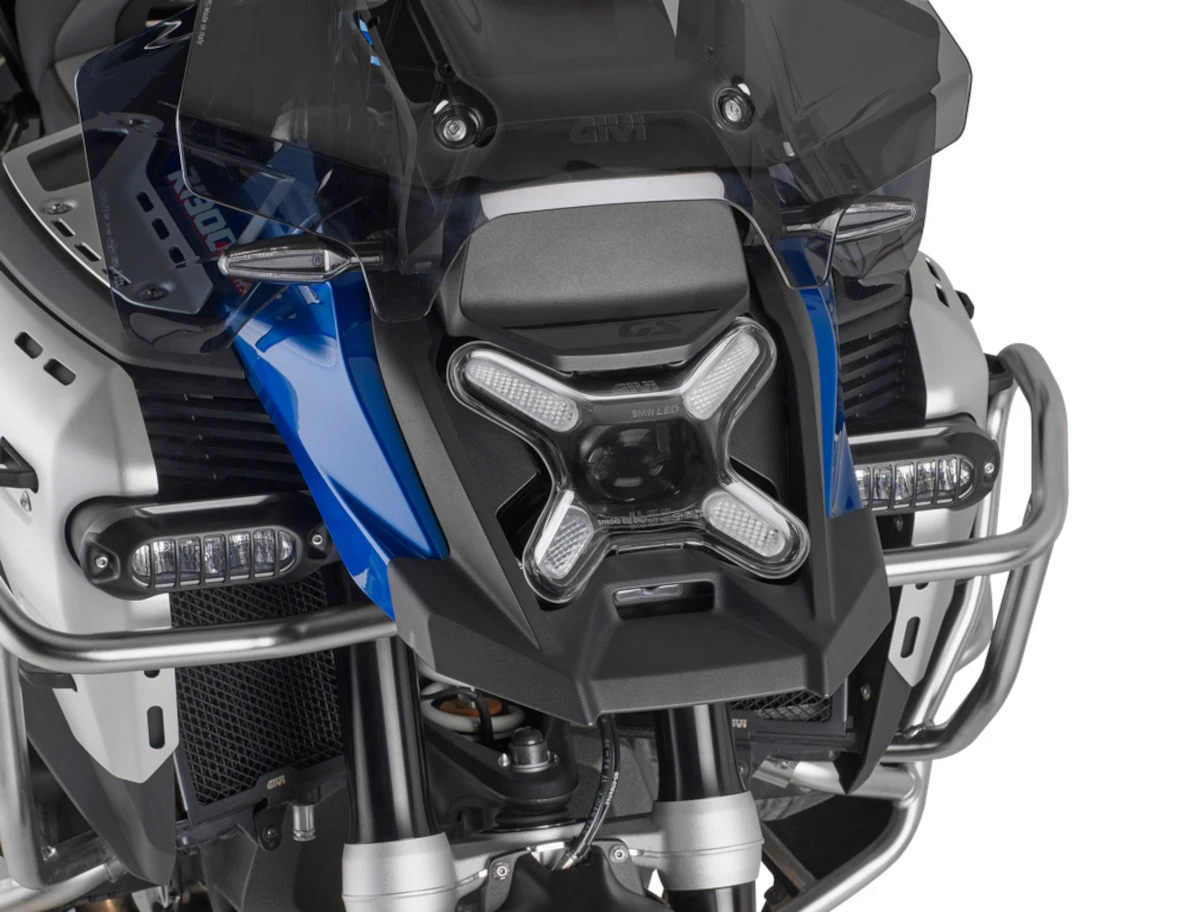
GIVI HLP Headlight Protector: Ténéré 700 and R1300GS
-
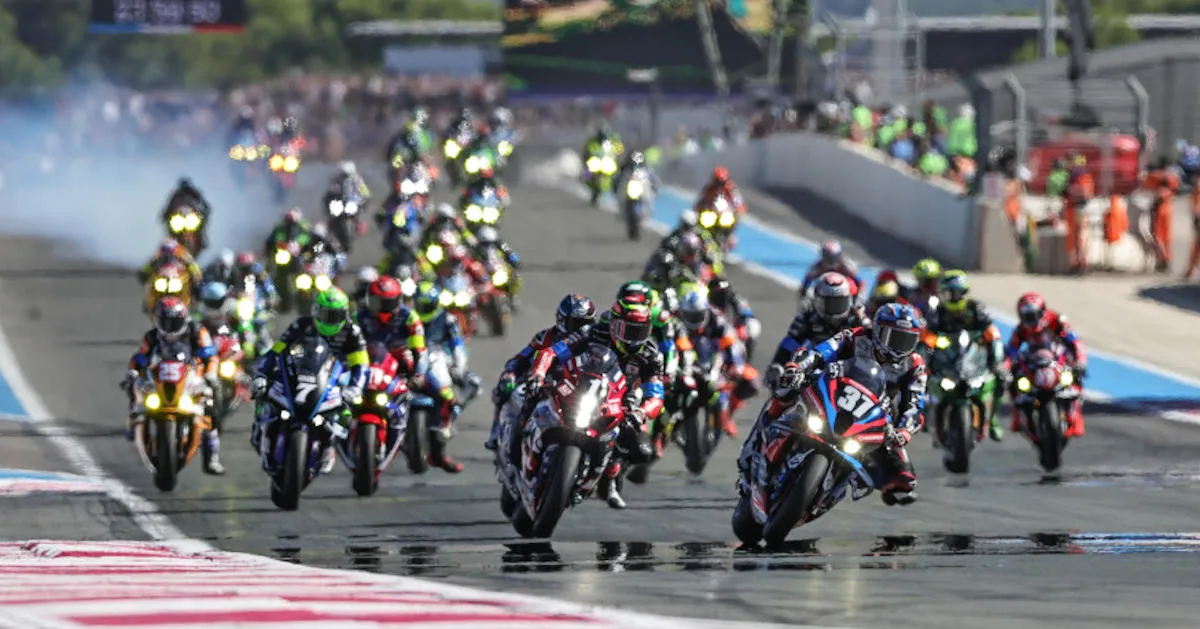
Victory and the championship title for BMW at the 2026 Bol d'Or.

-
The 89th Bol d'Or: A Celebration of Racing Passion.
-
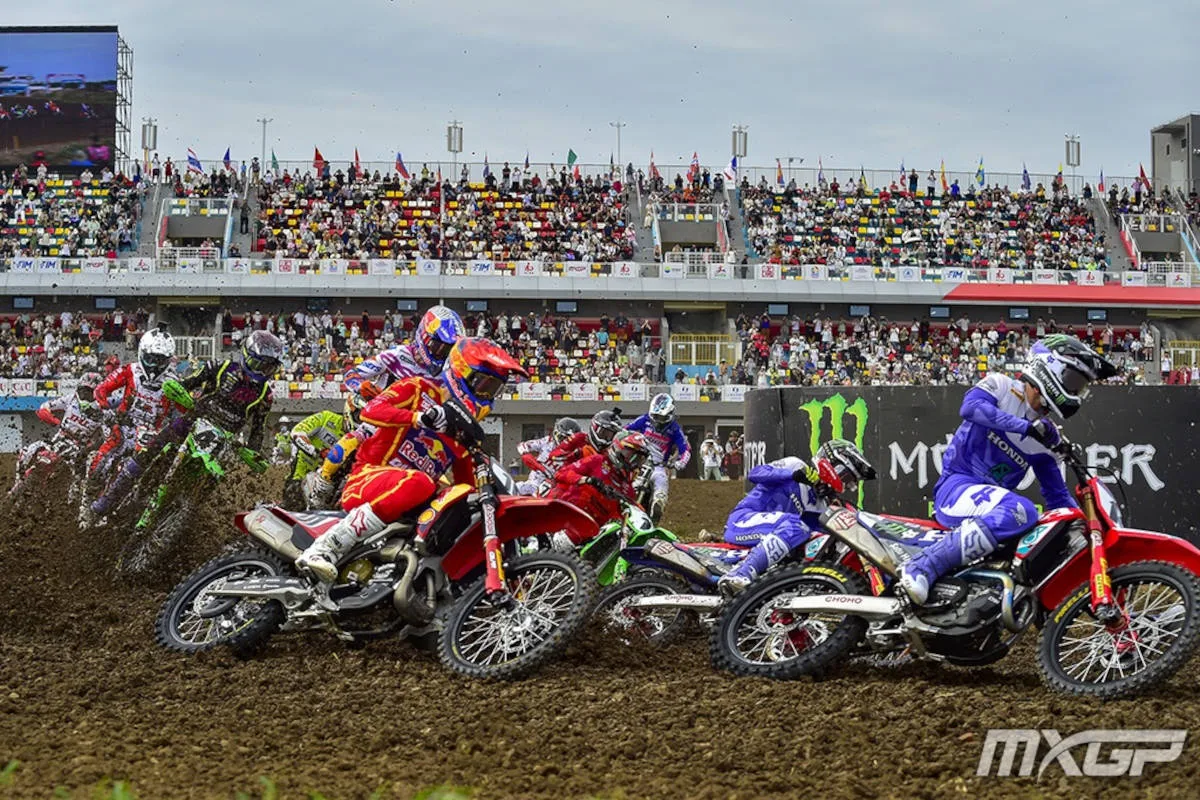
2026 MXGP of China: Herlings Unbeatable, McLellan Delays the MX2 Title
-
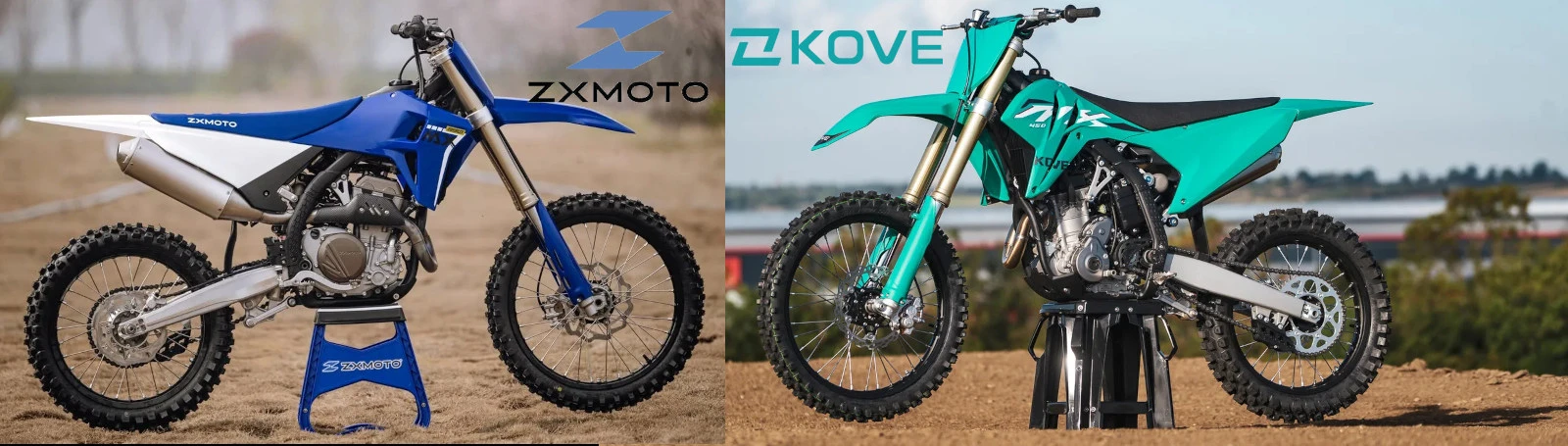
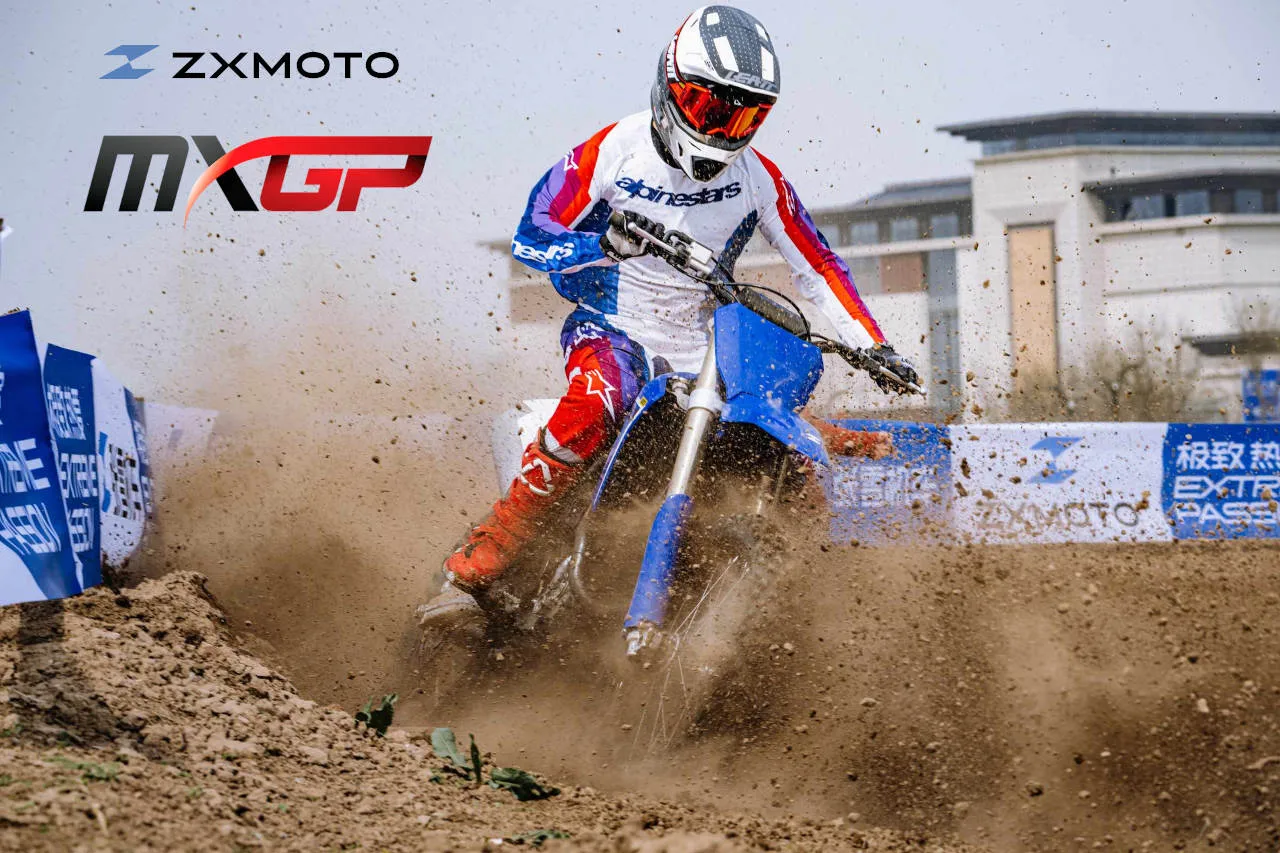
MXGP 2027: Kove and ZXMoto Join the Championship
-
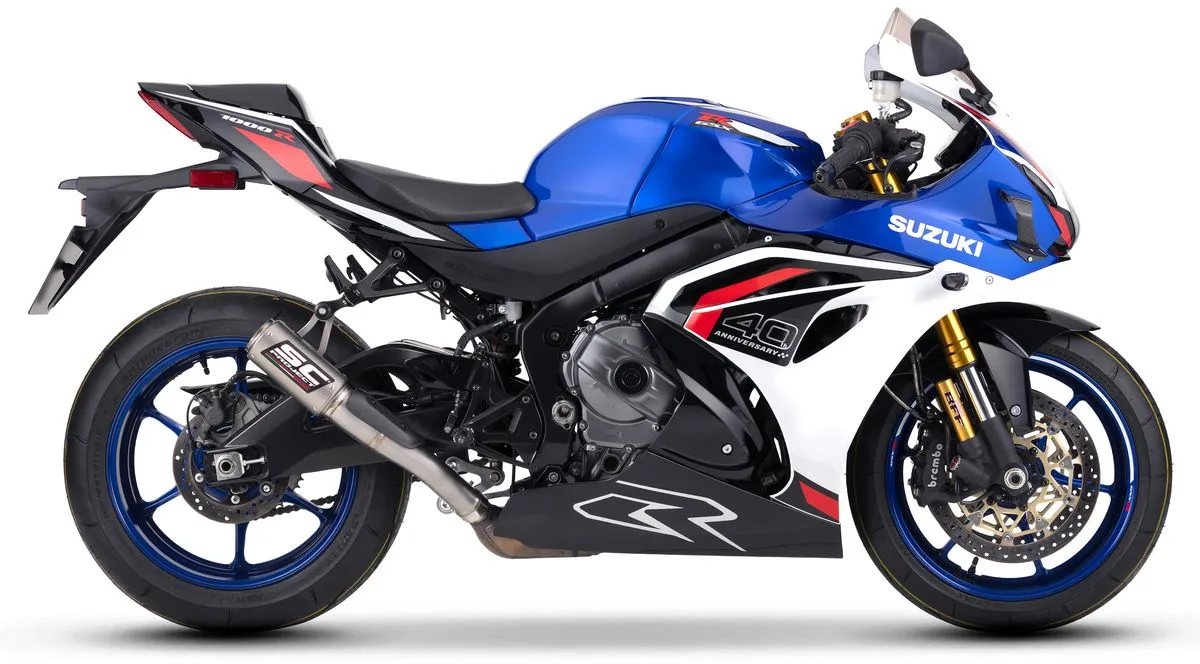
SC Project is working on the 2026 Suzuki GSX-R1000R.
-
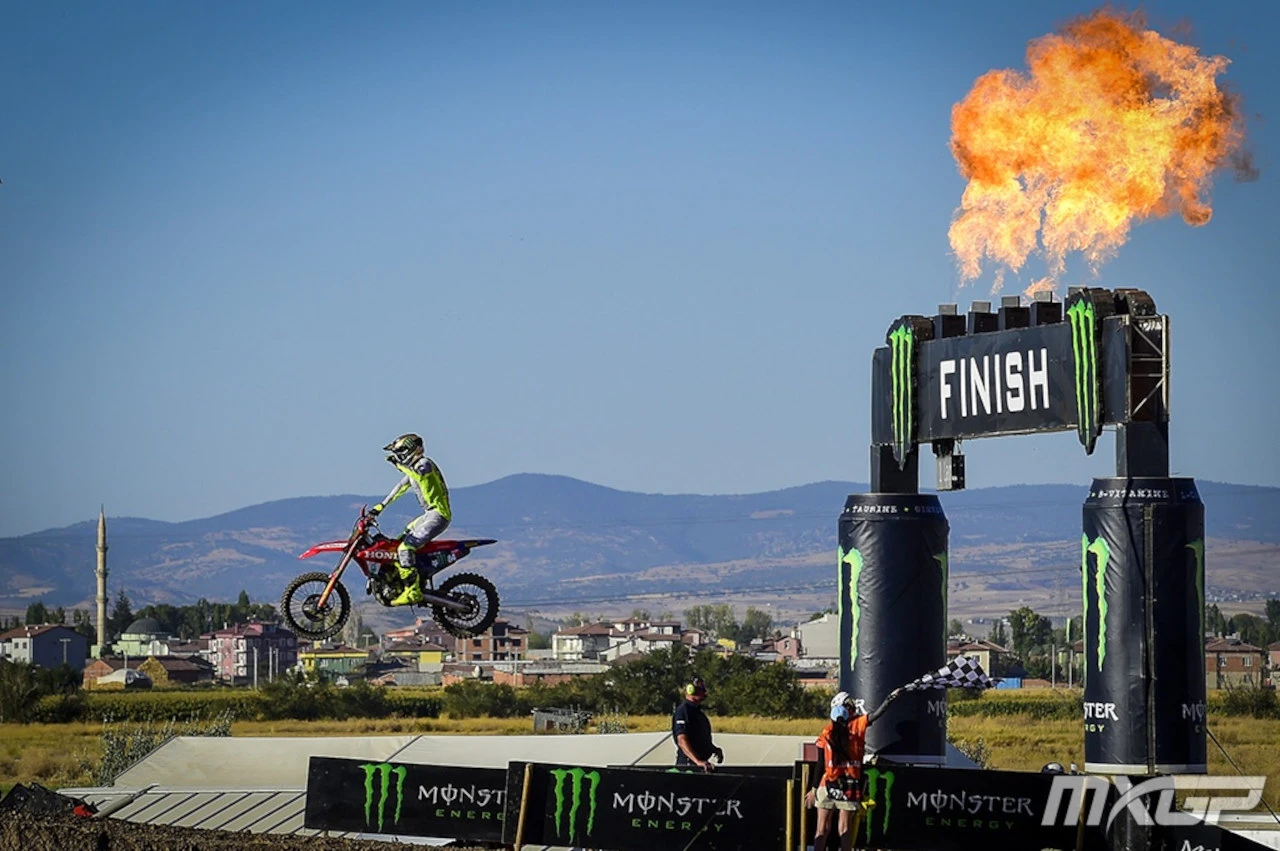
2026 MXGP of Turkey: Herlings Crowned World Champion!
-
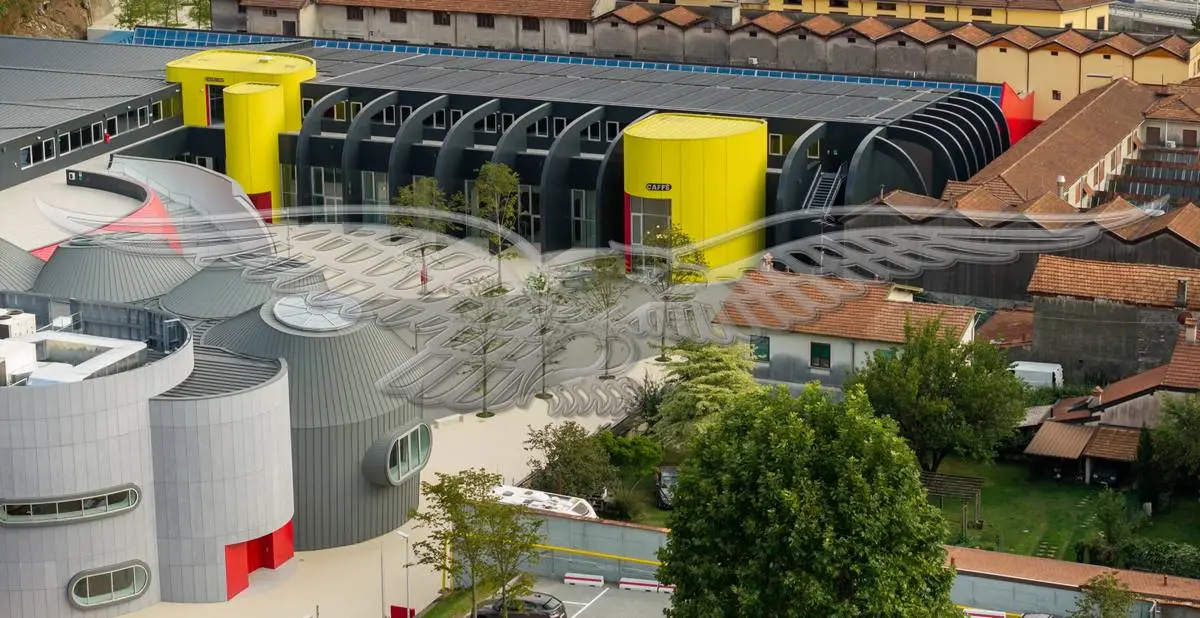
Moto Guzzi: In Mandello, the historic factory is taking on a new scale.
-
ZXMoto in MXGP 2027: The Hypothesis of an Off-Road Earthquake
-
The new motorcycle models of 2026 and the evolutions.

Bikers' reviews Leave a review - 3 reviews
I've had one since 2004. I went to Brittany this year, a super pleasant trip.
Versatile. I have fun when I'm riding solo; my wife travels comfortably as a duo with suitcases.
Top engine reliability; no worries. Shock absorber changed at 85,000 km; cardan shaft broken at 92,000 km. Good front braking. Rating : 5/5 Participate in the conversation