
Motorcycle specifications Ducati Desmo450 EDS 2026 The Red Forest


presentation of the Desmo450 EDS 2026
The DesmoMX was just the first step in Ducati’s foray into off-road riding. Let’s not even mention the DesertX, which is geared toward adventure; here, motocross and enduro are Bologna’s new targets. Enduro, in fact, is the focus of the new Desmo450 EDS.
Rather than offering a simple street-legal version of its motocross bike, the Italian manufacturer has reimagined its technical architecture to meet the specific demands of endurance, traction, and reliability.
The Desmo in full force
Enduro demands specifications radically different from those of motocross. Where MX requires immediate explosiveness over short heats and marked-out terrain, enduro demands consistency, precise traction on loose terrain, and ergonomics designed for long hours of riding.
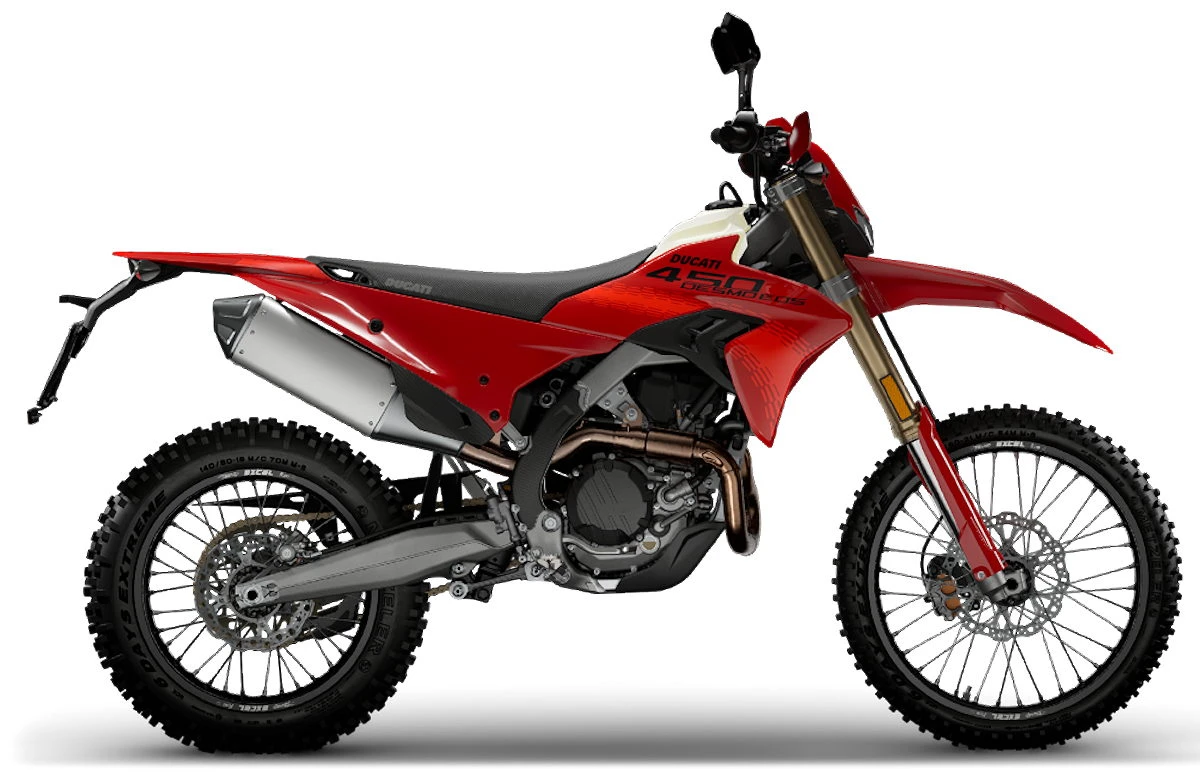
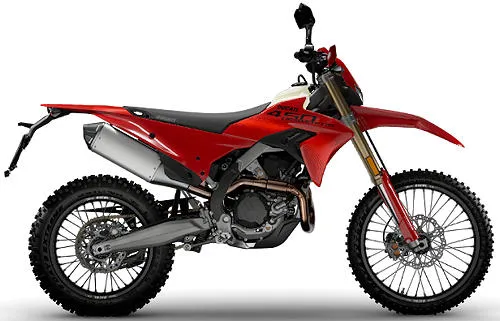
To make this transition, Ducati engineers used the Desmo450 MX as a base but modified its key structural and mechanical components. Visually and ergonomically, the adaptation involves the adoption of a 21-inch front wheel and an 18-inch rear wheel, fitted with Metzeler Six Days Extreme tires. Range, a major challenge in the discipline, is ensured by a new 8.5-liter transparent fuel tank, allowing the rider to gauge the fuel level at a glance, without the engineers having to compromise the overall ergonomics thanks to a design that tapers upward.
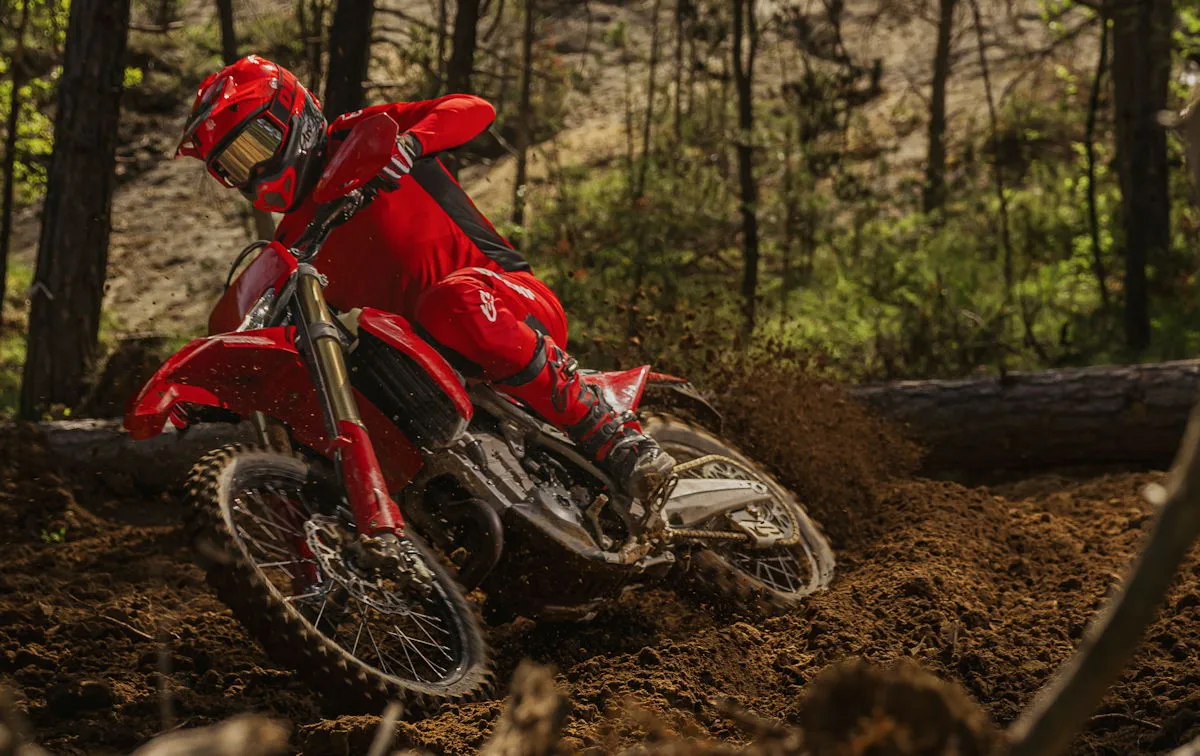
A refined yet powerful single-cylinder
The heart of the Desmo450 EDS remains the single-cylinder engine with desmodromic valve timing, the brand’s true signature. However, its internals have been revised to smooth out the power curve and maximize low-end torque, a necessity for tackling technical sections.
Ducati’s goal was to provide controllable traction that allows riders to navigate obstacles without requiring constant gear changes. This mechanical philosophy translates into several adjustments:
- Intake and compression: The throttle body has been reduced to 42 mm (compared to 44 mm on the MX) and the piston compression ratio has been lowered.
- Better protected: against impacts with the obstacles typical of enduro riding, thanks to aluminum valve, ignition, and clutch covers, which are more robust than the magnesium ones used on the 450 MX.
- Modified inertia: The crankshaft and flywheel feature increased inertia, promoting smoothness and traction when opening the throttle.
- Gearbox ratio: The six-speed gearbox has been redesigned. First gear is shorter for slow-speed navigation, while sixth gear serves as an overdrive for long, fast stretches.
Cooling, which is often compromised in challenging sections, is managed by diamond-shaped radiators offering 6.5% more cooling surface area. A standard electric fan supplements natural airflow, ensuring a stable temperature even when stationary.
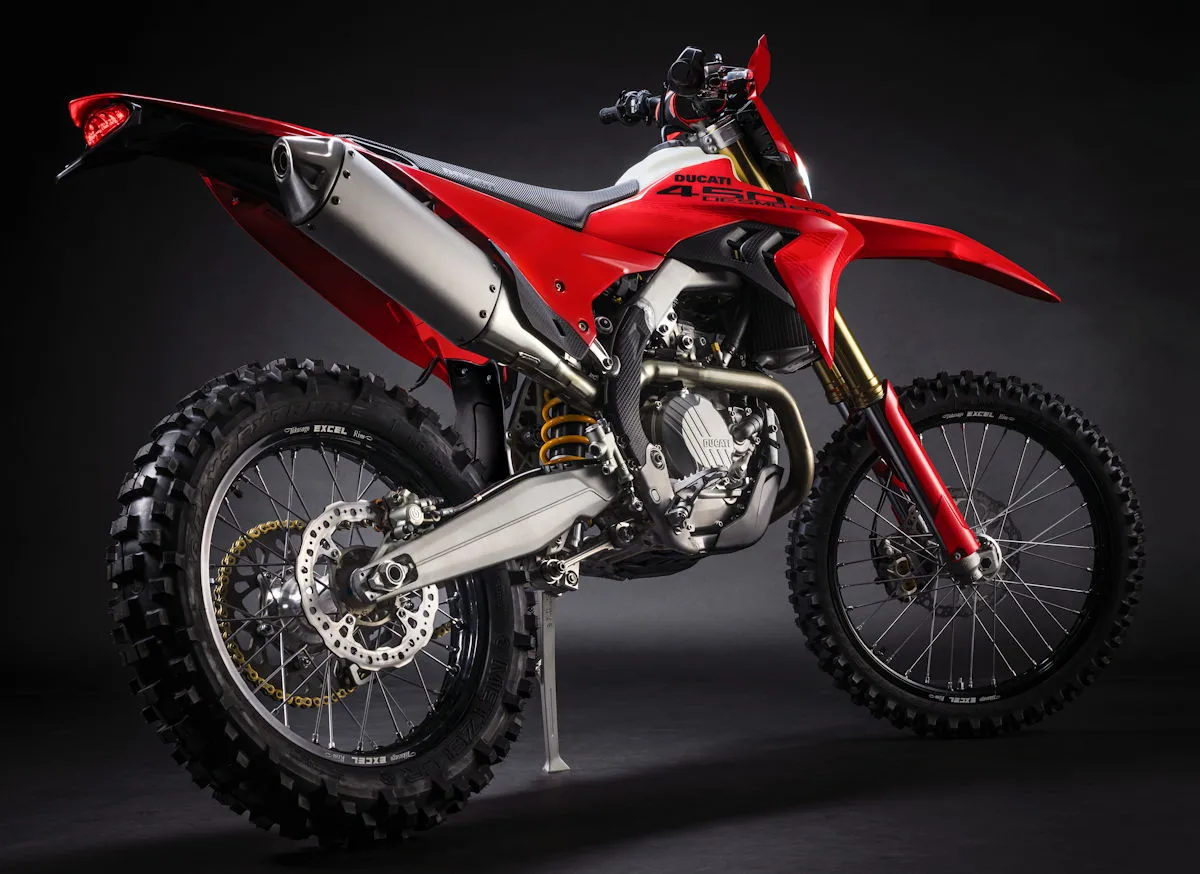
A chassis redesigned for absorption
The aluminum perimeter frame, weighing less than 9 kg, showcases Ducati’s expertise in casting and extrusion. Composed of just 11 parts (nearly half the number of competing models), this frame features redesigned engine mounts. The rigidity typical of motocross has been softened to provide the flex needed for enduro, thereby reducing rider fatigue on long rides.
For the suspension, Ducati continued its partnership with Showa, directly involving multiple world champion Antoine Meo in the development. The 49 mm inverted fork, offering 310 mm of travel, features softer springs and specific hydraulics to "soften" jarring impacts (roots, rocks). The rear shock absorber, mounted on linkages, prioritizes traction when exiting corners.
Braking is handled by Brembo, with 260 mm Galfer discs up front and 240 mm in the rear, gripped by pads with a specific compound designed to prioritize modulation over raw power.
Electronics and predictive maintenance: enduro 2.0
By adding the Ducati Performance racing kit, the Desmo450 EDS will be equipped with a true traction control system, introduced on the 450 MX and specially calibrated for enduro, offering benefits in terms of rider safety and energy efficiency. Reducing physical and mental strain, particularly on difficult terrain, is essential to help the rider maintain focus and responsiveness during longer, more demanding riding sessions.
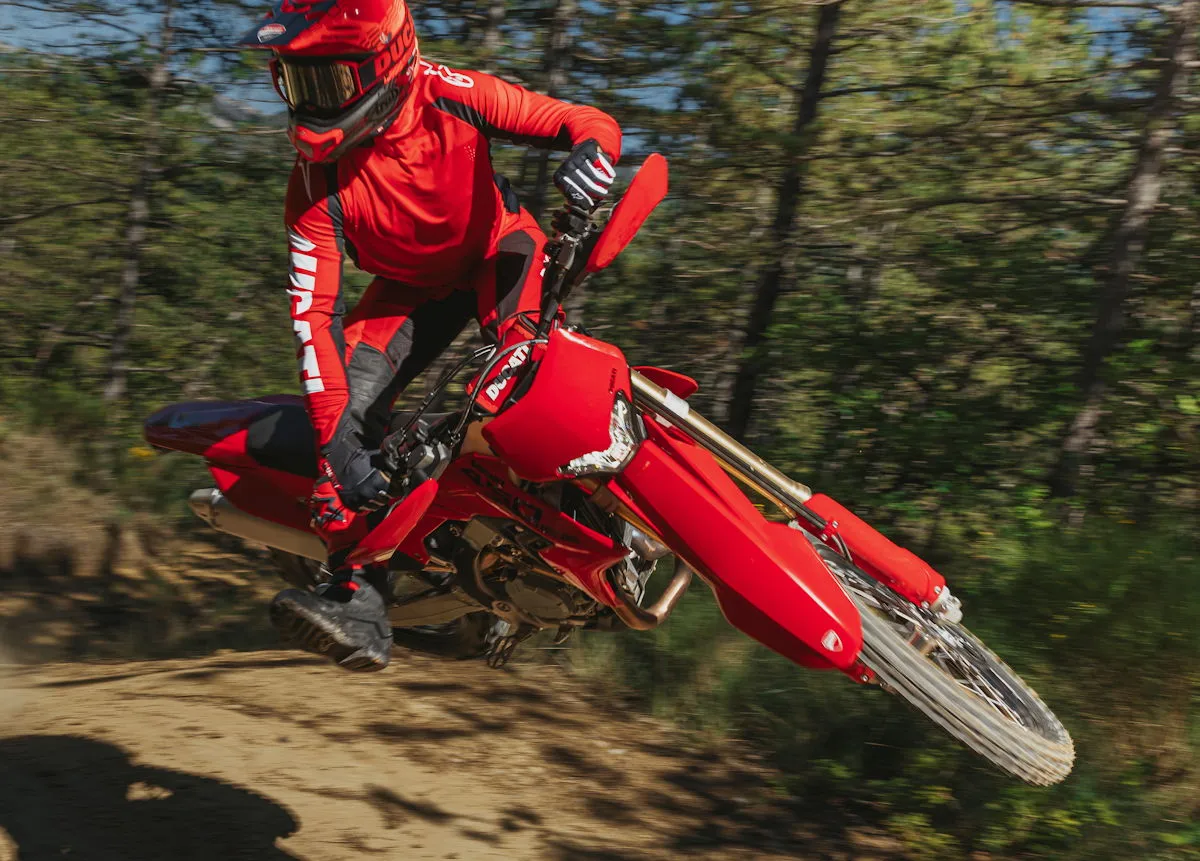
Unlike systems currently available in the specialized off-road sector, Ducati Traction Control (DTC) adjusts power reduction based on actual rear-wheel slip, ensuring effective, rapid, and linear intervention. This system is capable of identifying situations where it should not be used, such as during jumps, and automatically deactivates itself. Furthermore, if the rider identifies sections of the course where they wish to fully exploit the engine’s performance, the system can be deactivated with a light press on the clutch lever. The control reactivates automatically a few moments later.
Ducati Traction Control offers four different levels of intervention. Two are intended for faster riders, while the other two are designed to provide greater safety and confidence for less experienced riders. In both cases, the lowest level is designed for dry, smooth surfaces, such as marked tracks or special stages on more compact terrain, while the highest level is calibrated to assist the rider on rough, wet, or slippery surfaces.
The electronics package included in the racing kit comprises Launch Control and engine brake control, which, like DTC, can be configured with different levels of intervention and paired with two riding modes that riders can adapt to their needs and the track’s characteristics via the X-Link app, which connects to the motorcycle via a Wi-Fi module. The transmission is equipped with a shifter as standard.
This connectivity introduces an adaptive maintenance system, an approach still rare in the off-road sector. Unlike traditional maintenance schedules based on a fixed number of hours, Ducati’s algorithm calculates a “stress index.” By analyzing engine speeds, temperatures, and terrain type in real time, the motorcycle adjusts its own maintenance schedules. Thus, a recreational rider on smooth trails will see longer intervals between services, while a competitor will see them shorten. As a general guideline, the intermediate service (MID) is performed between 90 and 120 hours, and the full service (FULL) between 180 and 240 hours.
Availability
Reinforced with aluminum casings and a full set of protective hardware (skid plate, hand guards), the Ducati Desmo450 EDS will make its debut in European dealerships starting in July 2026, before setting out to conquer other global markets. A vast catalog of performance parts and co-branded equipment will accompany this launch, definitively cementing Ducati’s presence in the mud and dust of the global enduro scene.
Information and image credits: Ducati
by Greg

Greg is the founder of Motoplanete—a website created in 2001 to share his passion with his friends and showcase as many motorcycle models as possible to his readers. Self-taught and a jack-of-all-trades, his discovery of the world of motorcycles led him to work as a photographer, rider, team manager, web developer, graphic designer, editorial assistant, and editor-in-chief.
 Share
Share
Key facts Ducati Desmo450 EDS (2026) : What you need to know before you buy
Prices
| Basic version | |
|---|---|
 France France |
12,690€
|
Model sold in 2026
Performance
- Average fuel consumption : 4.20 liters/100km (0.56 mpg)
-
Estimated range
: 202 km (126 miles)
Calculated range until tank is empty, not verified.

Specifications Ducati Desmo450 EDS 2026
- Chassis
- Vehicle not capable of carrying passengers
- Frame : aluminum perimeter
- Fuel capacity : 8.50 liters (2.25 US gallons)
- Seat height : 970 mm (38.19 in)
- Wheelbase : 1,494 mm (58.82 in)
- Curb mass : 110.50 kg (244 lb)
- Front axle
- Reverse telescopic hydraulic fork, 49 mm diameter / Showa, Wheel travel : 310 mm (12.20 in)
- Angle de chasse : 27.3 °
- Preload, compression and rebound adjustment
- Braking 1 Brembo disc Ø 260 mm (10.24 in), 2-piston caliper
- Front tire : 90 / 90 - 21 → Order this type of tire
- Transmission
- 5 stage gearbox , manual - standard shifter
- Secondary by chain
- Rear axle
- Single shock absorber / Showa, Wheel travel : 301 mm (11.85 in)
- Preload, compression and rebound adjustment
- Braking 1 Brembo disc Ø 240 mm (9.45 in), single-piston caliper
- Rear tire : 140 / 80 - 18 → Order this type of tire
- Motor
- single-cylinder , 4 strokes
- Injection, 42 mm diameter
- Cooling system : liquid
- 2-valve, desmodromic
- 4 valves
- 449.60 cc
- ≈ 60 ch (59.20 hp)
- Compression : 12.9 : 1
- Starting system : electric
- CO² emissions: 97 g/km
- Standard equipment
- Number of riding modes : 2
- Spoke wheels
- Shifter
- Engine Guard
- Hand guards
- Optional equipment
- Traction control
- Engine-brake control
- Launch Control
- Practical information
- Country of manufacture : Italy
Essentials
 Motoblouz
 LaBécanerie


Gallery


Models
2026
Used


Compare the Desmo450 EDS to its competitors
Fuel consumption
Range
Torque
Power
Power-to-Weight ratio
Torque-to-Weight ratio
CO² emissions
FAQ Your frequently asked questions about the Desmo450 EDS 2026
- What is the power of the Desmo450 EDS?
-
The Desmo450 EDS 2026 develops a power of 60 ch (59.20 hp)
- What is the weight of the Desmo450 EDS?
-
The Desmo450 EDS 2026 has a a operating weight of 110.50 kg (244 lb).
- What is the fuel consumption of the Desmo450 EDS?
-
Average fuel consumption is estimated at 4.20 l/100km (0.56 mpg) according to the WMTC cycle.
- QWhat is the seat height of the Desmo450 EDS?
-
To ensure good accessibility, the Desmo450 EDS 2026 offers a minimum seat height of 970 mm (38.19 in).
- What is the price of the Desmo450 EDS?
-
The price of the Desmo450 EDS 2026 is 12,690€ in France
- Is the Desmo450 EDS approved for transporting a passenger?
-
No, this vehicle is only suitable for 1 people; it is a single-seater.
- What size tires should I put on my Desmo450 EDS?
-
The standard size for a Desmo450 EDS 2026 is 90 / 90 - 21 for the front, and 140 / 80 - 18 for the rear.
- What colors are available for the Desmo450 EDS?
-
For the 2026 model year, the Desmo450 EDS is available in one color: red.
News
-
SC Project is working on the 2026 Suzuki GSX-R1000R.
-
2026 MXGP of Turkey: Herlings Crowned World Champion!
-
Moto Guzzi: In Mandello, the historic factory is taking on a new scale.
-
ZXMoto in MXGP 2027: The Hypothesis of an Off-Road Earthquake
-
Superbike - Will 240 ch sport bikes soon be available at dealerships?
-
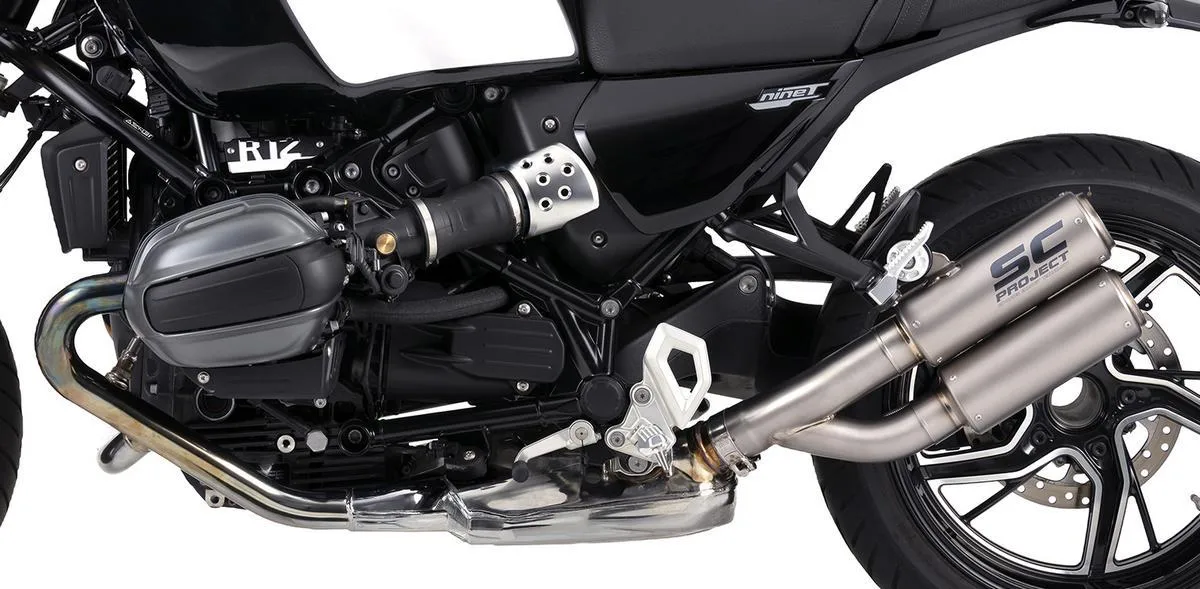
2 new SC-Project mufflers for the R 12 NineT and G/S.
-
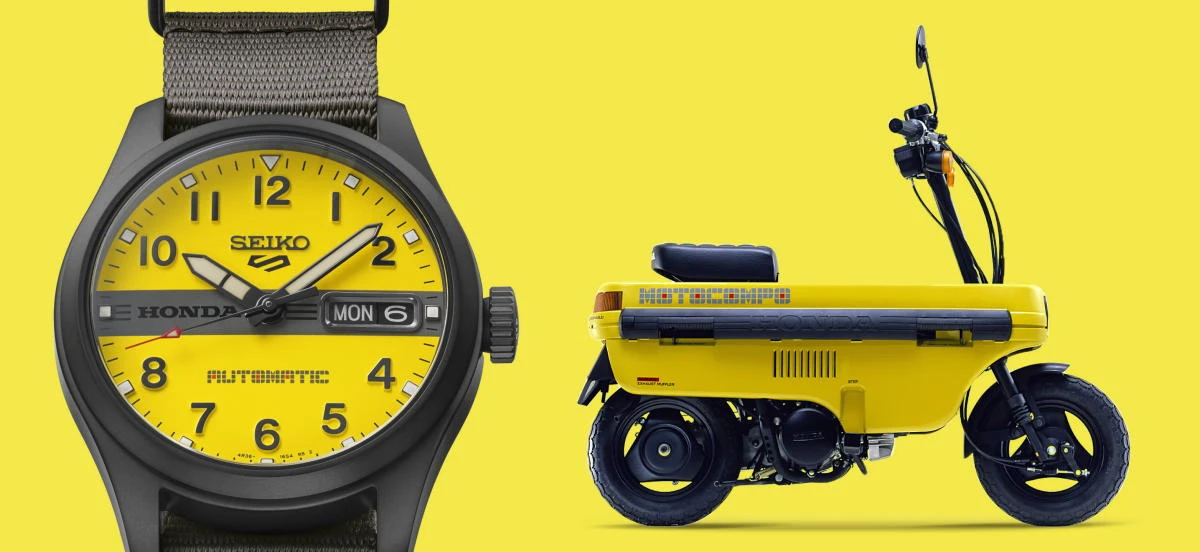
Seiko unveils a watch inspired by the Honda Motocompo.
-
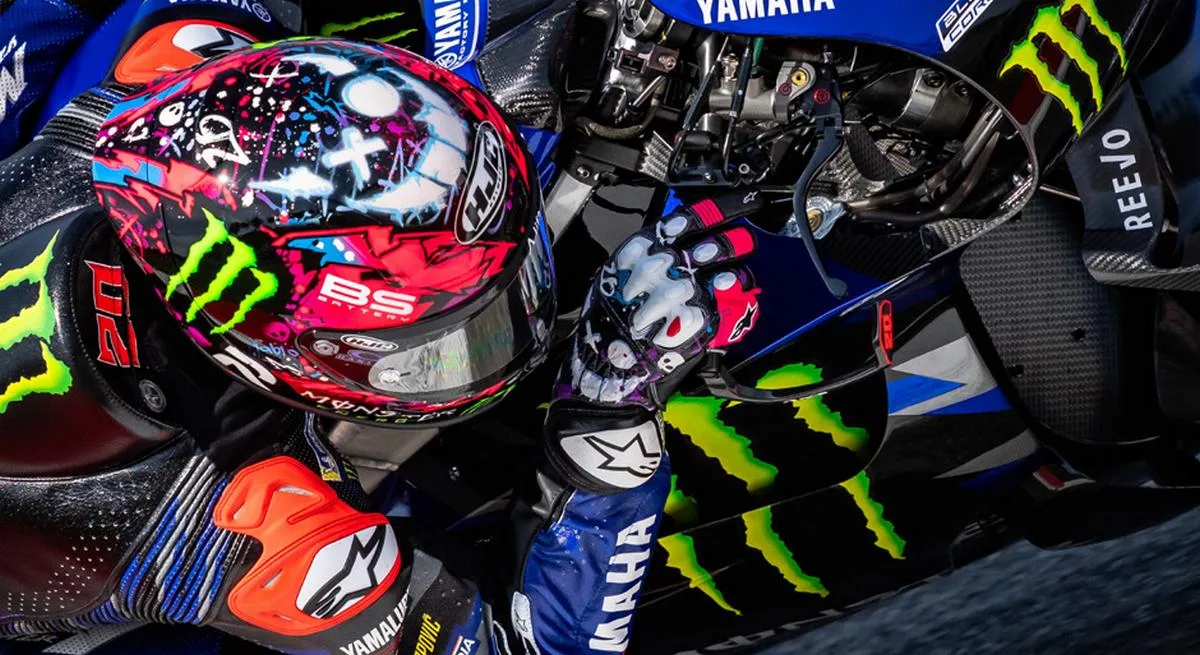
A new Funky Diablo design for the HJC Rpha 1 Carbon.
-
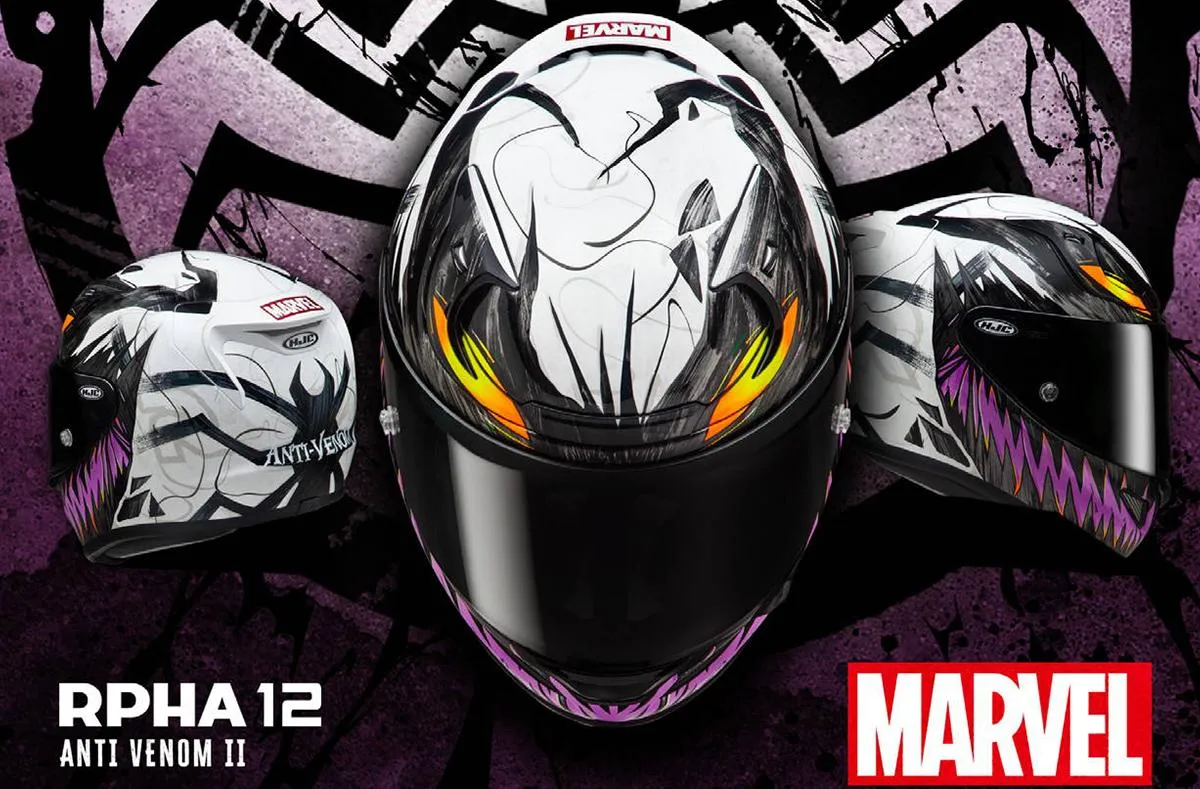
HJC teams up with Marvel again with its RPHA 12 Anti-Venom II full-face helmet.
-
The new motorcycle models of 2026 and the evolutions.

Bikers' reviews Leave a review