
Motorcycle specifications Ducati 1199 Panigale S SENNA 2014 Remembrance without limits
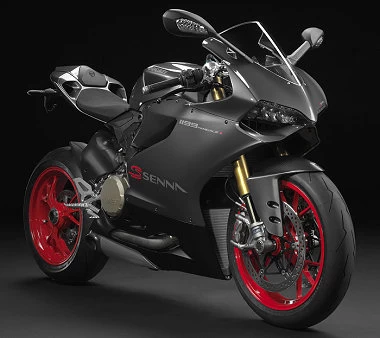

presentation of the 1199 Panigale S SENNA 2014
The name Ayrton Senna is familiar to all, evoking an icon of Formula 1. Some will remember his tragic death, many will praise his exceptional career and the imprint he will leave forever on the F1 microcosm. Ducati is also remembered for other reasons. The Castiglioni brothers, owners of the Bologna-based brand in the mid-80s and 90s, had struck up a friendship with the Brazilian driver, and several limited series of 916s were created in his honor. It was Ayrton who chose the specific gray color when he visited the Borgo Panigale factory in 1994. Senna died a few weeks later, but his S would go down in Ducati history.
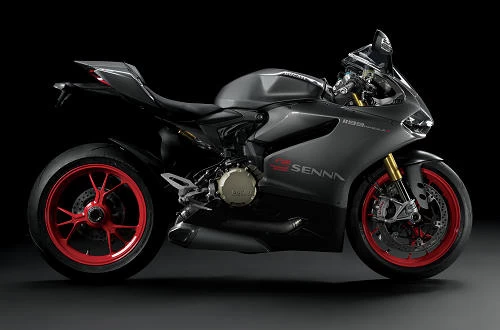
300 Ducati 916 SPs in honor of Ayrton Senna were released in 1995, followed by Senna IIs in '97 and Senna IIIs in '98. Collectors are snapping up these iconic models. Now, some will be able to complete their collections with this new limited series from Ducati: the 1199 Panigale S Senna edition. Taking its cue from the 916 series of yesteryear, the 1199 is particularly expressive in this gray color, highlighted by red rims. A few drops of gold recall one of the Panigale S's special features: electronically-adjustable Öhlins suspension. An emotion runs through the fairing in the form of the famous curved S, followed by the name of the three-time world champion. The machine will be fitted with a racing exhaust system and a special plate on the fork crown indicating its number in the series.
an exclusive and highly nationalized series, the Ducati 1199 Panigale S Senna will be marketed only in Brazil, Ayrton's homeland, and in a limited number of 161 units - the number of Grand Prix starts he made. This exceptional Superbike will be available in June 2014, 20 years after the eponymous driver's death.
M.B - Manufacturer's photos
PANIGALE... Yesterday, a name known only to the people of Bologna. From now on, it will be one of the most feared names in the paddocks. Beneath these few letters lies one of the most exceptional machines that Italy, and perhaps even motorcycle history, has ever created. To renew its sporting spearhead, Ducati started from scratch, innovating in all directions, and while the competition moves on with each new generation, the reds have crossed an ocean. The terror of the racetrack is no longer a motorcycle, it's a technological monster: the Ducati 1199 Panigale.
A new identity
All it takes is one appearance to make you believe in the impossible, and that's almost the case with this 1199. It's hard to imagine that a single motorcycle could contain enough upheaval to give the whole planet a boost! And yet... It all starts with the name. This is the first time that a Bologna sports bike has been given a name. In this case, the name of the district where the factory is located.
Technically, it is so different from previous generations that it needed a stylistic breakthrough to make a clear statement. There was no question of remaining under the thumb of the successful 1198. The 1199 therefore dares, with impertinent audacity, to free itself from the traditional pots under the seat. SCANDAL! Some would say. This appendage fixed under the rider's buttocks has been THE Ducati trademark since the 916. And yet, moving the exhaust under the engine refocuses the masses and increases agility.
Behind its Multistrada-like snout, the 1199 boasts a more voracious silhouette, a more powerful bow, and imposing flanks that are ventralized by a vein of black.the rear end is truncated in RSV4 style, and to our delight, features a superb, unmistakable monobar. The stern is finished off with two LED lights inspired by the 1198's tailpipes. As for the eyes, also LED, their menace is matched only by the gaping holes in the forced-air intake. It's as if the engine needs more air than there is in front of it.
The Superquadro twin: a monster!
Ducati wanted a new-generation engine capable of taking the 1199 Panigale into the stratosphere. The engineers therefore designed a new block with impressive characteristics. The announced power alone is frightening. This twin-cylinder engine produces 195 horsepower...
195 horsepower!!! Figures like these on a twin are only to be seen in World Superbikes. To get to this crazy potato, there 's no secret: you've got to rev. The 1199 gets its maximum power 1,000 rpm later than the 1198. To make the revs bearable (12,000 rpm max), the Superquadro's dimensions are super-square, so much so that they become insane. Bore is 112 mm, stroke 60.8 mm. When you think that the 1198 already impressed with its 106 x 67.9...
More bore means more room for bigger valves. Compared to the 1198 engine, intake valves have increased from 43.5 to 46.8 mm, and exhaust valves from 34.5 to 38.5 mm. To combine strength and lightness, they are made of titanium rather than steel, as on the R models.
On the timing side, it also sounds like a half-revolution. The desmodromic system has obviously been retained (otherwise, this wouldn't be a Ducati), but it is now driven by a mixed chain-and-pinion system. Gone are the belts so emblematic since the Pantahs of the '80s. What's more, the desmo now uses new carbon polymer-treated rockers to reduce wear and friction.
The twin is much more than just the machine's propeller. It also has a virtually integral load-bearing function (more on that later). Engineers first placed it 6° further back than the 1198, setting it at 21° horizontal. It's also set 32 mm further forward in the frame, thereby increasing the weight at the front (52/48 split). Now that it's adjusted, it's time to make it strong and durable to the bitter end. The crankcases are manufactured using the Vacural process, increasing rigidity while saving weight. In the cylinders, the liners are treated directly with Nickasil, while the crankshaft now rests on bearings rather than bushes, a solution tried out on the Desmosedici RR. When you switch it on, all you'll hear is the barking, while the sound of a clattering engine will be missing from the auditory landscape. And why is that? Because the dry clutch is gone. As on the 848, an oil-bath mechanism transmits the cavalry.
The fuel system has also been upgraded. The oval intake ducts have been extended from 63.9 to 67.5 mm. Thirst is quenched by a set of double injectors per cylinder. Throttle control is ride-by-wire, but this is only part of the electronic panoply that has invaded the 1199.
Fighter-plane electronics.
The Panigale is a tracker with chips. A hybrid terminator that thinks for the rider. Oh, of course, it's always the rider who turns the handle. But that's where it all begins. The equipment is over-assisted:
- firstly, the DRM, which lets you choose your injection mapping: 1/full power with a muscular arrival of power, 2/full power still but a more gradual distribution of horsepower, and 3/rain mode with a maximum of 120 hp. Each mode also plays on the more or less pronounced intervention of the other electronic kickstands. And if that's not enough for you, there's a mode that allows you to set everything to your own convenience.
- Then there's a shifter for lightning-quick gear changes
- the new EBS, a parameterizable engine brake management system
- 8-position adjustable DTC traction control
But the biggest arsenal is reserved for the S version. There's electronically adjustable Öhlins suspension, 3-stage ABS (option at 1,000 euros on the satndard) and DDA+, more details of which can be found in the 1199 Panigale S data sheet.
To control all this while enjoying the classic motorcycle data (speed, rpm, temperature, etc.), you need a good dashboard. And Ducati innovates here too. The instrument cluster is a real TFT computer screen (like a phone screen, only bigger). The K 1600 GT is also equipped with this type of unit, but it coexists with traditional dials - the 1199's is full digital. It's classy, it's full of options, it's colorized, it lets you create menus in all directions, and you really feel like you're aboard a Star Wars ship.
The chassis? The new crusade.
With the 1199 Panigale, Ducati's fundamentals have been shaken. We've already seen that the belts, the dry clutch and the pots under the seat have all gone out the window... but more violent than its 195 horsepower pushed by 13.5 mkg, more shocking than a Rossi without his 46, is the abandonment of the trellis frame!
Gone are the red tubes encircling the heart of a Bolognese. The 1199 won't need them, and won't need a frame either. The engine takes care of the essentials, backed up by a cast aluminum shell to house the airbox and support the steering column. The swingarm is anchored directly to the casings, and the rear shock absorber's kinematics are striking. The rocker arm is fixed to the left on a side plate (the one that holds the footrest), and the end of the shock absorber is anchored directly to the engine. Problem: the whole assembly is very exposed in the event of a fall. But this is just one of a host of small weight-saving details, such as the new 500g lighter rims, the same gain for the monobloc brake calipers, plus a lighter rear buckle.magnesium for the fork-head support, cylinder head covers and clutch housing, a lighter fuel tank (albeit with 1.5 liters more) which also serves as an airbox cover (the 916 already used this trick). Mix all this with a miniature monocoque frame and you get a sports bike with a lot less weight. The weight loss is staggering: 10 kg. On the scales, at 164 kg dry and 188 wet, it's almost on a par with a Triumph 675 Daytona. No Japanese hypersport comes close in this respect. Even the forks are outrageous. Like some MV-Agusta models, the steering tubes are an extravagant 50 mm in diameter. You won't find 43 anywhere else.
A sports bike designed by and for competition
All that engineering giving you a headache? Well, let me simplify: an all-new twin with a load-bearing capacity of 195 hp and 13.5 mkg, no longer a trellis frame but an aluminum monocoque structure vaguely akin to that of the Kawasaki ZX-12R and ZZR 1400, a TFT instrument panel, electronic assistance at every level, and exquisite sportiness. the Ducati 1199 Panigale is even more intent than its predecessors on blurring the boundary between track and dealer machines. It boasts a staggering power-to-weight ratio, and its technology is such that it heralds an almost similar upheaval to that seen on certain sports bikes: the R1 in 1998, the CBR 900 in 1992, or the 750 GSX-R in 1985. If anything, it's got what it takes to hit the world even harder than the 916. If Ducati pushed the envelope with a special series featuring a self-supporting carbon saddle, matching exhaust system, carbon fairingcarbon fairing and forged magnesium rims, we'd have a twin-cylinder Superbike boasting over 200 hp for a fully loaded 180 kg. A dream? No, the next step.
by Greg
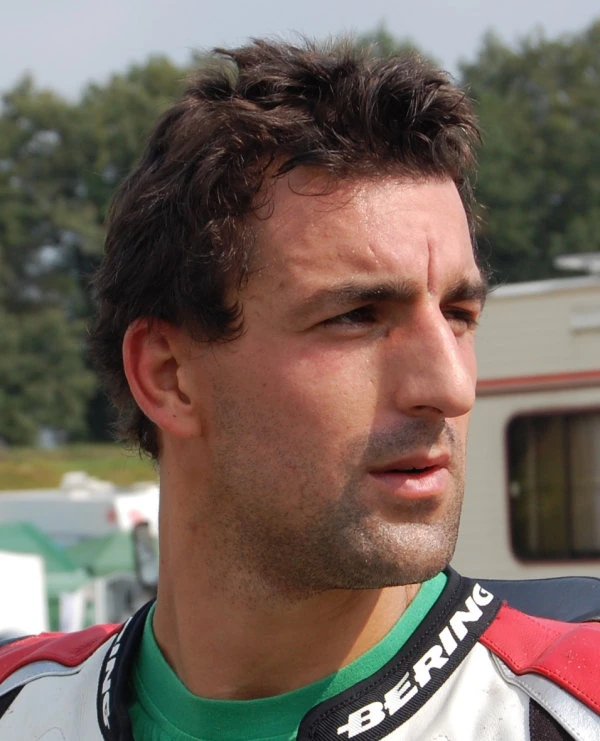
Greg is the founder of Motoplanete—a website created in 2001 to share his passion with his friends and showcase as many motorcycle models as possible to his readers. Self-taught and a jack-of-all-trades, his discovery of the world of motorcycles led him to work as a photographer, rider, team manager, web developer, graphic designer, editorial assistant, and editor-in-chief.
 Share
Share
Key facts Ducati 1199 Panigale S SENNA (2014) : What you need to know before you buy
Highlights
- Tribute to the champion
- High-tech sportswoman
- Striking power
- Suspates Öhlins
Weak points
- Few special parts
- Only available in Brazil
- Price
- Optional ABS and DDA+
Prices
| Basic version | |
|---|---|
 France France |
33,259€
|
Performance
- Max speed : approximately 300 km/h (186.40 mph)
Specifications Ducati 1199 Panigale S SENNA 2014
- Chassis
- Frame : Monocoque in aluminum
- Fuel capacity : 17 liters (4.49 US gallons)
- Dry weight : 164 kg (362 lb)
- Weight when fully loaded : 188 kg (414 lb)
- Front axle
- Öhlins NIX30 telehydraulic upside-down forks Ø 43 mm / Öhlins
- Braking 2 discs Ø 330 mm (12.99 in), radial mounting, 4-piston caliper
- Front tire : 120 / 70 - 17 → Order this type of tire
- Pressure : 2.1 bar
- Transmission
- 6 stage gearbox
- Secondary by chain
- Rear axle
- Öhlins TTX36 monoshock / Öhlins
- Braking 1 disc Ø 245 mm (9.65 in), 2-piston caliper
- Rear tire : 200 / 55 - 17 → Order this type of tire
- Pressure : 2.2 bar
- Motor
- two-cylinder 90° L-shape , 4 strokes
- Injection
- Cooling system : liquid
- 2 ACT, desmodromic
- 4 valves per cylinder
- 1,199 cc
- 195 ch (192.30 hp) to 10,750 rpm
- 13.50 mkg to 9,000 rpm
- Power-to-Weight Ratio : 0.85 kg/ch
- Torque-to-Weight Ratio : 12.15 kg/mkg
- Standard equipment
- Brake assist : Optional ABS
- Practical information
Essentials
 Motoblouz
 LaBécanerie


Gallery


Models
2014
2014
2013
2012
Used


Compare the 1199 Panigale S SENNA to its competitors
Compared to its 4 direct competitors, this 1199 Panigale S SENNA holds a particularly dominant position, establishing itself as the benchmark across several key criteria. It outperforms the segment by combining torque of 13.5 Nm, top speed of 300 km/h, and power-to-weight ratio of 0.85 kg/ch. Its overall spec sheet reveals no noticeable weak points in this segment.
Torque
Power
Power-to-Weight ratio
Torque-to-Weight ratio
Speed
FAQ Your frequently asked questions about the 1199 Panigale S SENNA 2014
- What is the power of the 1199 Panigale S SENNA?
-
The 1199 Panigale S SENNA 2014 develops a power of 195 ch (192.30 hp)
- What is the torque of the 1199 Panigale S SENNA?
-
The maximum torque of the 1199 Panigale S SENNA 2014 is 13.50 mkg to 9,000 rpm.
- What is the maximum speed of the 1199 Panigale S SENNA?
-
The 1199 Panigale S SENNA 2014 is capable of reaching a top speed of approximately 300 km/h (186.40 mph) on the track.
- What is the weight of the 1199 Panigale S SENNA?
-
The 1199 Panigale S SENNA 2014 has a a dry weight of 164 kg (362 lb), a weight when fully loaded of 188 kg (414 lb).
- What is the price of the 1199 Panigale S SENNA?
-
The price of the 1199 Panigale S SENNA 2014 is 33,259€ in France
- What size tires should I put on my 1199 Panigale S SENNA?
-
The standard size for a 1199 Panigale S SENNA 2014 is 120 / 70 - 17 for the front, and 200 / 55 - 17 for the rear.
News
-
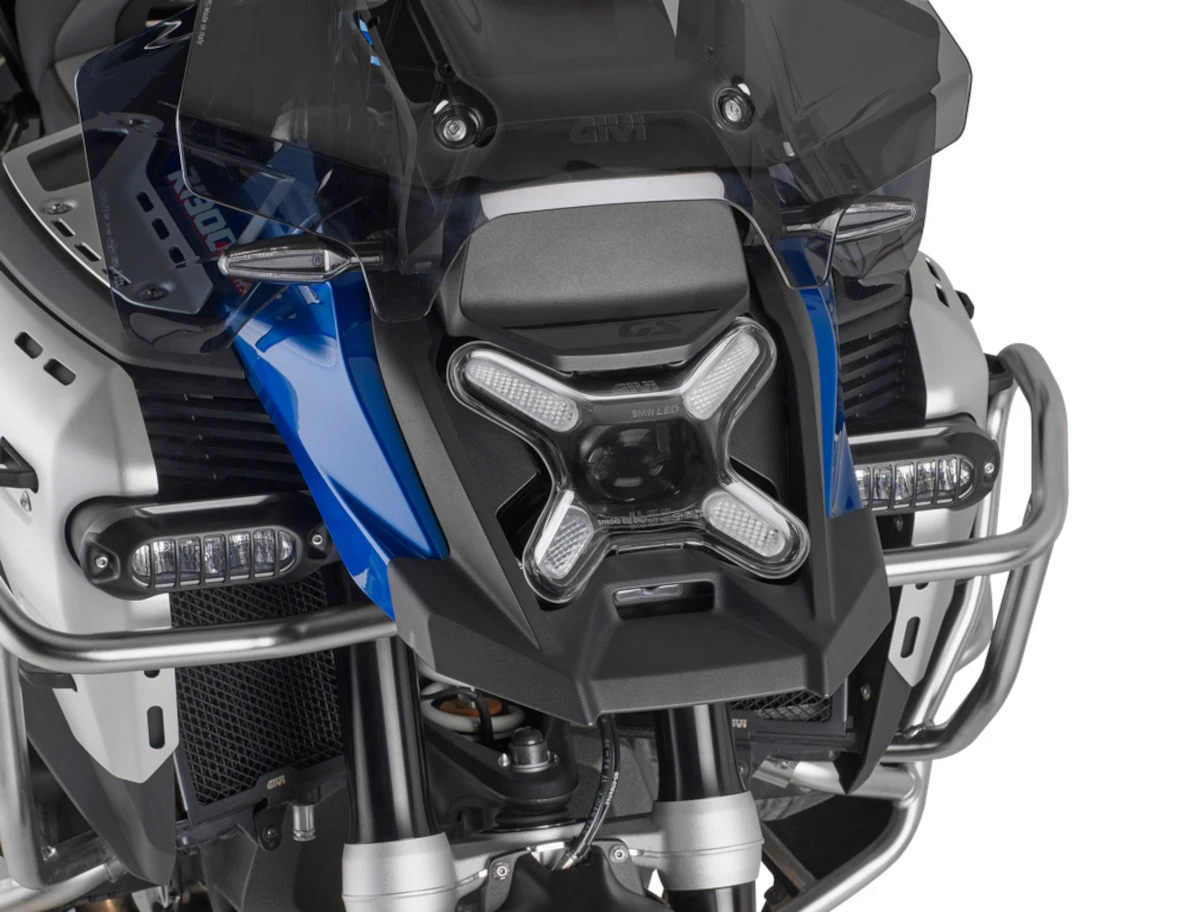
GIVI HLP Headlight Protector: Ténéré 700 and R1300GS
-
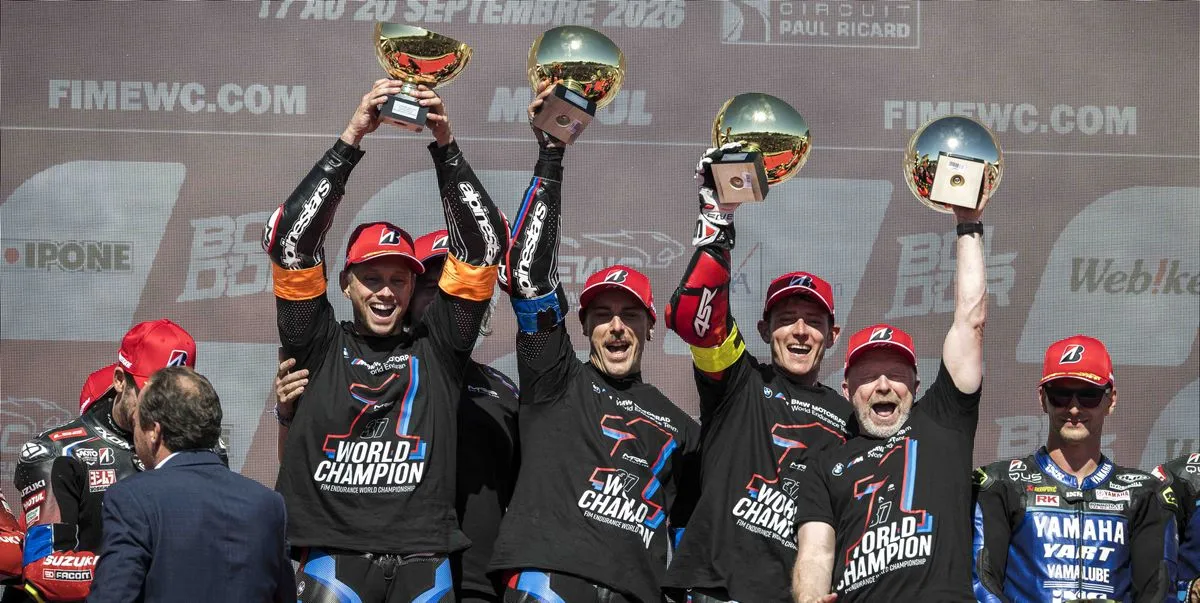
Victory and the championship title for BMW at the 2026 Bol d'Or.
-
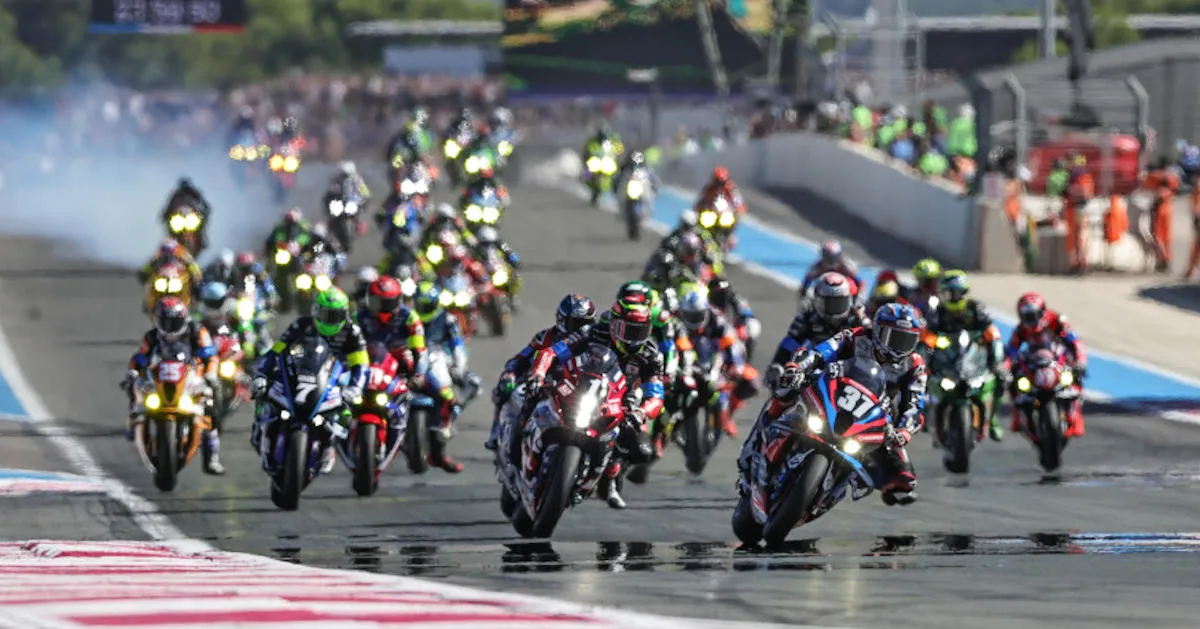
The 89th Bol d'Or: A Celebration of Racing Passion.
-
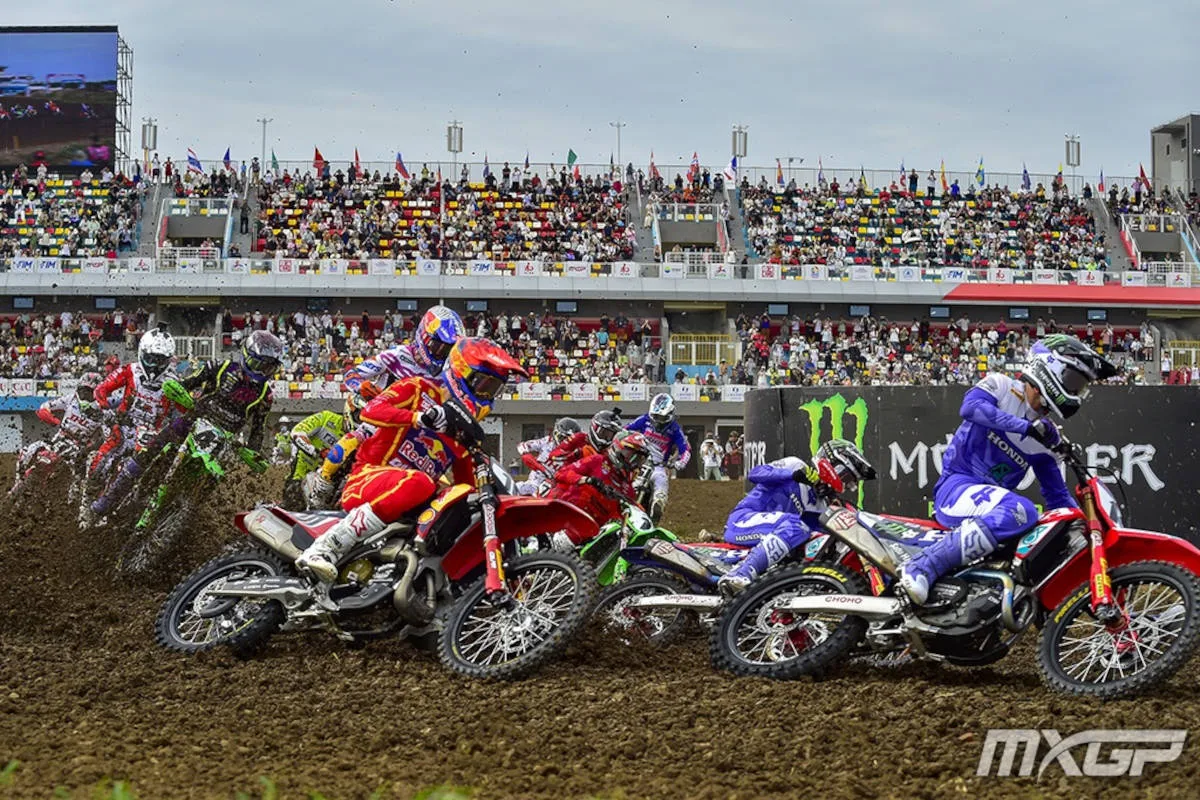
2026 MXGP of China: Herlings Unbeatable, McLellan Delays the MX2 Title
-
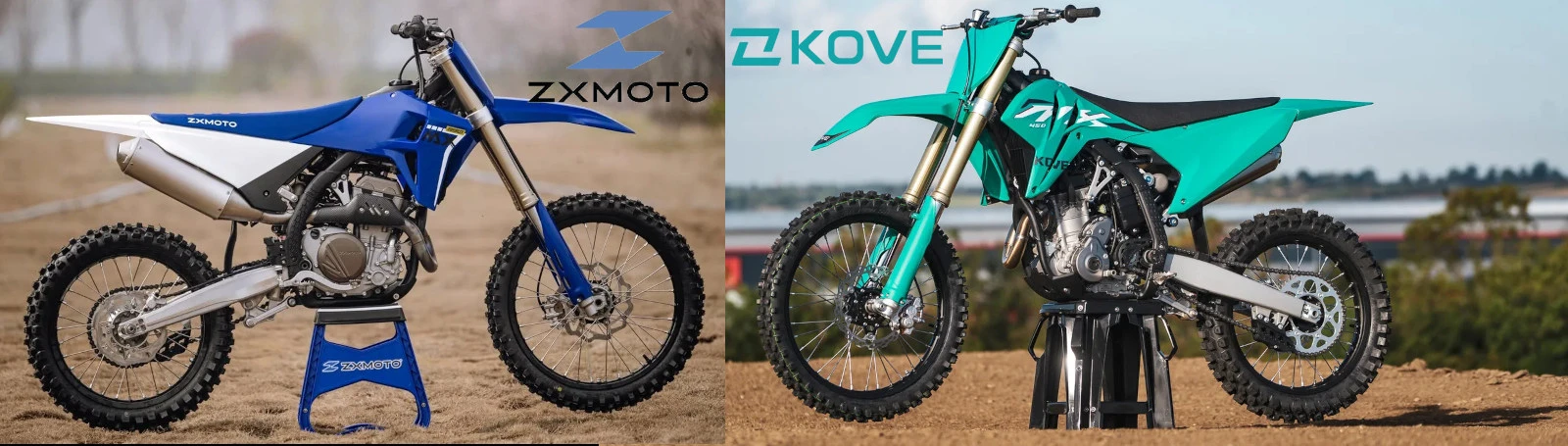
MXGP 2027: Kove and ZXMoto Join the Championship
-
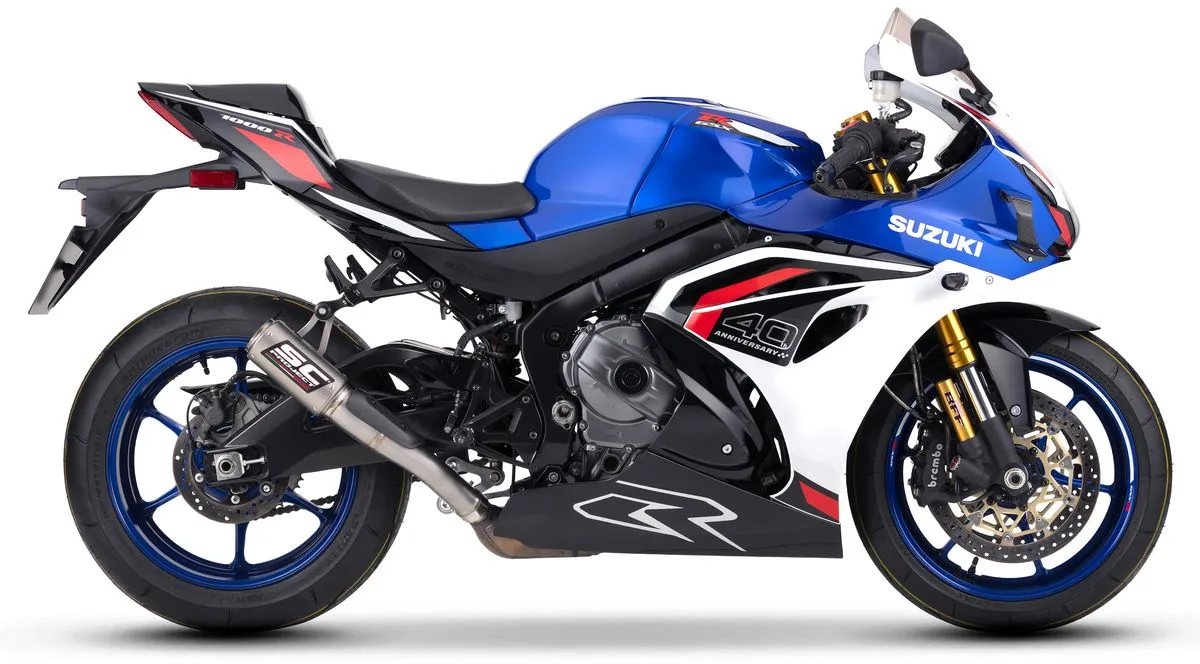
SC Project is working on the 2026 Suzuki GSX-R1000R.
-
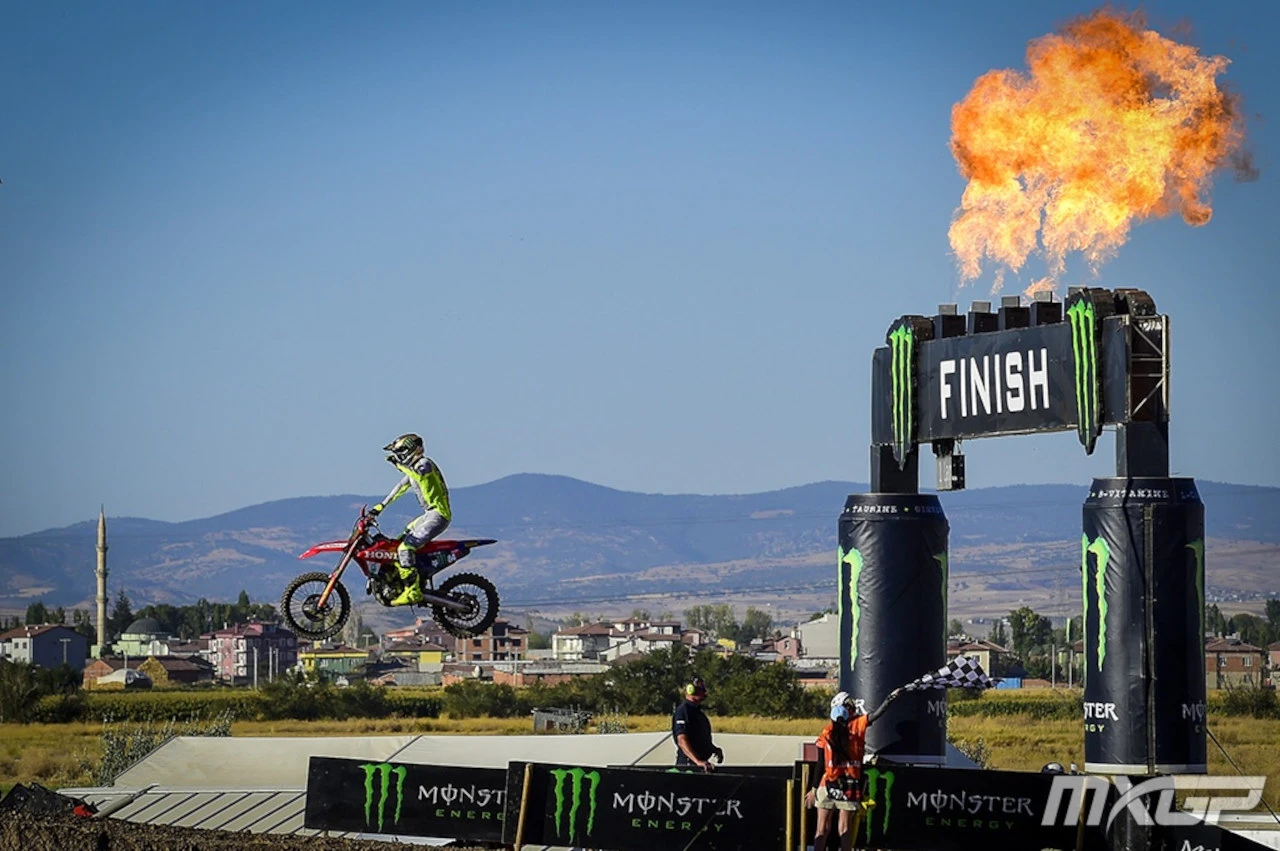
2026 MXGP of Turkey: Herlings Crowned World Champion!
-
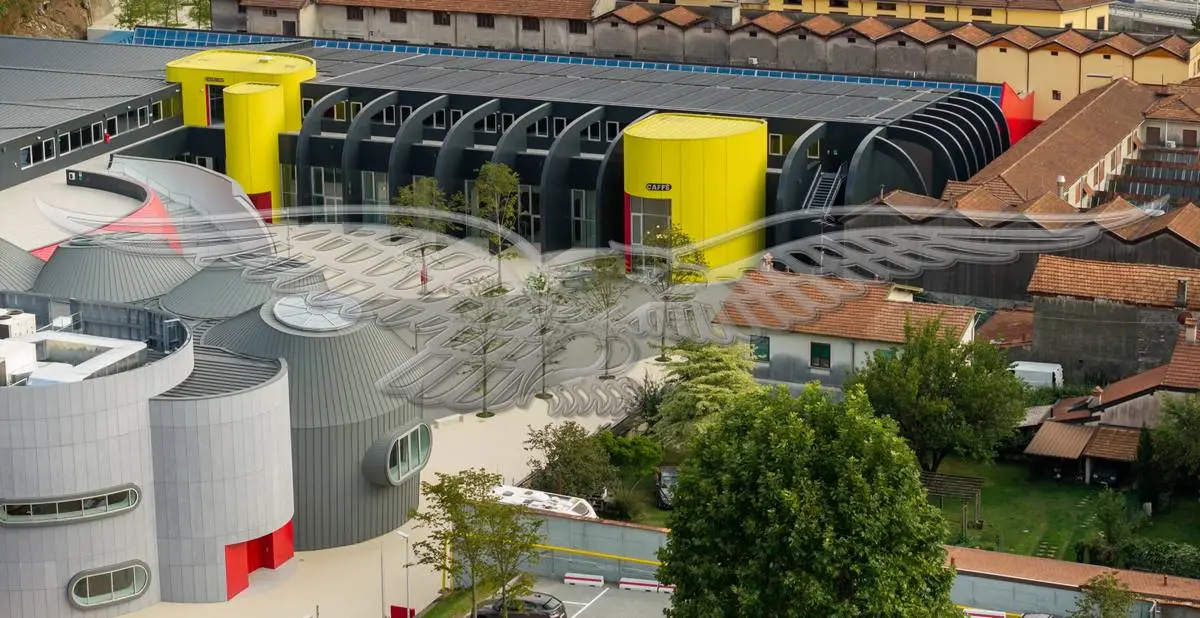
Moto Guzzi: In Mandello, the historic factory is taking on a new scale.
-
ZXMoto in MXGP 2027: The Hypothesis of an Off-Road Earthquake
-
The new motorcycle models of 2026 and the evolutions.

Bikers' reviews Leave a review - 1 review