
Motorcycle specifications Ducati 1200 Multistrada DVT 2015 The fire between the tracks


presentation of the 1200 Multistrada DVT 2015
The very first Multistrada was a real UFO in the Ducati range. And in the motorcycling world, too. Its concept had a lot to do with it, and its distinctive design had a lot to do with it. In 2013, the 1200 allowed this "hybrid" machine to truly find its vocation, its expression, its spirit. The hypersport trail was born. Today, the 3rd-generation 1200 Multistrada is full of technology, introducing variable valve timing and improving efficiency.
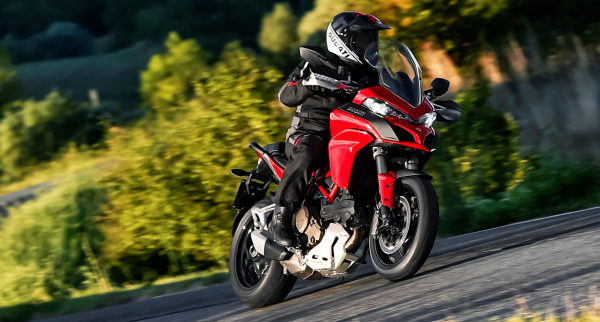
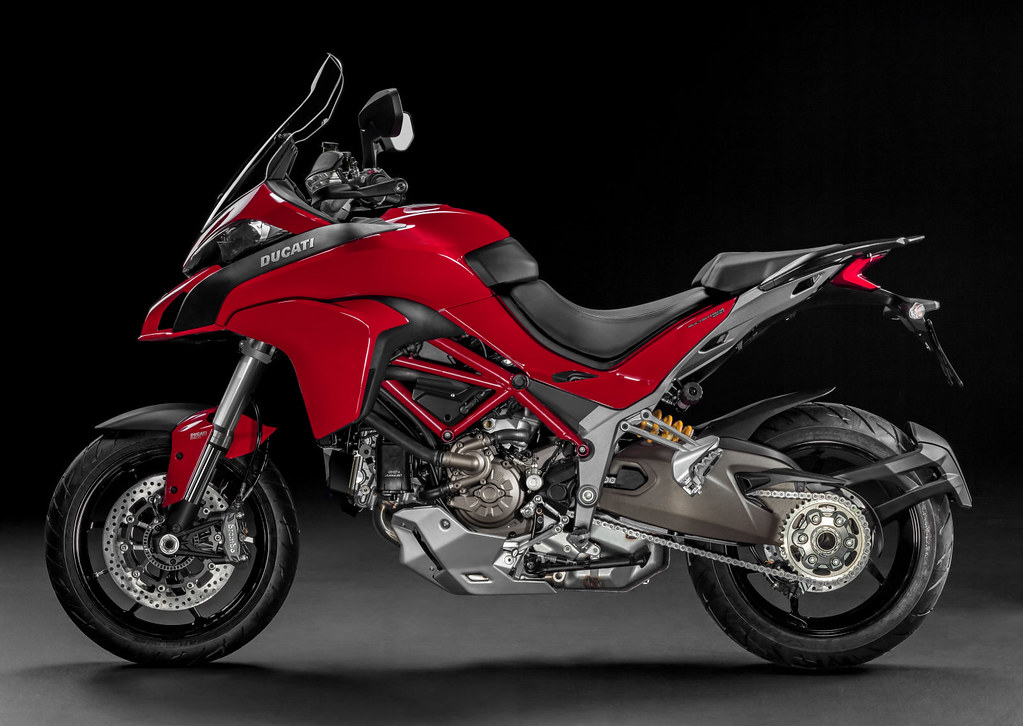
the Multistrada's design is a little like that of a BMW GS or Suzuki GSX-R. Whatever the generation, the identity is immediately recognizable. The MTS follows its genetic lineage, but with an even more menacing face. The snout has changed: the trails have a duck-like beak, whereas the Ducati's is more like a vulture. The eyes have been stretched, the hoof has been retouched, the side panels have evolved while retaining the stylistic line, and the trim has taken on a more cheeky appearance. All in all, it's clear that this Multistrada isn't here to amuse the gallery.
rather, it's all about having fun on the handlebars. With watts, and big ones. And then some. The Bologna-based brand has turned its attention to a new terrain to make its twin even more enjoyable. This involves a variable valve timing system. Quite common in cars, it's rarely found on motorcycles. There are very few machines capable of modifying what happens in the cylinder head. There's been the Kawasaki GTR 1400; the VFR 800 has championed it since 2002, and....and that's it. Forget Honda's, which only affects the number of valves in action. The GTR's only affected the intake. With its DVT (Desmodromic Variable Timing) system, Ducat goes one step further and makes its trail bike the first production motorcycle to be able to shift its intake AND exhaust camshafts. The result is a combination of high torque at low revs and high power at high revs. With conventional valve timing, you have to favour one or the other, or make a compromise. This is a win-win situation.
To explain DVT, you need a nice diagram, a dose of patience and a knitting brain. So let's keep it simple. The end of each ACT is not connected to a traditional pinion but to an oil-pressure-controlled phase shifter. The engine control unit modifies the oil flow entering this complex part to adjust the ACTs according to engine speed. For more, much more detail, there's a large paragraph at the end of the article, with a video for better visualization.
In practice, this DVT allows the big twin to offer greater engine performance, more availability, greater flexibility and lower fuel consumption. Ducati claims an average reduction of 8%. As for performance and acceleration, you'll have to keep your cool. The Multistrada has gained 10 horsepower in the process. The stable is now bursting at the seams with 160 horsepower. And when it comes to torque, things are going to get hot and heavy. At 3500 rpm, we've already got 80 Nm (8.2 mkg) under our belts. Between 5750 rpm and 9000 rpm, there's always at least 100 Nm (10.2 mkg) available. The peak is at 7500 rpm, when the Testastretta 1200 delivers 136 Nm (almost 14 mkg). Previously, the curve had peaked at 12.7 mkg. Enough to atomize many a machine on the road when you step on the gas. This big job for the top end is more than enough; the rest of the bike remains unchanged. In fact, it was already one of the most advanced in production.
And for maintenance. The manufacturer is confident: routine maintenance extended to 15,000 km and timing adjustment to 30,000 kms.
ducati likes to make engines that rip out your brain cells. And when it comes to chassis, we can't blame them too much either. On the sportbike side, it takes a lot of skill. On the trail side, the aim is less elitist but just as rigorous. The structure remains the same, but the evolution is visible. The tubular steel trellis has been redesigned, stiffened and now painted red, and the development team took the opportunity to raise the ground clearance by 20 mm. At 180 mm, this brings the multi-route motorcycle function.... within the realms of reasonableness.
to each his own? You'll have to adjust the suspension. Here we find a 48 mm Sachs inverted fork and a monoshock from the same manufacturer, both fully adjustable. The treats are for the S version, which gets a new version of Skyhook semi-active suspension. This Premium version is also distinguished by its brake calipers, dashboard and other features.
New Y-shaped triple-spoke rims are fitted with Pirelli Scorpion Trail II, trail-GT tires, but more GT than trail - a perfect match for the big behemoths these machines have become.
engine - chassis - electronics. Every motorcycle is now made up of this trio. At Borgo Panigale, we're keen to keep the infusion at the cutting edge of technology. There were already riding modes. They are now reinforced by an IMU inertial unit. Depending on Sport, Urban, Touring or Enduro mode, the electronics adjust engine power, the way it's delivered, and the level of intervention of ABS, traction control and anti-wheeling. With IMU, the Multistrada's ABS becomes active when cornering. The Brembo M40 jaws can bite into the 320 mm track as much as they like, while the anti-lock system and multi-axis brain modulate braking according to the bike's inclination and velocity. There's no risk of braking too hard in a curve or of the rear end lifting up. Pinch, and the bike handles.
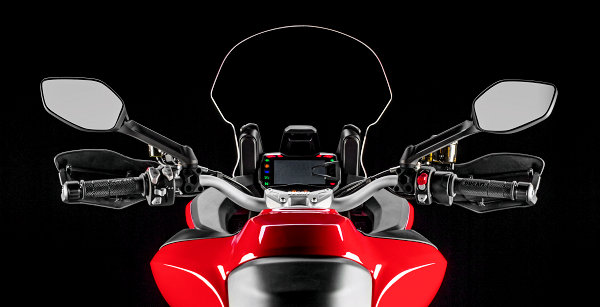
Once you're on board, the MTS wants to take care of you. Two 12V sockets, cruise control, backlit gauges and a new LCD instrument panel, significantly less messy than the old one. As well as new handlebars, a more welcoming saddle that adjusts to 825 or 845 mm, the option of adjusting the bubble to 60 mm, and that little extra that gets you hooked: keyless starting. Stuck in your trouser pocket, under your rain gear or at the bottom of your rucksack... no problem. If it's within a 2-meter radius, the bike picks up the signal and is ready at the rider's command.
good, hard work to modernize the 1200 Multistrada. But it costs! In price, of course, which has risen slightly, but above all in weight. 8 kilos more than last time, that's no mean feat. Even if, in the end, this is hardly noticeable on a 232-kilo, highly motorized bike.
Note that the 1200 MTS is no longer available in certain variations (Granturismo or Touring), but in Packs to personalize the machine. What are they? :
- Touring: 2 panniers for a total capacity of 58 liters, heated grips and a belly stand.
- Sport: allows the Multistrada to awaken its Ducati soul, with a Termignoni muffler, carbon front mudguard and forged aluminum brake and clutch fluid reservoir covers.
- Urban: designed for city use, it includes a 48-liter top case, semi-rigid tank bag and USB connection.
- Enduro: a little help from Touratech enables the MTS to threaten the rocks. There are additional LED headlights, a tubular steel engine guard, a radiator guard, an extension plate for the kickstand, and an off-road footrest kit.
M.B - Manufacturer's media
dVT - Desmodromic Variable Timing
desmodromic Variable Timing (DVT) uses hydraulically operated camshaft phasers (two for each cylinder head).(two for each cylinder head) to alter the position of the camshaft in relation to the timing belt pinion, thus varying the timing. These phasers are located on both intake and exhaust cams.
The camshaft phasing unit is a two-part mechanism: an external pinion (2) connected to the timing belt and an internal rotor (3) connected to the camshaft, which modifies valve timing by adjusting the angle of rotation of the camshaft.
the two parts of the mechanism can rotate about 45° relative to the camshaft independently of each other in 0.45 sec. The inner rotor consists of several lobes and regulates the flow of oil into the phase shifter or out of the space between (the chambers) the outer housing and the lobes. Oil seals are inserted into the rotor's machined grooves to ensure tightness between the chambers, which are grouped together on both sides.
the outer pinion alone will simply rotate at the same rate as the inner rotor. As soon as one group of chambers receives pressurized oil (the system adds oil to one side of the lobe) and the others are evacuated, the external gear provides the force needed to rotate or hold the rotor relative to the shaft phaser body.
the camshaft phasing units in each cylinder head are connected to the engine oil system via two solenoid valves (4) attached to the cylinder heads.
these valves control the oil pressure on the two camshaft phasing units according to the signal sent by the engine control unit.
the oil pressure in the camshaft phasers is continuously adjusted by the oil control valves to determine the correct position of each camshaft
camshaft position is dynamically controlled by a special sensor mounted on the cylinder head cover.
the engine control unit activates the solenoid valves according to engine data (rpm, engine load, temperature and positions of crankcase and camshafts). The valves open the oil lines in the control unit. Engine oil flows through the control box to the camshaft phasing units. The camshaft phasers rotate and regulate camshaft timing according to specifications sent by the engine control unit.
by Greg
Greg is the founder of Motoplanete—a website created in 2001 to share his passion with his friends and showcase as many motorcycle models as possible to his readers. Self-taught and a jack-of-all-trades, his discovery of the world of motorcycles led him to work as a photographer, rider, team manager, web developer, graphic designer, editorial assistant, and editor-in-chief.
 Share
Share
Key facts Ducati 1200 Multistrada DVT (2015) : What you need to know before you buy
Highlights
- Powerful engine technology
- More flexibility and power
- Enhanced equipment
Weak points
- Rising prices
- Less multi-road tires
Prices
| Basic version | |
|---|---|
 France France |
17,590€
|


Performance
- Max speed : 240 km/h (149.10 mph)
History

Specifications Ducati 1200 Multistrada DVT 2015
- Chassis
- Frame : Tubular steel mesh
- Fuel capacity : 20 liters (5.28 US gallons)
- seat height adjustable between 825 mm and 845 mm
- Length : 2,190 mm (86.22 in)
- Width : 1,000 mm (39.37 in)
- Min height : 1,495 mm (58.86 in)
- Wheelbase : 1,529 mm (60.20 in)
- Dry weight : 209 kg (461 lb)
- Weight when fully loaded : 232 kg (511 lb)
- Front axle
- Reverse telehydraulic fork Ø 48 mm, Wheel travel : 170 mm (6.69 in)
- Braking 2 discs Ø 320 mm (12.6 in), radial mounting, 4-piston caliper
- Front tire : 120 / 70 - 17 → Order this type of tire
- Pressure : 2.5 bar
- Transmission
- 6 stage gearbox
- Secondary by chain
- Rear axle
- Mono-damper, Wheel travel : 170 mm (6.69 in)
- Braking 1 disc Ø 265 mm (10.43 in), 2-piston caliper
- Rear tire : 190 / 55 - 17 → Order this type of tire
- Pressure : 2.5 bar
- Motor
- two-cylinder 90° L-shape , 4 strokes
- Injection Ø 56 mm
- Cooling system : liquid
- 2 ACT, desmodromic vari
- 4 valves per cylinder
- 1,198.40 cc
- 160 ch (157.80 hp) to 9,500 rpm
- 13.90 mkg to 7,500 rpm
- Power-to-Weight Ratio : 1.32 kg/ch
- Torque-to-Weight Ratio : 15.04 kg/mkg
- Compression : 12.5 : 1
- Standard equipment
- Brake assist : ABS in curves
- Practical information
Essentials

 Motoblouz
 LaBécanerie


Gallery


Models
2017

2016

2015







Compare the 1200 Multistrada DVT to its competitors
Compared to its 12 direct competitors, this 1200 Multistrada DVT holds a particularly dominant position, establishing itself as the benchmark across several key criteria. It outperforms the segment by combining power output of 160 ch, power-to-weight ratio of 1.32 kg/ch, and torque-to-weight ratio of 15.04 kg/Nm. Its overall spec sheet reveals no noticeable weak points in this segment.
Acceleration
Fuel consumption
Range
Torque
Power
Power-to-Weight ratio
Torque-to-Weight ratio
Speed
FAQ Your frequently asked questions about the 1200 Multistrada DVT 2015
- What is the power of the 1200 Multistrada DVT?
-
The 1200 Multistrada DVT 2015 develops a power of 160 ch (157.80 hp)
- What is the torque of the 1200 Multistrada DVT?
-
The maximum torque of the 1200 Multistrada DVT 2015 is 13.90 mkg to 7,500 rpm.
- What is the maximum speed of the 1200 Multistrada DVT?
-
The 1200 Multistrada DVT 2015 is capable of reaching a top speed of 240 km/h (149.10 mph) on the track.
- What is the weight of the 1200 Multistrada DVT?
-
The 1200 Multistrada DVT 2015 has a a dry weight of 209 kg (461 lb), a weight when fully loaded of 232 kg (511 lb).
- QWhat is the seat height of the 1200 Multistrada DVT?
-
To ensure good accessibility, the 1200 Multistrada DVT 2015 offers a minimum seat height of 825 mm (32.48 in). The integrated adjustment allows you to adjust the riding position to suit your needs.
- What is the price of the 1200 Multistrada DVT?
-
The price of the 1200 Multistrada DVT 2015 is 17,590€ in France
- What size tires should I put on my 1200 Multistrada DVT?
-
The standard size for a 1200 Multistrada DVT 2015 is 120 / 70 - 17 for the front, and 190 / 55 - 17 for the rear.
- Where can I find high-quality used 1200 Multistrada DVTs?
-
You can find used 1200 Multistrada DVT at great prices on MotoPlanete, in the section dedicated to them—models from professionals and private sellers, as well as spare parts.
News
-
2026 MXGP of China: Herlings Unbeatable, McLellan Delays the MX2 Title
-
MXGP 2027: Kove and ZXMoto Join the Championship
-
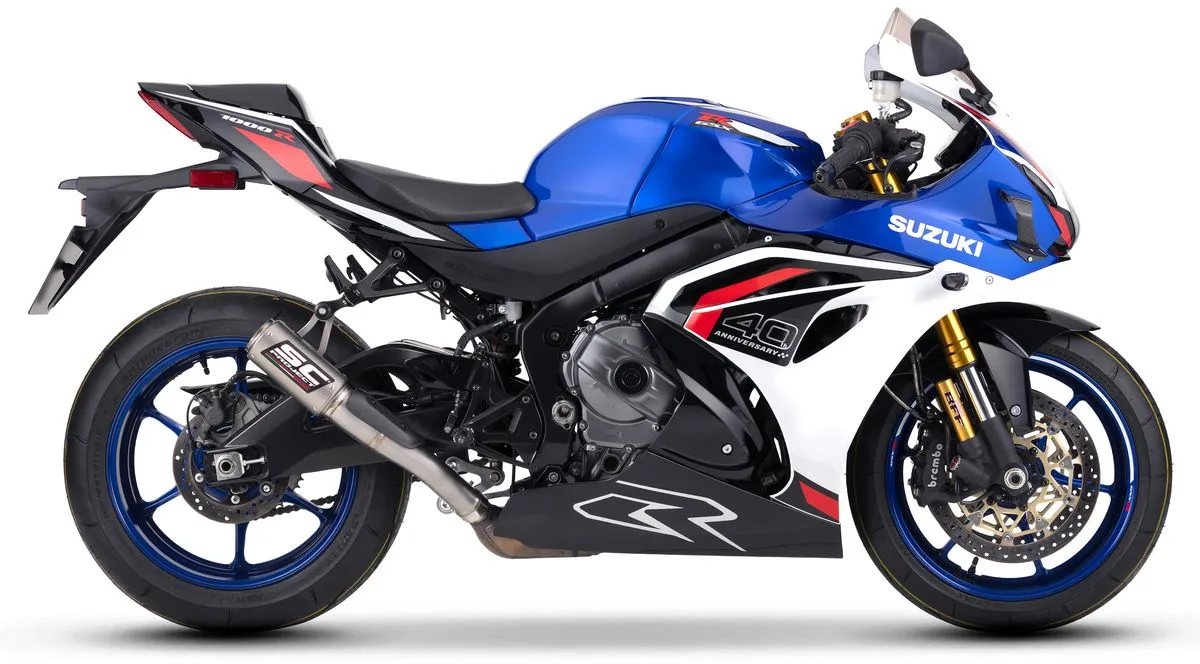
SC Project is working on the 2026 Suzuki GSX-R1000R.
-
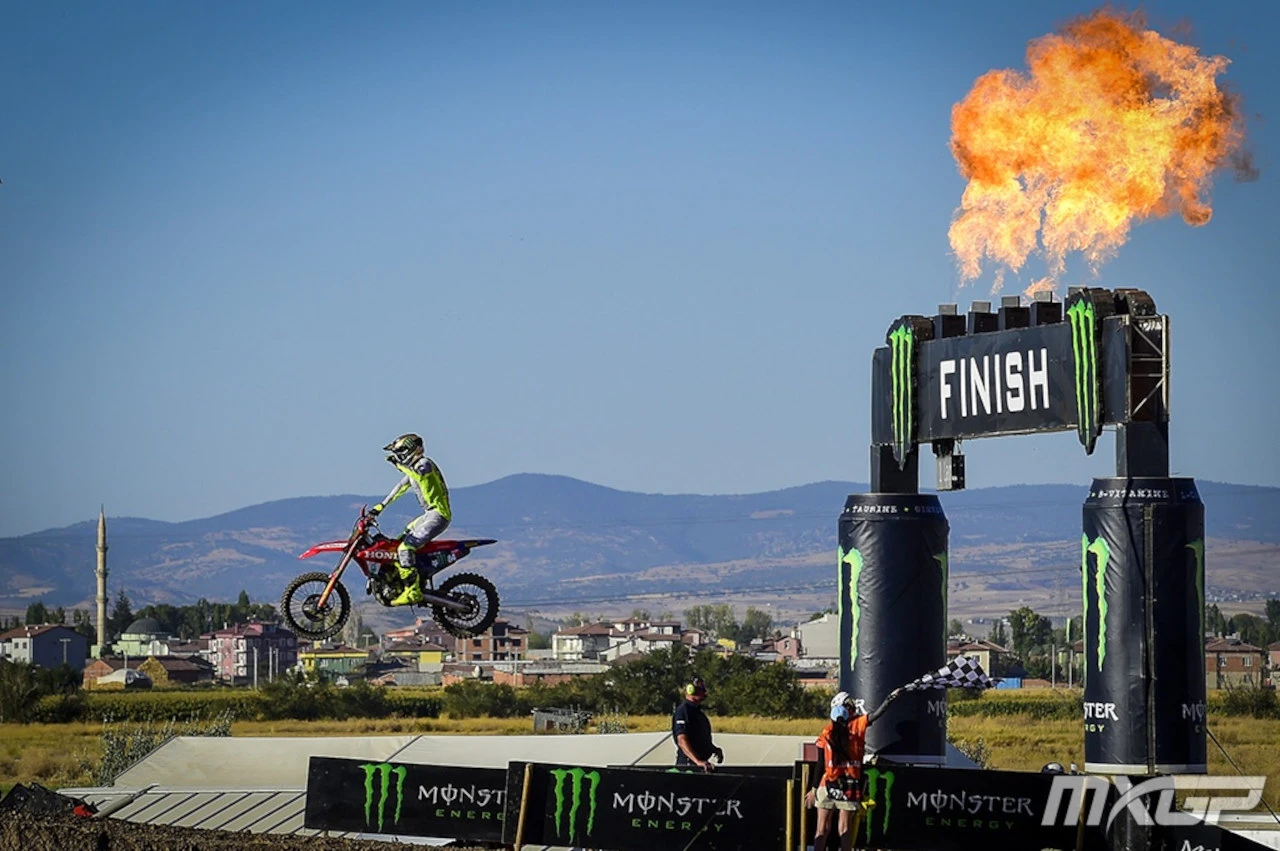
2026 MXGP of Turkey: Herlings Crowned World Champion!
-
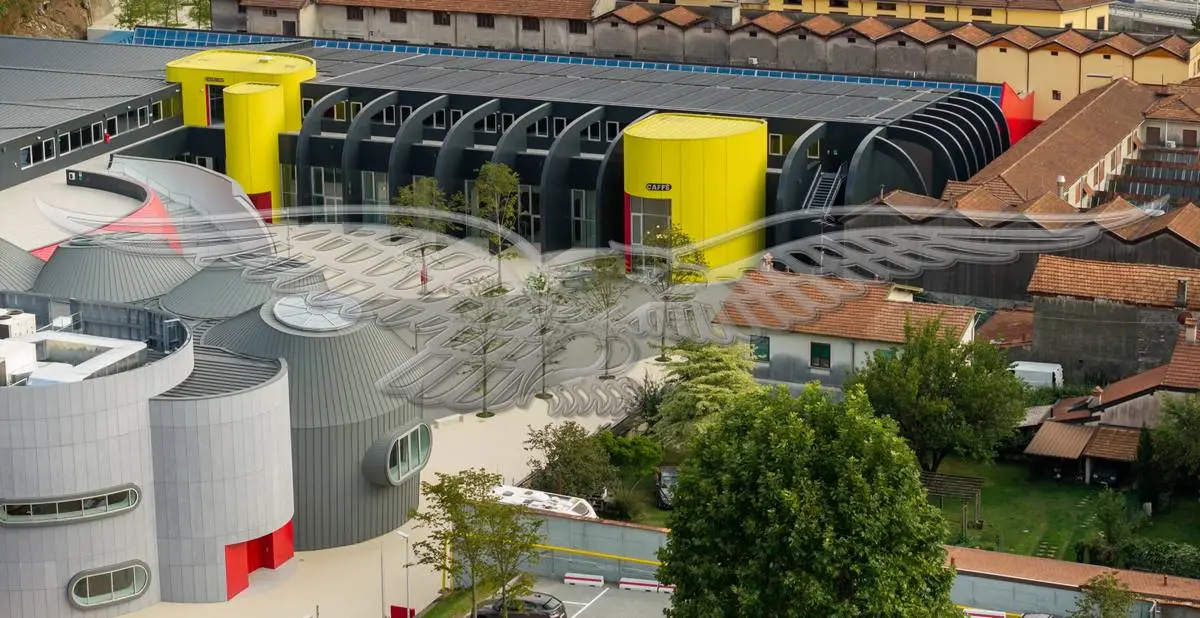
Moto Guzzi: In Mandello, the historic factory is taking on a new scale.
-
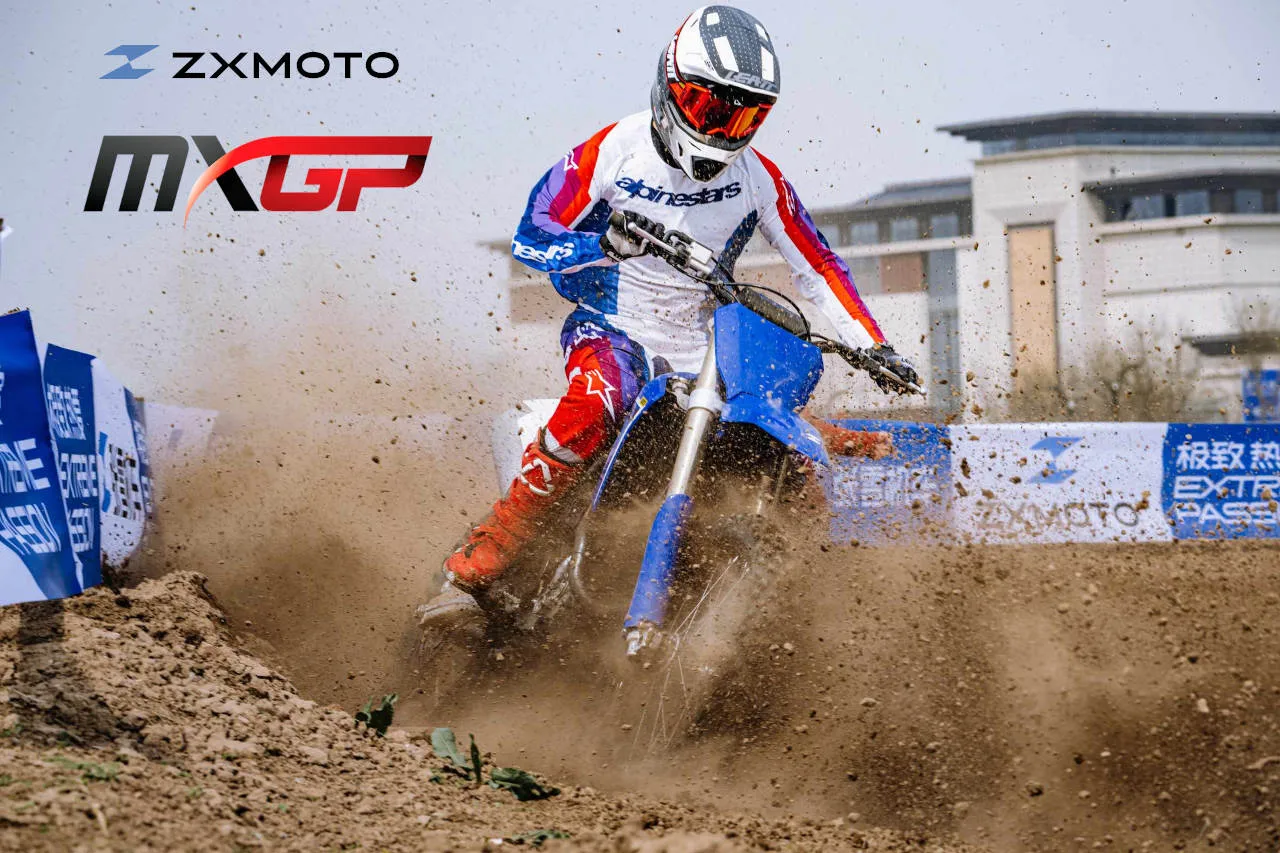
ZXMoto in MXGP 2027: The Hypothesis of an Off-Road Earthquake
-
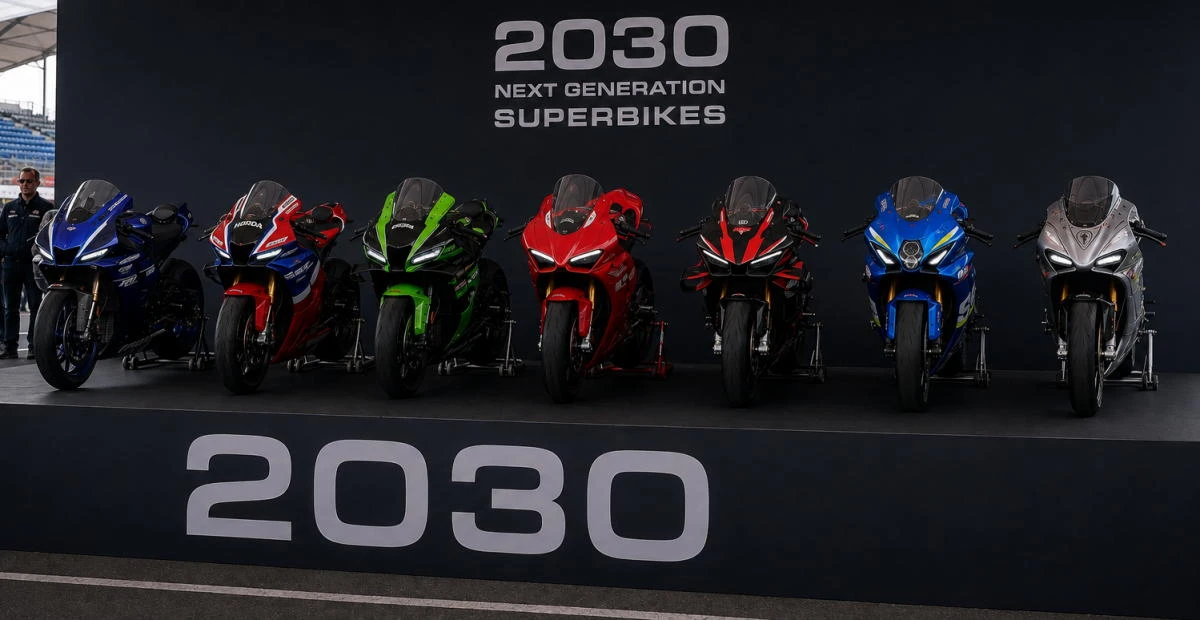
Superbike - Will 240 ch sport bikes soon be available at dealerships?
-
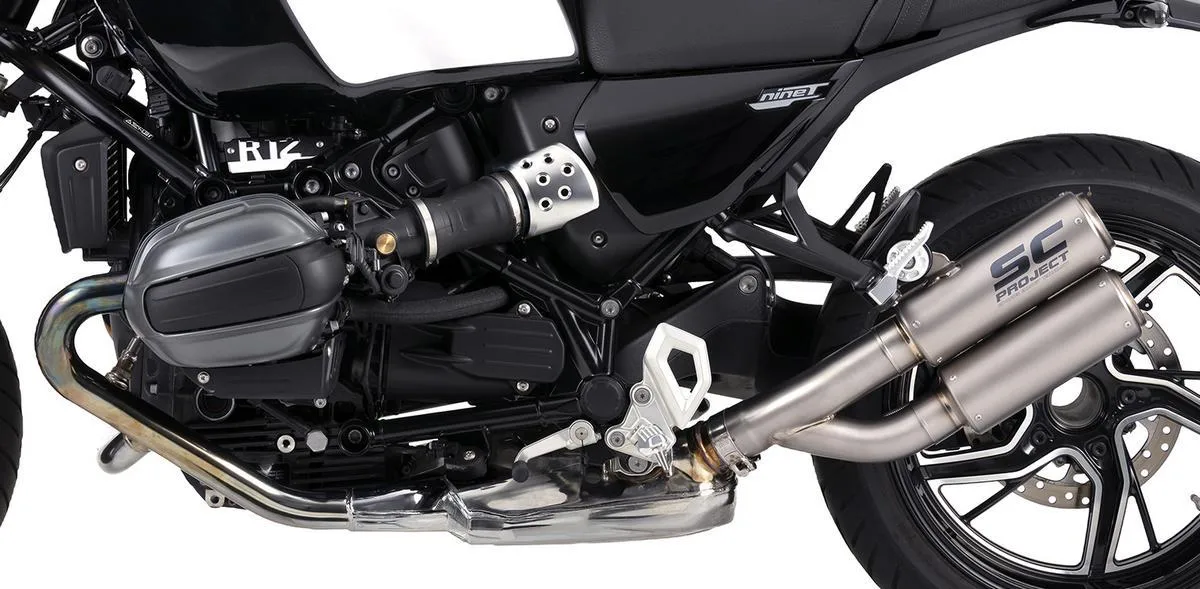
2 new SC-Project mufflers for the R 12 NineT and G/S.
-
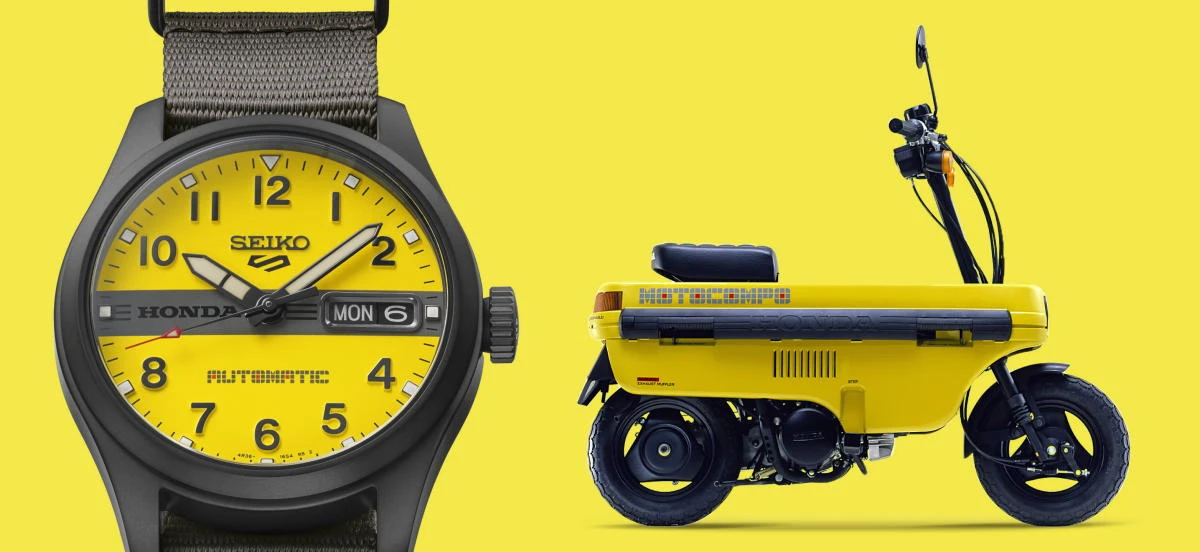
Seiko unveils a watch inspired by the Honda Motocompo.
-
The new motorcycle models of 2026 and the evolutions.

Bikers' reviews Leave a review - 4 reviews
this requires disassembly and therefore immobilization... :( Rating : 5/5 Participate in the conversation
I'm very happy with it, apart from a problem on the front fork...the inside of the barrel is completely scratched with copper filings from the friction ring...and so the spinnaker gasket leaks --> the result is €1135 (sleeve, dip tube, gasket, M.O ..not covered by ducati because it's no longer under warranty...)
I hope to go far with this machine, ditto "dvdh" ( +100000 Kms ) Rating : 4/5 Participate in the conversation
Rating : 5/5 Respond to loulou82