
Motorcycle specifications Ducati 350 SL 1983


presentation of the 350 SL 1983
Like all Italian 350cc models, the SL 350 is mainly produced for the domestic market. Only 211 units were produced.
the history of the SL (500 - 600 - 650 - 350)
two old biker buddies get together after a long separation.
"What are you riding now?
- i've fallen for a 500 SL!
- Really? You ride Mercos? You've given up motorcycling?
- No, a Ducati 500 SL, the sports bike with the Pantah engine...
- Ahhhh the 500 Pantah ? You lucky bastard!!! "
a little slice of life, which just goes to show how difficult it is today, when presenting SL models, not to start with what made these bikes so famous: the Pantah engine. An engine so famous that few remember the names of the models that received this mythical power unit.
developed by Fabio Taglioni, already father of the L-twin and desmodromic systemsystem, this Pantah engine is one of the major evolutions of the L-twin engine, and the illustrious predecessor of the future SS, 851, 888, 916 and others......
eager to offer a high-performance, medium-displacement twin-cylinder engine, benefiting from the aura of the Ducati SS (which the twin-cylinder engine was never able to offer against the road in the gTV and GTL), while remaining economical to produce overall, the brand has tried to retain the best of its sportbikes, combining it with simple, modern techniques. For example, the L-twin and desmodromic valve train have been retained, while the bevel-gear primary drive system has been eliminated and replaced by a toothed belt driving the "in-house" timing system. The toothed belt has the advantage of being more reliable, less noisy and, above all, much less costly than the previous system. As an accessory, the engine receives an oil pump with a higher flow rate than on previous L2s, a cartridge oil filtering system similar to automotive techniques, and a Gilco cylinder treatment system.in addition, the cylinders are treated with Gilnisil (a very hard alloy which coats the inner surface of the cylinders, minimizing wear and scratches), resulting in a more reliable engine with enhanced performance. The engine is also designed to serve as the basis for a complete range from 350 to 650cc and even 750cc (future F1 models).
the first motorcycle to receive this engine, in 1979, was an SL. This was the first 500cc version of the Pantah. This engine develops 48 hp at 9000 rpm. With a specific power output flirting with 100 hp/liter, the Ducati SL had nothing to be ashamed of in the face of the competition, even if it was difficult to compare the Pantah engine with the rest of the production range, so great were the technological differences. Japanese motorcycles rely mainly on 4-cylinder architecture, and often offer 400 or 550cc displacements that look far less sporty in their original configuration. The SL's real competitors are to be found in Italy: Laverda 500 Montjuic (a true 58hp, air-cooled, road-going, twin-cylinder racing beast, but 4 valves per cylinder), Benelli 504 Sport (same displacement, 4hp more than the Pantah 500, but it's a 4-cylinder engine) Moto-Guzzi V50 Monza (V-twin, 2 valves per cylinder and 48hp at 7.600 rpm), Moto Morini 500 Sei-V Sport (V-twin, 2 valves per cylinder and 46 hp at 7,500 rpm).
clearly, on paper, the SL 500 is right up there with the competition. As powerful as most of its 500cc rivals, this newcomer also gets a very special treatment in terms of the chassis.
with the SL, Ducati inaugurates another of its trademarks: the trellis frame that will be the success of almost all the brand's future models. With the trellis frame, Ducati offers a chassis that combines rigidity, precision, lightness (183 kg), stability and handling, thanks to a short wheelbase and a trellis that hugs the engine as closely as possible. This frame is accompanied by a state-of-the-art Marzocchi fork, a pair of Marzocchi rear shock absorbers and a Brembo braking system (2 front and 1 rear disc, pinched by single-piston calipers).
its dynamic qualities are obvious, and it's easy to see why the Pantah will go down in history. Powerful and lively, the engine is no slouch in terms of feel, aided as it is by a chassis worthy of a competition machine. The SL sets a new standard for homologated sports bikes: racy, high-performance and, above all, uncompromisingly "competition" in appearance. Yet another point where this bike sets the course for the brand's future.
the all-new fairing gives the competition a run for their money. The single-seater-style rear hull, with its removable splashback, seems designed to accommodate the competitor's number and sponsor logos.
in 1981, the 500 was joined by a larger 600cc sibling with a 6-mm increase in bore, gaining 8 horsepower (60 hp at 9,100 rpm). Slightly faster, the SL 600 gains in pick-up, acceleration and feel. This engine will also power a quieter tourer (600TL).
then came a 350cc version in 1982, mainly for the Italian market, which was very fond of this displacement. This version is the least interesting, losing a lot of power but little in terms of weight. It was accompanied by a small 350 XL tourer and a 350 TL (apparently not marketed in France).
the SLs bowed out in 1983 with the launch of a model equipped with a 650cc engine. Like the 600cc, this engine would equip other models from the brand (650 Indiana) and, above all, from the Cagiva group, which was taking over Ducati at the time (Cagiva Alazurra & Elefant).
despite a production run of less than 7,500 units in all displacements, the SL left its mark on Ducati's future. The TT1 and TT2 competition versions, with their prestigious track records, were certainly part of the story. The last models left the way clear for the 750 F1 (1985) and 400 F3 (1986), still equipped with the Pantah base which even served as a model for the future 900SS engine (1990).
Tanthallas - Photos : Manufacturer
by Greg

Greg is the founder of Motoplanete—a website created in 2001 to share his passion with his friends and showcase as many motorcycle models as possible to his readers. Self-taught and a jack-of-all-trades, his discovery of the world of motorcycles led him to work as a photographer, rider, team manager, web developer, graphic designer, editorial assistant, and editor-in-chief.
 Share
Share
Key facts Ducati 350 SL (1983) : What you need to know before you buy
 France
Specifications Ducati 350 SL 1983
- Chassis
- Frame : Tubular steel mesh
- Fuel capacity : 18 liters (4.76 US gallons)
- Seat height : 760 mm (29.92 in)
- Length : 2,150 mm (84.65 in)
- Width : 670 mm (26.38 in)
- Min height : 1,160 mm (45.67 in)
- Wheelbase : 1,450 mm (57.09 in)
- Dry weight : 188 kg (414 lb)
- Weight when fully loaded : 205 kg (452 lb)
- Front axle
- Telehydraulic fork Ø 35 mm
- Braking 2 discs Ø 260 mm (10.24 in), 2-piston caliper
- Front tire : 100 / 90 - 18 → Order this type of tire
- Transmission
- 5 stage gearbox
- Secondary by chain
- Rear axle
- 2 lateral shock absorbers
- Braking 1 disc Ø 260 mm (10.24 in), single-piston caliper
- Rear tire : 110 / 90 - 18 → Order this type of tire
- Motor
- two-cylinder 90° L-shape , 4 strokes
- 2 carburetors Ø 30 mm
- Cooling system : by air
- 1 ACT per cylinder, desmo
- 2 valves per cylinder
- 348.90 cc
- 40 ch (39.40 hp) to 9,600 rpm
- Power-to-Weight Ratio : 4.77 kg/ch
- Compression : 10.4 : 1
- Practical information
Essentials

 Motoblouz
 LaBécanerie



Gallery


Models
1983
Used
Compare the 350 SL to its competitors
FAQ Your frequently asked questions about the 350 SL 1983
- What is the power of the 350 SL?
-
The 350 SL 1983 develops a power of 40 ch (39.40 hp)
- What is the maximum speed of the 350 SL?
-
The 350 SL 1983 is capable of reaching a top speed of approximately 160 km/h (99.40 mph) on the track.
- What is the weight of the 350 SL?
-
The 350 SL 1983 has a a dry weight of 188 kg (414 lb), a weight when fully loaded of 205 kg (452 lb).
- QWhat is the seat height of the 350 SL?
-
To ensure good accessibility, the 350 SL 1983 offers a minimum seat height of 760 mm (29.92 in).
- What is the price of the 350 SL?
-
, in France
- What size tires should I put on my 350 SL?
-
The standard size for a 350 SL 1983 is 100 / 90 - 18 for the front, and 110 / 90 - 18 for the rear.
News
-
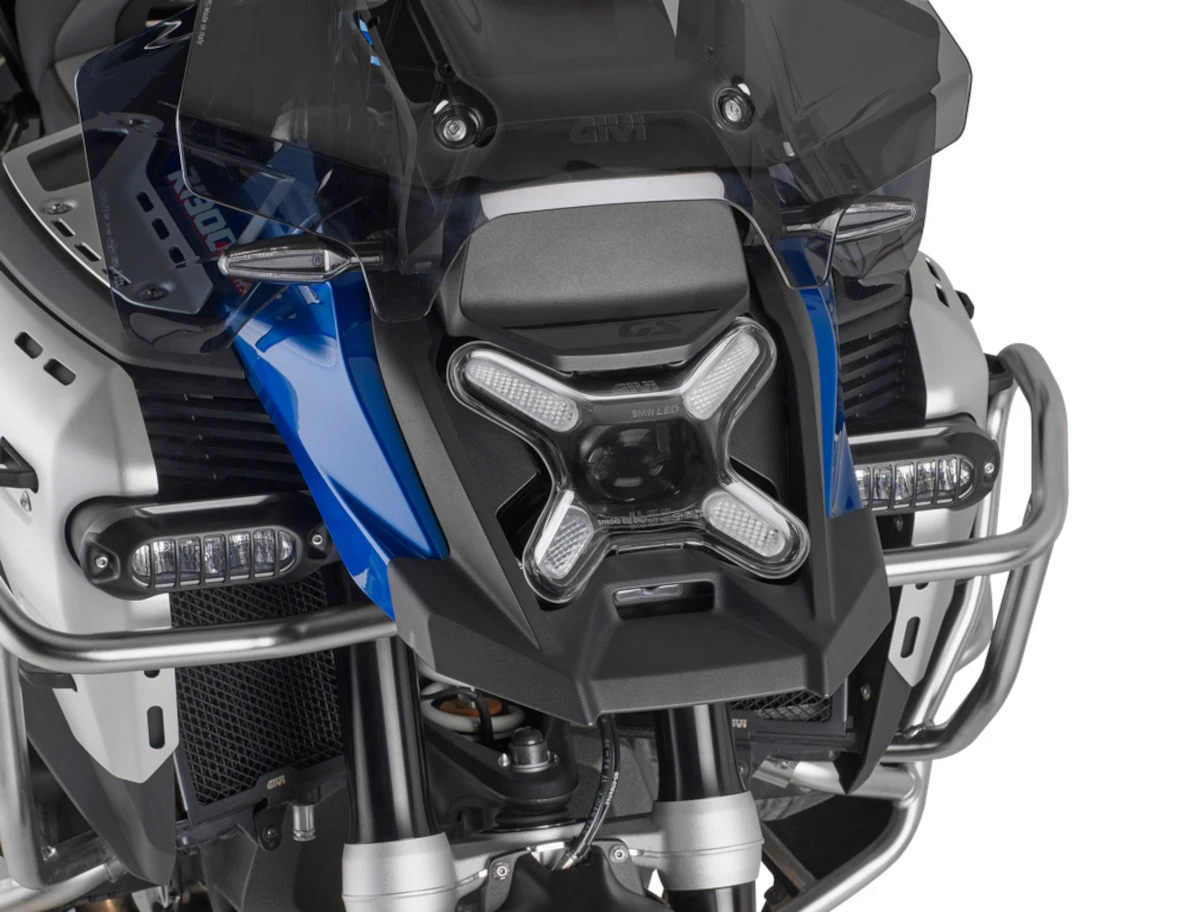
GIVI HLP Headlight Protector: Ténéré 700 and R1300GS
-
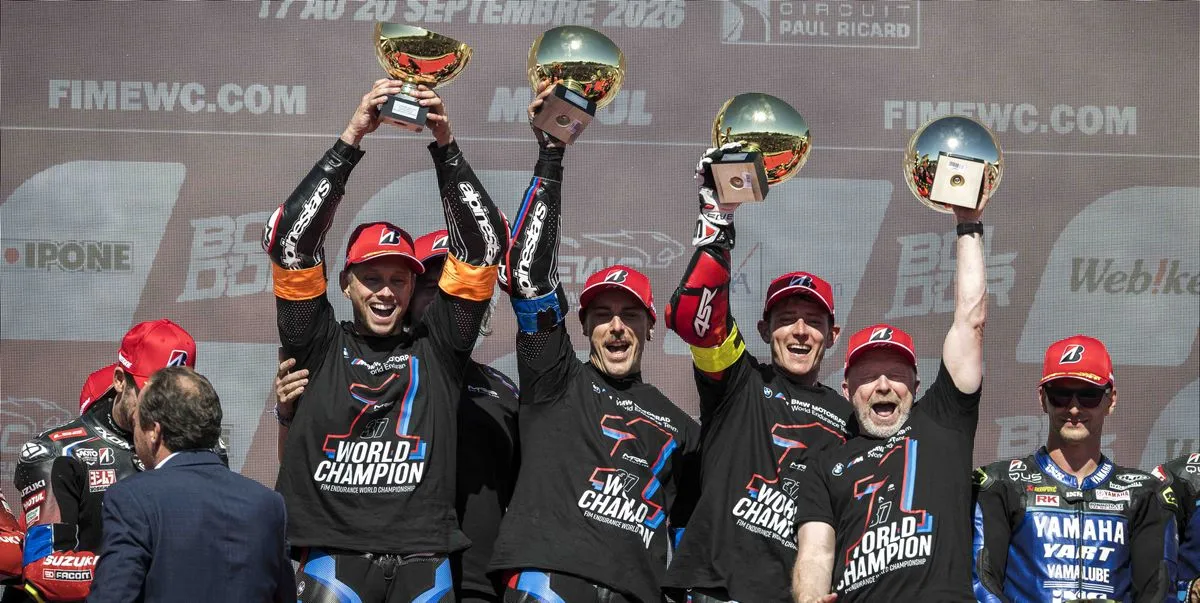
Victory and the championship title for BMW at the 2026 Bol d'Or.
-
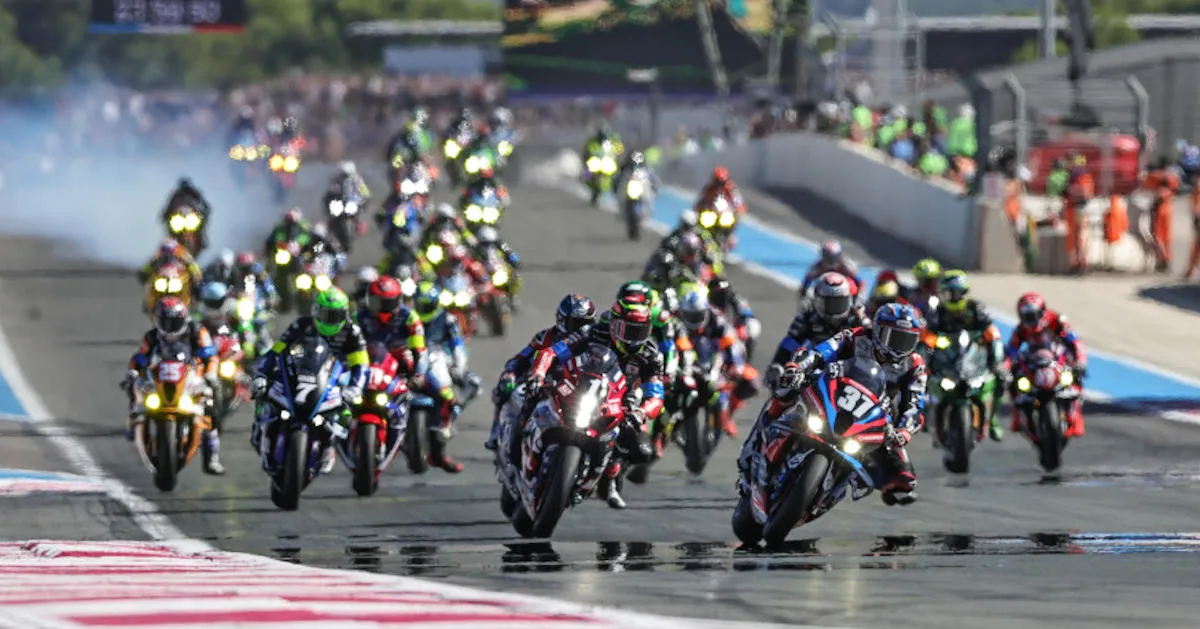
The 89th Bol d'Or: A Celebration of Racing Passion.
-
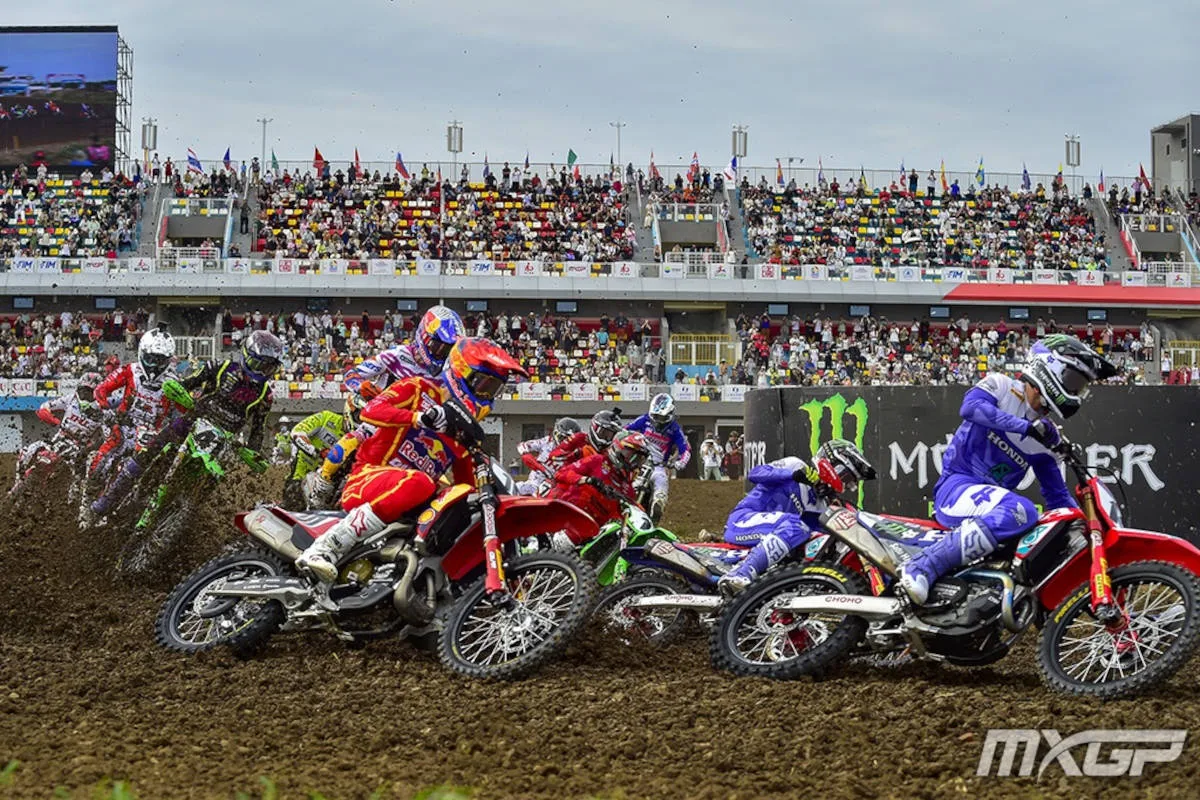
2026 MXGP of China: Herlings Unbeatable, McLellan Delays the MX2 Title
-
MXGP 2027: Kove and ZXMoto Join the Championship
-
SC Project is working on the 2026 Suzuki GSX-R1000R.
-
2026 MXGP of Turkey: Herlings Crowned World Champion!
-
Moto Guzzi: In Mandello, the historic factory is taking on a new scale.
-
ZXMoto in MXGP 2027: The Hypothesis of an Off-Road Earthquake
-
The new motorcycle models of 2026 and the evolutions.

Bikers' reviews Leave a review