
Motorcycle specifications KTM 390 Duke 2024 Fashionable rascal


presentation of the 390 Duke 2024
The 400 roadster will be appreciated in many ways in 2024. Rather smart with the Triumph 400 Speed, a little manga opposite the Kawa Z 400, "robotic" with the MT-03, cheeky with the G 310 R - and wild with the new version of the KTM 390 Duke. This is its 3rd major evolution, and surely the most important since its creation some ten years ago.
Its face is unmistakable. Even more tense, sheared by Ultron-like growths (an Avengers villain), disturbed and venomous, the Austrian's face symbolizes madness. It couldn't be any other way for this member of a family of hysterics. The aura, like the comics, identifies the machine as a rascal.
usually, this kind of progression starts with more watts. This is just such a case. The engine's displacement climbs slightly thanks to an increase in its stroke. 4 mm more movement, a few cm3 more to reach 398.7 cm3 and improve performance just a little. The real purpose of this extra space is not so much the extra horsepower (45 hp now in the mono) or the extra 2 Nm. Rather, it's to be ready for the next Euro5+ standard. As well as getting its hands dirty with the engine, KTM has taken the opportunity to optimize the cylinder head and gearbox.
The change is much more spectacular on the chassis side. The tubular steel trellis frame has been completely redesigned, with the added bonus of a special mounting for the shock absorber. This is now mounted on the side of the frame, as on the Ducati Panigale V2, Kawasaki Versys 650 and... 125 Duke; the 390 and 125 share virtually the same chassis. The swingarm is also entirely new, with anchoring points no longer on the outside but inside the frame, and a banana shape.
On the other hand, the rear frame no longer wants to hear about steel. It requires a cast aluminum structure, as on the Superduke 1290 R. A desire for mimicry has also led to much larger side panels.
Suspension is also stepped up a notch. The 43 mm APEX inverted fork can be adjusted for rebound and compression. The dual-piston shock absorber offers both preload and rebound adjustment. Katoche wants A2 riders to be able to ride the big "little-Duke" like the "king of 400 roadsters".

that's probably why the electronics package has been kicked up a notch. The 390 Duke gains 2 riding modes, "Rain" and "Street", acting on engine response, while angle-sensitive traction control and ABS take care of things on the side. The kind of bonuses... relatively useless when the bike is fitted with good tires. No worries there, with Michelin Power 6 tires fitted as standard, but don't lose sight of the fact that this is a 45hp 400, not a fire engine. Common sense has its limits, which marketing and fashion ignore.
There's also a "Track" mode, displaying a lap time on the 5-inch TFT screen, more space for engine speed and a launch control system. Superbike-style Launch Control for a 45hp roadster?! The shifter remains an option.
Katoche hasn't installed the Deconnade Mode, but it's implied in the Supermoto ABS, which deactivates the anti-lock braking system at the rear.
The Duke also gains new, lighter rims with fewer spokes, a fretless front brake disc (still 320 mm), 10 mmmore to the rear disc (240 mm), new calipers, forged aluminum footrests, a two-tone seat duo, improved ergonomics, a metal fuel tank, loses its engine block, lowers its seat height by 10 mm (820 mm standard) and hides its exhaust under the engine. Great for lowering the center of gravity.
Despite its efforts on the engine, wheels and chassis, Katoche has not succeeded in controlling the Duke's mass inflation. It has gone from around 160 kilos (150 dry) to 165 kilos.
kTM points out that the instrument panel is new. It's bigger, with new graphics and a redesigned control pad (on the left thumb). Connectivity is now standard, allowing control of calls, music, and simplified "Turn-by-turn" GPS navigation with the in-house app.

mattighofen imposes significant inflation on its 390 Duke III, still close to that of the first 700 roadsters. On the other hand, Triumph and BM have opted for a softer pricing policy for their younger models, corresponding to a less aggressive design, and a little less electronics and power. An opportunity to choose a side or a philosophy.
M.B - Manufacturer's photos
by Greg
Greg is the founder of Motoplanete—a website created in 2001 to share his passion with his friends and showcase as many motorcycle models as possible to his readers. Self-taught and a jack-of-all-trades, his discovery of the world of motorcycles led him to work as a photographer, rider, team manager, web developer, graphic designer, editorial assistant, and editor-in-chief.
 Share
Share
Key facts KTM 390 Duke (2024) : What you need to know before you buy
Highlights
- Adjustable part-cycle
- Improved ergonomics
Weak points
- Usefulness of certain steering assistants
- A little heavier
Prices
| Basic version | |
|---|---|
 France France |
6,749€
|
 United States United States |
$6,299
|
 Spain Spain |
6,399€
|
 Italy Italy |
6,780€
|
 United Kingdom United Kingdom |
£5,699
|


Performance
- Max speed : approximately 160 km/h (99.40 mph)
Specifications KTM 390 Duke 2024
- Chassis
- Frame : tubular steel trellis frame
- Fuel capacity : 15 liters (3.96 US gallons)
- Seat height : 820 mm (32.28 in)
- Min height : 1,109 mm (43.66 in)
- Wheelbase : 1,357 mm (53.43 in)
- Weight when fully loaded : 165 kg (364 lb)
- Front axle
- Telehydraulic inverted WP forks Ø 43 mm / White Power (WP), Wheel travel : 150 mm (5.91 in)
- Compression and rebound adjustment
- Braking 1 disc Ø 320 mm (12.6 in), radial mounting, 4-piston caliper
- Front tire : 110 / 70 - 17 → Order this type of tire
- Transmission
- 6 stage gearbox , manual - optional shifter
- Secondary by chain
- Rear axle
- WP monoshock / White Power (WP), Wheel travel : 150 mm (5.91 in)
- Preload and rebound adjustment
- Braking 1 disc Ø 240 mm (9.45 in), 2-piston caliper
- Rear tire : 150 / 60 - 17 → Order this type of tire
- Motor
- single-cylinder , 4 strokes
- Injection Ø 46 mm
- Cooling system : liquid
- 2 ACT
- 4 valves
- 398.70 cc
- 44.90 ch (44.30 hp) to 8,500 rpm
- 4.10 mkg to 7,000 rpm
- Power-to-Weight Ratio : approx. 3.42 kg/ch
- Torque-to-Weight Ratio : approx. 36.99 kg/mkg
- Compression : 12.6 : 1
- Standard equipment
- Brake assist : A.B.S curvas Supermoto
- Number of riding modes : 2
- TFT Full-Colour screen size: 12.70 cm (5 inches)
- Gear indicator
- Bluetooth
- Launch Control
- Traction control
- Anti-slip clutch
- Practical information
Essentials
 Motoblouz
 LaBécanerie


Maintenance
Due to irregularities in the materials, cracks could develop in the fuel tank cap seal. This may lead to fuel leakage if the vehicle is overturned. An external spark could pose a risk of fire.
Information source du rappelGallery


Models
2026


2025


2024


Used
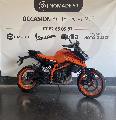
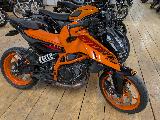
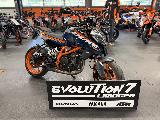
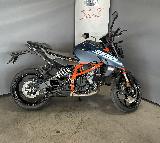
Find this used 390 Duke on MotoPlanete

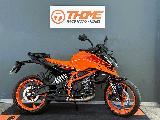


Compare the 390 Duke to its competitors
Compared to its 6 direct competitors, this 390 Duke offers an appealing positioning, managing to stand out in certain specific areas. It stands out with power-to-weight ratio of 3.42 kg/ch, while also delivering torque-to-weight ratio of 36.99 kg/Nm. In terms of horsepower, its output of 44.9 ch lags behind the segment leaders.
Price
Fuel consumption
Range
Torque
Power
Power-to-Weight ratio
Torque-to-Weight ratio
Speed
CO² emissions
FAQ Your frequently asked questions about the 390 Duke 2024
- What is the power of the 390 Duke?
-
The 390 Duke 2024 develops a power of 44.90 ch (44.30 hp)
- What is the torque of the 390 Duke?
-
The maximum torque of the 390 Duke 2024 is 4.10 mkg to 7,000 rpm.
- What is the maximum speed of the 390 Duke?
-
The 390 Duke 2024 is capable of reaching a top speed of approximately 160 km/h (99.40 mph) on the track.
- What is the weight of the 390 Duke?
-
The 390 Duke 2024 has a a weight when fully loaded of 165 kg (364 lb).
- QWhat is the seat height of the 390 Duke?
-
To ensure good accessibility, the 390 Duke 2024 offers a minimum seat height of 820 mm (32.28 in).
- What is the price of the 390 Duke?
-
The price of the 390 Duke 2024 is £5,699 in United Kingdom. It is displayed at $6,299 in the United States, at 6,399€ in Spain, at 6,749€ in France and at 6,780€ in Italy.
- What size tires should I put on my 390 Duke?
-
The standard size for a 390 Duke 2024 is 110 / 70 - 17 for the front, and 150 / 60 - 17 for the rear.
- What colors are available for the 390 Duke?
-
For the 2024 model year, the 390 Duke is available in several colors: orange and blue.
- Where can I find high-quality used 390 Dukes?
-
You can find used 390 Duke at great prices on MotoPlanete, in the section dedicated to them—models from professionals and private sellers, as well as spare parts.
News
-
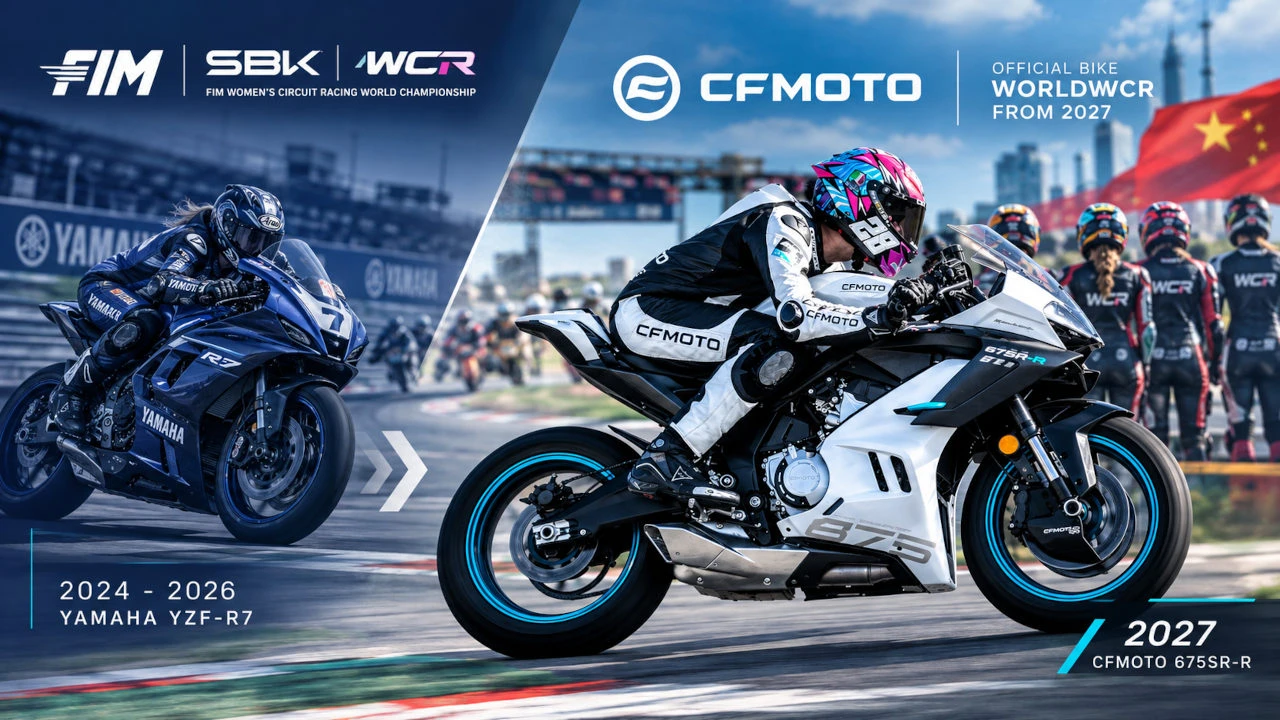
CFMOTO 675SR-R: Official Motorcycle of the WorldWCR Starting in 2027
-
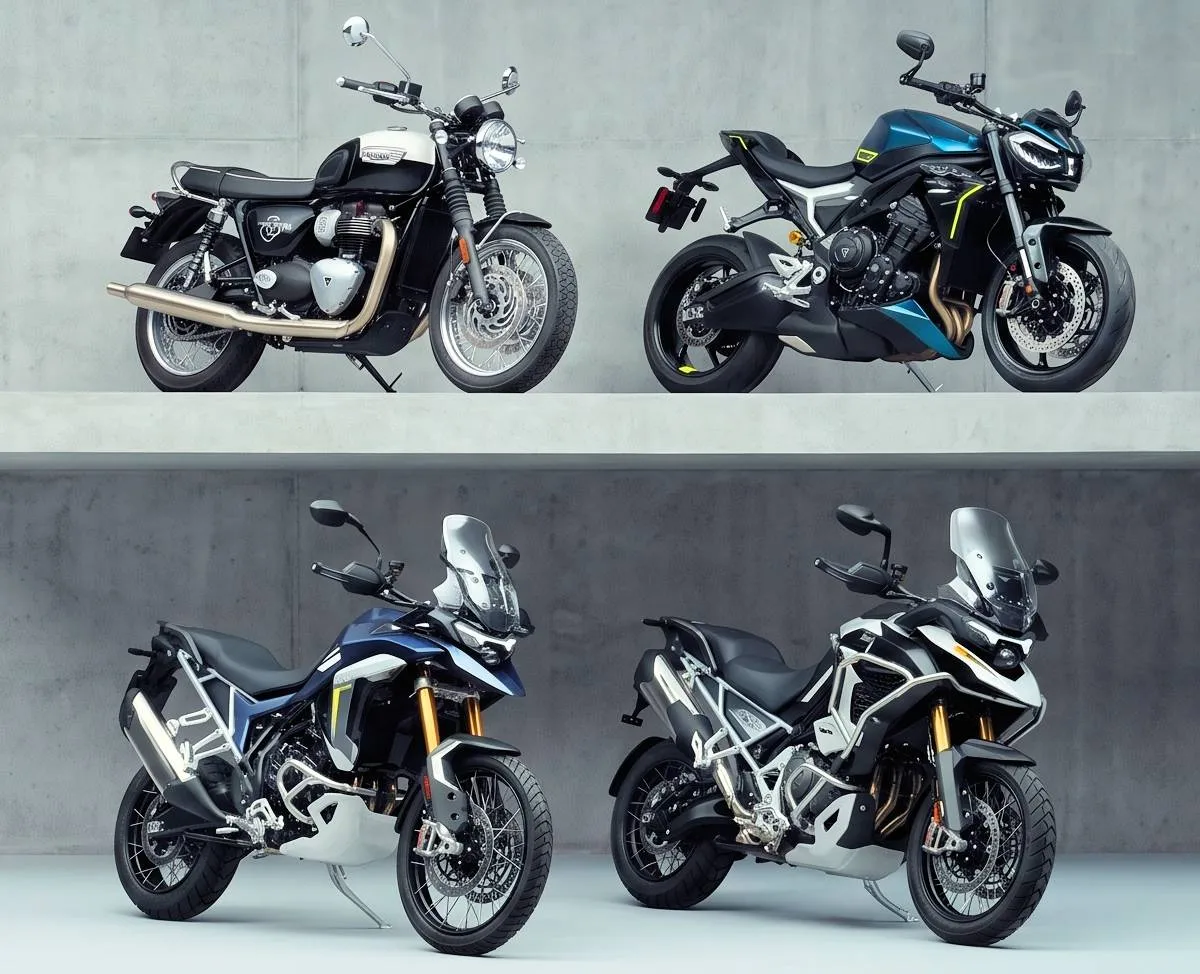
News on the Street Triple 798, Bonneville 400, Tiger 900, and Tiger 1200.
-
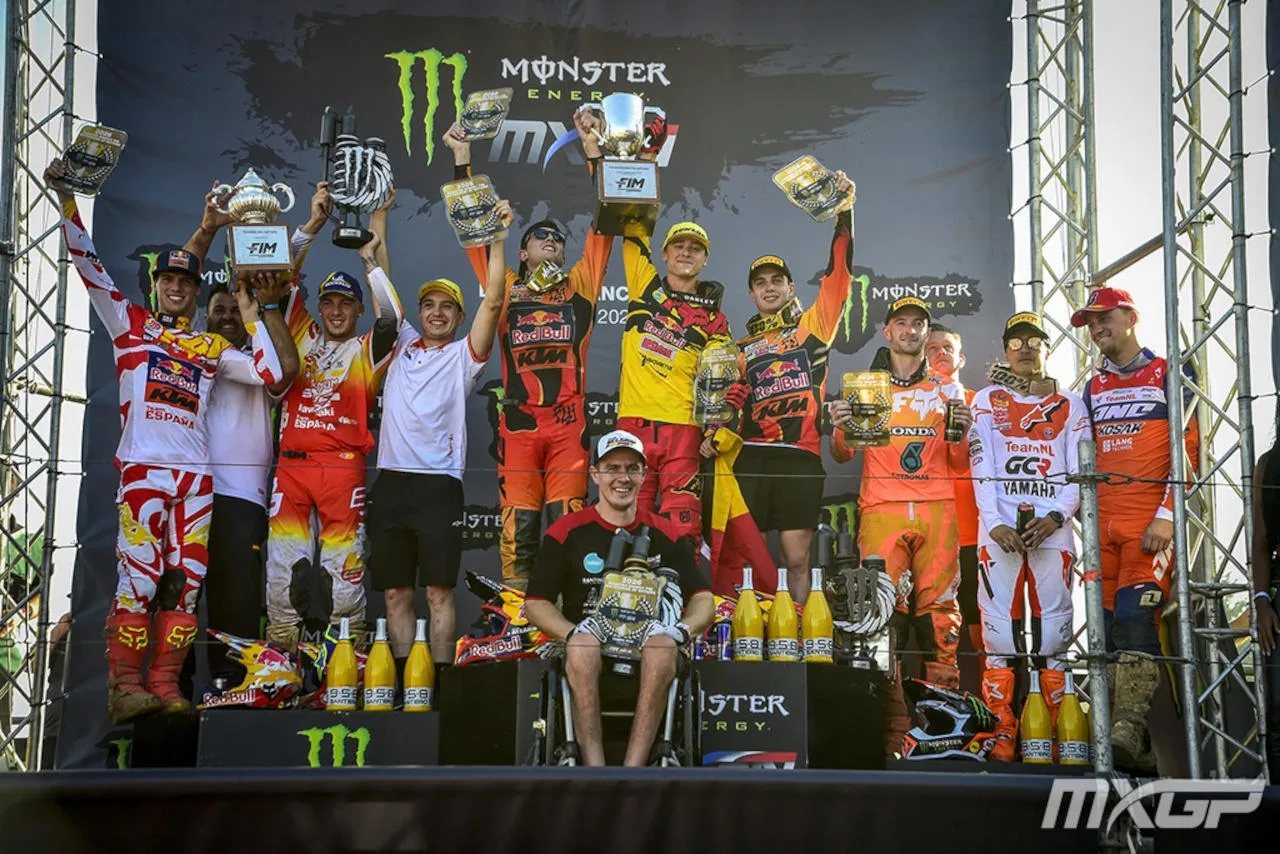
2026 MXoN in Ernée: Belgium Wins, France Falls
-
Furygan offers an airbag vest designed specifically for women.
-
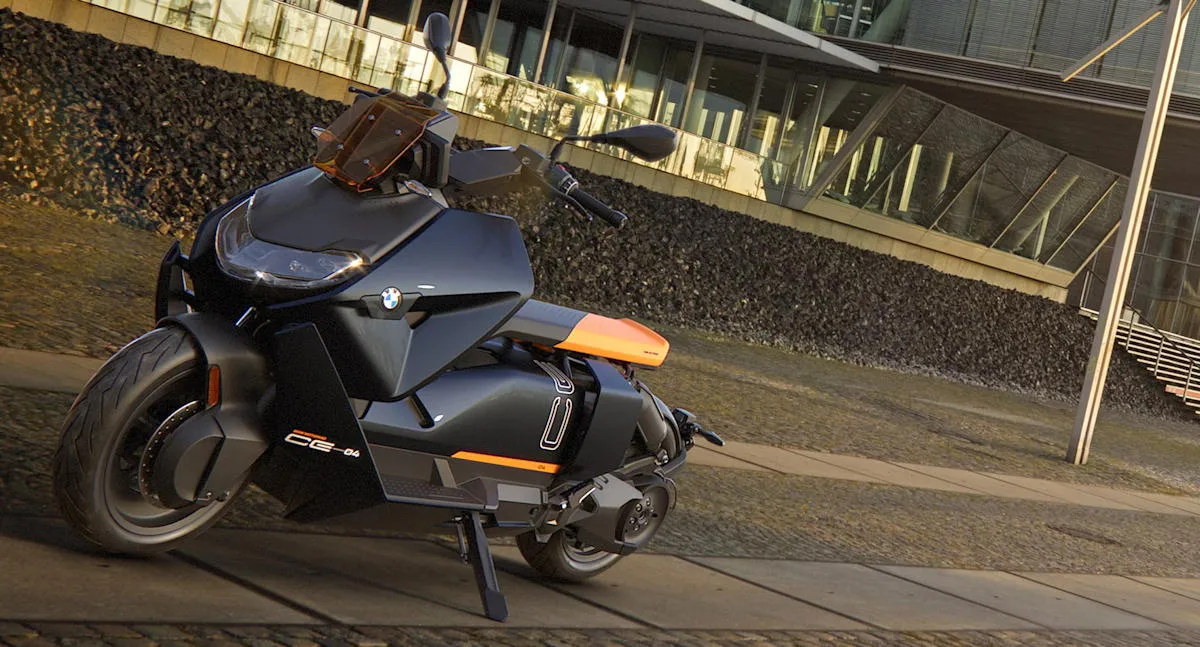
Top 10 Best Scooters of 2026: Our Complete Ranking.
-
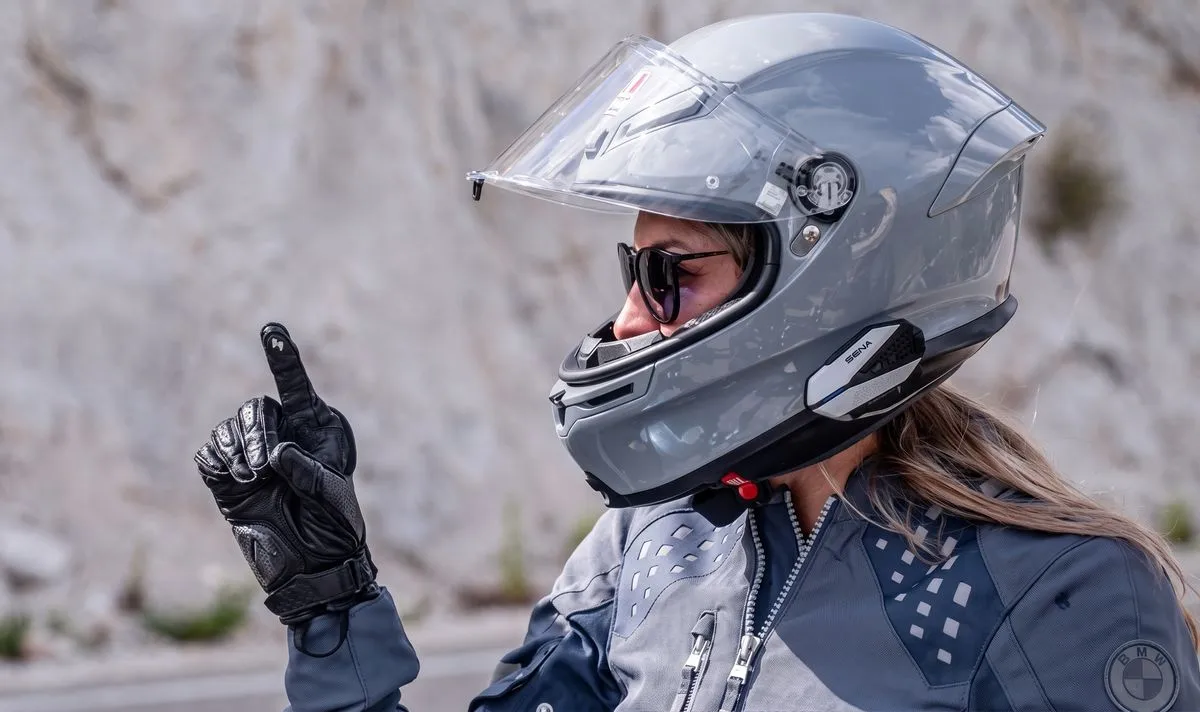
Motorcycle Intercoms—A Practical Guide to Choosing the Right One for Your Needs.
-
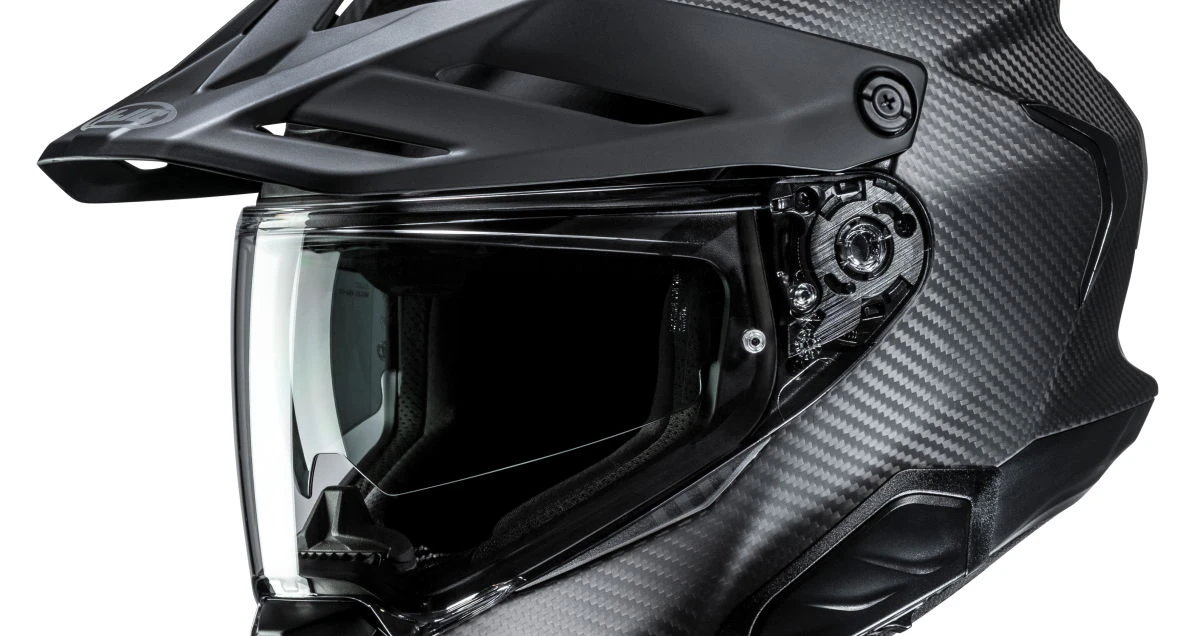
HJC is gearing up for a big year in 2027, with eight new helmets.
-
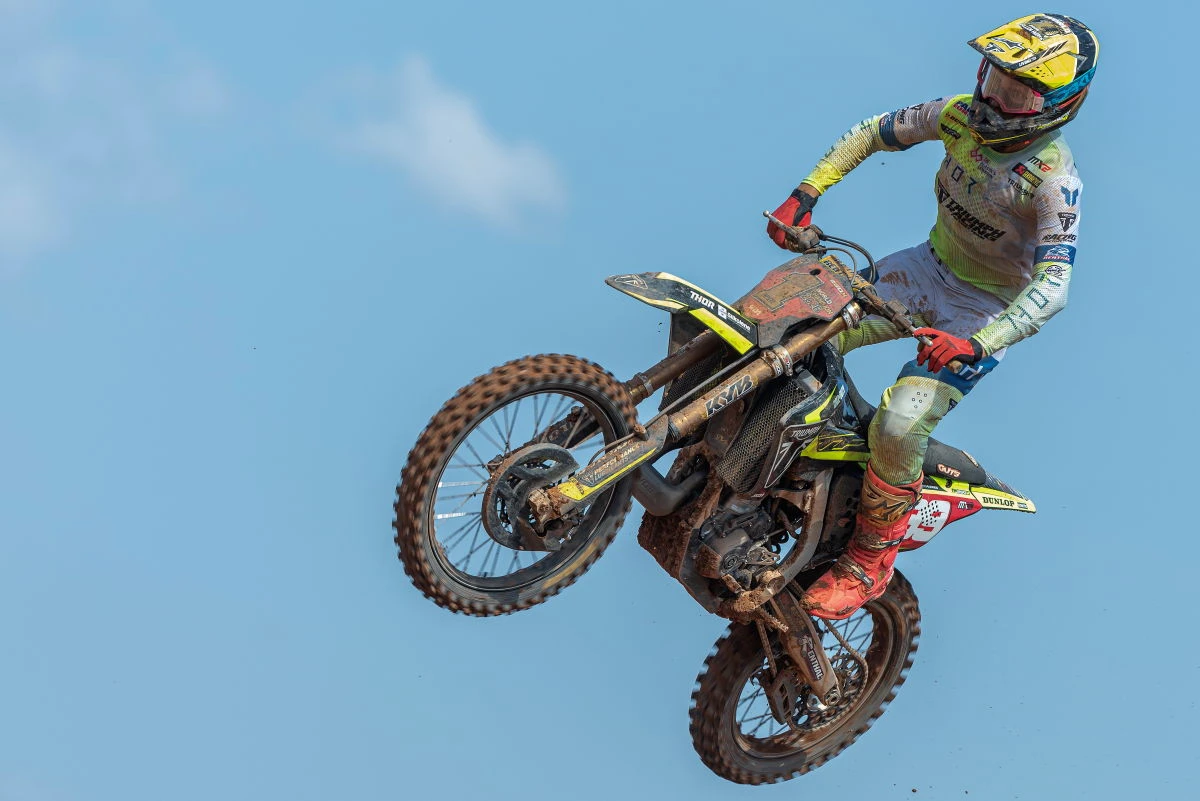
Triumph succeeded BSA in the Motocross World Championship.
-
BMW S1000RR Recall Alert: Risk of Engine Shutdown
-
The new motorcycle models of 2026 and the evolutions.

Bikers' reviews Leave a review - 3 reviews