
Motorcycle specifications Roper Vélocipède à vapeur 1867 The First Meters of History.
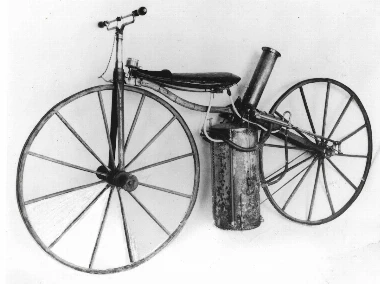

presentation of the Vélocipède à vapeur 1867
While history credits Louis-Guillaume Perreaux as the inventor of the motorcycle with his 1871 Vélocipède, it’s possible that the idea also emerged in the United States around the same time. Somewhere in Massachusetts, another prolific inventor was taking an interest in motorized two-wheelers.
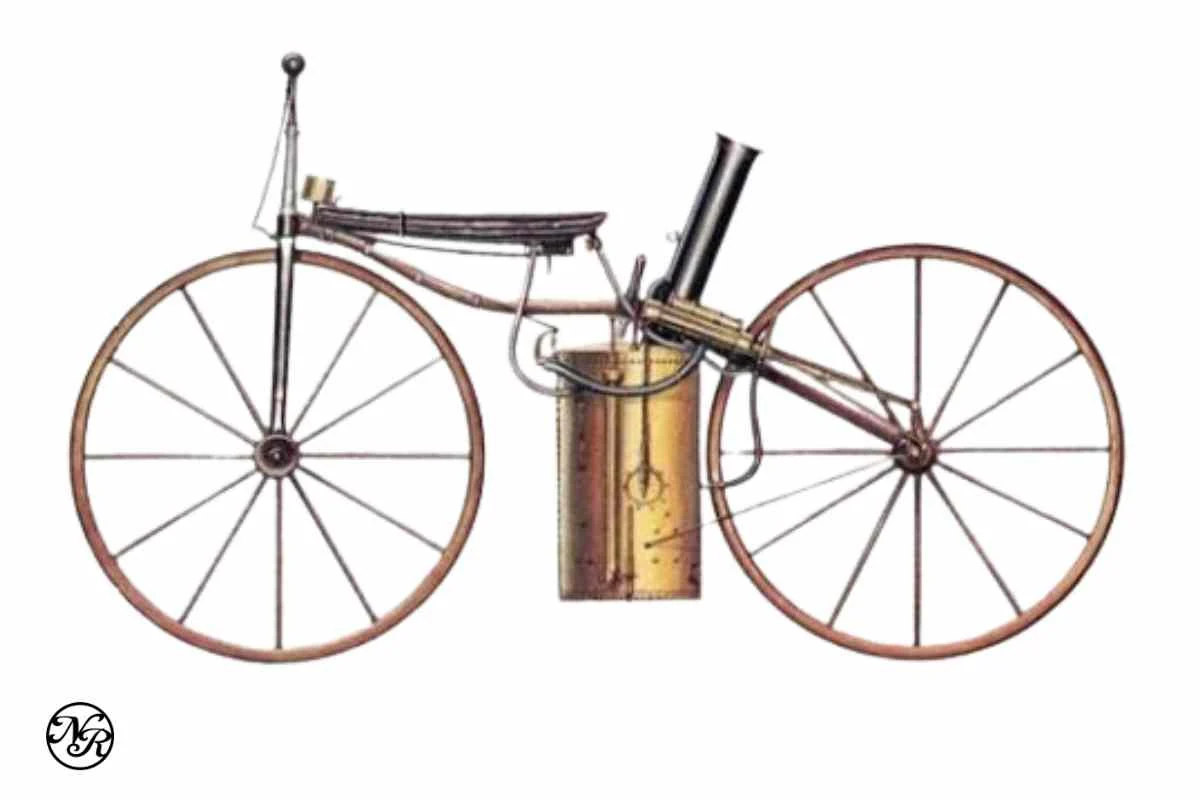
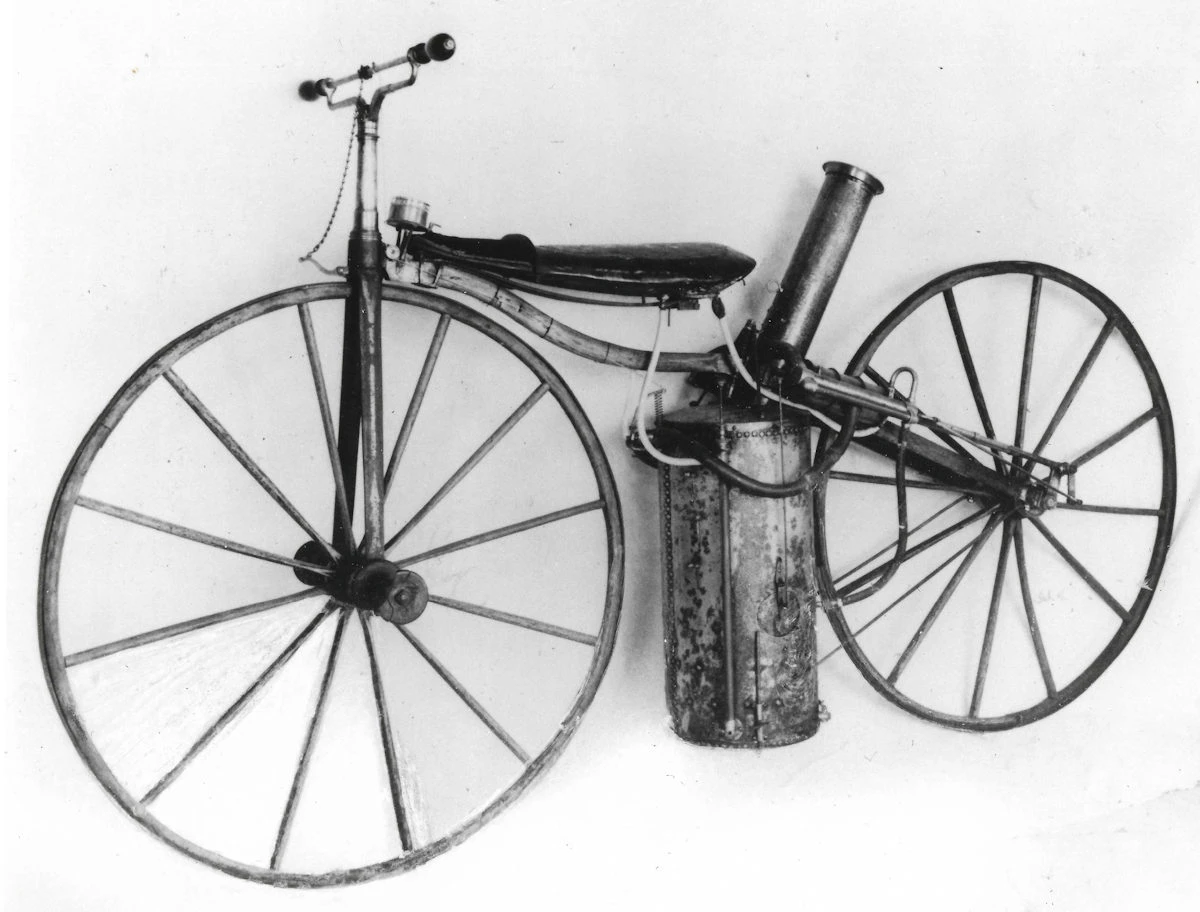
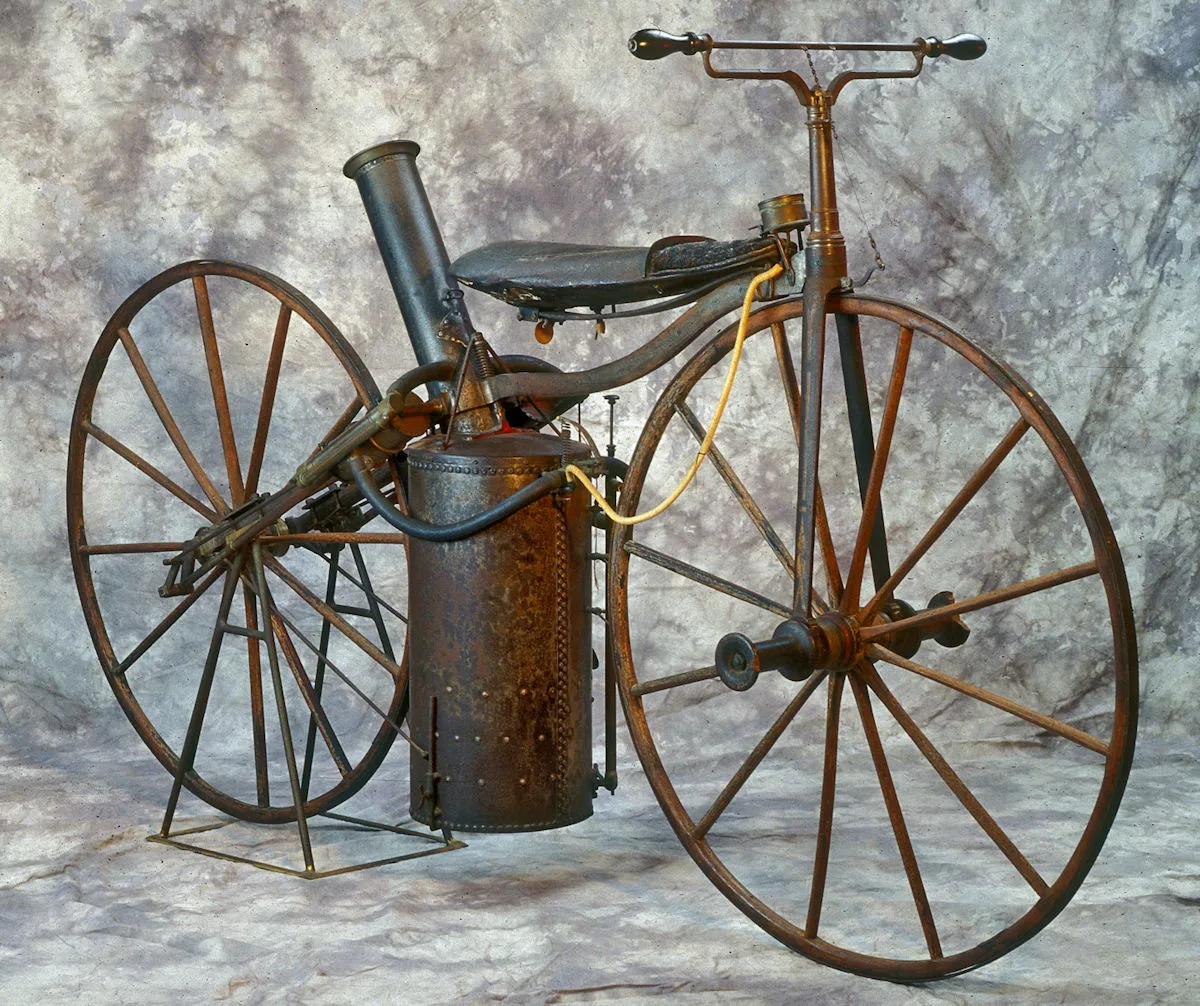
At the heart of the American Industrial Revolution, Sylvester Howard Roper designed a groundbreaking machine: the integration of a steam engine into the frame of (yet another) velocipede. This creation ranks among the very first prototypes in the history of personal motorized transportation.
Integrated Mechanical Engineering
Designed between 1867 and 1869 in his workshops in Roxbury, Roper’s vehicle retained the general architecture of contemporary velocipedes—equipped with wooden wheels rimmed with iron and lacking suspension.
To power the vehicle, the inventor designed a miniature thermal system suspended in the center of the frame:
- Engine and boiler: A vertical coal-fired boiler powers a two-cylinder engine mounted on either side of the frame.
- Direct drive: The piston rods directly drive cranks connected to the rear wheel axle.
- Ergonomic controls: The handlebars incorporate a multifunction rotary knob— this system is still used today on virtually all motorcycles and scooters. Turning the wrist adjusts the steam flow to control acceleration, while turning it in the opposite direction activates a brake consisting of a “spoon” that presses directly against the front wheel.
Demonstrations and Field Tests
To demonstrate the viability of his invention, Roper regularly showcased his machine at fairs, circuses, and exhibition grounds throughout New England.
Contemporary records attribute average speeds of between 30 and 40 km/h to the vehicle—a remarkable pace given the condition of roads in the late 19th century. Despite the proximity of the boiler and the heat exposure for the driver, the machine completed numerous trips without any major breakdowns.
Impact and Preservation
The inventor continued to refine this concept until the end of his life. In 1896, he developed a later version based on the frame of a modern safety bicycle equipped with pneumatic tires, capable of reaching speeds of over 60 km/h.
Although steam technology was supplanted by the internal combustion engine at the turn of the 20th century, Roper’s work established fundamental principles of design and control that are still used in modern two-wheeled vehicles. His original 1869 prototype is now preserved in the national collections of the National Museum of American History at the Smithsonian Institution in the United States.
Two Men, One Vision
Perreaux’s and Roper’s machines appear to have stemmed from the same body of work. Yet the two men never met. Nor is there any evidence that one was aware of the other’s work. Whether more visionary or more astute, the Frenchman Perreaux filed a patent for his velocipede—which allowed him to validate his innovation and his claim to being the first to develop this new mode of transportation.
M.Bi - Photos D.R.
by Greg

Greg is the founder of Motoplanete—a website created in 2001 to share his passion with his friends and showcase as many motorcycle models as possible to his readers. Self-taught and a jack-of-all-trades, his discovery of the world of motorcycles led him to work as a photographer, rider, team manager, web developer, graphic designer, editorial assistant, and editor-in-chief.
 Share
Share
Key facts Roper Vélocipède à vapeur (1867) : What you need to know before you buy
Specifications Roper Vélocipède à vapeur 1867
- Chassis
- Vehicle not capable of carrying passengers
- Frame : wrought-iron bicycle
- Wheelbase : 1,224 mm (48.19 in)
- Front axle
- Rigid fork
- unspecified brakes (Scoop pressing against the wheel)
- Transmission
- Direct rod drive
- Rear axle
- Motor
- two-cylinder
- steam boiler
- Practical information
- Country of manufacture : United States
Essentials
 Motoblouz
 LaBécanerie


Gallery
Models
1867
Used
Competitors

Compare the Vélocipède à vapeur to its competitors
Power
Power-to-Weight ratio
Speed
FAQ Your frequently asked questions about the Vélocipède à vapeur 1867
- What is the maximum speed of the Vélocipède à vapeur?
-
The Vélocipède à vapeur 1867 is capable of reaching a top speed of approximately 40 km/h (24.90 mph) on the track.
- Is the Vélocipède à vapeur approved for transporting a passenger?
-
No, this vehicle is only suitable for 1 people; it is a single-seater.
News
-
2026 MXGP of China: Herlings Unbeatable, McLellan Delays the MX2 Title
-
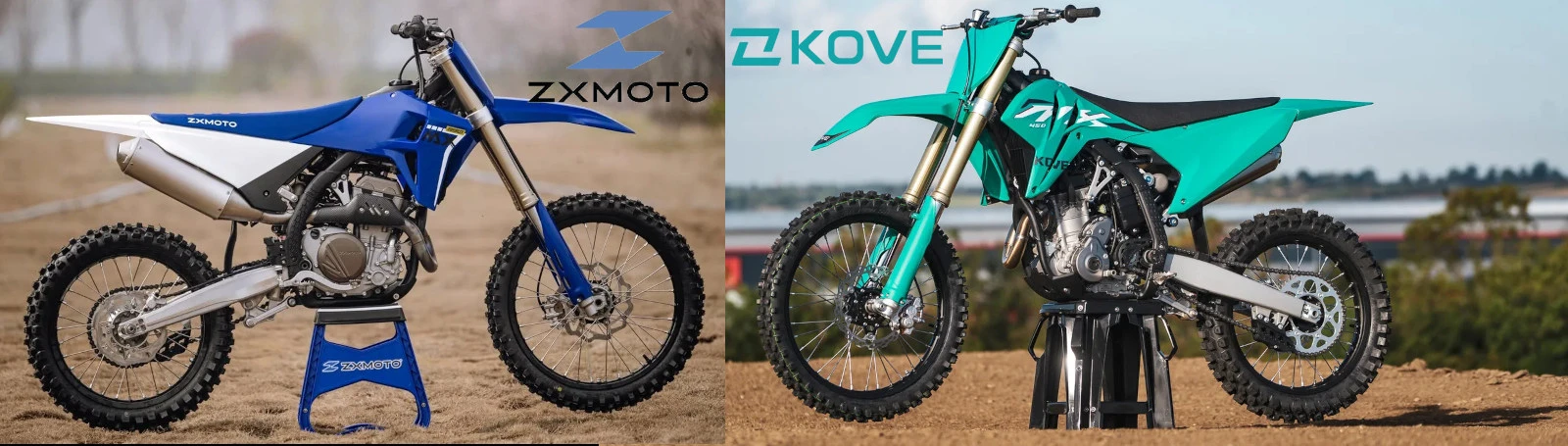
MXGP 2027: Kove and ZXMoto Join the Championship
-
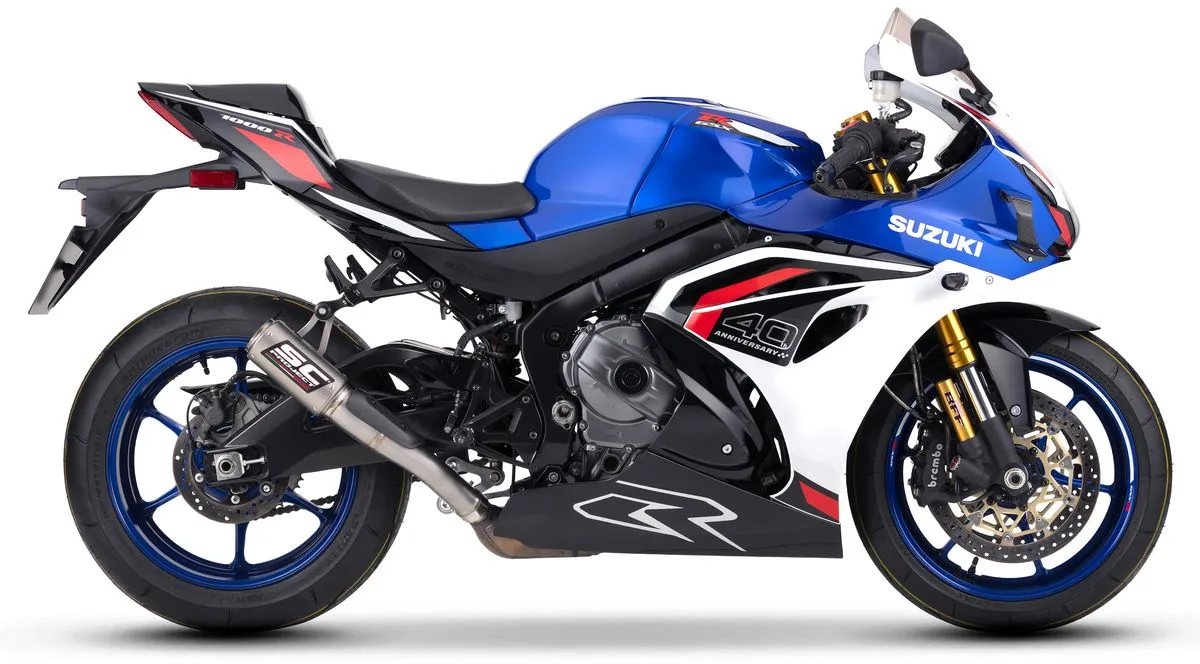
SC Project is working on the 2026 Suzuki GSX-R1000R.
-
2026 MXGP of Turkey: Herlings Crowned World Champion!

-
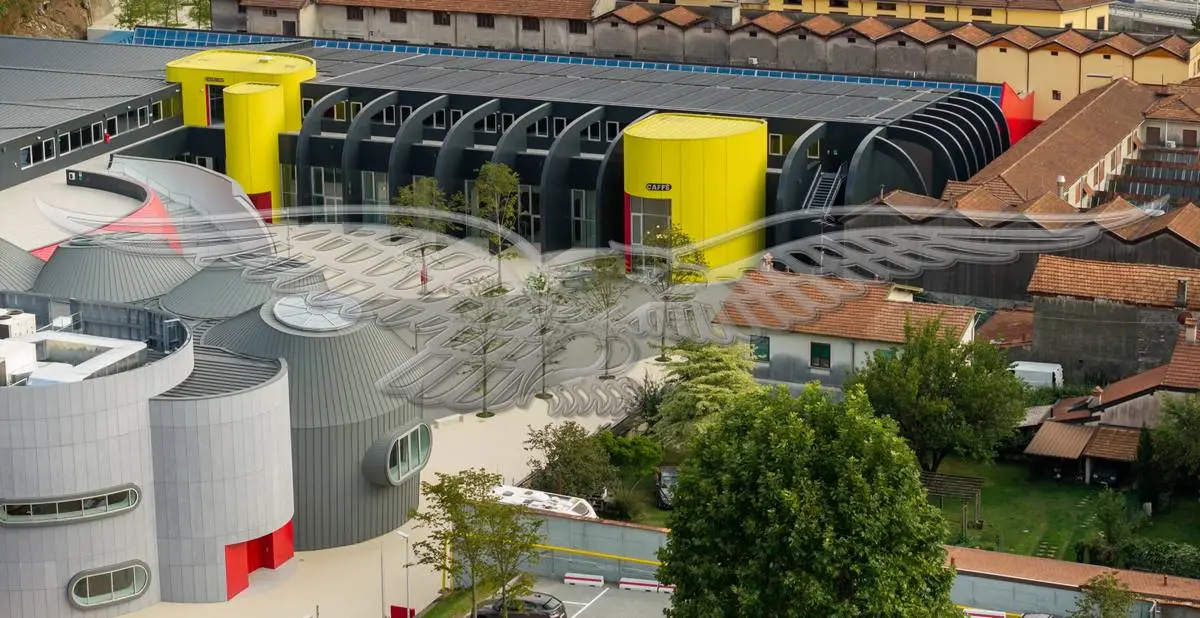
Moto Guzzi: In Mandello, the historic factory is taking on a new scale.
-
ZXMoto in MXGP 2027: The Hypothesis of an Off-Road Earthquake

-
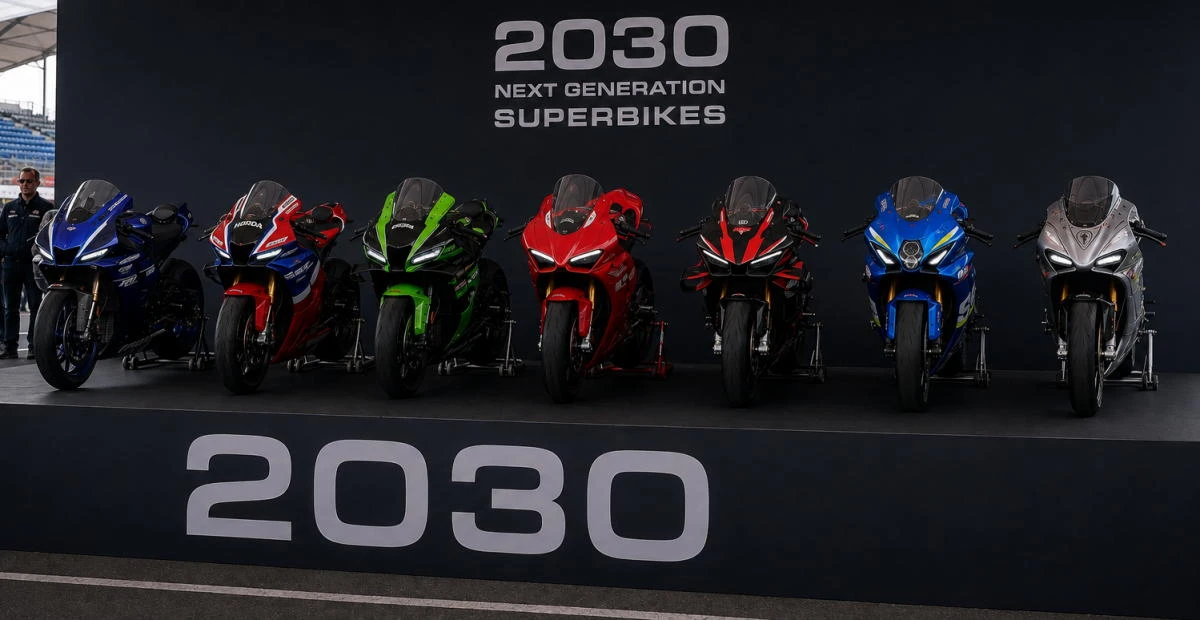
Superbike - Will 240 ch sport bikes soon be available at dealerships?
-
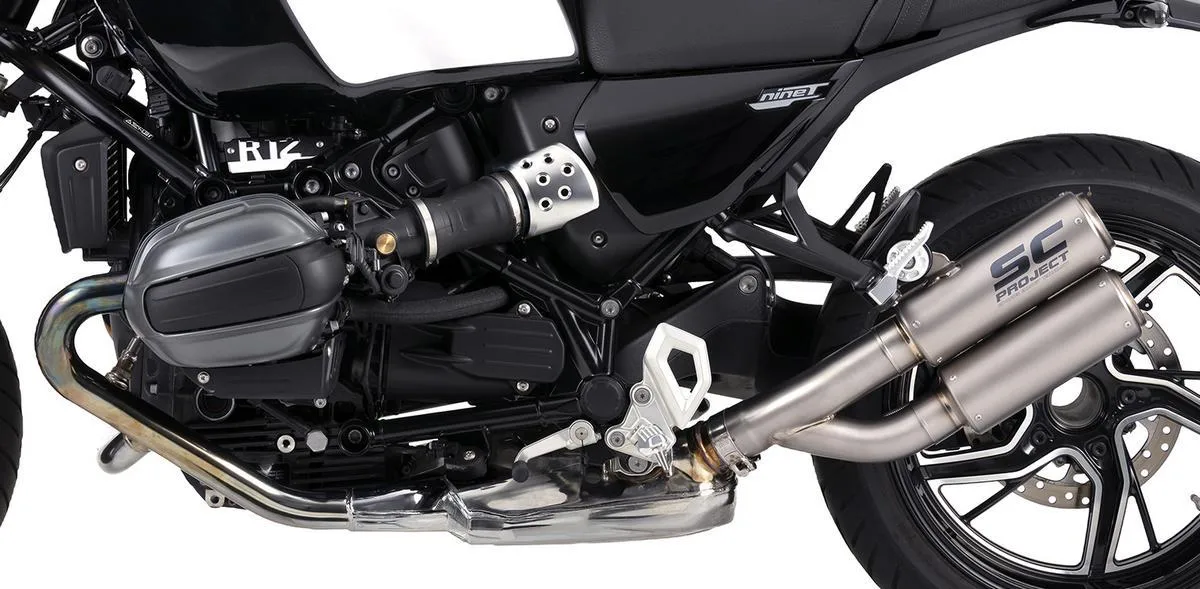
2 new SC-Project mufflers for the R 12 NineT and G/S.
-
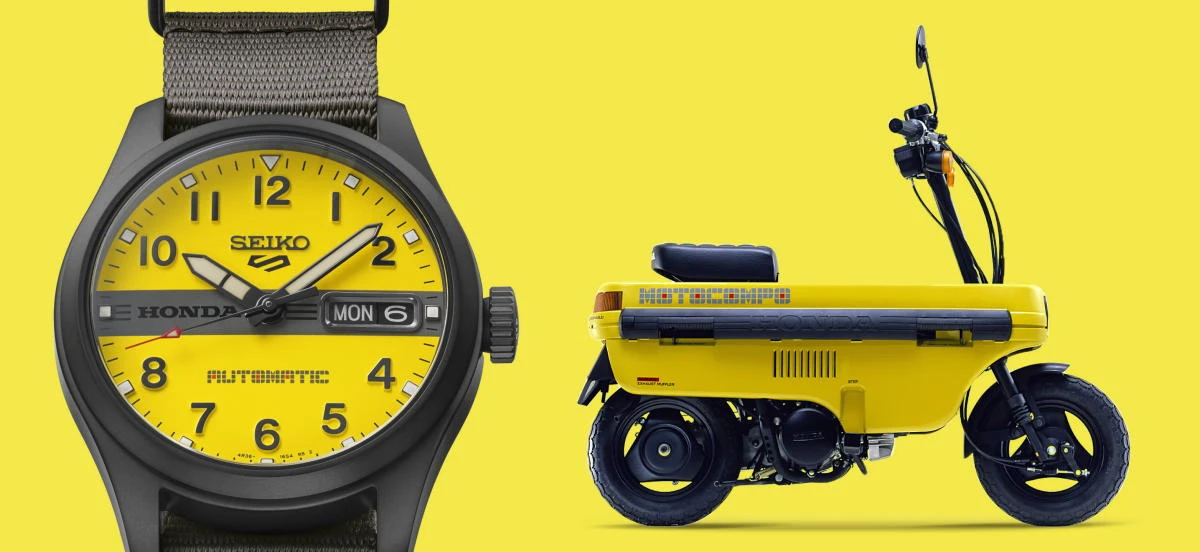
Seiko unveils a watch inspired by the Honda Motocompo.
-
The new motorcycle models of 2026 and the evolutions.

Bikers' reviews Leave a review