
Motorcycle specifications Suzuki GSX-R50 1986 The Legend in Your Pocket
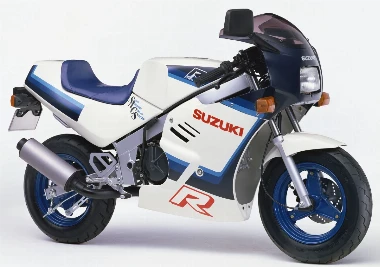

presentation of the GSX-R50 1986
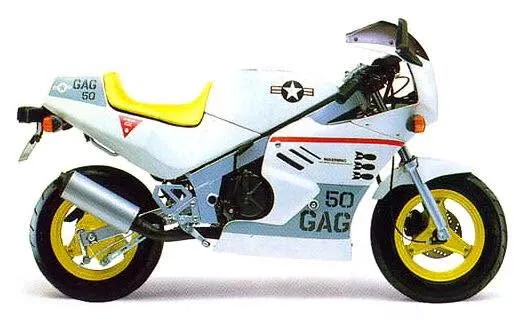
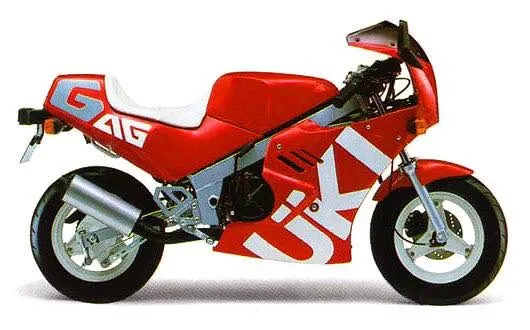
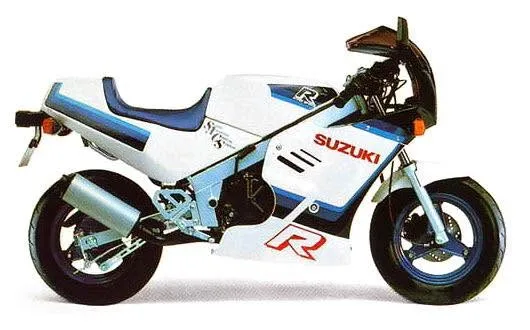
In 1985, Suzuki shook up the motorcycle industry with the launch of the GSX-R750 (GR71F), a machine that redefined the standard for modern sport bikes with its aluminum perimeter frame and featherweight design. Less than a year later, in the spring of 1986, the engineers in Hamamatsu did it again, but this time in an unexpected way: the Suzuki RB50 GAG (also marketed as the GSX-R50 in the United Kingdom).
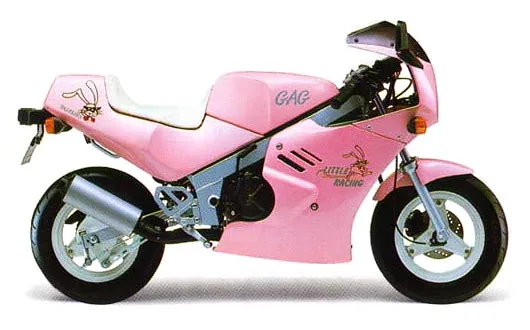
Designed as a 1/2-scale miniature replica of the GSX-R, the RB50 GAG paved the way for the 50 cm³ mini-sport bike phenomenon in Japan, slightly beating Yamaha’s two-stroke response (YSR50) and Honda’s (NSR50).
Japanese-style humor
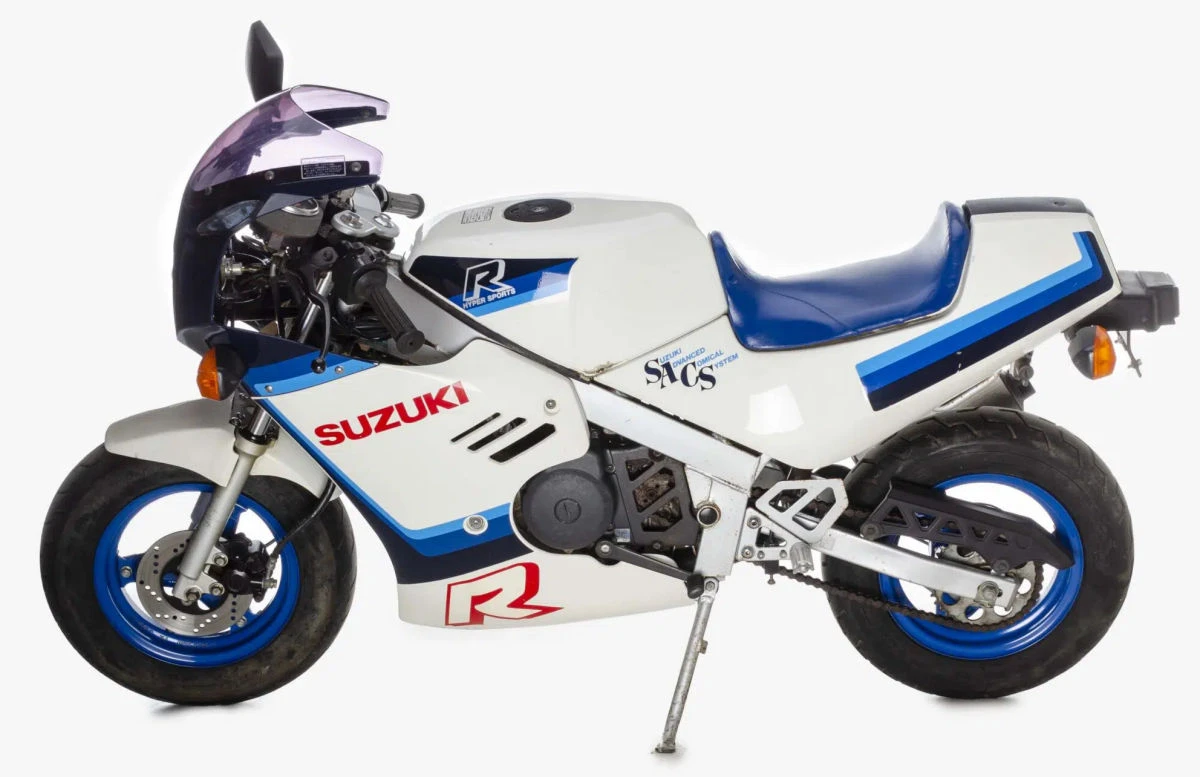
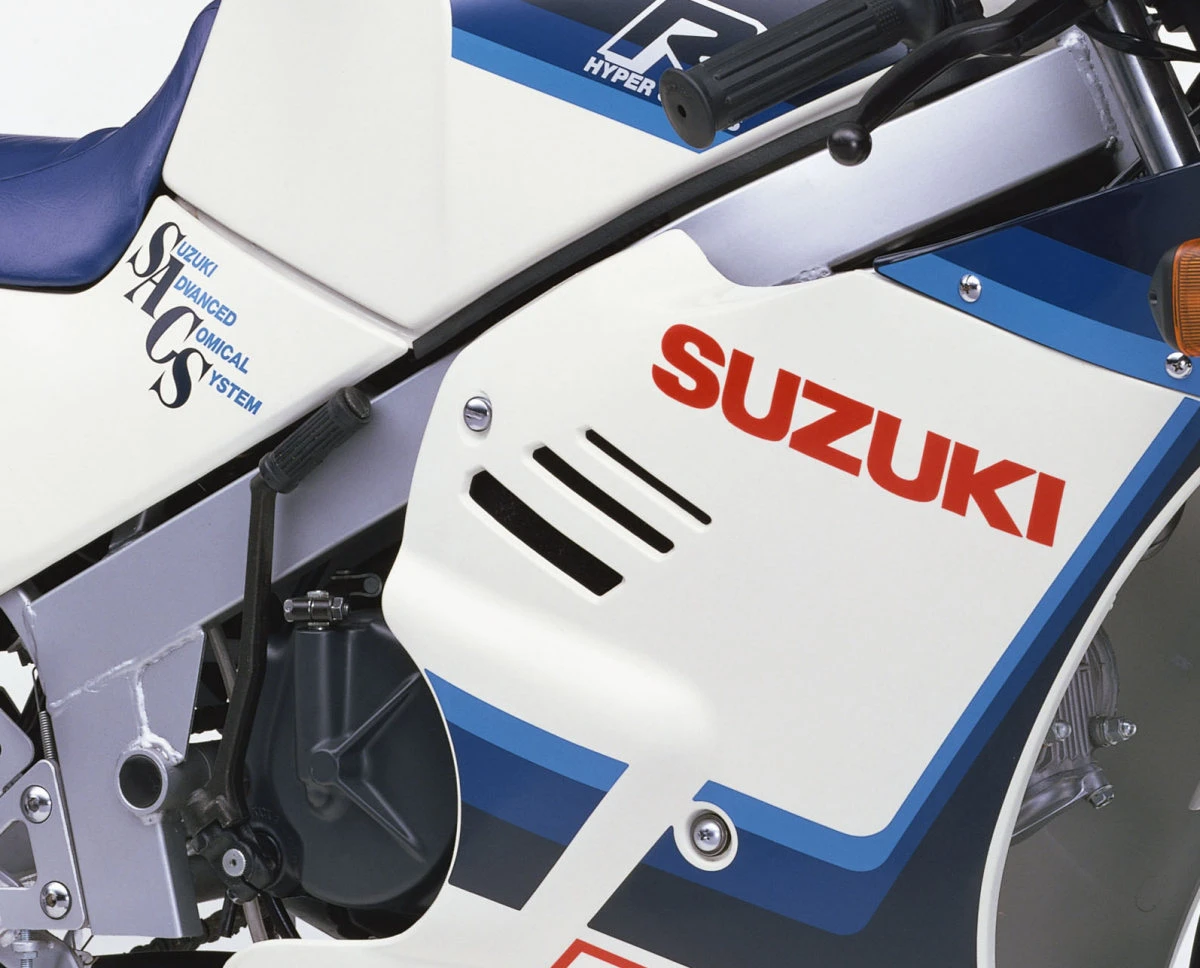
The name GAG wasn’t chosen at random: Suzuki approached this project with a self-deprecating sense of humor rare among major manufacturers.On the side of the fairing, where the GSX-R750 proudly displayed its SACS sticker for Suzuki Advanced Cooling System, the RB50 features a playfully reimagined logo: SACS – Suzuki Advanced Comical System.
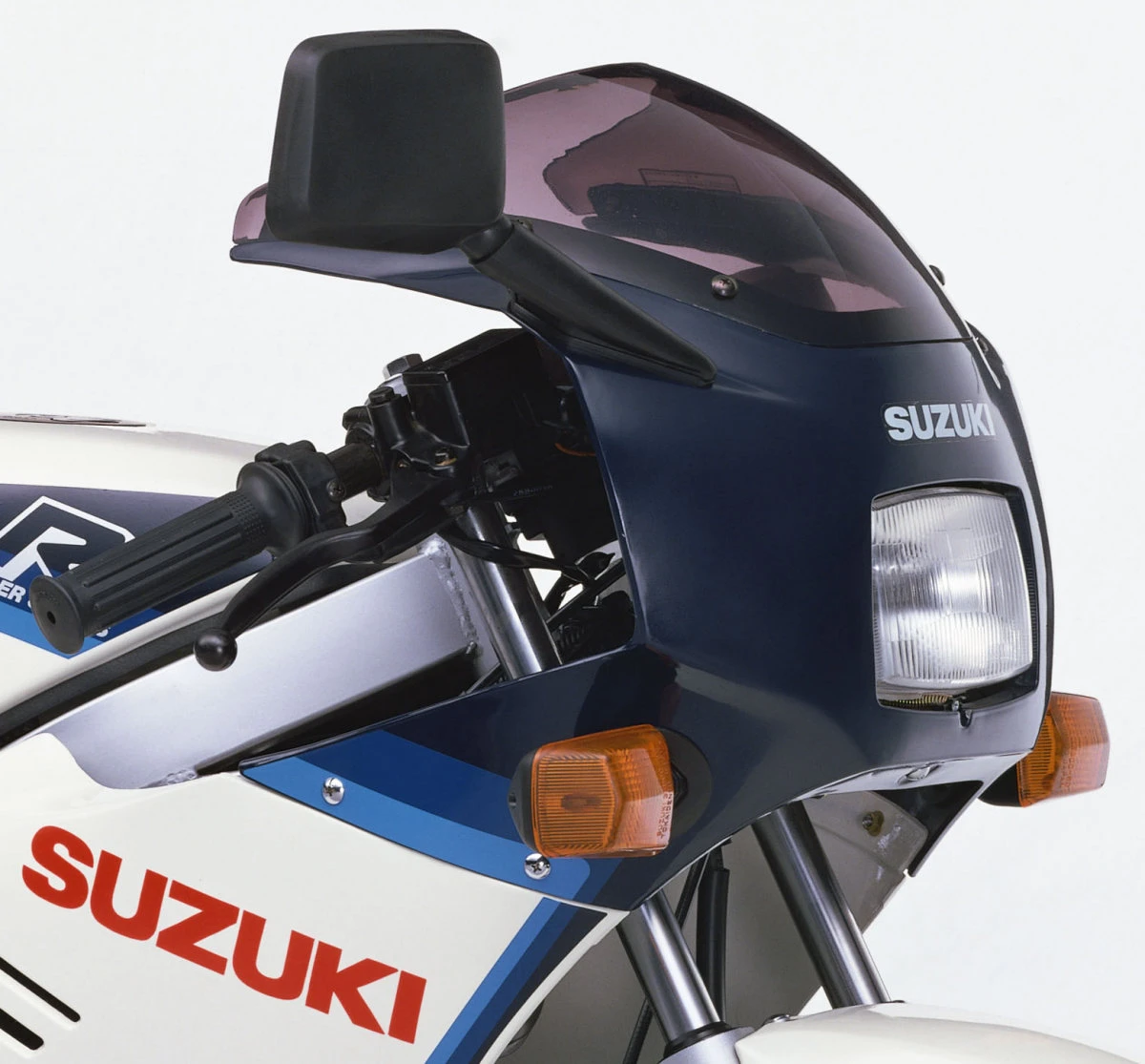
Despite its toy-like size, the Suzuki GAG was a genuine street-legal motorcycle in Japan, equipped with headlights, turn signals, a horn, and a rearview mirror.
A Noble Chassis
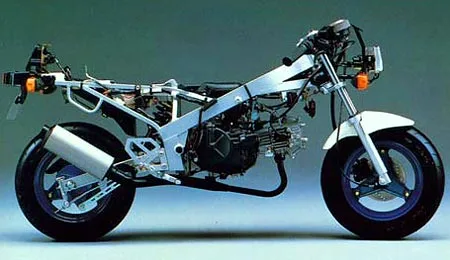
The most striking contrast of the RB50 GAG lies in the duality between its chassis and its engine. It’s based on a surprisingly sophisticated frame. Unlike the traditional mini-bikes of the era (such as the Honda Monkey or Dax), which were built on basic steel-tube frames, Suzuki equipped the GAG with a true perimeter frame made of welded aluminum boxes.
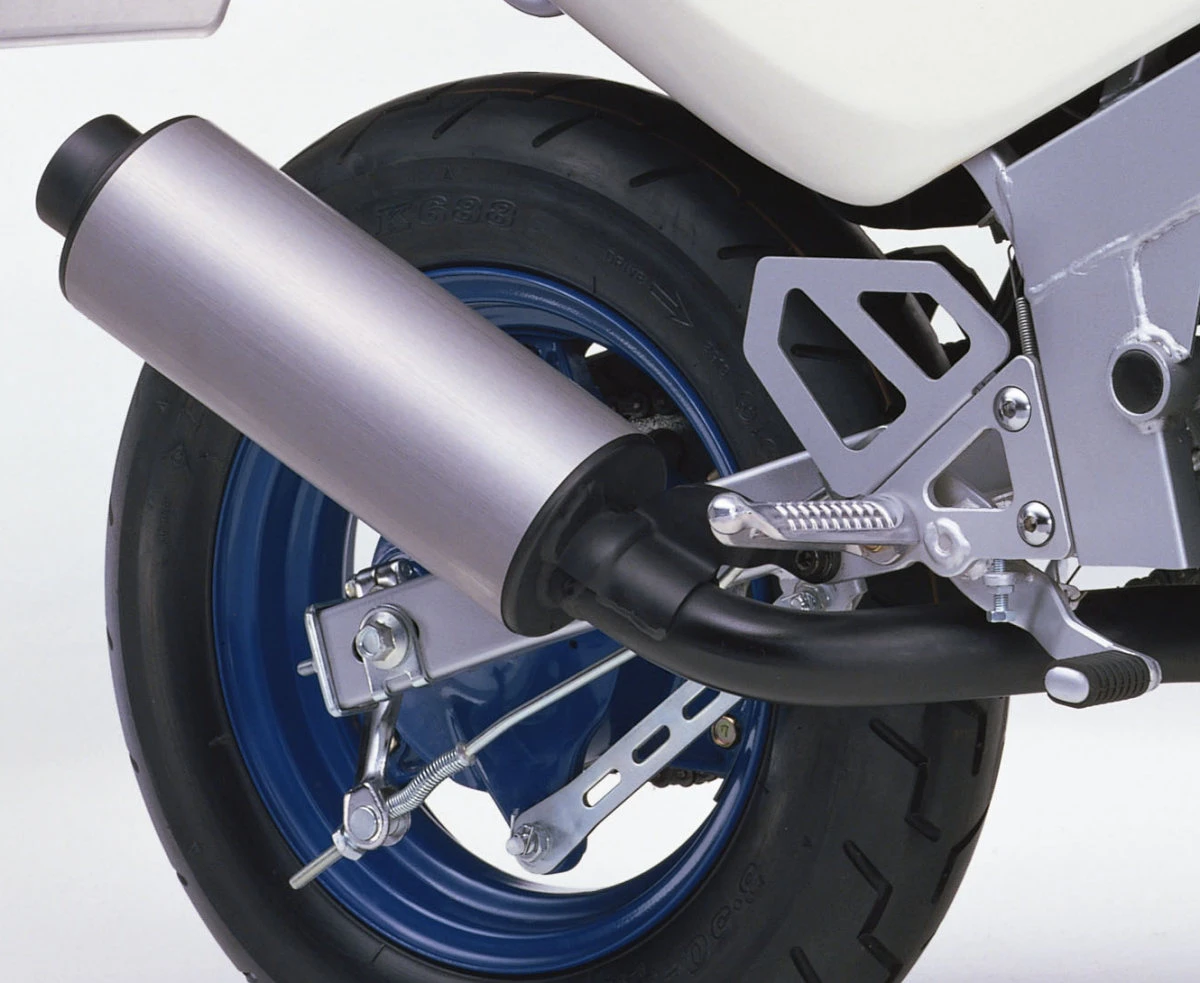
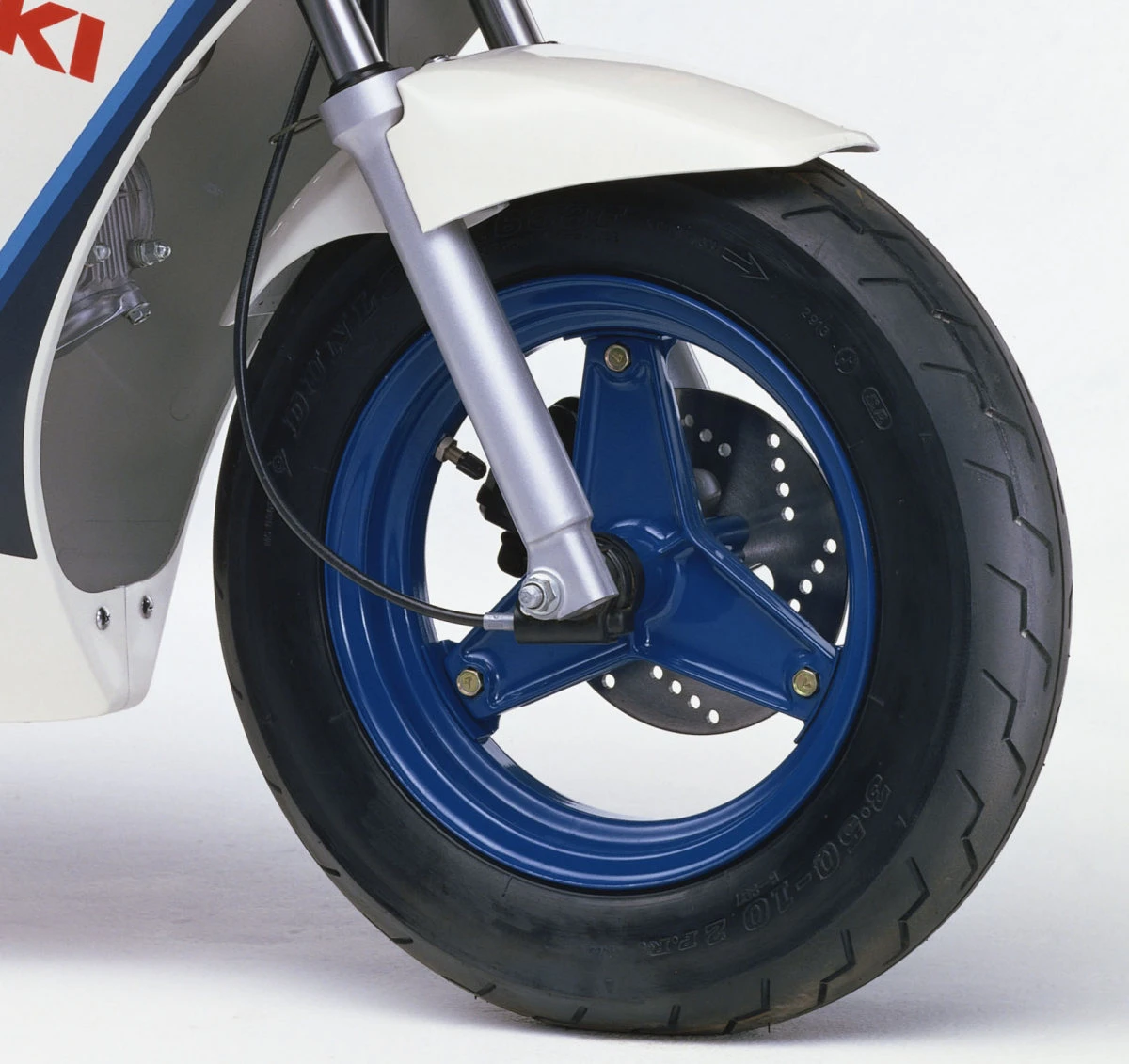
The rear end features an aluminum swingarm, combined with the brand’s proprietary Full-Floater variable-rate monoshock suspension system. Braking at the front is handled by a hydraulic disc clamped by a single-piston caliper, while the rear retains a classic mechanical drum brake.
An original utility-class 4-stroke single-cylinder engine
Beneath the full racing fairing lies not a competition engine, but the air-cooled SOHC 4-stroke single-cylinder engine borrowed from the Suzuki Birdie utility moped. This mechanical choice prioritized fuel efficiency, mechanical reliability, and smooth operation over pure speed.
Powered by a Mikuni carburetor, this engine delivers 5.2 chevaux at 7,000 rpm and 5.6 Nm of torque. Power is transmitted via a 4-speed manual transmission with a wet multi-plate clutch, and the bike is started exclusively by kick-start.
A rather serious bit of fun
The faithful reproduction of the GSX-R 750’s proportions, the attention to detail in the fairings, and the graphic nods to the original make it an icon of pop-culture industrial design.
The Suzuki RB50 GAG had a short but seminal career. By 1987, the arrival of much more powerful 2-stroke competitors in the mini-racer segment (notably the liquid-cooled Honda NSR50) relegated the GAG to the status of a road curiosity. Suzuki would discontinue production by the end of 1987.
M.Bi - Manufacturer photos
by Greg
Greg is the founder of Motoplanete—a website created in 2001 to share his passion with his friends and showcase as many motorcycle models as possible to his readers. Self-taught and a jack-of-all-trades, his discovery of the world of motorcycles led him to work as a photographer, rider, team manager, web developer, graphic designer, editorial assistant, and editor-in-chief.
 Share
Share
Key facts Suzuki GSX-R50 (1986) : What you need to know before you buy
Prices
| Basic version | |
|---|---|
 Japan Japan |
183,000¥
|
Model sold in 1986
Performance
- Max speed : approximately 60 km/h (37.30 mph)
- Average fuel consumption : 0.80 liters/100km (2.94 mpg)
-
Estimated range
: 875 km (544 miles)
Calculated range until tank is empty, not verified.
Specifications Suzuki GSX-R50 1986
- Chassis
- Vehicle not capable of carrying passengers
- Frame : aluminum perimeter frame
- Fuel capacity : 7 liters (1.85 US gallons)
- Seat height : 610 mm (24.02 in)
- Length : 1,540 mm (60.63 in)
- Width : 610 mm (24.02 in)
- Min height : 870 mm (34.25 in)
-
Min. ground clearance : 115 mm (4.53 in)
- Wheelbase : 1,080 mm (42.52 in)
- Dry weight : 64 kg (141 lb)
- Weight when fully loaded : 70 kg (154 lb)
- Front axle
- Telehydraulic fork, Ø 27 mm
- Braking 1 disc, single-piston caliper
- Front tire : 110 / 80 - 10 → Order this type of tire
- Pressure : 1.6 bar
- Handlebars handlebars
- Transmission
- 4 stage gearbox , manual
- Secondary by chain
- Rear axle
- Single shock absorber
- drum brakes Ø 90 mm (3.54 in), single-piston caliper
- Rear tire : 140 / 70 - 10 → Order this type of tire
- Pressure : 2.2 bar
- Motor
- single-cylinder online , 4 strokes
- 1 carburetor, 13 mm diameter
- Cooling system : by air
- 1 ACT
- 2 valves
- 49 cc
- 5.20 ch (5.10 hp) to 7,000 rpm
- 0.60 mkg (5.60 Nm) to 6,000 rpm
- Power-to-Weight Ratio : 12.55 kg/ch
- Torque-to-Weight Ratio : 106.67 kg/mkg
- Compression : 10.3 : 1
- Starting system : kick
- Practical information
- Country of manufacture : Japan
Essentials
 Motoblouz
 LaBécanerie


Gallery
Models
1986
Used
Compare the GSX-R50 to its competitors
FAQ Your frequently asked questions about the GSX-R50 1986
- What is the power of the GSX-R50?
-
The GSX-R50 1986 develops a power of 5.20 ch (5.10 hp)
- What is the torque of the GSX-R50?
-
The maximum torque of the GSX-R50 1986 is 0.60 mkg (5.60 Nm) to 6,000 rpm.
- What is the maximum speed of the GSX-R50?
-
The GSX-R50 1986 is capable of reaching a top speed of approximately 60 km/h (37.30 mph) on the track.
- What is the weight of the GSX-R50?
-
The GSX-R50 1986 has a a dry weight of 64 kg (141 lb), a weight when fully loaded of 70 kg (154 lb).
- What is the fuel consumption of the GSX-R50?
-
Average fuel consumption is estimated at 0.80 l/100km (2.94 mpg) according to the WMTC cycle.
- QWhat is the seat height of the GSX-R50?
-
To ensure good accessibility, the GSX-R50 1986 offers a minimum seat height of 610 mm (24.02 in).
- What is the price of the GSX-R50?
-
The price of the GSX-R50 1986 is 183,000¥ in Japan
- Is the GSX-R50 approved for transporting a passenger?
-
No, this vehicle is only suitable for 1 people; it is a single-seater.
News
-
Top 10 Best Scooters of 2026: Our Complete Ranking.
-
HJC is gearing up for a big year in 2027, with eight new helmets.
-
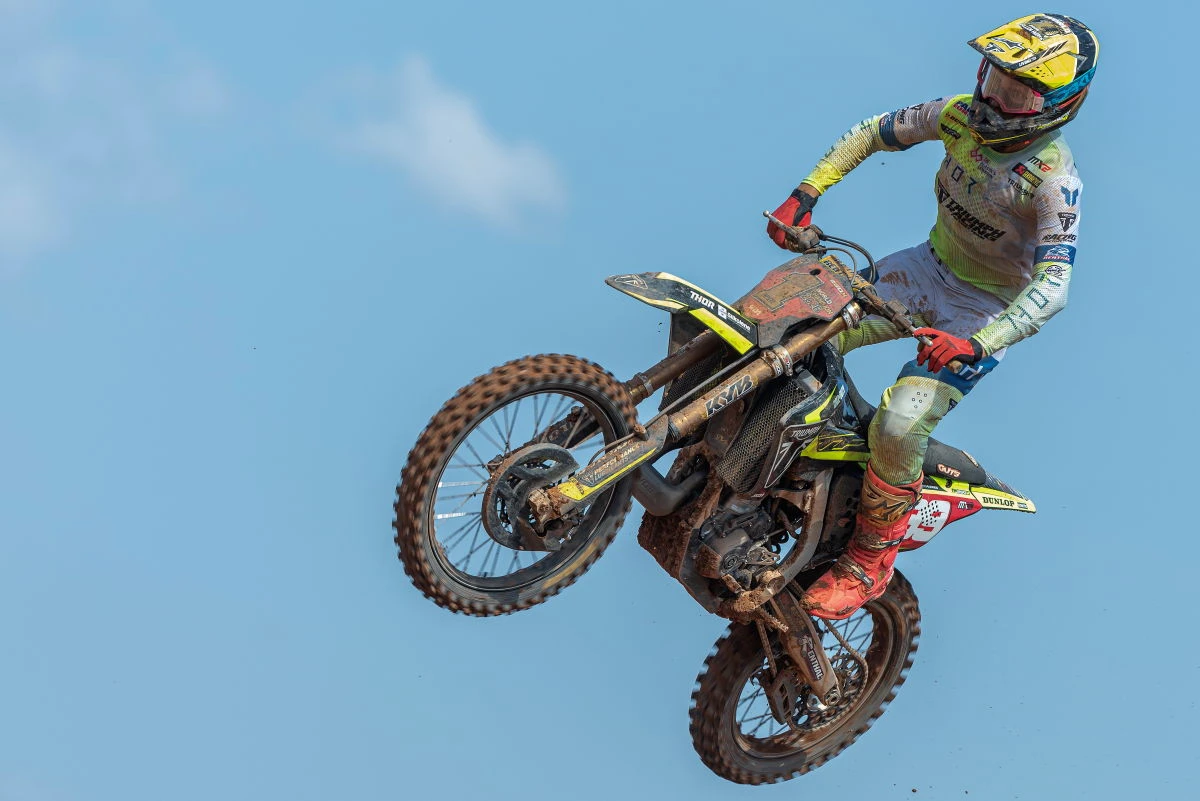
Triumph succeeded BSA in the Motocross World Championship.
-
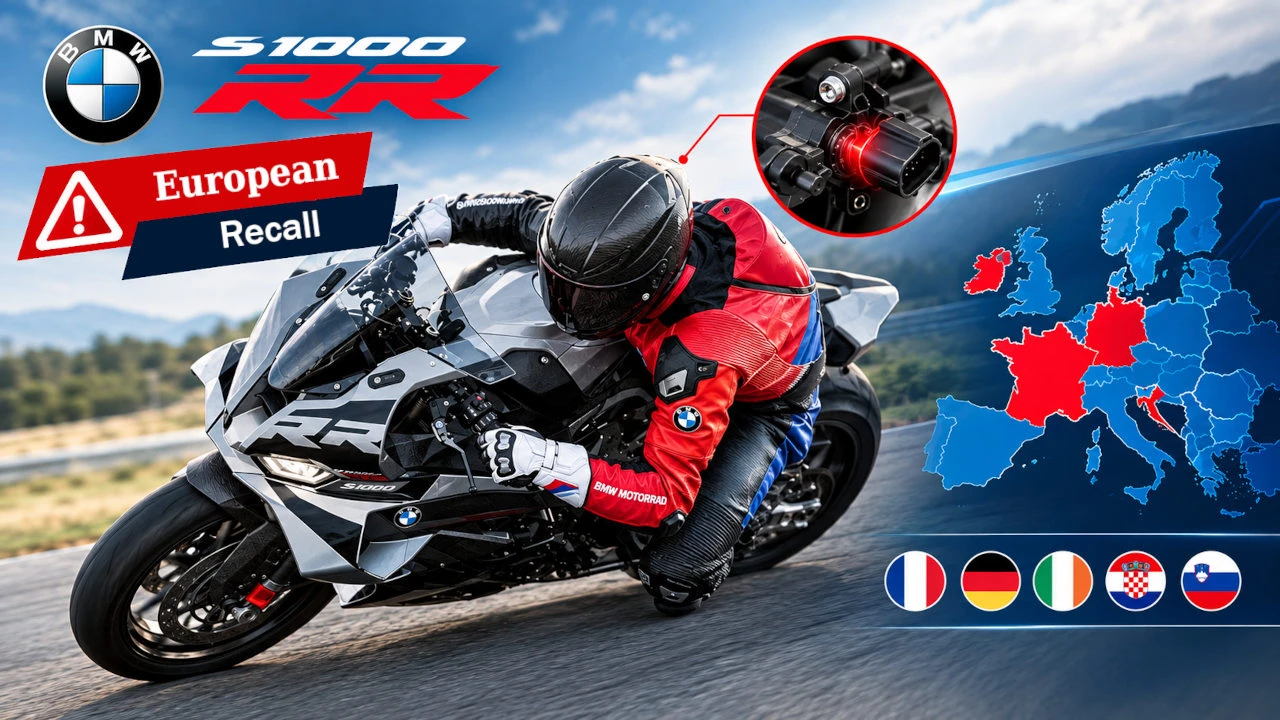
BMW S1000RR Recall Alert: Risk of Engine Shutdown
-
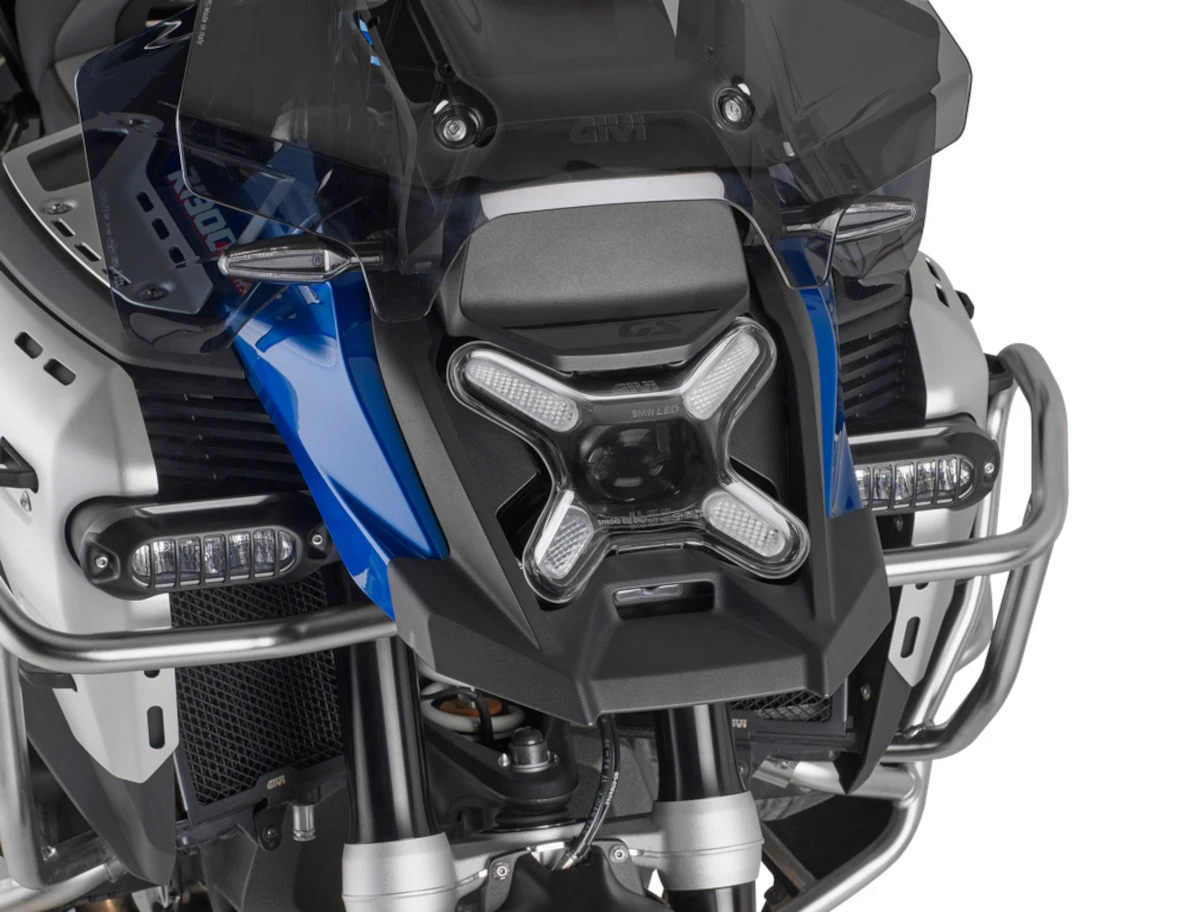
GIVI HLP Headlight Protector: Ténéré 700 and R1300GS
-
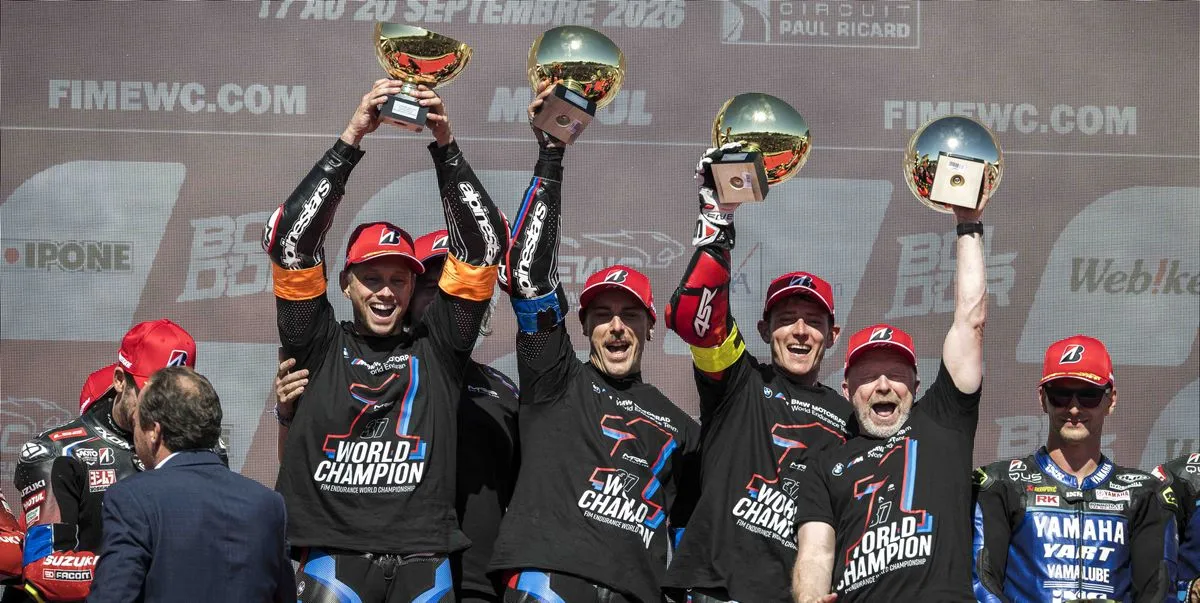
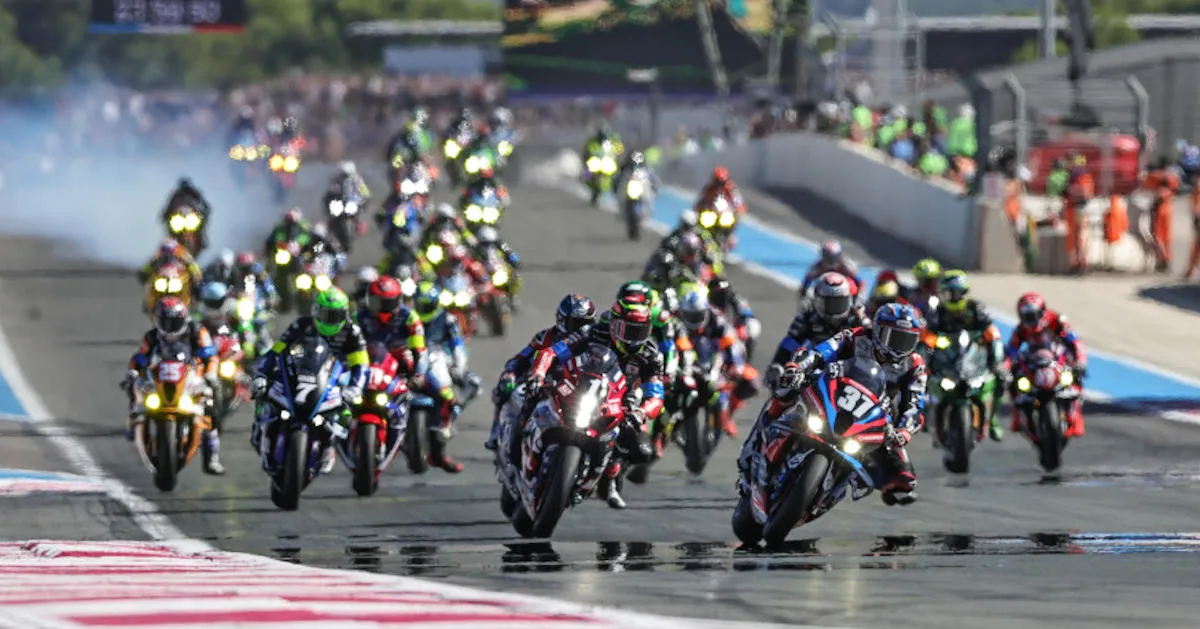
Victory and the championship title for BMW at the 2026 Bol d'Or.
-
The 89th Bol d'Or: A Celebration of Racing Passion.
-
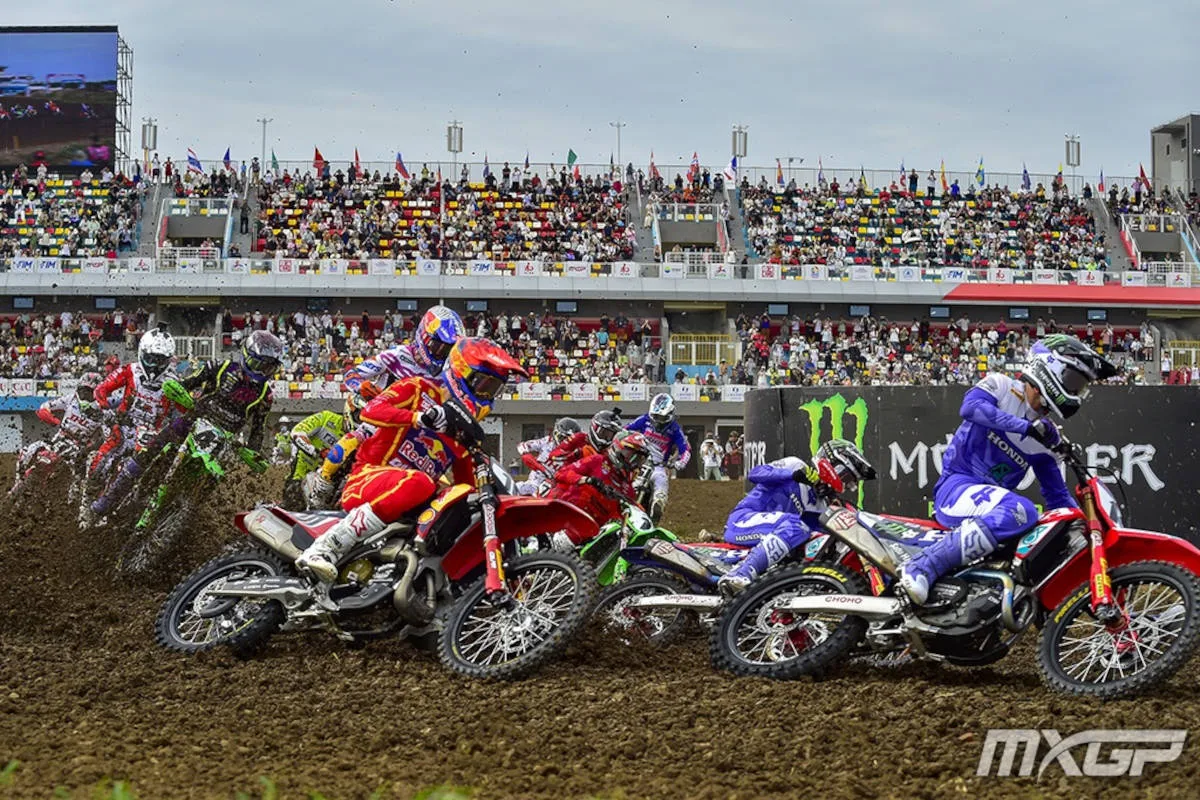
2026 MXGP of China: Herlings Unbeatable, McLellan Delays the MX2 Title
-
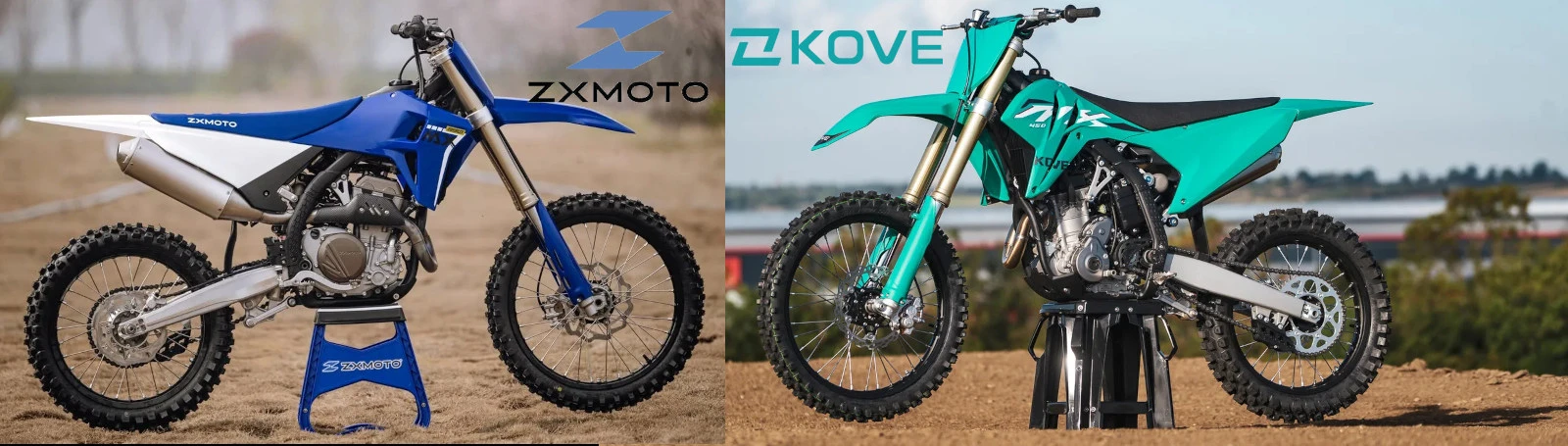
MXGP 2027: Kove and ZXMoto Join the Championship
-
The new motorcycle models of 2026 and the evolutions.

Bikers' reviews Leave a review