
Motorcycle specifications Honda CRF 250 R 2017 Little pebbles to make a big path


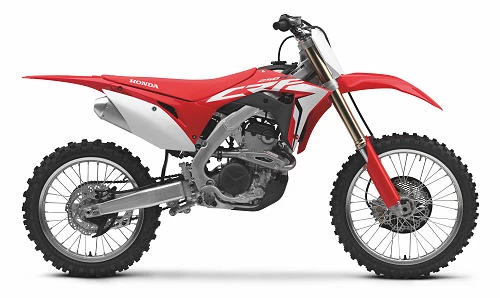
presentation of the CRF 250 R 2017
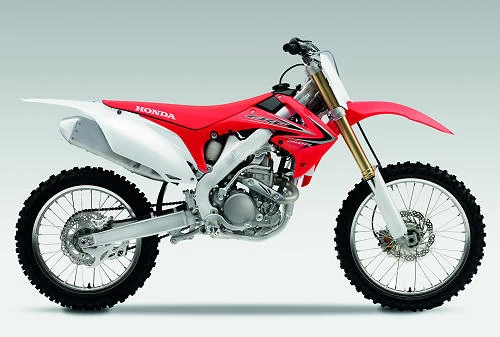
Since 2016, the CRF 250 R boasts a substantial gain in power at high revs thanks to the adoption of a new cylinder head, connecting rod and piston developed by HRC. Low-end torque is also increased, with no loss of mid-range performance. The Showa SFF-TAC-Air oleo-pneumatic fork has been reworked to reduce internal friction and optimize its responsiveness and damping qualities. The rear shock absorber has been adjusted accordingly.
as nothing can be taken for granted when it comes to the MX2, the smallest changes can make the biggest differences. That's why, in 2016, Honda applied a whole range of improvements to the engine and suspension of the CRF 250 R, directly inspired by the experience acquired week after week by Team HRC on the machines entered in MXGP.
the major evolution of the CRF 250 R revolves around the engine, and more specifically a completely revised cylinder head, connecting rod and piston. The result is extra power, much of it at high revs. At low revs, this gain is achieved without any counterpart, with no loss of throttle sensitivity and no alteration in the progressive arrival of this power.
at the same time, low-speed torque has been increased, as has maximum power output. The exhaust manifold now features a resonator, while the internal components of both silencers have been redesigned. Finally, the airbox has also been reworked to facilitate airflow.
on the chassis side, the Showa SFF-TAC-Air 49 mm air fork also benefits from a number of internal evolutions, as well as new forks.the forks are 5 mm longer at the top to optimize grip, responsiveness, feedback and adjustment. The rear shock absorber remains unchanged, but its settings are tuned to the new front-end characteristics.
other changes include a reduction in the diameter of the final drive chain rollers and the installation of footrests that are more easily "self-cleaning" in mud.
engine
the 2016 CRF 250 R's 249 cm3, 4-valve Unicam single-cylinder engine retains its basic 76.8 x 53.8 mm dimensions, with 40 hp at 11,500 rpm (38 hp at 11,000 rpm in 2015) and a torque value of 27.1 Nm at 9,000 rpm (compared with 26.5 Nm at 8,500 rpm).
As a result, the block is more supple and vigorous at low revs, retaining its strength at mid-range and, as revs increase, benefiting from a boost in power and torque that remains stable right up to the top of the rev range. This avoids the need for time-consuming gear changes in difficult passages.
the gain in power and torque - achieved without any trade-off over the extended rev range - is even more impressive.hRC's extensive development work on the cylinder head. This work began with the adoption of a new, lighter piston, resulting in a volumetric ratio of 13.8:1, compared with 13.5:1 previously. This piston is associated with a connecting rod whose shape has also been revised, contributing to the increased power.
on the intake side, the airbox receives an additional air inlet, while the length of the internal ducts has been modified. The cylinder head's intake and exhaust ducts have been redesigned in line with HRC information, while the Ø 25 mm exhaust valves are now made of titanium rather than steel. The Ø 30.5 mm intake valves, already in titanium, remain unchanged. The all-new camshaft acts on redesigned tappets, allowing higher lift in both intake and exhaust, while the intake valve spring material is also new. The PGM-FI dual electronic fuel injection system, with its Ø 46 mm throttle body, also features settings adapted to the new characteristics of the cylinder head.
the exhaust system uses a resonator installed between the engine and the manifold, contributing to the engine's ease of operation. In addition to larger-diameter tailpipes and a new design for the internal baffles, both silencers feature new connecting pipes.
the left-hand radiator has been enlarged to cope with the increased heat generated by the extra power, while the right-hand gearbox has been redesigned.the left-hand radiator is larger to cope with the increased heat generated by the extra power, while the gearbox now uses a bearing-mounted selector barrel locking mechanism for improved shifting feel. Finally, the diameter of the final drive chain rollers has been reduced from 38 to 34 mm.
the Engine Mode Select Button (EMSB) makes an already highly available engine even more accessible. This is an undeniable plus for enthusiasts: rather than making adjustments during the week in the hope that they will prove correct at the weekend, the rider need only stop, let the engine idle and press the button for a second to select the engine mapping of his choice. Depending on the number of flashes observed on the light-emitting diode integrated into the handlebar control, the rider is immediately informed of the current map. If a new map is selected, the choice is immediately confirmed by the same means.
in detail, Mode 1 uses a "standard" match between ignition and injection curves to deliver balanced power and torque characteristics. Mode 2 has been designed for low-grip conditions - mud, for example - and prioritizes throttle control and fine feedback to enable the rider to make the most of the available grip. Last but not least, Mode 3, more specifically designed for sandy conditions, makes the engine more responsive and more aggressive at the revs. modes 2 and 3 can be reprogrammed using the box and software developed by HRC.
cycle part
the Ø 49 mm SFF-TAC-Air pneumatic fork was developed specically developed by Showa for the CRF 250 R to exploit the frame's potential and save more than a kilogram compared to a conventional inverted fork. The fork's right arm controls compression and rebound functions, while the left arm compresses air only during the compression phase. This arrangement allows perfect control of the left/right balance.
three "cartridges" are arranged in the left arm to form an effective air spring. The "distribution" cartridge works from rest to low speeds, the "internal" cartridge is responsible for mid-stroke operation, while the "external" cartridge intervenes when the fork reaches the end of its travel, before the stop.
both fork arms claim the same travel and dimensions as the 2015 version. However, they have been extensively redesigned to reduce friction, optimize suspension reaction speed and also mid-stroke reaction force, improving control during jump calls and landings.
the upper tubes are 5 mm higher than the upper tee and, to reduce internal frictionto reduce internal friction (by around 25%), the construction, shape and number of internal pneumatic joints have been precisely refined. An additional 80kPa of air pressure has been added to the "external" chamber (previously 0kPa), as has a pneumatic valve for making adjustments. The other two cartridges ("internal" and "distribution") now operate with an air pressure of 1075 kPa, compared with 1200 kPa and 1125 kPa respectively previously. Finally, the range of damping settings has been extended from 4 to 8 notches.
at the rear, the Showa shock absorber is mounted low in the frame. In response to the changes made at the front - and to optimize rear-wheel grip - its spring is stiffer in the first part of its travel. The rebound characteristics remain unchanged, but those of the compression phase have been increased from mid-stroke (compared to 2015), along with piston speed.
fully adjustable, this shock offers 17 rebound settings, while compression can be set to 13 positions (low speeds) and 3.5 turns (high speeds). The Pro-Link system benefits from specific gear ratios and offers 317 mm of travel. Thanks to its greater height at the center and front, the aluminum swingarm offers greater rigidity, less deformation and improved rear tire grip on corner exits.
the double-beam aluminum frame of the CRF 250 R, now in its 6th generation, remains unchanged, as does the specific cradle that supports the engine. Designed from the outset with mass centralization in mind, and to best match the characteristics of the Showa pneumatic fork, it boasts a rake of 27'23°, a drag of 117 mm and a wheelbase of 1,489 mm. All-up weight is 105.6 kg.
the CRF 250 R's bodywork remains unchanged. It follows the principle that the machine is built above all to facilitate the rider's movements. In other words, ergonomics are at the heart of the CRF 250 R's layout. The radiator scoops, side covers, ultra-light saddle and fuel tank, for example, feature a continuity of form that gives the rider considerable freedom of movement and fluidity of motion.
subtle improvements to the footrests and their supports make it much more difficult to lock them in the upright position when mud accumulates.
on the braking front, the Ø 260 mm "lace" front disc facilitates heat dissipation and enhances the power generated by the action of the double-piston caliper. The rear is complemented by a Ø 240 mm disc with single-piston caliper.
the aluminum rims are fitted with Dunlop MX52F/MX52 rubber, 80/100-21 for the front and 100/90-19 for the rear.
News and media credits: Honda
by Greg

Greg is the founder of Motoplanete—a website created in 2001 to share his passion with his friends and showcase as many motorcycle models as possible to his readers. Self-taught and a jack-of-all-trades, his discovery of the world of motorcycles led him to work as a photographer, rider, team manager, web developer, graphic designer, editorial assistant, and editor-in-chief.
 Share
Share
Key facts Honda CRF 250 R (2017) : What you need to know before you buy
Prices
| Basic version | |
|---|---|
 France France |
8,299€
|


Specifications Honda CRF 250 R 2017
- Chassis
- Frame : Double beam and single split cradle in aluminum
- Fuel capacity : 6.30 liters (1.66 US gallons)
- Seat height : 951 mm (37.44 in)
- Length : 2,181 mm (85.87 in)
- Width : 827 mm (32.56 in)
- Min height : 1,271 mm (50.04 in)
- Wheelbase : 1,489 mm (58.62 in)
- Weight when fully loaded : 105.60 kg (233 lb)
- Front axle
- Telehydraulic inverted forks Ø 49 mm, Wheel travel : 310 mm (12.20 in)
- Braking 1 disc Ø 260 mm (10.24 in), 2-piston caliper
- Front tire : 80 / 100 - 21 → Order this type of tire
- Transmission
- 5 stage gearbox
- Secondary by chain
- Rear axle
- Mono-damper, Wheel travel : 317.60 mm (12.50 in)
- Braking 1 disc Ø 240 mm (9.45 in), single-piston caliper
- Rear tire : 100 / 90 - 19 → Order this type of tire
- Motor
- single-cylinder , 4 strokes
- Injection
- Cooling system : liquid
- 1 ACT
- 4 valves
- 249 cc
- 40 ch (39.40 hp) to 11,500 rpm
- 2.90 mkg to 9,000 rpm
- Power-to-Weight Ratio : approx. 2.51 kg/ch
- Torque-to-Weight Ratio : approx. 34.08 kg/mkg
- Compression : 13.8 : 1
- Practical information
Essentials

 Motoblouz
 LaBécanerie


Gallery


Models
2027
2025

2024
2023
2022
2020

2019

2018
2017
2016

2015
2014

2013
2012
Used
Find this used CRF 250 R on MotoPlanete

Competitors

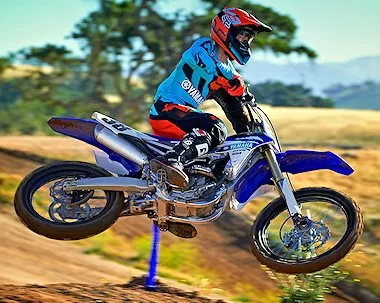
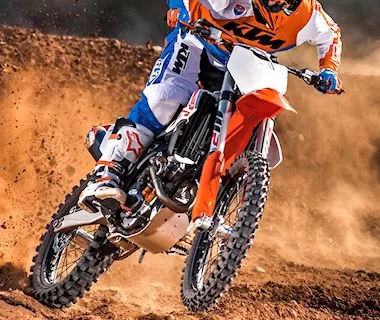
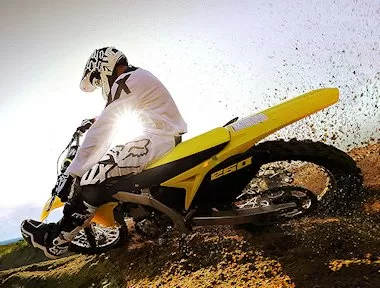
Compare the CRF 250 R to its competitors
Compared to its 4 direct competitors, this CRF 250 R offers a fairly balanced positioning, sitting right in the middle of the category. On the spec sheet, it highlights power output of 40 ch and power-to-weight ratio of 2.51 kg/ch. Its power-to-weight ratio of 2.51 kg/ch betrays a bit of extra heft on the scales.
Torque
Power
Power-to-Weight ratio
Torque-to-Weight ratio
FAQ Your frequently asked questions about the CRF 250 R 2017
- What is the power of the CRF 250 R?
-
The CRF 250 R 2017 develops a power of 40 ch (39.40 hp)
- What is the torque of the CRF 250 R?
-
The maximum torque of the CRF 250 R 2017 is 2.90 mkg to 9,000 rpm.
- What is the weight of the CRF 250 R?
-
The CRF 250 R 2017 has a a weight when fully loaded of 105.60 kg (233 lb).
- QWhat is the seat height of the CRF 250 R?
-
To ensure good accessibility, the CRF 250 R 2017 offers a minimum seat height of 951 mm (37.44 in).
- What is the price of the CRF 250 R?
-
The price of the CRF 250 R 2017 is 8,299€ in France
- What size tires should I put on my CRF 250 R?
-
The standard size for a CRF 250 R 2017 is 80 / 100 - 21 for the front, and 100 / 90 - 19 for the rear.
- Where can I find high-quality used CRF 250 Rs?
-
You can find used CRF 250 R at great prices on MotoPlanete, in the section dedicated to them—models from professionals and private sellers, as well as spare parts.
News
-
Top 10 Best Scooters of 2026: Our Complete Ranking.
-
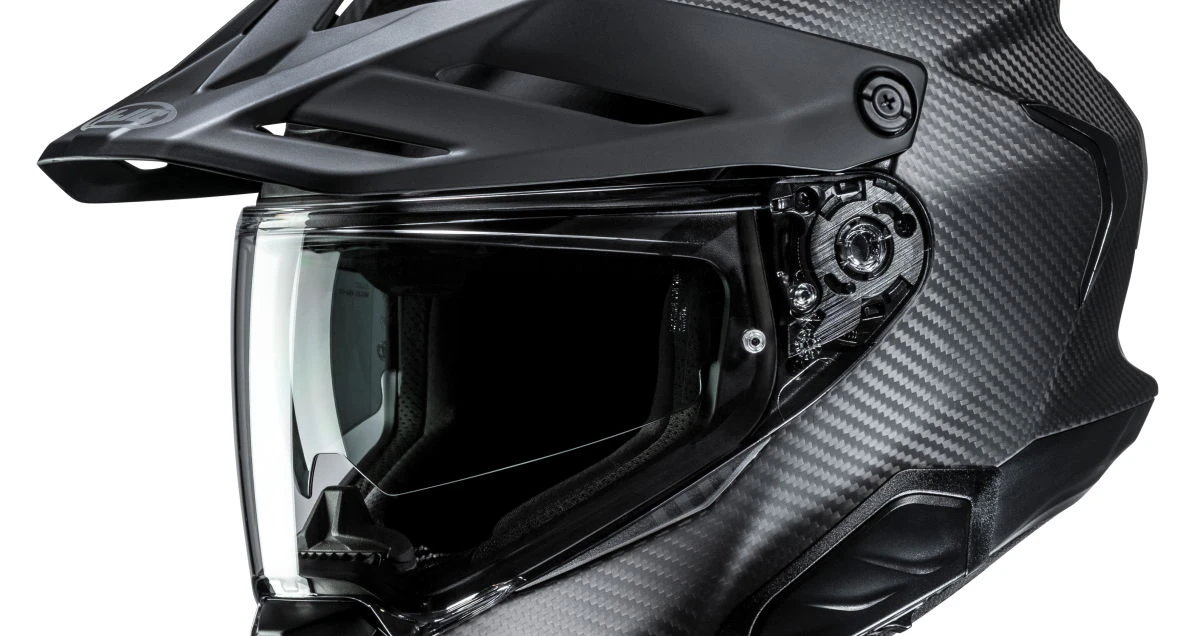
HJC is gearing up for a big year in 2027, with eight new helmets.
-
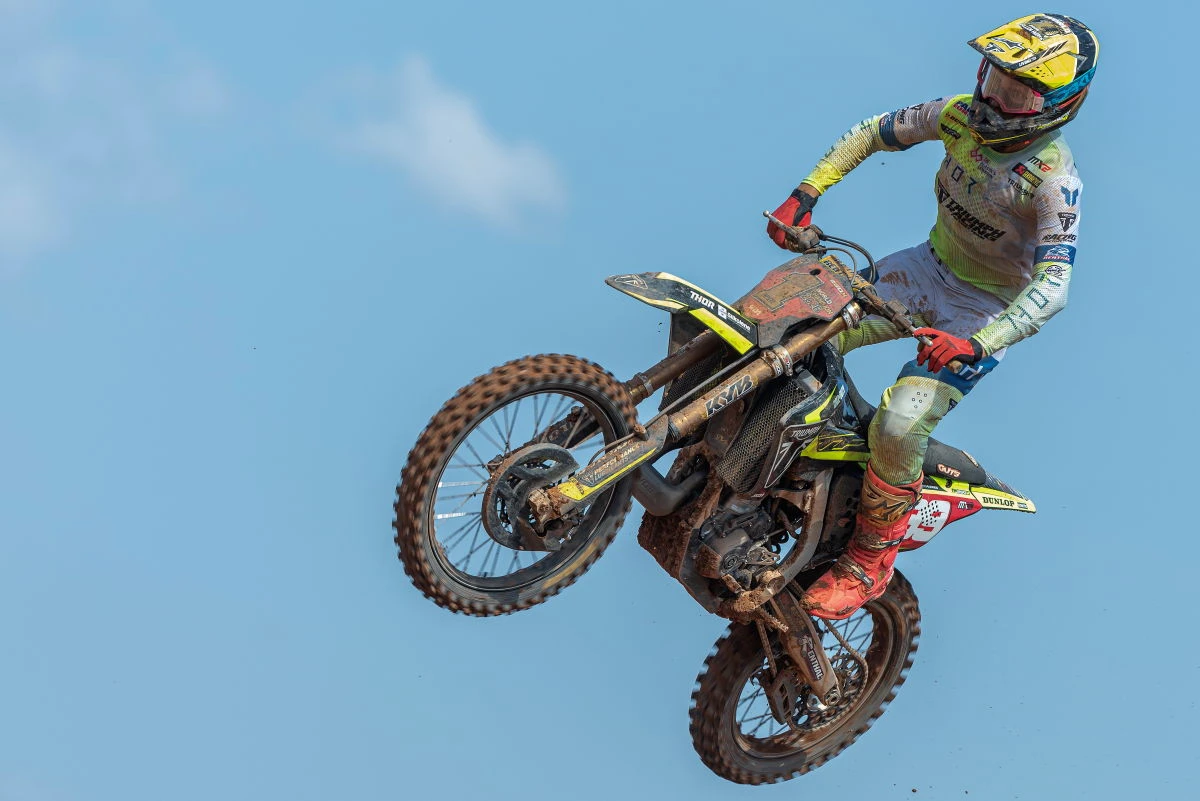
Triumph succeeded BSA in the Motocross World Championship.
-
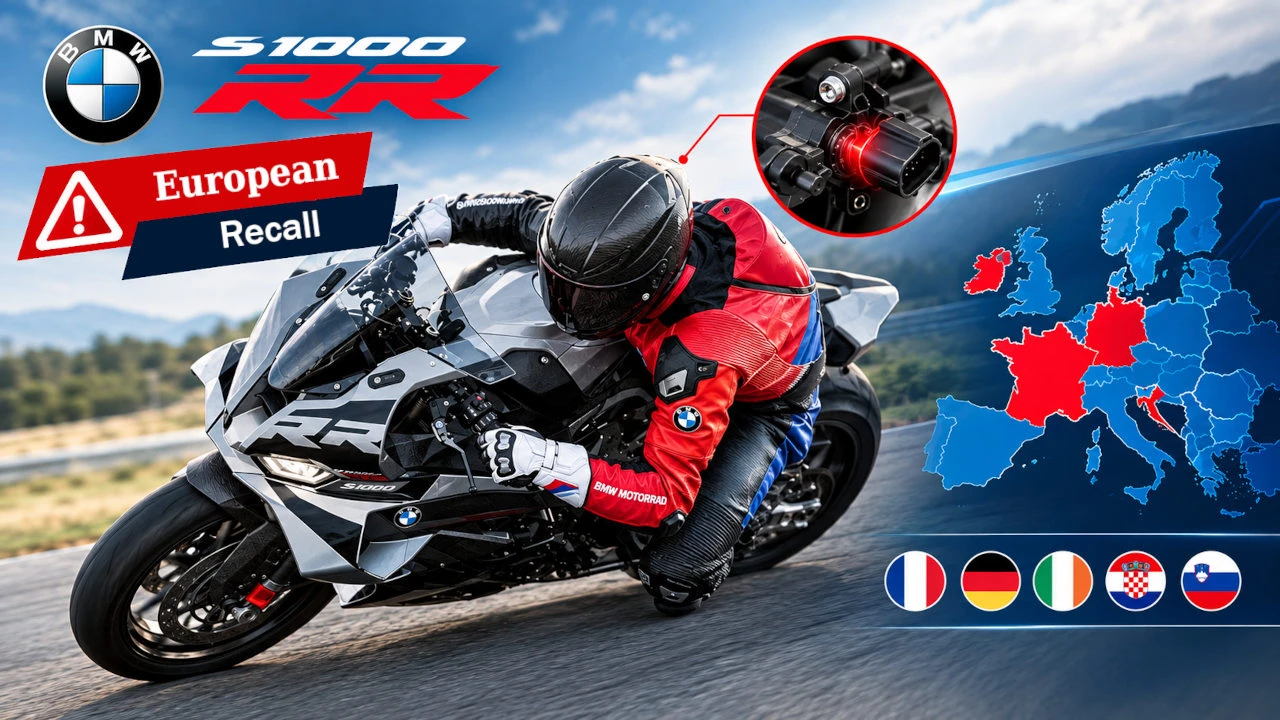
BMW S1000RR Recall Alert: Risk of Engine Shutdown
-
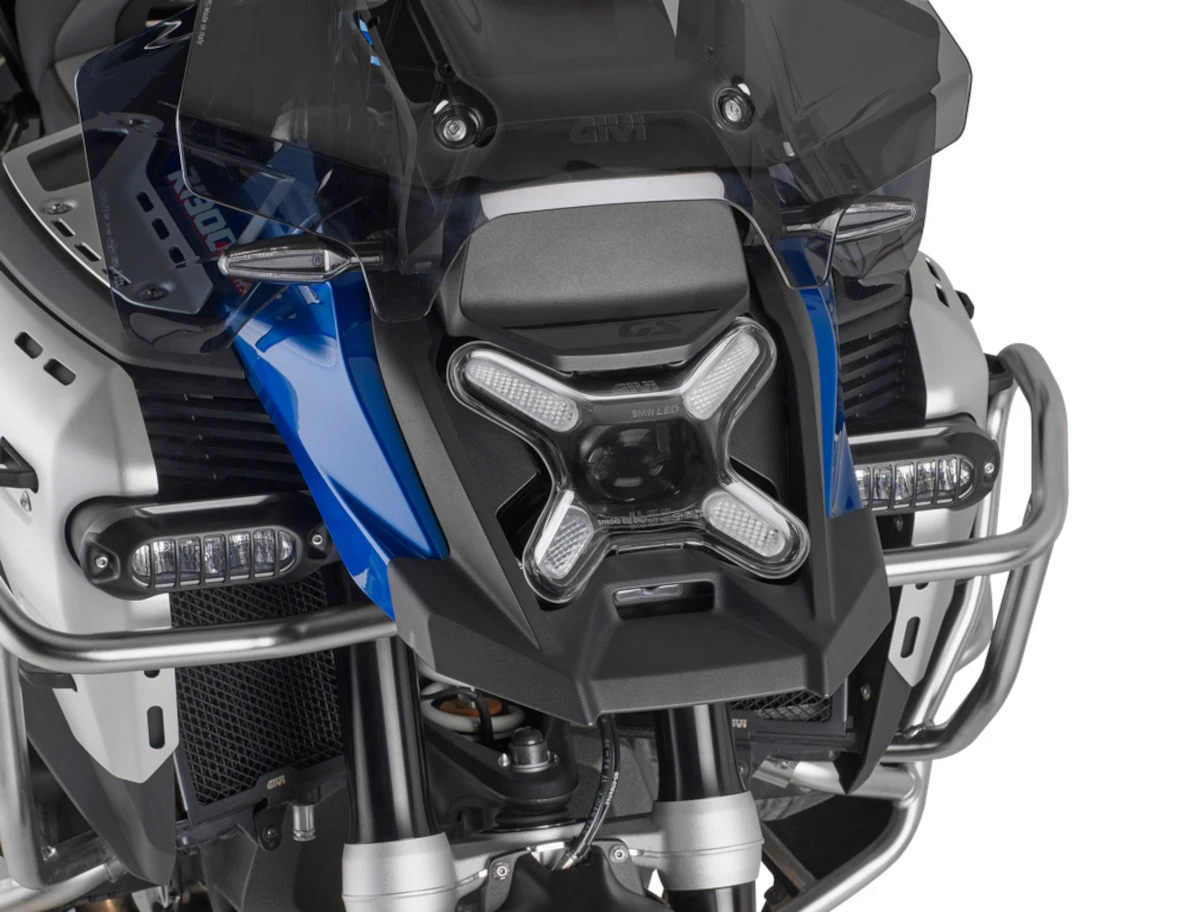
GIVI HLP Headlight Protector: Ténéré 700 and R1300GS
-
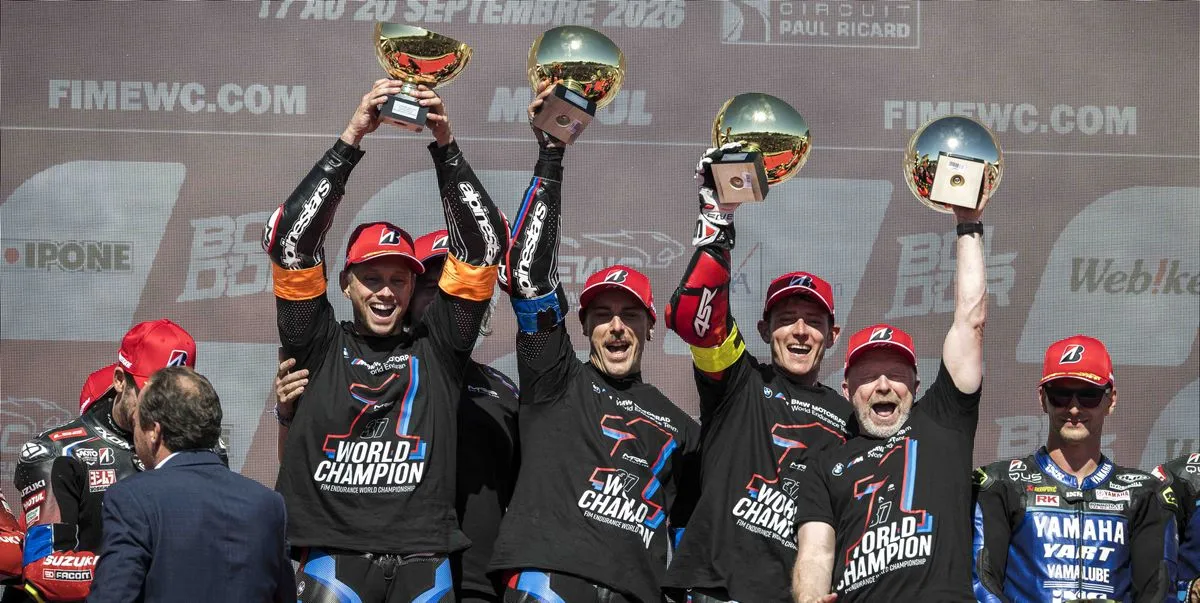
Victory and the championship title for BMW at the 2026 Bol d'Or.
-
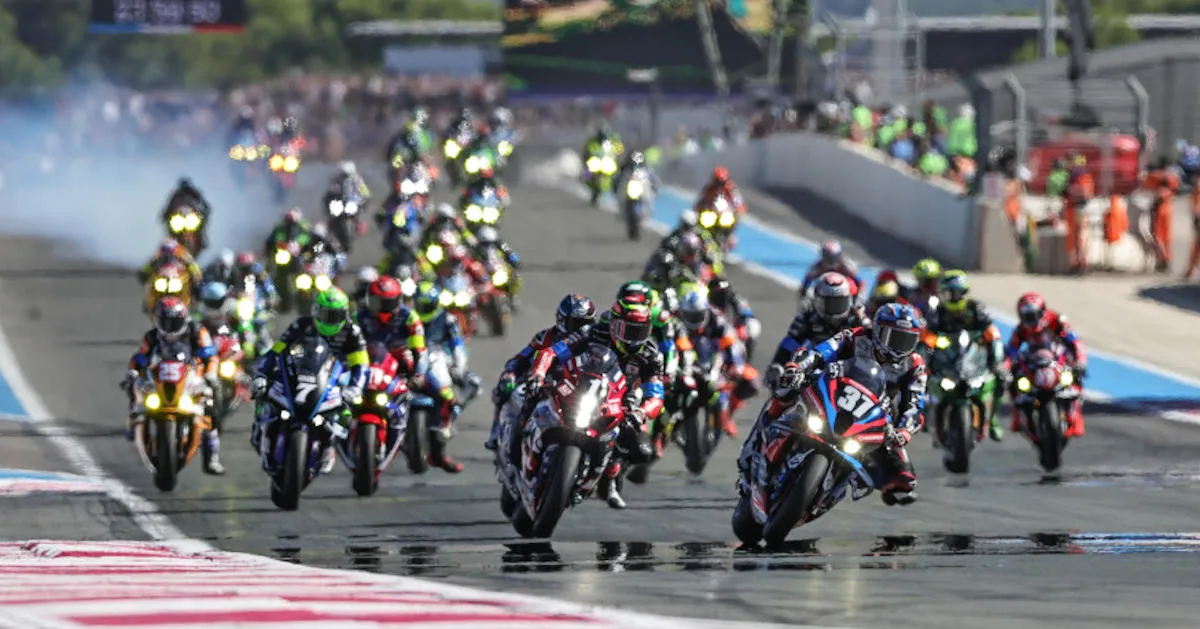
The 89th Bol d'Or: A Celebration of Racing Passion.
-
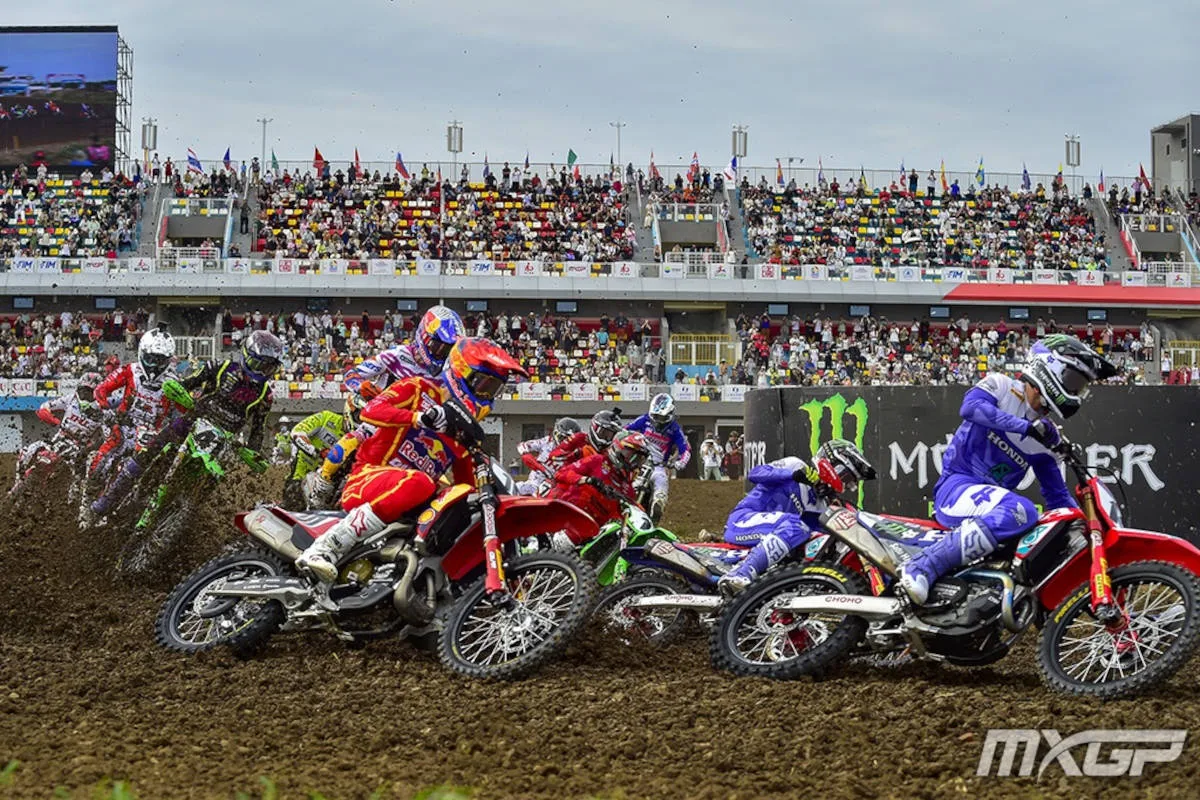
2026 MXGP of China: Herlings Unbeatable, McLellan Delays the MX2 Title
-
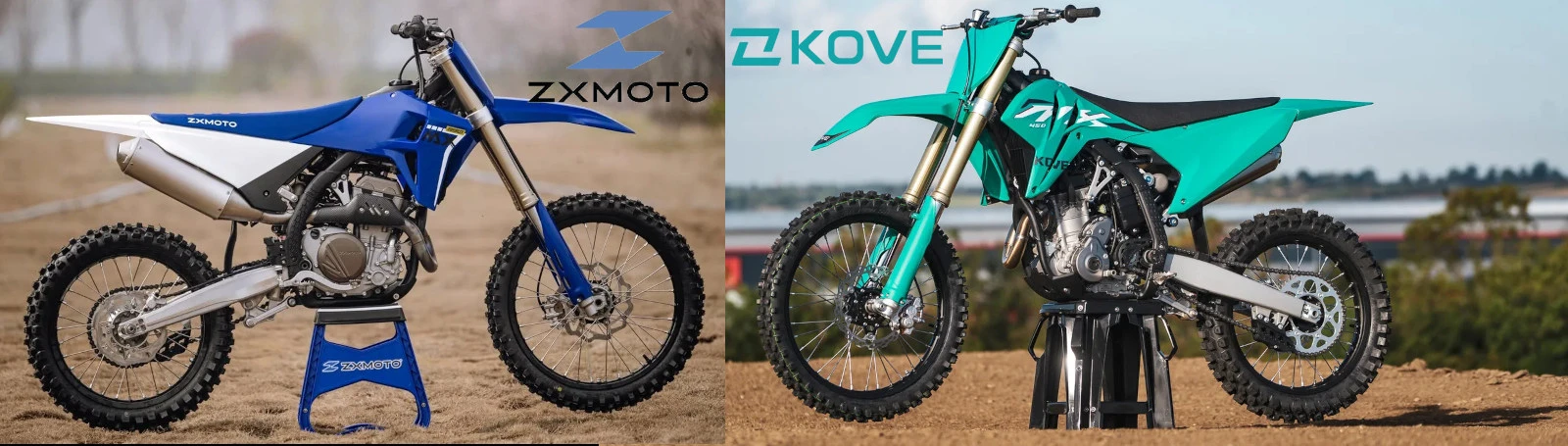
MXGP 2027: Kove and ZXMoto Join the Championship
-
The new motorcycle models of 2026 and the evolutions.

Bikers' reviews Leave a review - 7 reviews
it is beautiful, slim and I think very efficient ... I'll test it tomorrow and I'll talk later thank you
Rating : 5/5 Respond to Mo
How to find the valve clearance value for CRF 2014 R
Thank you for your help. Rating : 5/5 Respond to fred
who can tell me?
thank you Rating : 4/5 Respond to josysxm
you'll find the information on the motorcycle page
http://www.motoplanete.com/honda/4277/CRF-250-R-2013/contact.html#technique
Bonne route Rating : 5/5 Participate in the conversation