
Motorcycle specifications Kawasaki Ninja 7 Hybrid 2026 An Alternative Future


presentation of the Ninja 7 Hybrid 2026
History will record that 2024 marked one of the most significant evolutions in the motorcycle’s history since the late 19th century. Kawasaki aims to shake up the industry by becoming the first manufacturer to bring a hybrid motorcycle to market. Yes, just like in cars: a combination of internal combustion and electric motors.The Ninja 7 Hybrid breaks new ground by offering this blend of technology.
Kawa promised us this at the 2022 EICMA show. It wasn’t just hot air! The hybrid motorcycle is ready, eager to let us experience the combination of gasoline and electricity. Beneath its sporty exterior, it houses a 451cc engine capable of producing 45 horsepower. A flagship engine for 2024, as it debuted simultaneously on the 7 Hybrid sportbike and roadster, as well as the 500 Eliminator, Z 500, and 500 Ninja.
Dual power management
Behind its cylinder bank is a 9 kW electric unit. When the two combine their power, output reaches 59 horsepower. And it can climb to 69 horses thanks to “e-boost” mode. A brief, time-limited boost that’s handy for passing.
The Ninja 7 Hybrid thus offers the native power of a 500, can boost its punch to the equivalent of a 650, but...“consumes fuel like a 250 and rivals 1000cc supersports bikes from a standing start,”according to the manufacturer. It’s true that electric motors deliver a massive burst of power instantly. We have no doubt that the twin-engine Ninja will surprise riders off the line. But over how many meters.......?!?
With its Ninja 7 Hybrid, Kawasaki isn’t just shaking up the powertrain scene—it’s also taking the opportunity to introduce new solutions. This bike is Kawasaki’s first large-displacement model to feature an automatic transmission (let’s forget about the Z 125 Pro with automatic transmission, which wasn’t sold in Europe). No more gear selector! To shift gears, two paddles on the left handlebar let you switch between gears. Or you can switch to AT mode, and the system handles the transmission on its own.
Updates in 2026
The Ninja 7 Hybrid’s electronics receive minor updates to improve its handling:
- "Sport" mode, previously only available in the manual MT system, is now added to the automatic transmission.
- The rider’s ability to switch from electric mode to hybrid mode while riding was previously limited to 25 km/h. Kawa has raised this limit to 60 km/h.

A whole new world to explore with this Hybrid
The color TFT screen displays only part of this Ninja’s electronics. For the first time, there are two fuel gauges. One for gasoline, the other for the 48-volt battery. Certain icons and switch controls will allow the rider to harness the Ninja Hybrid’s multiple capabilities. With the riding modes—Sport-Hybrid, Eco-Hybrid, or EV (all-electric mode)—the range reaches 12 km while the motor produces 7 kW, or just under 10 horsepower.
There is also a Walk function for moving the motorcycle at very low speeds (like electric bikes), an APLF (Automatic Launch Position Finder) system to automatically engage first gear when stopped, a Stop & Start system, and reverse gear (in Walk mode). Kawa has also integrated a regenerative braking system.
The concept promises quite a few advantages: a smooth ride, quiet city driving (in EV mode), controlled emissions and fuel consumption, and no range anxiety as long as you can find gas. A very attractive picture; one that leaves out a key piece of information: the price. Which will be a major deciding factor for a Sport-GT that’s less powerful than an MT-07. Priced (initially) at the same level as a Z 900 RS SE...
The weight could also put off quite a few people. An electric vehicle isn’t exactly lightweight, and the Kawasaki is no exception: 227 kilos.
True to its name, the hybrid immediately adopted a sporty approach to showcase its strengths. The fairing clearly reflects this, though its bulky shape is due to the weight of the technology it carries. The rear section is more heavily clad than usual to conceal the battery... though it remains visible up close thanks to semi-translucent sections. The separate underbody fairing handles cooling duties. A left-side duct channels air to the gearbox housing, while the right-side duct ventilates the battery.

The Pioneers’ Challenge
We’ve seen plenty of projects, prototypes, simulations… mostly pipe dreams, hyped up by short-lived startups. This time, it’s the real deal. The bike is set to arrive in 2024, but more importantly, one of the market’s leading brands is behind it. Kawasaki is seriously envisioning a different future. The idea is more than welcome, but it’s struggling to catch on— like any unconventional innovation.
The Ninja 7 has to come to terms with the public’s lack of enthusiasm (which remains very conservative when it comes to combustion engines) and is slashing its prices. The price is now under 8,000 euros, 40% less than at launch.
M.B. – Manufacturer photos
by Greg

Greg is the founder of Motoplanete—a website created in 2001 to share his passion with his friends and showcase as many motorcycle models as possible to his readers. Self-taught and a jack-of-all-trades, his discovery of the world of motorcycles led him to work as a photographer, rider, team manager, web developer, graphic designer, editorial assistant, and editor-in-chief.
 Share
Share
Key facts Kawasaki Ninja 7 Hybrid (2026) : What you need to know before you buy
Prices
| Basic version | |
|---|---|
 France France |
7,999€
|

Performance
- Max speed : approximately 180 km/h (111.80 mph)
- Average fuel consumption : 3.70 liters/100km (0.64 mpg)
-
Estimated range
: 378 km (235 miles)
Calculated range until tank is empty, not verified.
Specifications Kawasaki Ninja 7 Hybrid 2026
- Chassis
- Two-seater saddle
- Frame : Steel tubular mesh
- Fuel capacity : 14 liters (3.70 US gallons)
- Seat height : 795 mm (31.30 in)
- Length : 2,145 mm (84.45 in)
- Width : 750 mm (29.53 in)
- Min height : 1,135 mm (44.69 in)
-
Min. ground clearance : 130 mm (5.12 in)
- Wheelbase : 1,535 mm (60.43 in)
- Weight when fully loaded : 227 kg (500 lb)
- Front axle
- 41 mm telescopic fork, Wheel travel : 120 mm (4.72 in)
- Angle de chasse : 25 °
- Braking 2 Nissin discs Ø 300 mm (11.81 in), 2-piston caliper
- Front tire (Tubeless) : 120 / 70 - 17 → Order this type of tire
- half handlebars (wristbands) handlebars
- Transmission
- 6 stage gearbox , automatic
- Secondary by chain
- Rear axle
- Single shock absorber, Wheel travel : 114 mm (4.49 in)
- Preload adjustment
- Braking 1 Nissin disc Ø 250 mm (9.84 in), single-piston caliper
- Rear tire (Tubeless) : 160 / 60 - 17 → Order this type of tire
- Motor
- two-cylinder online , 4 strokes
- 36 mm injection nozzle + 48V Li-ion battery
- Cooling system : liquid
- 2 ACT
- 4 valves per cylinder
- 451 cc
- 59.16 ch (58.30 hp)
- 6.10 mkg to 2,800 rpm
- Power-to-Weight Ratio : approx. 3.68 kg/ch
- Torque-to-Weight Ratio : approx. 35.15 kg/mkg
- Compression : 11.7 : 1
- Starting system : electric
- Fuel : gasoline and electricity
- CO² emissions: 86 g/km
- Standard equipment
- Brake assist : Anti-lock braking system
- Number of riding modes : 3
- TFT Full-Colour screen size: 10.92 cm (4.3 inches)
- Aluminium rims
- Gear indicator
- Automatic transmission
- Bluetooth
- Reverse gear
- Practical information
Essentials
 Motoblouz
 LaBécanerie


Gallery


Models
2026

2025

Used
Find this used Ninja 7 Hybrid on MotoPlanete


Compare the Ninja 7 Hybrid to its competitors
FAQ Your frequently asked questions about the Ninja 7 Hybrid 2026
- What is the power of the Ninja 7 Hybrid?
-
The Ninja 7 Hybrid 2026 develops a power of 59.16 ch (58.30 hp)
- What is the torque of the Ninja 7 Hybrid?
-
The maximum torque of the Ninja 7 Hybrid 2026 is 6.10 mkg to 2,800 rpm.
- What is the maximum speed of the Ninja 7 Hybrid?
-
The Ninja 7 Hybrid 2026 is capable of reaching a top speed of approximately 180 km/h (111.80 mph) on the track.
- What is the weight of the Ninja 7 Hybrid?
-
The Ninja 7 Hybrid 2026 has a a weight when fully loaded of 227 kg (500 lb).
- What is the fuel consumption of the Ninja 7 Hybrid?
-
Average fuel consumption is estimated at 3.70 l/100km (0.64 mpg) according to the WMTC cycle.
- QWhat is the seat height of the Ninja 7 Hybrid?
-
To ensure good accessibility, the Ninja 7 Hybrid 2026 offers a minimum seat height of 795 mm (31.30 in).
- What is the price of the Ninja 7 Hybrid?
-
The price of the Ninja 7 Hybrid 2026 is 7,999€ in France
- What size tires should I put on my Ninja 7 Hybrid?
-
The standard size for a Ninja 7 Hybrid 2026 is 120 / 70 - 17 for the front, and 160 / 60 - 17 for the rear.
- What colors are available for the Ninja 7 Hybrid?
-
For the 2026 model year, the Ninja 7 Hybrid is available in one color: grey.
- Where can I find high-quality used Ninja 7 Hybrids?
-
You can find used Ninja 7 Hybrid at great prices on MotoPlanete, in the section dedicated to them—models from professionals and private sellers, as well as spare parts.
News
-
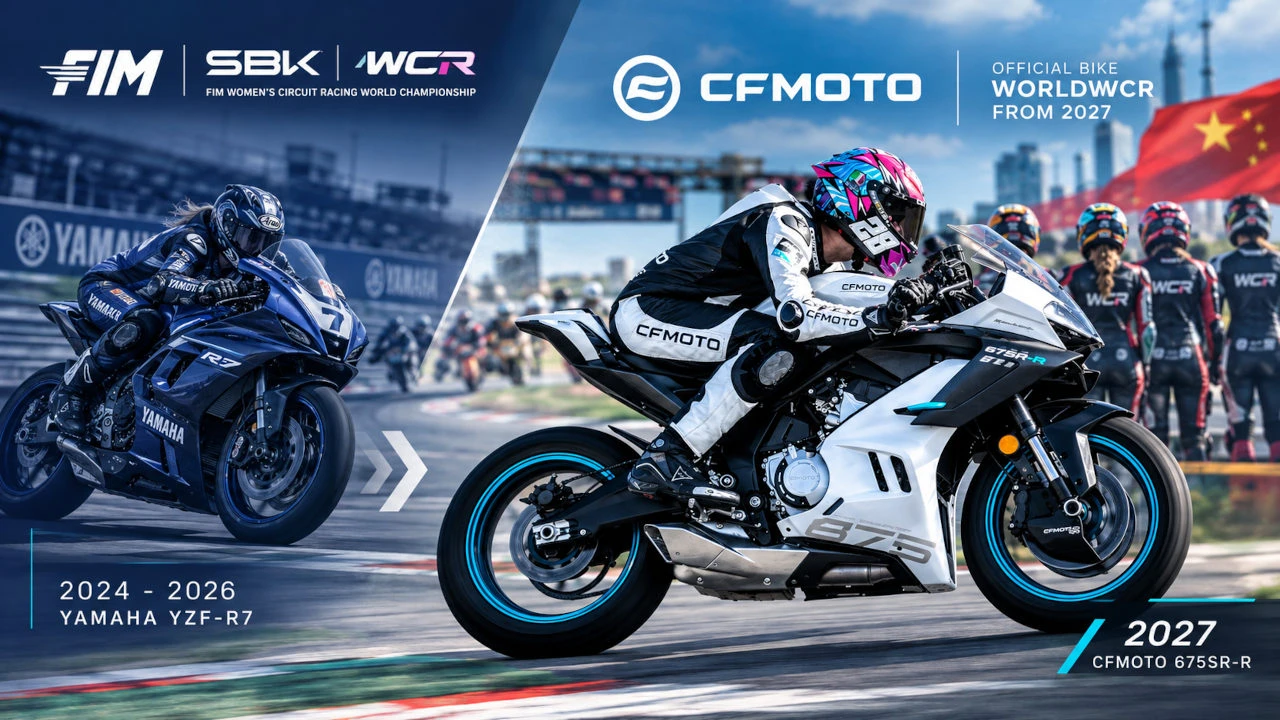
CFMOTO 675SR-R: Official Motorcycle of the WorldWCR Starting in 2027
-
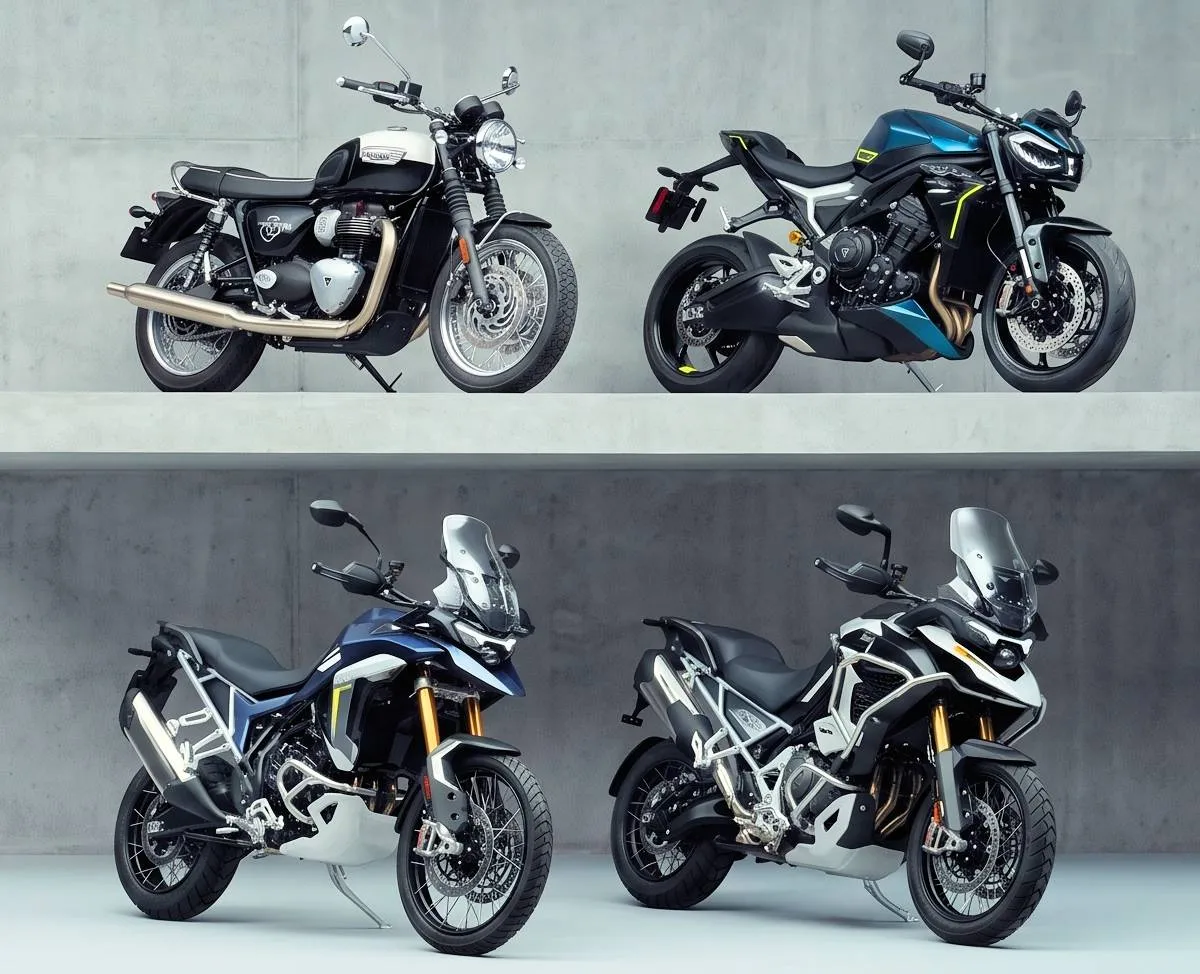
News on the Street Triple 798, Bonneville 400, Tiger 900, and Tiger 1200.
-
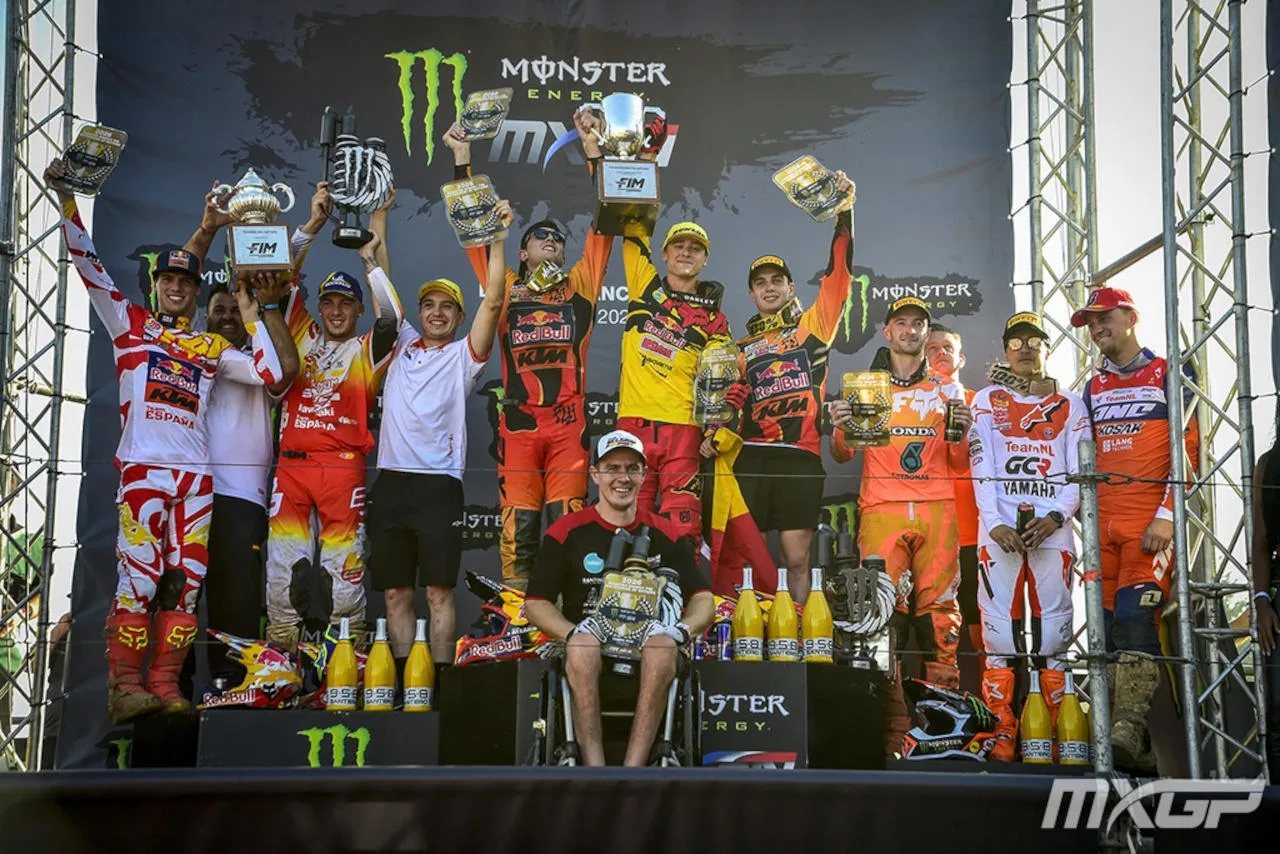
2026 MXoN in Ernée: Belgium Wins, France Falls
-
Furygan offers an airbag vest designed specifically for women.
-
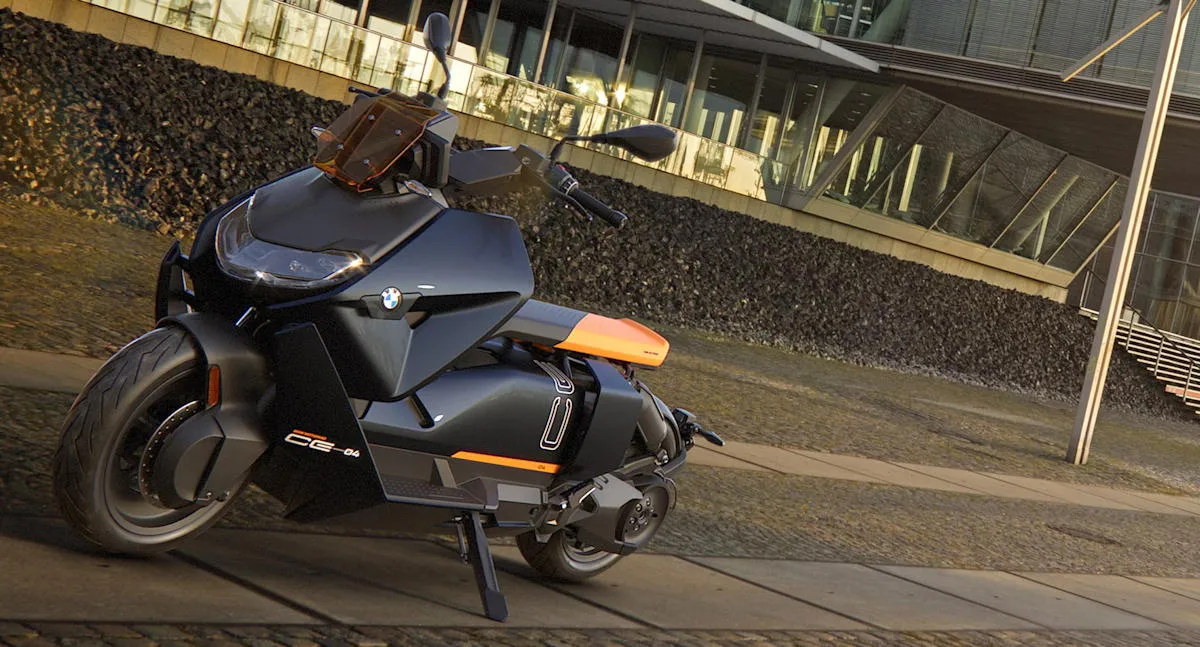
Top 10 Best Scooters of 2026: Our Complete Ranking.
-
Motorcycle Intercoms—A Practical Guide to Choosing the Right One for Your Needs.
-
HJC is gearing up for a big year in 2027, with eight new helmets.
-
Triumph succeeded BSA in the Motocross World Championship.
-
BMW S1000RR Recall Alert: Risk of Engine Shutdown
-
The new motorcycle models of 2026 and the evolutions.

Bikers' reviews Leave a review