
Motorcycle specifications Yamaha R1 1000 2022 The power of competition


presentation of the R1 1000 2022
Always a popular, high-performance machine, the R1 starts a new season. The competition is picking up steam(ZX10-R, CBR 1000 RR-R, M 1000 RR) or dropping out of competition in favor of another stratum of performance (RSV4 1100). The WSBK and high-calibre championships are in his sights. In this high-speed world, time has marked a milestone for the Yamaha in 2020 - with a number of small changes.
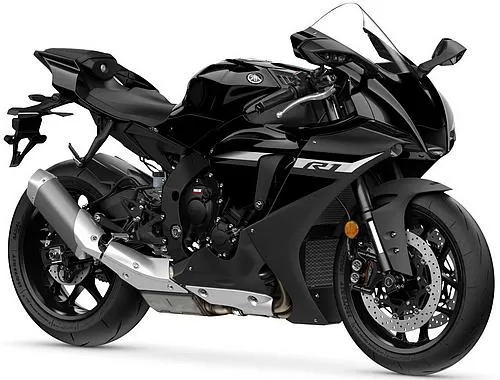
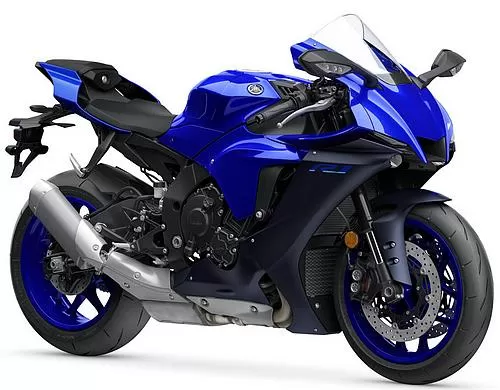
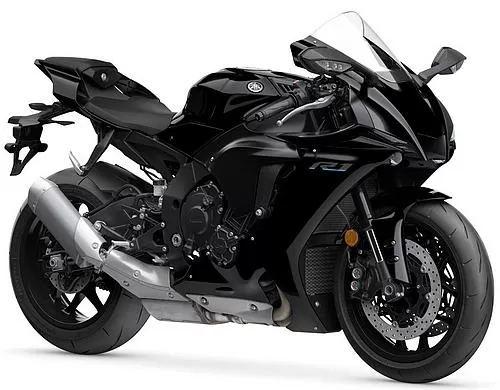
Especially on the technical side. The list is long, and the new features will delight fans of electronics. Design-wise, the R1 changes very little. Still very much inspired by the MotoGP M1, it simply makes a few tweaks to its front end and sides around the fuel tank. It takes a seasoned eye to see the differences. But the effectiveness is there: aerodynamic efficiency has been increased by more than 5%, which translates into greater performance at high speeds. New LED headlights and redesigned LED running lights further emphasize the look and character of this 2020 model. The fairing incorporates a new aluminum air duct at the rear for increased rigidity. The lower part of the fairing, which covers the exhaust system, is now made of titanium.
Beneath the surface, on the other hand, detail is far more prolix.
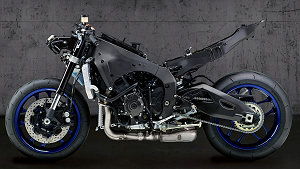
200 horsepower. This has been the norm for some time in this category. The crossplane engine still delivers them, with no increase since the previous generation, but that doesn't mean the engineers have been sitting on their hands: they've improved the 4-cylinder's performance at high revs with the adoption of new rocker arms and cam profiles that offer optimized valve lift, as well as more stable valve opening and closing at high revs. This ensures smoother, more efficient engine operation.
increased combustion efficiency

Other improvements include a redesigned exhaust system featuring 4 catalytic converters, with one pair located in front of the exhaust chamber and another pair at the rear. The muffler and engine heat shields are fitted with additional elements to limit noise.
The new R1 does, however, pay a price. It weighs 2 kilos.
increased engine efficiency
For greater engine efficiency and reduced power losses, the crankshaft lubrication circuit has been redesigned and now features larger crankshaft bearings. In addition, the oil pump uses a 10% more compact rotor. In the crankcase, resized oil ducts optimize pressure, while the pistons benefit from redesigned cooling nozzles.
The second gear sprocket is now wider for greater transmission efficiency, and the final drive chain has been strengthened by the use of thicker links. In addition, to improve cooling at the exhaust ports, a new arrangement of the cylinder head coolant duct has been determined.
ride-by-Wire APSG acceleration system for improved control
Yamaha's electronic throttle control system (YCC-T), which controls the intake valves, is retained for 2020. For improved throttle feel and reduced weight, the R1 benefits from a new APSG (accelerator handle with position sensor) system. A magnet/sensor device transmits its signals to the YCC-T. To maintain the intuitive feel of the throttle, the new APSG unit is equipped with a special spring, slide and gear. Handle rotation and acceleration remain natural and progressive for greater control and rider/machine interaction.
optimized suspension for improved feel
The R1's fork, a Kayaba with a diameter of 43 mm and a stroke of 120 mm, is considered one of the best in its class, and its components have been modified to improve rider feel. The new damping valves are arranged in a stack, and this feature, combined with lower spring rate and a revised fork oil level, gives the rider more precise information on the rolling surface. The result is more direct, more natural control of the machine.
A modified steering damper and new rear damper settings further enhance the R1 2020's chassis performance.
braking and handling
The dual 320 mm front discs with monobloc calipers are renowned for their power and superb braking feel. For 2020, brake pads with a new friction material enhance braking power. The latest Bridgestone Battlax RS11 tires deliver exceptional traction and precise feel, enabling the rider to push his limits even further.
state-of-the-art electronic control technology
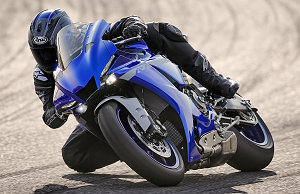
For 2020, the hypersport benefits from two new technologies that further enhance its on-track potential.
brake Control System (BC) - cornering ABS
The Brake Control (BC) system allows the rider to select one of two ABS modes (BC1 and BC2), according to personal preference and riding conditions.
BC1 mode offers a constant ABS setting, while BC2 mode adjusts according to the angle of inclination and the machine's grip. In BC2 mode, ABS sensitivity increases as the angle of inclination increases, boosting confidence and control when cornering.
Front and rear wheel speed data, as well as information from the inertial measurement unit (IMU), such as bank angle and slippage, are transmitted to the hydraulic control unit and the ABS electronic control unit, which perform calculations in real time. This information then enables the brake control unit to prevent wheel lock-up by modulating hydraulic pressure in the front and rear brake circuits.
engine brake management system (EBM)
Another of the R1's electronic technologies is its Engine Brake Management (EBM) system, which allows the rider to choose from three levels of braking force (high - medium - low) to suit a wide variety of riding situations and personal preferences. Using data from various sensors, including gear engaged, engine speed, throttle position and throttle position, the ECU adjusts throttle opening, ignition timing and injection volume to control the level of engine braking. EBM1 offers the highest engine braking force, EBM3 the lowest.
modified starting assistance (LCS)
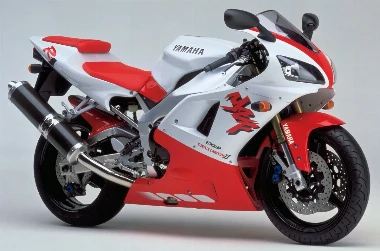
Taking into account the BC and EBM, as well as the modified LCS, the 2020 R1 has a total of 7 electronic driver assistance systems and control functions. The rider has greater peace of mind, and can tailor the machine exactly to his requirements. Each electronic system integrates seamlessly with the others to provide a natural, intuitive feel.
full TFT instrument panel
The TFT LCD screen now features the new brake control (BC) and engine brake management (EBM) functions.
yamaha R1 2020 features
- Optimized fairing
- Aerodynamic efficiency increased by over 5%
- Optimized suspension for improved feedback from the ground
- 2-mode ABS (BC) for cornering braking
- 3-mode engine brake management system (EBM)
- Optimized Launch Control System (LCS)
- Ride-by-Wire APSG acceleration system
- Improved performance and combustion efficiency at high engine speeds
- Optimized braking
- Optimized steering damper settings
- Bridgestone Battlax RS11 tires
- Optimized TFT instrumentation with BC and EBM indicators
- EU5-compliant engine
yamaha 1000 R1 key features
- 998 cm³, 200 hp 4-stroke crossplane engine
- Linear torque distribution
- State-of-the-art electronic control systems
- 6-axis IMU inertial unit with Gyro/G sensors for true 3D motion measurement
- Power modes (PWR)
- Traction Control System (TCS) / Rear wheel slip on angle (SCS)
- Rollover control (LIF) and starting assistance (LCS)
- Quick Shift System (QSS)
- Compact aluminum Deltabox frame
- Up-curved banana-type swingarm / magnesium rear loop
- Magnesium wheels and 17-liter aluminum fuel tank
- Four power selection modes (PWR)
- TFT LCD instrument panel
Photo credits: Yamaha
by Greg

Greg is the founder of Motoplanete—a website created in 2001 to share his passion with his friends and showcase as many motorcycle models as possible to his readers. Self-taught and a jack-of-all-trades, his discovery of the world of motorcycles led him to work as a photographer, rider, team manager, web developer, graphic designer, editorial assistant, and editor-in-chief.
 Share
Share
Key facts Yamaha R1 1000 (2022) : What you need to know before you buy
Prices
| Basic version | |
|---|---|
 France France |
19,999€
|
 United States United States |
$18,399
|
 Spain Spain |
23,099€
|


Performance
- Max speed : approximately 300 km/h (186.40 mph)
- Average fuel consumption : 7.20 liters/100km (0.33 mpg)
-
Estimated range
: 236 km (147 miles)
Calculated range until tank is empty, not verified.
History
Specifications Yamaha R1 1000 2022
- Chassis
- Frame : diamond aluminum perimeter
- Fuel capacity : 17 liters (4.49 US gallons)
- Seat height : 855 mm (33.66 in)
- Length : 2,055 mm (80.91 in)
- Width : 690 mm (27.17 in)
- Min height : 1,165 mm (45.87 in)
- Wheelbase : 1,405 mm (55.31 in)
- Weight when fully loaded : 201 kg (443 lb)
- Front axle
- Reverse telehydraulic fork Ø 43 mm, Wheel travel : 120 mm (4.72 in)
- Braking 2 discs Ø 320 mm (12.6 in), radial mounting, 4-piston caliper
- Front tire : 120 / 70 - 17 → Order this type of tire
- Transmission
- 6 stage gearbox , manual - shifter as standard
- Secondary by chain
- Rear axle
- Mono-damper, Wheel travel : 120 mm (4.72 in)
- Braking 1 disc Ø 220 mm (8.66 in), single-piston caliper
- Rear tire : 190 / 55 - 17 → Order this type of tire
- Motor
- 4 cylinders online , 4 strokes
- Injection
- Cooling system : liquid
- 2 ACT
- 4 valves per cylinder
- 998 cc
- 200 ch (197.20 hp) to 13,500 rpm
- 11.60 mkg to 11,500 rpm
- Power-to-weight ratio : approximately 0.94 kg/ch
- Weight / torque ratio : approximately 16.05 kg/mkg
- Compression : 13 : 1
- CO² emissions: 168 g/km
- Standard equipment
- Brake assist : ABS as standard
- Practical information
Essentials

 Motoblouz
 LaBécanerie


Gallery




Used
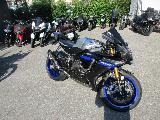
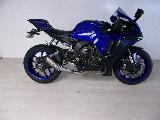
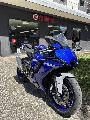
Find this used R1 1000 on MotoPlanete




Compare the R1 1000 to its competitors
Price
Acceleration
Fuel consumption
Range
Torque
Power
Power-to-Weight ratio
Torque-to-Weight ratio
Speed
CO² emissions
FAQ Your frequently asked questions about the R1 1000 2022
- What is the power of the R1 1000?
-
The R1 1000 2022 develops a power of 200 ch (197.20 hp)
- What is the torque of the R1 1000?
-
The maximum torque of the R1 1000 2022 is 11.60 mkg to 11,500 rpm.
- What is the maximum speed of the R1 1000?
-
The R1 1000 2022 is capable of reaching a top speed of approximately 300 km/h (186.40 mph) on the track.
- What is the weight of the R1 1000?
-
The R1 1000 2022 has a a weight when fully loaded of 201 kg (443 lb).
- What is the fuel consumption of the R1 1000?
-
Average fuel consumption is estimated at 7.20 l/100km (0.33 mpg) according to the WMTC cycle.
- QWhat is the seat height of the R1 1000?
-
To ensure good accessibility, the R1 1000 2022 offers a minimum seat height of 855 mm (33.66 in).
- What is the price of the R1 1000?
-
The price of the R1 1000 2022 is $18,399 in the United States. It is displayed at 19,999€ in France and at 23,099€ in Spain.
- What size tires should I put on my R1 1000?
-
The standard size for a R1 1000 2022 is 120 / 70 - 17 for the front, and 190 / 55 - 17 for the rear.
- Where can I find high-quality used R1 1000s?
-
You can find used R1 1000 at great prices on MotoPlanete, in the section dedicated to them—models from professionals and private sellers, as well as spare parts.
News
-
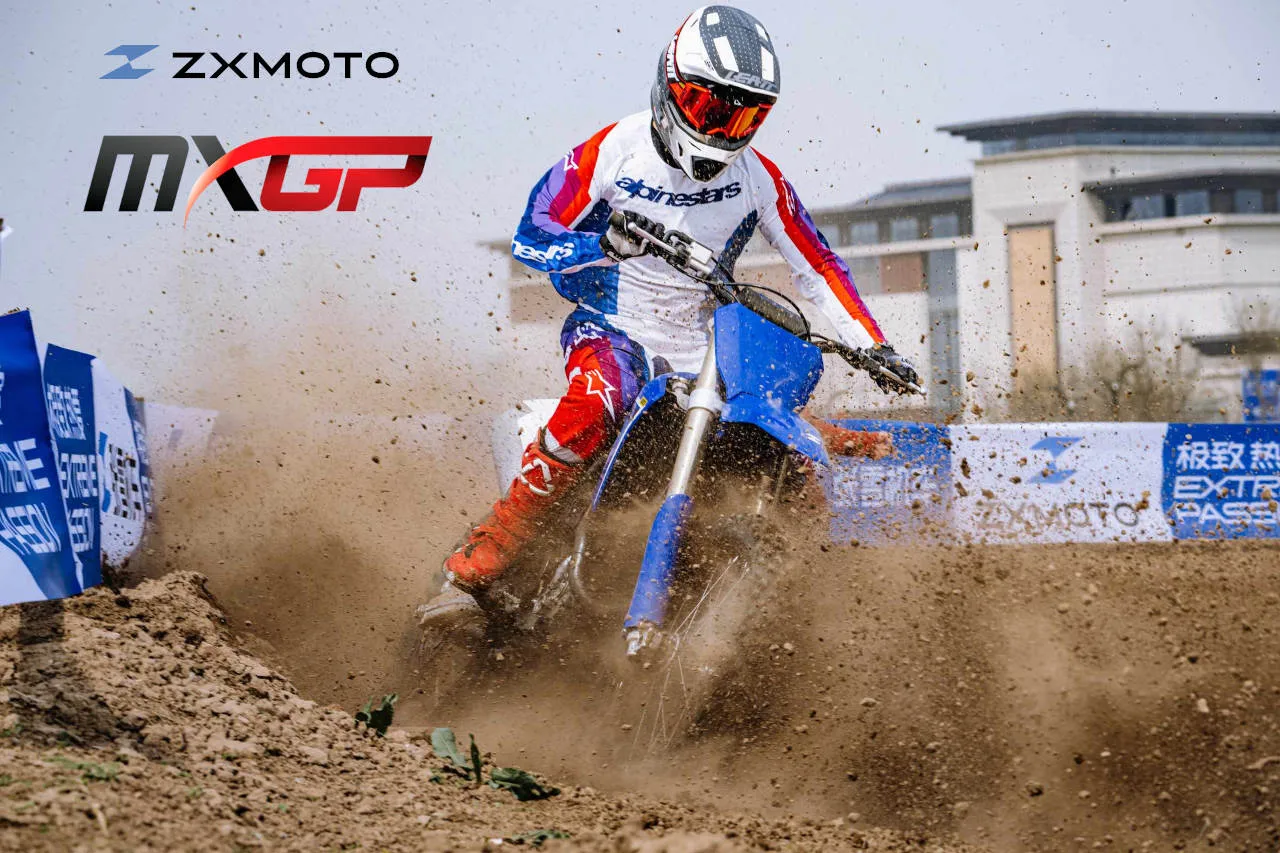
ZXMoto in MXGP 2027: The Hypothesis of an Off-Road Earthquake
-
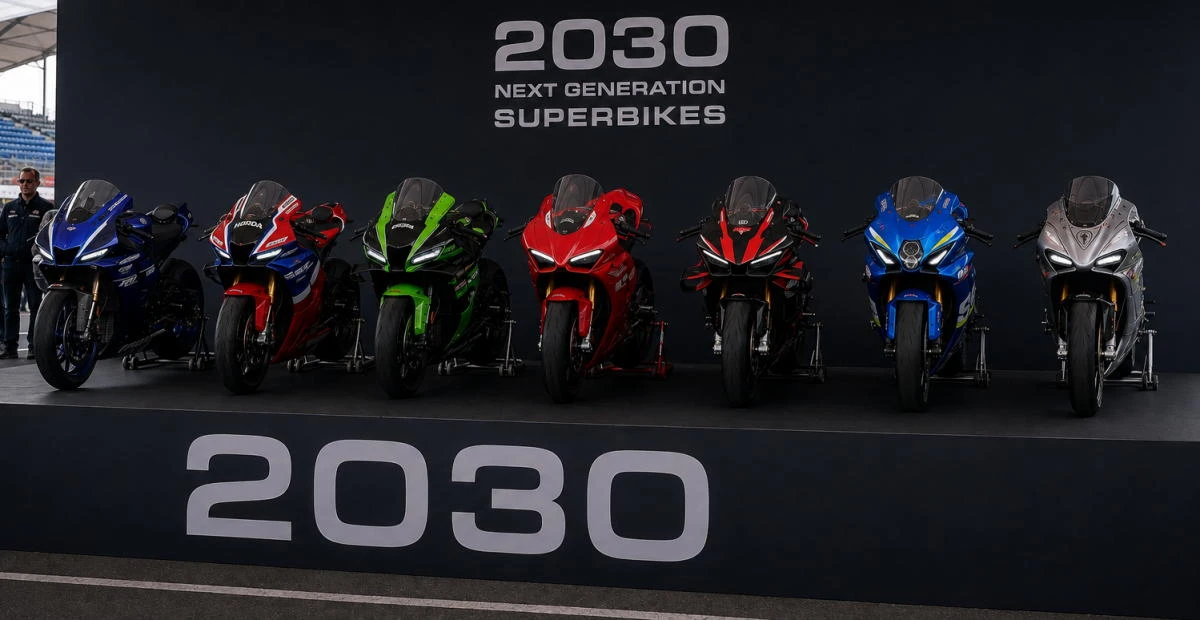
Superbike - Will 240 ch sport bikes soon be available at dealerships?
-
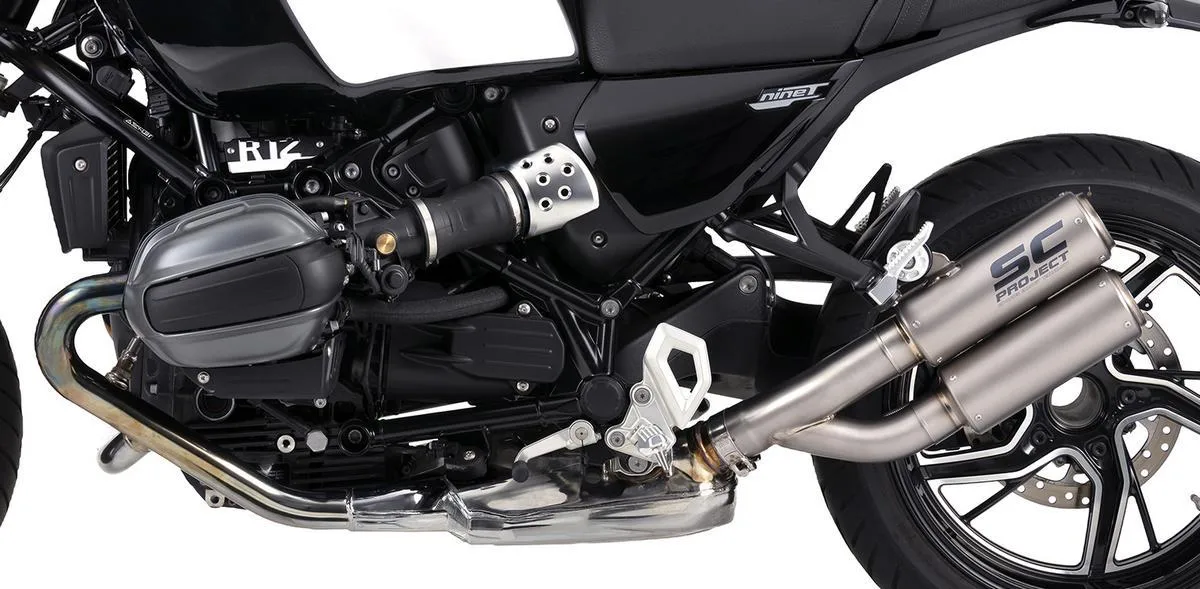
2 new SC-Project mufflers for the R 12 NineT and G/S.
-
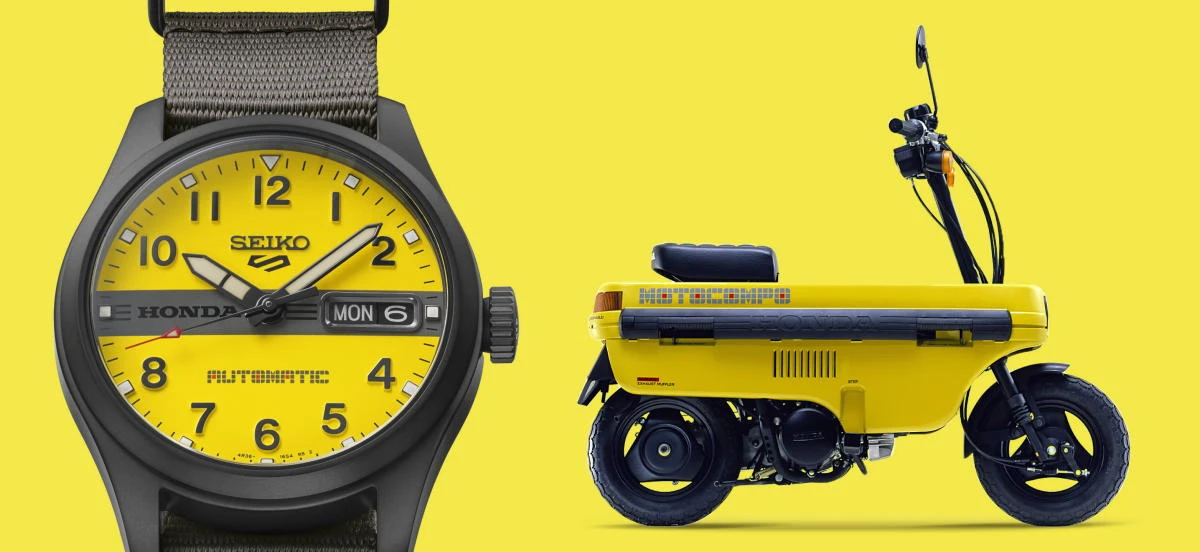
Seiko unveils a watch inspired by the Honda Motocompo.
-
A new Funky Diablo design for the HJC Rpha 1 Carbon.
-
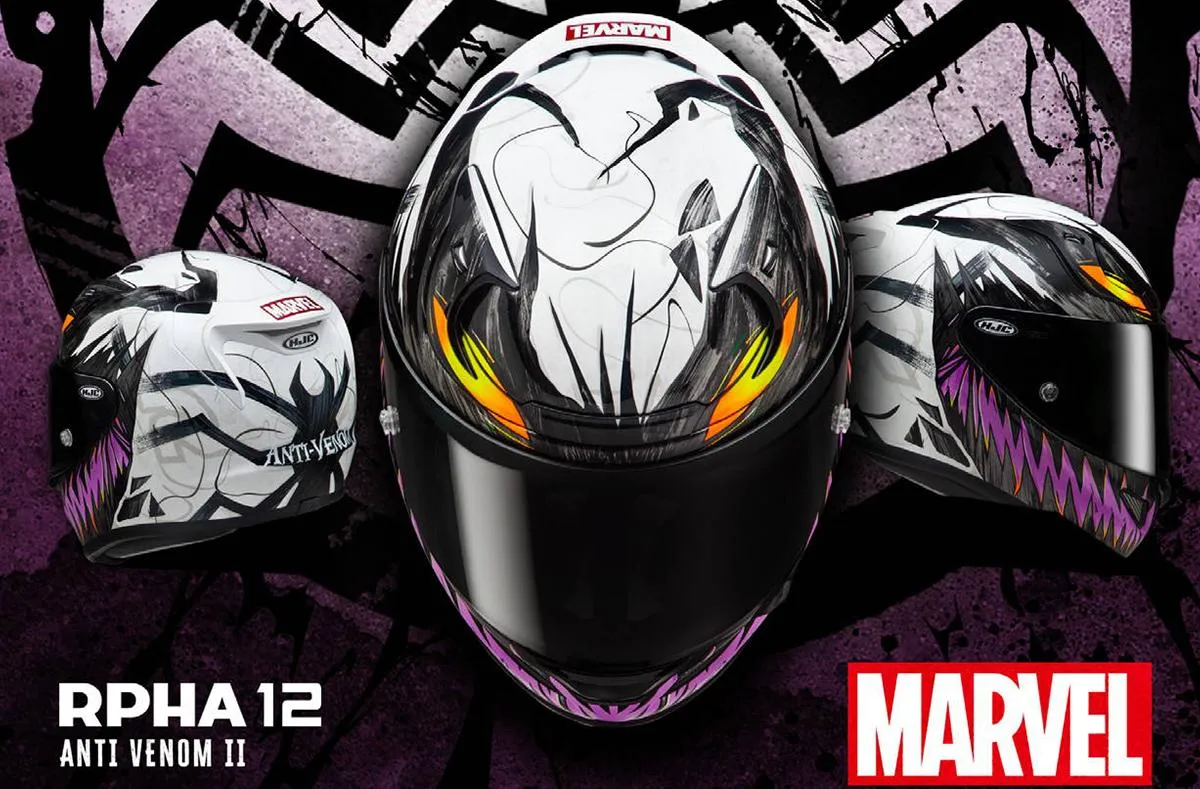
HJC teams up with Marvel again with its RPHA 12 Anti-Venom II full-face helmet.
-
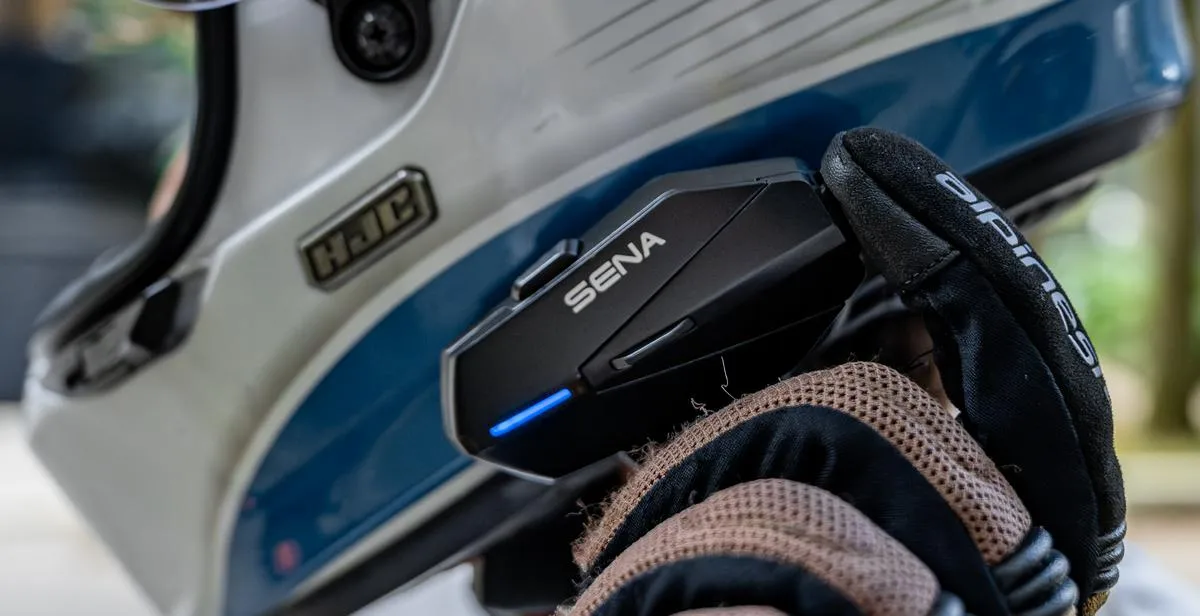
Sena is betting on removable batteries for its Apex intercoms.
-
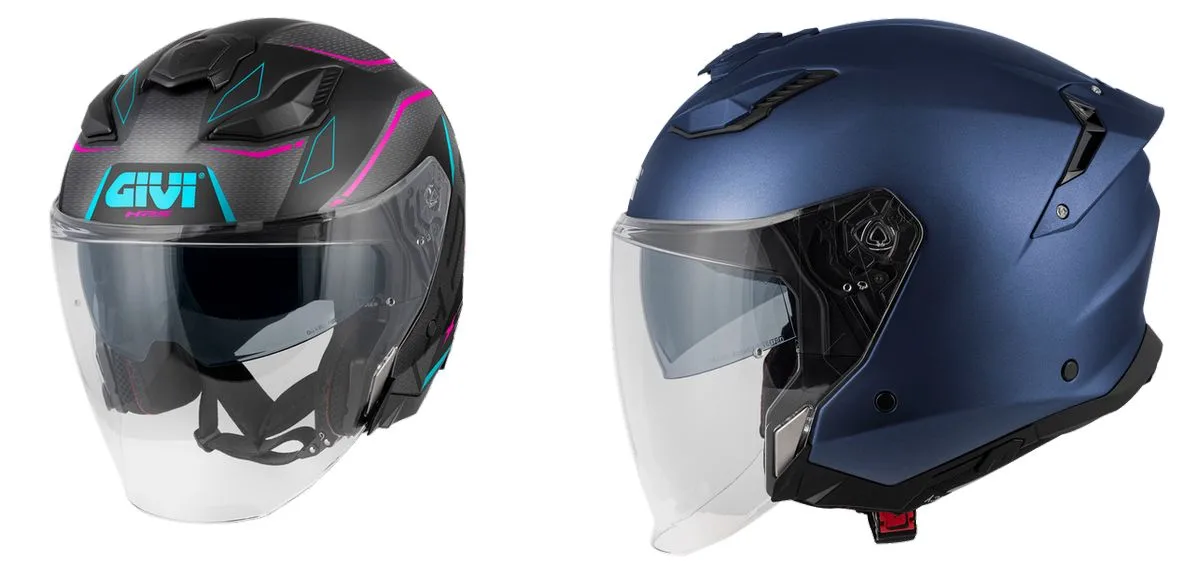
GIVI is launching the X31, its new composite-fiber open-face helmet.
-
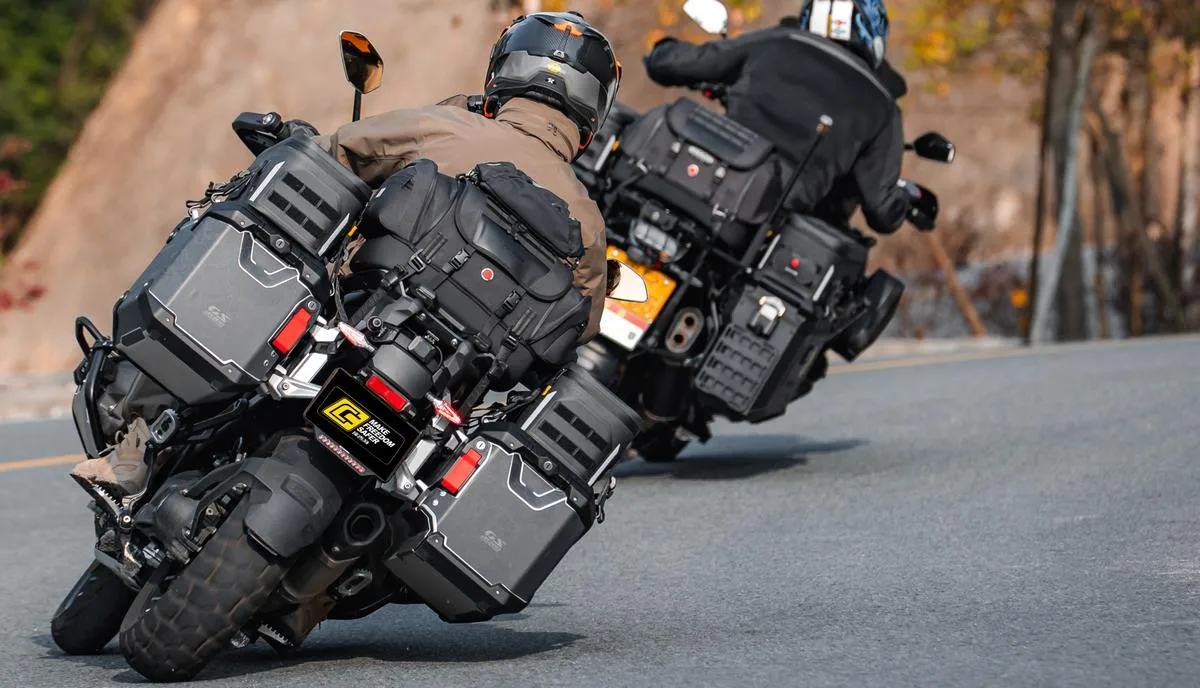
Cokima is expanding its travel offerings with its carry-on luggage and the CK-3+.
-
The new motorcycle models of 2026 and the evolutions.

Bikers' reviews Leave a review - 5 reviews
Very good bike for the track, agile, fast and brakes well, but completely unsuitable for the road: the 1st gear pulls far too long, the CP4 engine shrivels and spins "square" under 3000-4000 rpm when you're on the throttle.
On the other hand, with more throttle and from 4000 rpm onwards, the engine balances out and wakes up, suddenly revving up to max power!
A good bike ..... for the track only, since it's not designed for gentle riding.
Rating : 4/5 Respond to R1FREDERIC74