
Motorcycle specifications MV-Agusta F4 1000 R 2011 Going beyond perfection


presentation of the F4 1000 R 2011
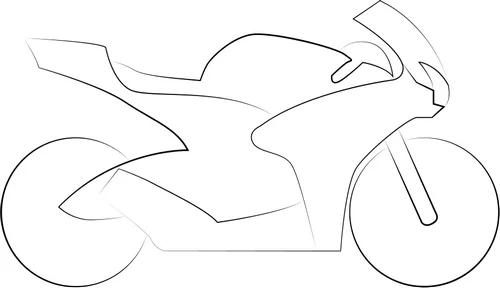
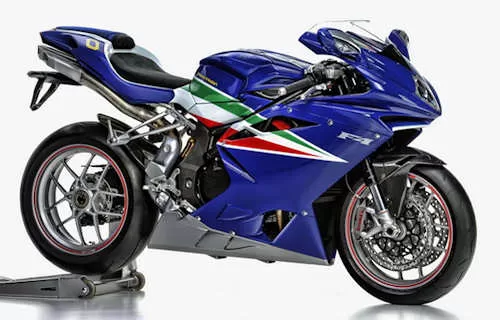
the pencil stroke is discreet, almost too timid. Why is the designer's hand paralyzed, his back sweaty and his brain in agony? Quite simply because he's redesigning one of the most sumptuous motorcycles in history: the MV-Agusta F4. Many thought that Massimo Tamburini's work would remain frozen in marble on the altar of sport...
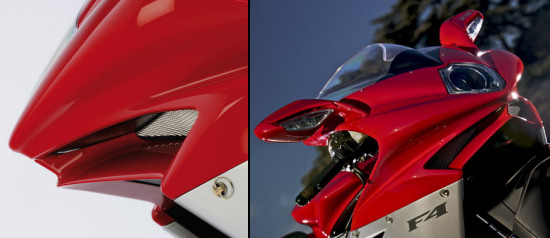
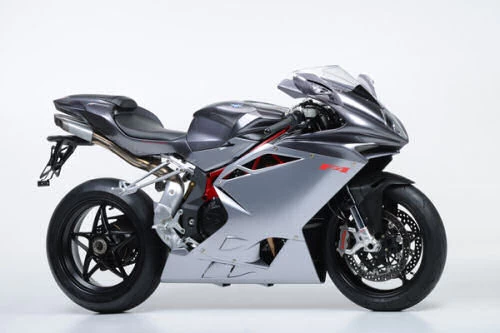
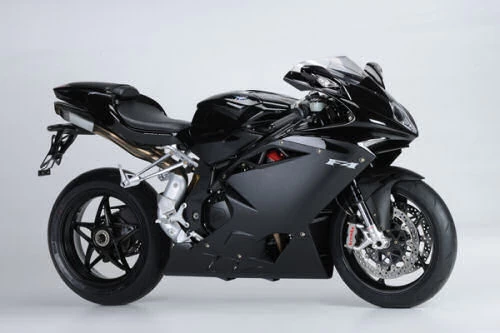
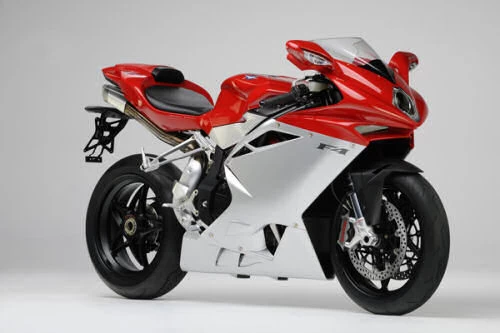
they were wrong. The sports car from Varese has been revised from top to bottom. But there was no question of upsetting the silhouette, which had become so mythical that it became the automaker's identity. So we had to apply ourselves, measure every gesture, and come up with a new version that was both different and identical. The new F4 takes up this impossible challenge. More protruding, more vivid in its details, the 2010 version appears to be no more than a slight evolution. Reworked headlamps, more prominent air intakes, fairing panels with larger air vents, slightand above all, the sublime flutes under the seat are no longer exhaust organs, but take on a more modern, square shape, confusing but not without charm. Equipped with Plexiglas LEDs, the turn signals are highlighted by a small cap integrated into the retro.
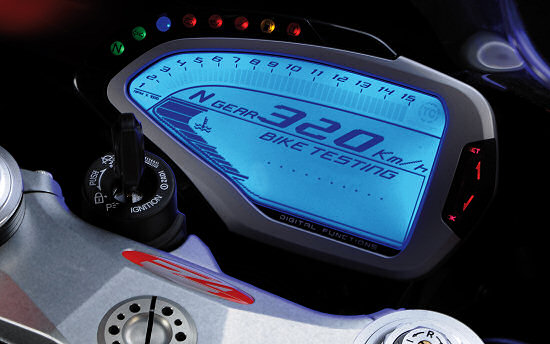
Under the bubble, the song is different. The dashboard has changed completely. It's now an XL-sized, fully digital, 2D-type speedometer. It provides a wealth of information on the machine's constants. So much for form. Those who look beyond the glamour are in for more technical progress.
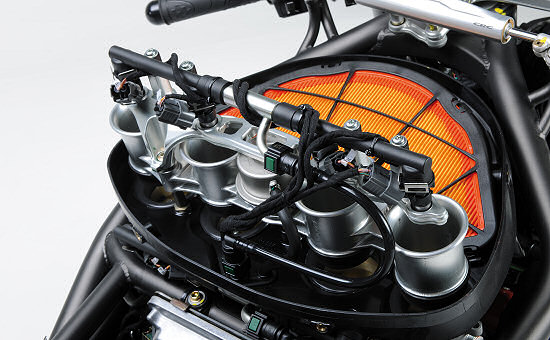
same displacement, same internal dimensions, the only difference between the 4-cylinder and the 4-cylinder is the red cylinder head cover... Think again! MV-Agusta has developed its boiler so much that the factory considers it to be a completely new engine. From the redesigned, stronger connecting rods to the intake ducts and crankshaft, whose inertia has been increased by 50%. Oh, and here's something interesting: the 2010 F4 features variable intake by modifying the height of the ducts. Popularized by the Yamaha R1, this system was first used on the F4 1000 Tamburini in 2005. The Italian manufacturer took its time in introducing this system to its range. Since breathing is just as important for a grinder as it is for us, the expansion tank and tension regulator have been moved to make more room for the airbox, which contributes in part to the 2010 F4's power increase: 186.3 hp, achieved at slightly higher revs than before.
Electronics invade the F4 2010. It is equipped with a Marelli 7BM ECU. In other words, advanced engine management incorporating Traction Control and a system that adapts injection mapping according to the gear ratio engaged. The brand has also (and at last) taken the time to integrate a coded key anti-theft system.
Let's concentrate on the heart of the engine, and on the F4's biggest weakness: reliability. Lubrication has been greatly optimized, with a more compact and efficient oil pump. The water pump has been lightened by 60g, delivering 65% more flow. Let's hope that these developments will reduce the number of interventions required on the F4, because in competition, the beauty loses its superb looks, with the risk of water pump seizure and engine tightening being as inopportune as they are unpredictable. A machine designed in the image of competition, it only shines if you don't expose it to it for too long.
demanding as it is on the rider, the new F4 is designed with him in mind, offering a new ergonomic design, with a shorter, narrower... and lighter chassis. What will attract his attention most is the efficiency of the new frame. At first glance, it's impossible to distinguish the differences with the 2009. Yet the tubes have been modified in diameter and thickness. The swingarm is also new, lengthened by 20 mm and repositioned to provide greater traction. The rear moving assembly has shaved 1.2 kg. And that's not all: 1.2 kg have been saved on the fuel tank, and the same goes for the rims (they take on the star shape of the first F4s). 3 kg have been saved on the trim.(300g for the windscreen alone), 600g on the gearbox casing, and a further 1.6kg on the alternator - all in all, the F4 has lost 10kg.

s, R, 312 R, 1080 CC, Senna, Tamburini... There are countless versions of the F4 1000. This 2010 version is the first in the series to dare to redesign. It's more efficient, lighter and more powerful, just to stay at the top of its game. Now it's time to prove itself on the racetrack, and the competition won't do it any favors. Superbikes will earn it the respect of sportsmen and women, while endurance racing will be more demanding and merciless on its mechanics.
M.B
(manufacturer's photos)
by Greg

Greg is the founder of Motoplanete—a website created in 2001 to share his passion with his friends and showcase as many motorcycle models as possible to his readers. Self-taught and a jack-of-all-trades, his discovery of the world of motorcycles led him to work as a photographer, rider, team manager, web developer, graphic designer, editorial assistant, and editor-in-chief.
 Share
Share
Key facts MV-Agusta F4 1000 R (2011) : What you need to know before you buy
Highlights
- Complete upgrade
- Daring a facelift
- More power
Weak points
- Heavyweight sportswoman
- Not enough of a facelift
- Improved reliability?
Prices
| Basic version | |
|---|---|
 France France |
18,500€
|


Performance
- Max speed : 305 km/h (189.50 mph)
Specifications MV-Agusta F4 1000 R 2011
- Chassis
- Frame : Chromium-molybdenum steel tube mesh
- Fuel capacity : 17 liters (4.49 US gallons)
- Seat height : 860 mm (33.86 in)
- Length : 2,100 mm (82.68 in)
- Width : 750 mm (29.53 in)
- Wheelbase : 1,430 mm (56.30 in)
- Dry weight : 192 kg (423 lb)
- Front axle
- Reverse telehydraulic fork Ø 50 mm, Wheel travel : 120 mm (4.72 in)
- Braking 2 discs Ø 320 mm (12.6 in), radial mounting, 4-piston caliper
- Front tire : 120 / 70 - 17 → Order this type of tire
- Transmission
- 6 stage gearbox , à cassette
- Secondary by chain
- Rear axle
- Monoshock rear suspension, Wheel travel : 120 mm (4.72 in)
- Braking 1 disc Ø 210 mm (8.27 in), 4-piston caliper
- Rear tire : 190 / 55 - 17 → Order this type of tire
- Motor
- 4 cylinders online , 4 strokes
- Injection Ø 49 mm
- Cooling system : liquid
- 2 ACT
- 4 valves per cylinder
- 998 cc
- 186 ch (183.40 hp) to 12,900 rpm
- 11.40 mkg to 9,500 rpm
- Power-to-Weight Ratio : 1.05 kg/ch
- Torque-to-Weight Ratio : 16.84 kg/mkg
- Compression : 13 : 1
- Practical information
Essentials
 Motoblouz
 LaBécanerie


Gallery


Models
2011
2010
Used


Compare the F4 1000 R to its competitors
Compared to its 8 direct competitors, this F4 1000 R offers an appealing positioning, managing to stand out in certain specific areas. It stands out with top speed of 305 km/h. Its torque-to-weight ratio of 16.84 kg/Nm limits its punch at low revs.
Acceleration
Fuel consumption
Range
Torque
Power
Power-to-Weight ratio
Torque-to-Weight ratio
Speed
FAQ Your frequently asked questions about the F4 1000 R 2011
- What is the power of the F4 1000 R?
-
The F4 1000 R 2011 develops a power of 186 ch (183.40 hp)
- What is the torque of the F4 1000 R?
-
The maximum torque of the F4 1000 R 2011 is 11.40 mkg to 9,500 rpm.
- What is the maximum speed of the F4 1000 R?
-
The F4 1000 R 2011 is capable of reaching a top speed of 305 km/h (189.50 mph) on the track.
- What is the weight of the F4 1000 R?
-
The F4 1000 R 2011 has a a dry weight of 192 kg (423 lb).
- QWhat is the seat height of the F4 1000 R?
-
To ensure good accessibility, the F4 1000 R 2011 offers a minimum seat height of 860 mm (33.86 in).
- What is the price of the F4 1000 R?
-
The price of the F4 1000 R 2011 is 18,500€ in France
- What size tires should I put on my F4 1000 R?
-
The standard size for a F4 1000 R 2011 is 120 / 70 - 17 for the front, and 190 / 55 - 17 for the rear.
News
-
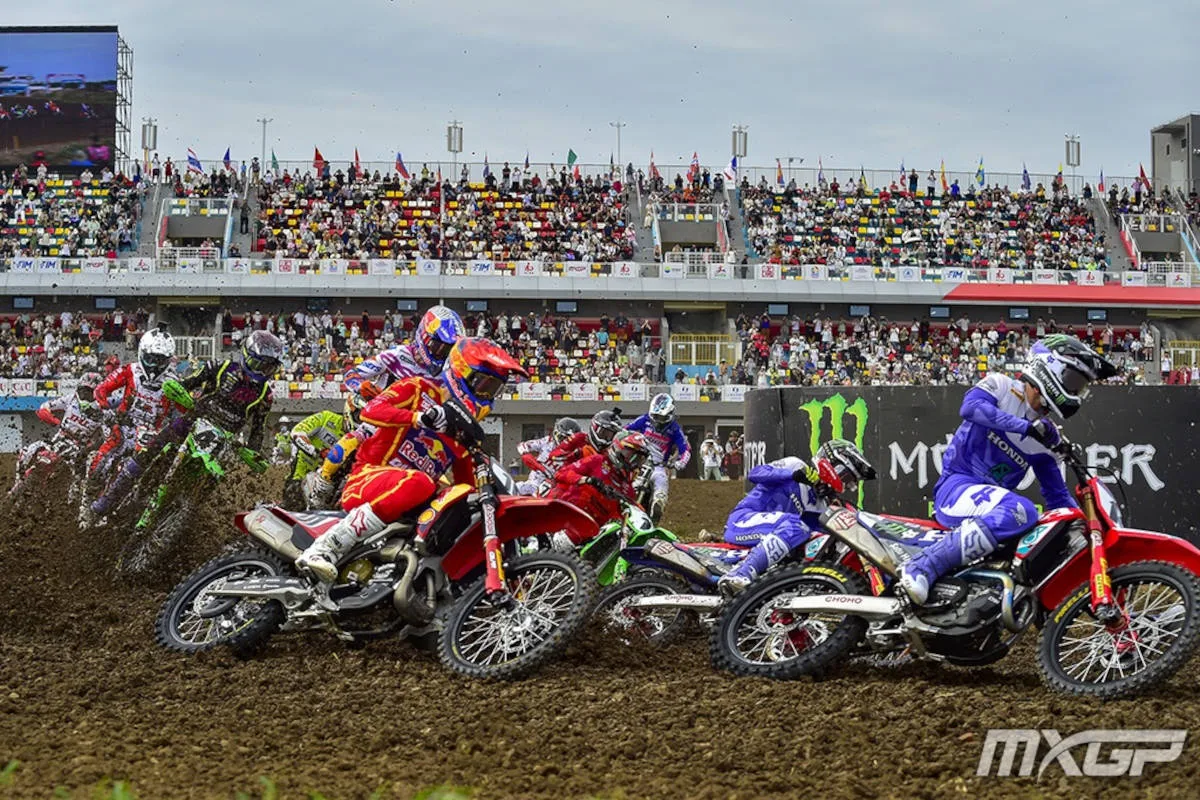
2026 MXGP of China: Herlings Unbeatable, McLellan Delays the MX2 Title
-
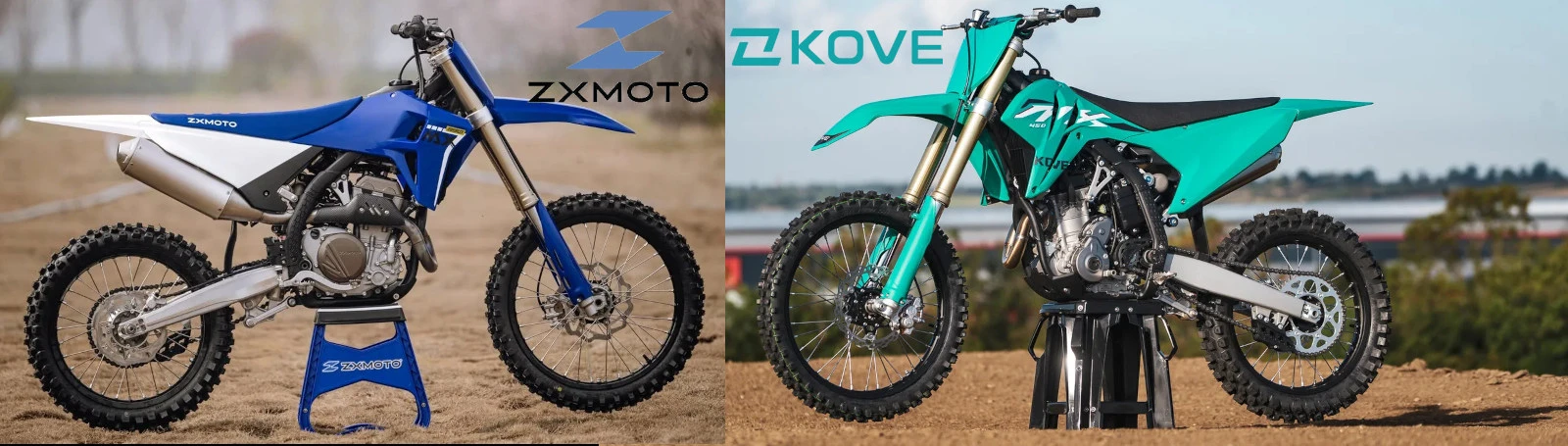
MXGP 2027: Kove and ZXMoto Join the Championship
-
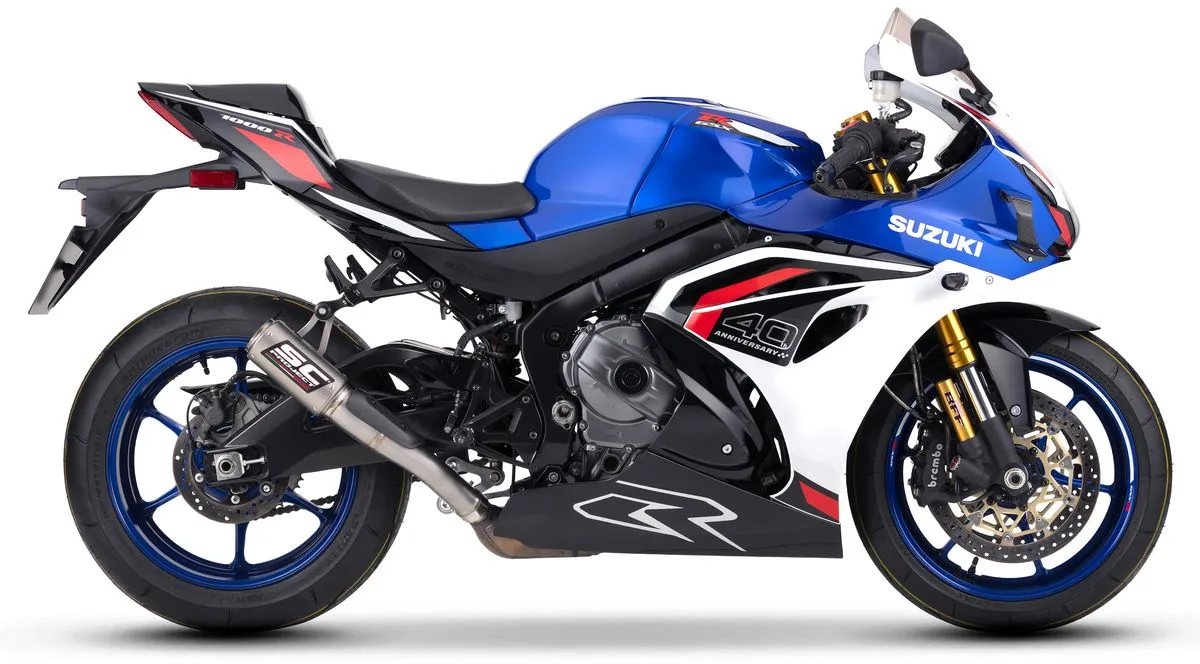
SC Project is working on the 2026 Suzuki GSX-R1000R.
-
2026 MXGP of Turkey: Herlings Crowned World Champion!
-
Moto Guzzi: In Mandello, the historic factory is taking on a new scale.
-
ZXMoto in MXGP 2027: The Hypothesis of an Off-Road Earthquake
-
Superbike - Will 240 ch sport bikes soon be available at dealerships?
-
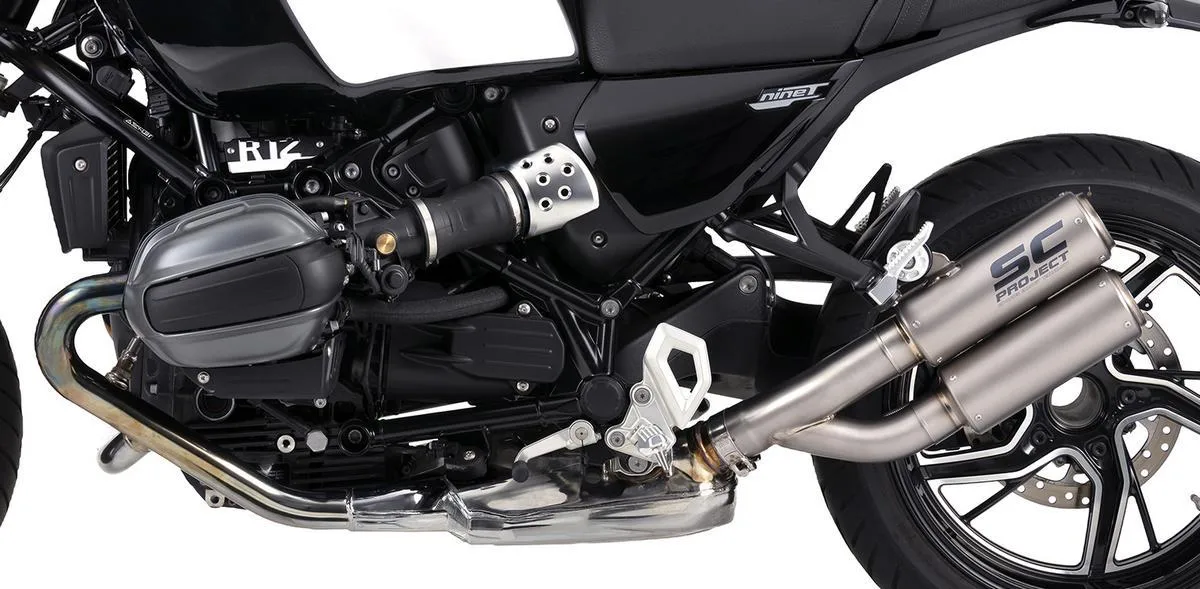
2 new SC-Project mufflers for the R 12 NineT and G/S.
-
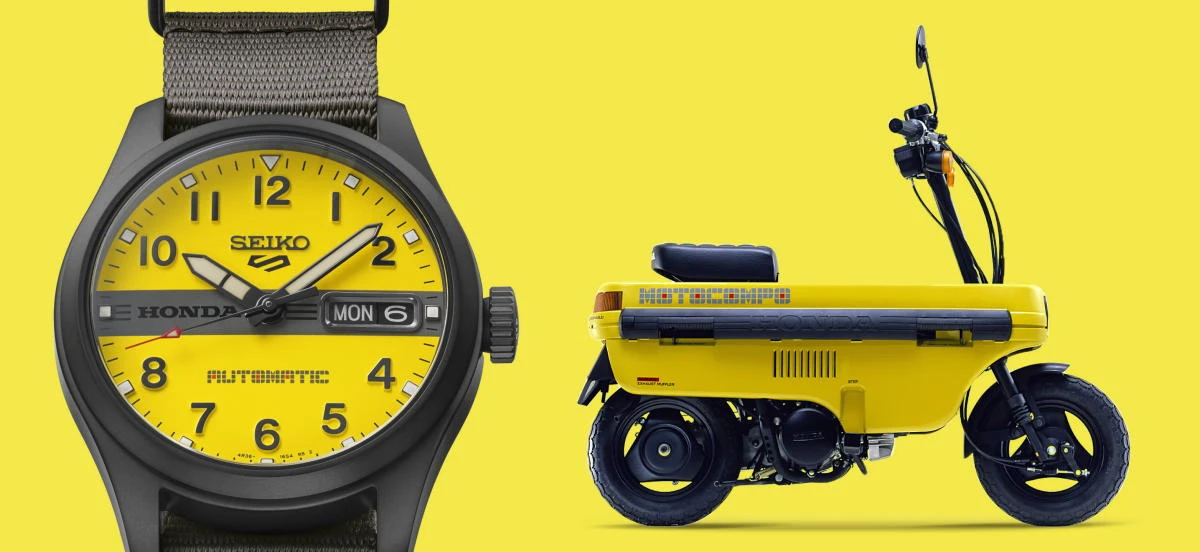
Seiko unveils a watch inspired by the Honda Motocompo.
-
The new motorcycle models of 2026 and the evolutions.

Bikers' reviews Leave a review