
Motorcycle specifications Bimota 1000 KB4 2024 A swift Dolce Vita


presentation of the 1000 KB4 2024
Bimota is one of Italy's most renowned craftsmen. Its sport bikes forged its reputation until the Japanese succeeded in developing chassis that were (almost) as good. Gradually falling into disrepair, despite some top-class machines, the brand owes its salvation to a takeover by Kawasaki.
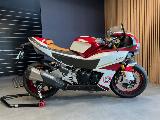
So it's only natural that the KB4 should feature an Akashi chassis. And what a dress it is! Bimota, in turn, offers an interpretation of neo-retro, with a singular sportbike whose shapes are out of this world. It's a far cry from the svelte Delirio or DB7. And yet, as always, Rimini's design leaves no one indifferent, distilling charm for those who take the time to appreciate it.
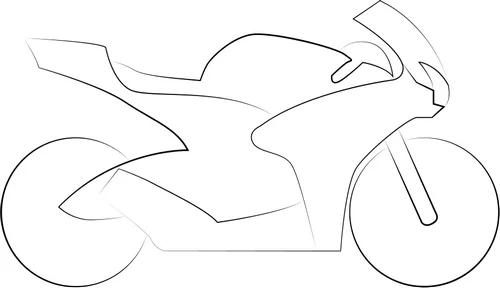
This sequence of waves and nostalgia conceals a function that clearly guided the designer's line. For aerodynamic optimization? To hide a high-tech aerospace frame? To boost the engine?
*To cool it! Is the block really that special? No, but let's find out before we find out why the KB4 is so special.
So, Kawa took over Bimota. From there, Bimota is powered by........ the 4-cylinder of the Z 1000 SX. A somewhat surprising choice, since the brand's DNA would have left us dreaming of a hairier boiler, like a ZX-10R powder keg. But the choice is justified: the KB4 is not a hypersport, more a civilized sports bike - for enlightened enthusiasts with solid salaries.
The well-known engine used by many Kawa models (several generations of Versys 1000, Ninja Z 1000 SX, and Z 1000) is transplanted unchanged into the Italian. No special preparation or exhaust is required, so its power is identical even when changing continents. A KB4 moves with 142 hp at 10,000 rpm, accompanied by 11.3 mkg of torque at 8,000 rpm. This powertrain is already smooth and responsive in the SX. But the Bimota weighs some forty kilos less. And that can make a big difference. Freed from the equivalent of a fridge between the legs, the watts will be able to express themselves with much greater gusto.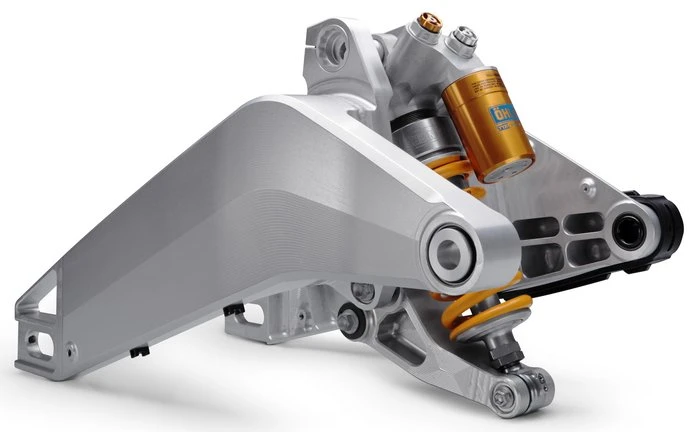
Around this frame, a number of ducts have attracted curiosity, and the shapes are loaded from bow to stern. *Why do they do this? To bring air to the radiator, which is located not in front of the engine but under the seat. An intriguing but not new scheme: Benelli used it on its 900 and 1130 Tornado sports bikes. Thanks to the space freed up at the front, the engine can be placed as far forward as possible, allowing a short wheelbase.
A Bimota is also a collection of beautiful parts - enough to spend long moments admiring them, even before starting off. On the KB4, the eye lingers on the many carbon and aluminum components. Then the senses become tense when it comes to the quality of the chassis' peripherals. With Oz forged-aluminum wheels, Brembo Stylema brake calipers, an Öhlins NIX 30 43 mm inverted fork, a TTX36 shock absorber also by Öhlins, a superb machined aluminum swingarm, Pirelli Diablo Supercorsa SP tires and fully adjustable suspension, it's clear that this Japanese-Italian bike will provide a great deal of riding pleasure. Especially as the wheelbase of just 1,390 mm (50 mm shorter than that of the 1000 SX) and weight of just under 200 kilos promise surprising agility. 
The brown leather upholstery, adorned with red stitching, would almost tell the rider to wipe his boots and bum before getting on the bike.
The on-board electronics are taken from the green roadster-sport-GT. An easy and practical transfer of technology, the KB4 boasts 3 levels of traction control + off, 4 riding modes, cornering ABS, two power levels, cruise control and a 4.3-inch color TFT screen to monitor the bike's parameters and life. A graft that won't be a character cloning, however: the chassis level and overall weight reduction mean that the rider won't have a rebadged Kawasaki in his hands at all.
Driven by a new era of development, Bimota finally offers a descendant to the 1978 KB1, 1981 KB2 and 1983 KB3. Three sports bikes dedicated to the more efficient use of the Kawa engines of the time. The KB4 follows in the same footsteps, with obvious class, beautiful equipment and an oligarchic theme.
M.B - Manufacturer's photos
by Greg
Greg is the founder of Motoplanete—a website created in 2001 to share his passion with his friends and showcase as many motorcycle models as possible to his readers. Self-taught and a jack-of-all-trades, his discovery of the world of motorcycles led him to work as a photographer, rider, team manager, web developer, graphic designer, editorial assistant, and editor-in-chief.
 Share
Share
Key facts Bimota 1000 KB4 (2024) : What you need to know before you buy
 France
Performance
- Max speed : over 250 km/h (155.30 mph)
Specifications Bimota 1000 KB4 2024
- Chassis
- Frame : tubular steel trellis, load-bearing motor
- Fuel capacity : 19.50 liters (5.15 US gallons)
- Seat height : 810 mm (31.89 in)
- Length : 2,050 mm (80.71 in)
- Width : 774 mm (30.47 in)
- Min height : 1,150 mm (45.28 in)
- Wheelbase : 1,390 mm (54.72 in)
- Dry weight : 189 kg (417 lb)
- Weight when fully loaded : 194 kg (428 lb)
- Front axle
- öhlins NIX30 telehydraulic reverse fork Ø 43 mm / Öhlins, Wheel travel : 130 mm (5.12 in)
- Preload, compression and rebound adjustment
- Braking 2 Brembo discs Ø 320 mm (12.6 in), radial mounting, 4-piston caliper (Stylema monobloc)
- Front tire : 120 / 70 - 17 → Order this type of tire
- Transmission
- 6 stage gearbox , manual - shifter as standard
- Secondary by chain
- Rear axle
- öhlins TTX36 monoshock / Öhlins, Wheel travel : 122 mm (4.80 in)
- Preload, compression and rebound adjustment
- Braking 1 Brembo disc Ø 220 mm (8.66 in), single-piston caliper
- Rear tire : 190 / 50 - 17 → Order this type of tire
- Motor
- 4 cylinders online , 4 strokes
- Injection Ø 38 mm
- Cooling system : liquid
- 2 ACT
- 4 valves per cylinder
- 1,043 cc
- 142 ch (140 hp) to 10,000 rpm
- 11.30 mkg to 8,000 rpm
- Power-to-Weight Ratio : 1.35 kg/ch
- Torque-to-Weight Ratio : 16.73 kg/mkg
- Compression : 11.8 : 1
- Standard equipment
- Brake assist : ABS
- Number of riding modes : 4
- TFT Full-Colour screen size: 10.92 cm (4.3 inches)
- ABS Cornering
- Aluminium rims
- Shifter
- Steering damper
- Gear indicator
- Cruise control
- Bluetooth
- Traction control
- Anti-wheeling control
- Carbon fairing
- Forged rims
- Anti-slip clutch
- Practical information
Essentials
 Motoblouz
 LaBécanerie


Gallery


Models
2024

2023

2022

Competitors


Compare the 1000 KB4 to its competitors
Compared to its 2 direct competitors, this 1000 KB4 offers a fairly balanced positioning, sitting right in the middle of the category. On the spec sheet, it highlights torque of 11.3 Nm and top speed of 250 km/h. Its power-to-weight ratio of 1.35 kg/ch betrays a bit of extra heft on the scales.
Acceleration
Fuel consumption
Range
Torque
Power
Power-to-Weight ratio
Torque-to-Weight ratio
Speed
CO² emissions
FAQ Your frequently asked questions about the 1000 KB4 2024
- What is the power of the 1000 KB4?
-
The 1000 KB4 2024 develops a power of 142 ch (140 hp)
- What is the torque of the 1000 KB4?
-
The maximum torque of the 1000 KB4 2024 is 11.30 mkg to 8,000 rpm.
- What is the maximum speed of the 1000 KB4?
-
The 1000 KB4 2024 is capable of reaching a top speed of over 250 km/h (155.30 mph) on the track.
- What is the weight of the 1000 KB4?
-
The 1000 KB4 2024 has a a dry weight of 189 kg (417 lb), a weight when fully loaded of 194 kg (428 lb).
- QWhat is the seat height of the 1000 KB4?
-
To ensure good accessibility, the 1000 KB4 2024 offers a minimum seat height of 810 mm (31.89 in).
- What is the price of the 1000 KB4?
-
The price of the 1000 KB4 2024 is 34,000€ in France
- What size tires should I put on my 1000 KB4?
-
The standard size for a 1000 KB4 2024 is 120 / 70 - 17 for the front, and 190 / 50 - 17 for the rear.
- What colors are available for the 1000 KB4?
-
For the 2024 model year, the 1000 KB4 is available in one color: red / white.
- Where can I find high-quality used 1000 KB4s?
-
You can find used 1000 KB4 at great prices on MotoPlanete, in the section dedicated to them—models from professionals and private sellers, as well as spare parts.
News
-
GIVI HLP Headlight Protector: Ténéré 700 and R1300GS
-
Victory and the championship title for BMW at the 2026 Bol d'Or.
-
The 89th Bol d'Or: A Celebration of Racing Passion.
-
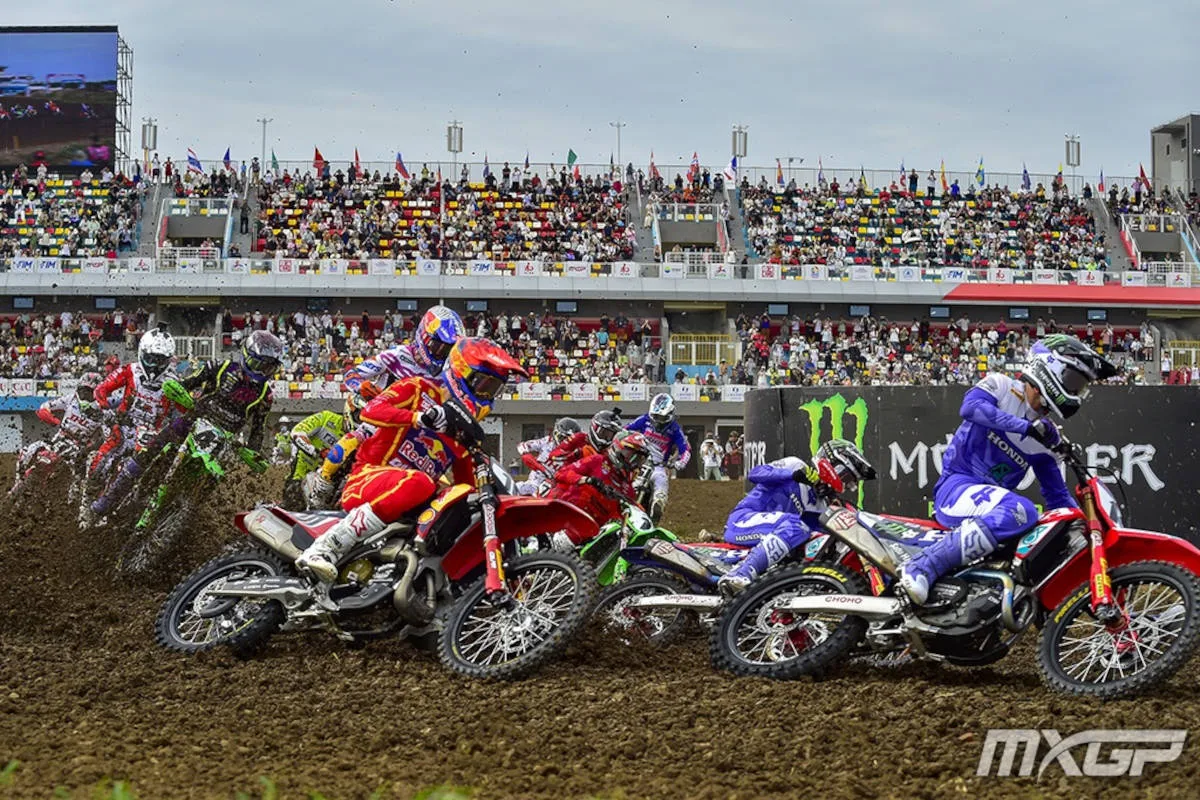
2026 MXGP of China: Herlings Unbeatable, McLellan Delays the MX2 Title
-
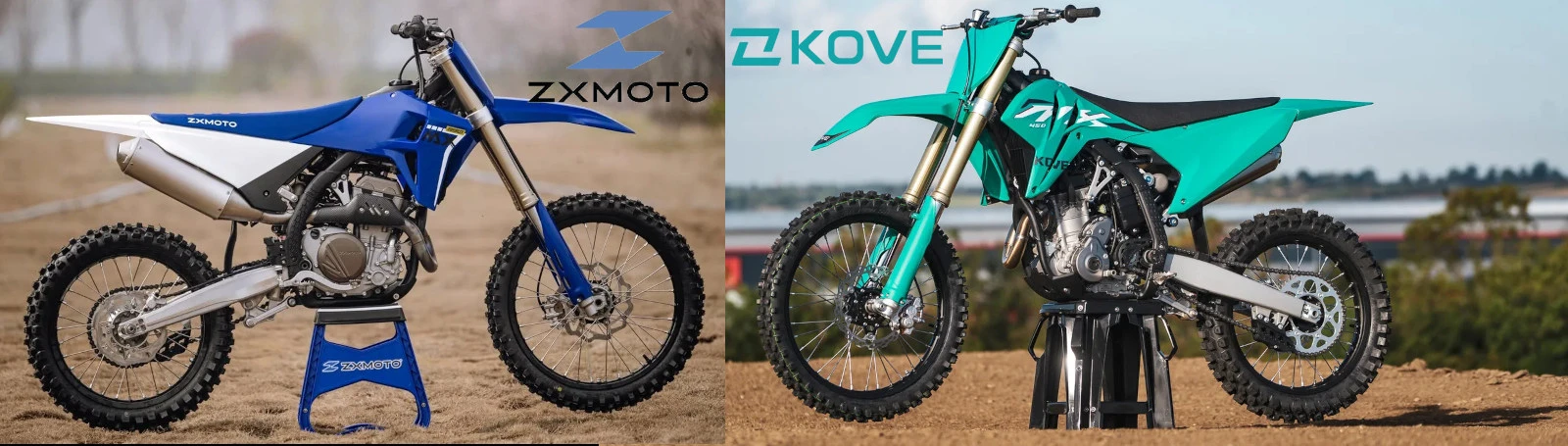
MXGP 2027: Kove and ZXMoto Join the Championship
-
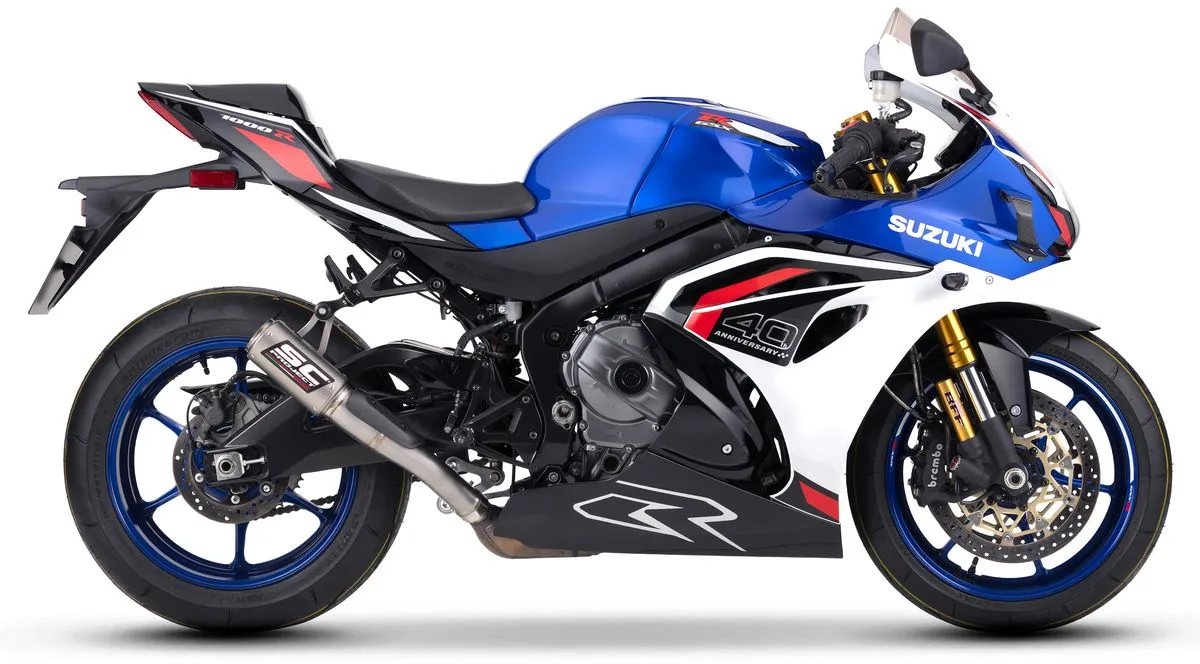
SC Project is working on the 2026 Suzuki GSX-R1000R.
-
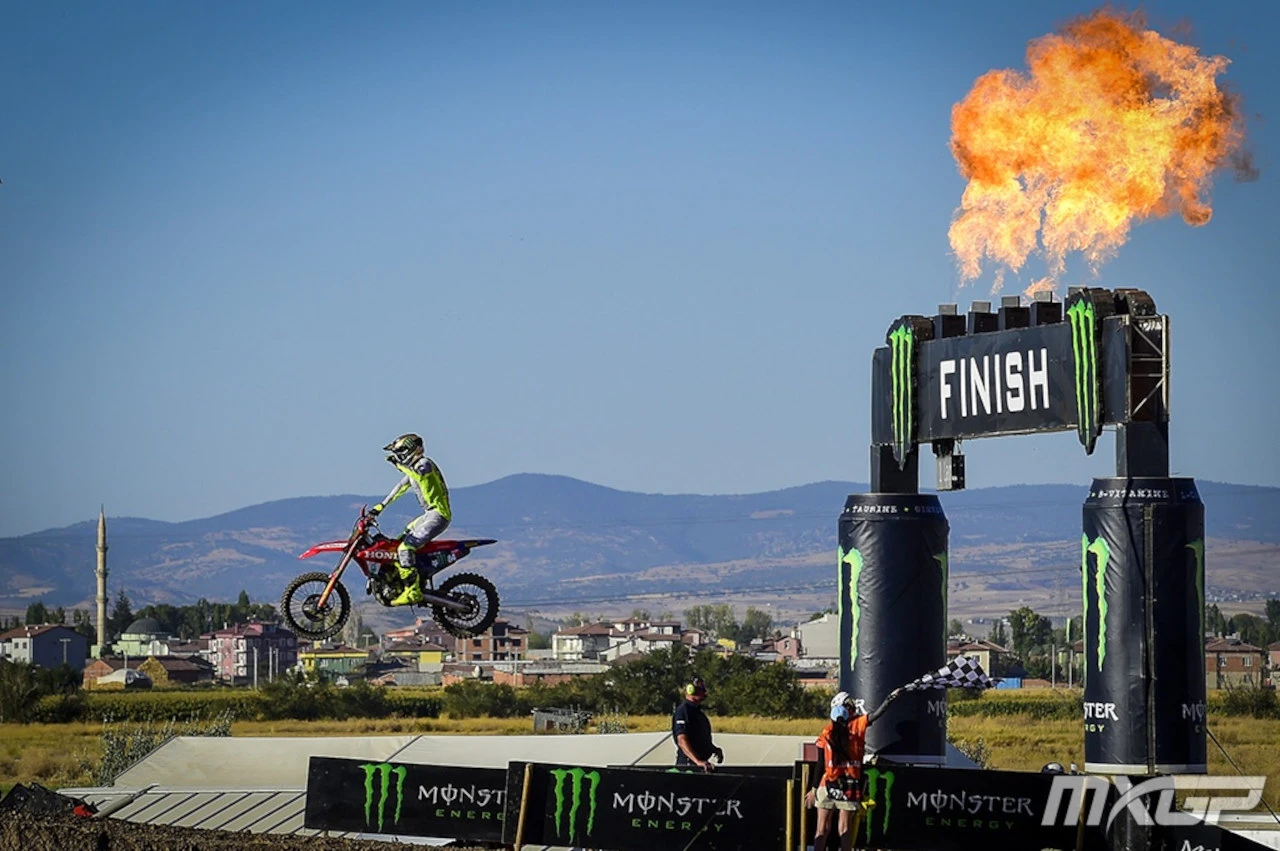
2026 MXGP of Turkey: Herlings Crowned World Champion!
-
Moto Guzzi: In Mandello, the historic factory is taking on a new scale.
-
ZXMoto in MXGP 2027: The Hypothesis of an Off-Road Earthquake
-
The new motorcycle models of 2026 and the evolutions.

Bikers' reviews Leave a review