
Motorcycle specifications Kawasaki Z 1000 2020 The Nostromo's other host


presentation of the Z 1000 2020
there was only one color for the Z 1000 in 2019.... That's still the case in 2020. It smells of a mix of resilience as much as end-of-career for Kawa's big roadster. While the Z 1000 is by no means obsolete, the machine is starting to show its age. Mainly in terms of technology, since the competition is offering a host of electronic assistances that the big Z refuses to accept. But for how long? It doesn't care. The Z 1000 shook up the roadster world when it came out. That was over 15 years ago. And today, after several evolutions and a sector that's undergone a lot of change, the big Z remains a slightly out-of-step machine. In a world of power, smart chips and over-the-top digital co-pilots, Akashi's bugger has become one of the few warrior bikes without a shield. No traction control, multi-axis inertial unit or Ride Modes; just rider spirit and right-hand control.
The next Z 1000 will certainly be more"electronized". In the meantime, a little evolution was necessary to comply with Euro4. To achieve this, the exhaust system incorporates modified catalytic converters and an evaporator to reduce pollutant emissions. Injection mapping has been redesigned for two purposes: to help reduce harmful gas emissions, and to smooth the arrival of power.
Complying with standards was not enough. Kawasaki focused on a few details, big and small. Like the suspension. The forks have been tuned more flexibly to improve comfort and handling, while preserving feel. At the rear, a new linkage ratio increases rear wheel travel by 13 mm (122 mm -> 135 mm) and makes the suspension work more flexibly. Damping is more effective, and the rear end gives a better impression of grip.
New brake pads, a 5-position adjustable clutch lever, mirrors with greater range of movement and an enhanced instrument panel. The small digital unit now displays the gear engaged, and the rev counter is transformed into a shiflight, which can be set to flash from 4,000 rpm. Last but not least, the wheel-lip has been redesigned.
For Z enthusiasts seeking a higher level of efficiency, Kawa has the excellent idea of offering the Z 1000 R. It features Öhlins shock absorbers and Brembo M50 brakes.

to recap the history of the Z 1000 phase 4, let's take a look at its mission and evolutions:
the Z 1000! One of Kawasaki's flagship models. It's the model of resurrection, of rediscovered brutality, of disturbing yet pleasing styling, of success among big roadsters. With a light breath, it takes you on a smooth ride. Take it up a notch, and you'll find a nasty growl in the cylinders. In episode 4, the big Z becomes the forbidden child of a Terminator and an Alien.
THE design! This is one of the Z 1000's major tactical points. Perhaps more so than on any other machine, the quirky, manga-like look of the first opus was enough to arouse the public's curiosity. Even today, this machine whips the eye, slaps the plot, takes us on a design journey that's both provocative and biomechanical. The Z 1000 phase 4 has lost its fork-like carinae, its angles and its hints of origami. The contours and reliefs of its silhouette are drawn into the thickness of a disturbing xenomorph. It all starts with the fork head, the appendage of an exterminating robot. Its eyes contain 4 LED headlights, the central pair for everyday use, the other for full beam. All this culminates in a very sporty stern, worthy of an R6 or Italian production. Valorizing, well finished, polished, the Kawasaki commands respect in form and detail. Seriousness shines through the exuberance; the rear wheel axle is adjusted by an eccentric; the seat is covered with a multitude of small Z symbols, as on the 800; pay attention to the mirrors mounted on double arms, the translucent brake reservoir, the polished dual-outlet mufflers and the innovative new dashboard. Almost entirely digital, it does, however, delegate the display of engine speed to LEDs, but only from 4,000 rpm; before that, the LCD window takes care of it. Unlike its predecessor, it is not tilt-adjustable. And, surprisingly for such a modern machine, you can't use the handlebars to control all the information; only a warning and basic functions are available from the controls.
but what about the wheels? What happened to the tuned rims? Economy or a change of style?
It's a spectacular facelift for the Z 1000. Facelift? Isn't it a new machine? Well... In terms of looks, the two generations have nothing in common. Technically, however, the Z 1000 "IV" takes up the essentials of the Z 1000 "III". But with a number of improvements to highlight the difference between the two beasts.
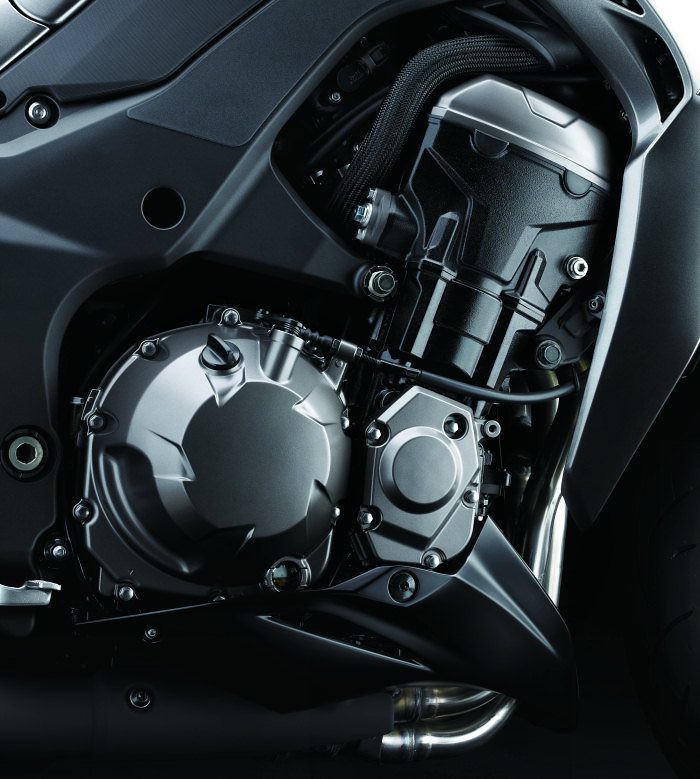
First of all, the engine. It's hard to imagine anything but a powder keg in such a pugnacious machine. Has Kawa added some Red Bull to the 4-cylinder? Has the 1043 cm3 block been spiked with protein caffeine? Expectations are high, and Akashi's response goes in the direction of more, without tipping over into the surreal, as KTM did with its 173 hp Superduke 1290 R.
In the heart of the green monster, 4 extra horses have been found, bringing the total to 142 units; a peak that has to be sought 400 rpm higher, at 10,000 rpm. Torque rises from 11.2 to 11.3 mkg, at a revs lowered from 7,800 to 7,300 rpm. With revised ECU settings, different camshaft timing, oval intake pipes and other improvements such as connected cylinders designed to reduce pumping, the Z 1000 now has more power at low revs without degrading its power delivery. Already lively and quick to distribute generous watts, the block should not be deprived of adding a little ladle. Especially since the gearbox is shortened, boosting acceleration.
Keep an eye on the Z, though, as it doesn't offer any of the safeguards that the competition puts on its models. No Traction Control, multiple injection maps, anti-wheeling or other copilot. The Z 1000 is driven with emotion, confidence in the chassis and a generous right hand. It can be ridden with a bit of courage, a demonstration of technique and a bit of experience. Watch out for the grunts: with more than 140 hp, you're already playing with a certain level of sportiness.

in 2010, an all-new aluminum frame ruthlessly replaced the steel "Diamond" cradle. As a result, the roadster took a major step forward in terms of rigidity and chassis efficiency. Why change the basics when things are going so well? Kawa is reaffirming its confidence in this frame, but is not standing idly by.
With a big rubber band tautly stretched under your right hand, you're ready to take on the road. Watch out, it's spinning! Agility is a priority, and just as well, the Z 1000 grabs an extra ladleful of it. To achieve this, the rims have lost 1,500 grams, the wheelbase 5 mm and the caster 2 mm. That's enough to compensate for the two kilos it has gained in weight. The extra weight is mainly due to the extra 2 liters of fuel that the fuel tank can carry (now 17 liters).
A raging sound, an airbox that breathes with force, you're all excited as the engine revs climb. With a narrower fuel tank and a slightly revised, sportier riding position, you get a better grip on the machine and can't wait to get the most out of this punchy bike. The boiler still has plenty to answer for, with its more-than-watered musculature.
On this version, the front axle is not only visually lightened but also dynamically optimized. The 43 mm inverted fork is a BPF model with large pistons, and all adjustments can be made from the top of the tubes. Each side has its own role: preload on the left, compression and rebound on the right. Both more precise and more comfortable, this type of fork had already made its presence felt on a number of sports bikes before its introduction on the Z. As for brakes, the emphasis has been placed on greater power, with larger discs (from 300 to 310 mm), new Tokico monobloc calipers borrowed from the SX sibling, and a master cylinder with a 19 mm piston.
Relieved of too much plastic, with reinforced aggressiveness and a devouring fury that tears at its identity, the Z 1000 "IV" reaches a captivating level of stylistic bestiality - Kawasaki transcends this idea with the appellation "Sugomi". A veritable monster from the world of Stephen King or Ridley Scott, with sensitive mechanical evolutions to bite into the dynamism of any playful stretch of road. The KTM Superduke 1290 R, the BMW S 1000 R and the Aprilia Tuono V4R will all be up against it, at the price of exclusivity and a budget for those in the know. On the Japanese side, it's undoubtedly the most vindictive and challenging of the streetfighters. Building on the success of previous generations and the technology of the 2010-2013 edition, this Z 1000 keeps alive the torch of the bold, aggressive and attractive roadster.
M.B - Manufacturer's photos
by Greg
Greg is the founder of Motoplanete—a website created in 2001 to share his passion with his friends and showcase as many motorcycle models as possible to his readers. Self-taught and a jack-of-all-trades, his discovery of the world of motorcycles led him to work as a photographer, rider, team manager, web developer, graphic designer, editorial assistant, and editor-in-chief.
 Share
Share
Key facts Kawasaki Z 1000 (2020) : What you need to know before you buy
Highlights
- More power
- Improved chassis
- Beastly silhouette
Weak points
- Design singulier
- Passenger seating
Prices
| Basic version | |
|---|---|
 France France |
12,799€
|


Performance
- Max speed : approximately 240 km/h (149.10 mph)
- Average fuel consumption : 6.50 liters/100km (0.36 mpg)
-
Estimated range
: 262 km (163 miles)
Calculated range until tank is empty, not verified.
History

Specifications Kawasaki Z 1000 2020
- Chassis
- Two-seater saddle
- Frame : Double aluminum beam
- Fuel capacity : 17 liters (4.49 US gallons)
- Seat height : 815 mm (32.09 in)
- Length : 2,045 mm (80.51 in)
- Width : 790 mm (31.10 in)
- Min height : 1,055 mm (41.54 in)
- Wheelbase : 1,435 mm (56.50 in)
- Weight when fully loaded : 221 kg (487 lb)
- Front axle
- Reverse telehydraulic fork Ø 41 mm, Wheel travel : 120 mm (4.72 in)
- Braking 2 discs Ø 310 mm (12.2 in), radial mounting, 4-piston caliper
- Front tire : 120 / 70 - 17 → Order this type of tire
- Transmission
- 6 stage gearbox
- Secondary by chain
- Rear axle
- Mono-damper, Wheel travel : 135 mm (5.31 in)
- Braking 1 disc Ø 250 mm (9.84 in), single-piston caliper
- Rear tire : 190 / 50 - 17 → Order this type of tire
- Motor
- 4 cylinders online , 4 strokes
- Injection ø 38 mm
- Cooling system : liquid
- 2 ACT
- 4 valves per cylinder
- 1,043 cc
- 142 ch (140 hp) to 10,000 rpm
- 11.30 mkg to 7,300 rpm
- Power-to-Weight Ratio : approx. 1.47 kg/ch
- Torque-to-Weight Ratio : approx. 18.24 kg/mkg
- Compression : 11.8 : 1
- Starting system : electric
- Standard equipment
- Brake assist : ABS as standard
- Practical information
Essentials
 Motoblouz
 LaBécanerie


Gallery




Models
2020

2019

2018


2017


2016


2015


2014


Used
Find this used Z 1000 on MotoPlanete

Compare the Z 1000 to its competitors
Compared to its direct competitor, this Z 1000 offers an appealing positioning, managing to stand out in certain specific areas. It stands out with riding range of 262 km, while also delivering fuel consumption of 6.5 l/100km. Its torque-to-weight ratio of 18.24 kg/Nm limits its punch at low revs.
Acceleration
Fuel consumption
Range
Torque
Power
Power-to-Weight ratio
Torque-to-Weight ratio
Speed
CO² emissions
FAQ Your frequently asked questions about the Z 1000 2020
- What is the power of the Z 1000?
-
The Z 1000 2020 develops a power of 142 ch (140 hp)
- What is the torque of the Z 1000?
-
The maximum torque of the Z 1000 2020 is 11.30 mkg to 7,300 rpm.
- What is the maximum speed of the Z 1000?
-
The Z 1000 2020 is capable of reaching a top speed of approximately 240 km/h (149.10 mph) on the track.
- What is the weight of the Z 1000?
-
The Z 1000 2020 has a a weight when fully loaded of 221 kg (487 lb).
- What is the fuel consumption of the Z 1000?
-
Average fuel consumption is estimated at 6.50 l/100km (0.36 mpg) according to the WMTC cycle.
- QWhat is the seat height of the Z 1000?
-
To ensure good accessibility, the Z 1000 2020 offers a minimum seat height of 815 mm (32.09 in).
- What is the price of the Z 1000?
-
The price of the Z 1000 2020 is 12,799€ in France
- What size tires should I put on my Z 1000?
-
The standard size for a Z 1000 2020 is 120 / 70 - 17 for the front, and 190 / 50 - 17 for the rear.
- Where can I find high-quality used Z 1000s?
-
You can find used Z 1000 at great prices on MotoPlanete, in the section dedicated to them—models from professionals and private sellers, as well as spare parts.
News
-
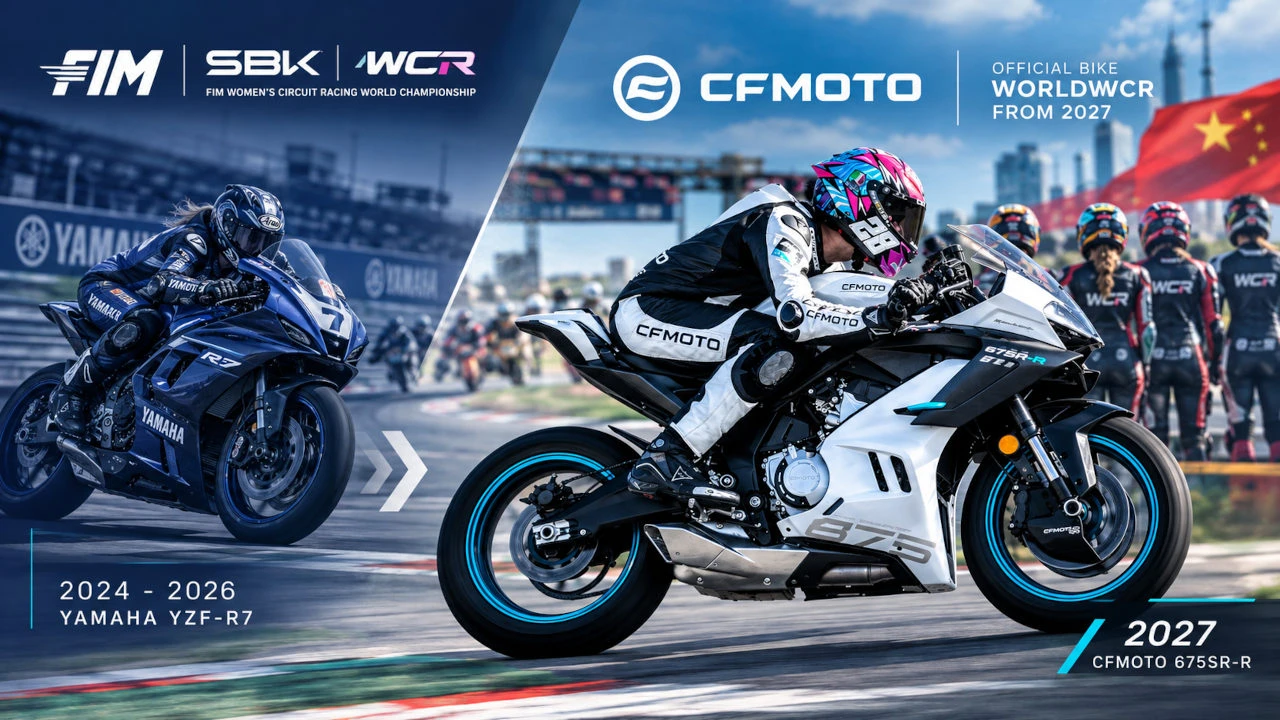
CFMOTO 675SR-R: Official Motorcycle of the WorldWCR Starting in 2027
-
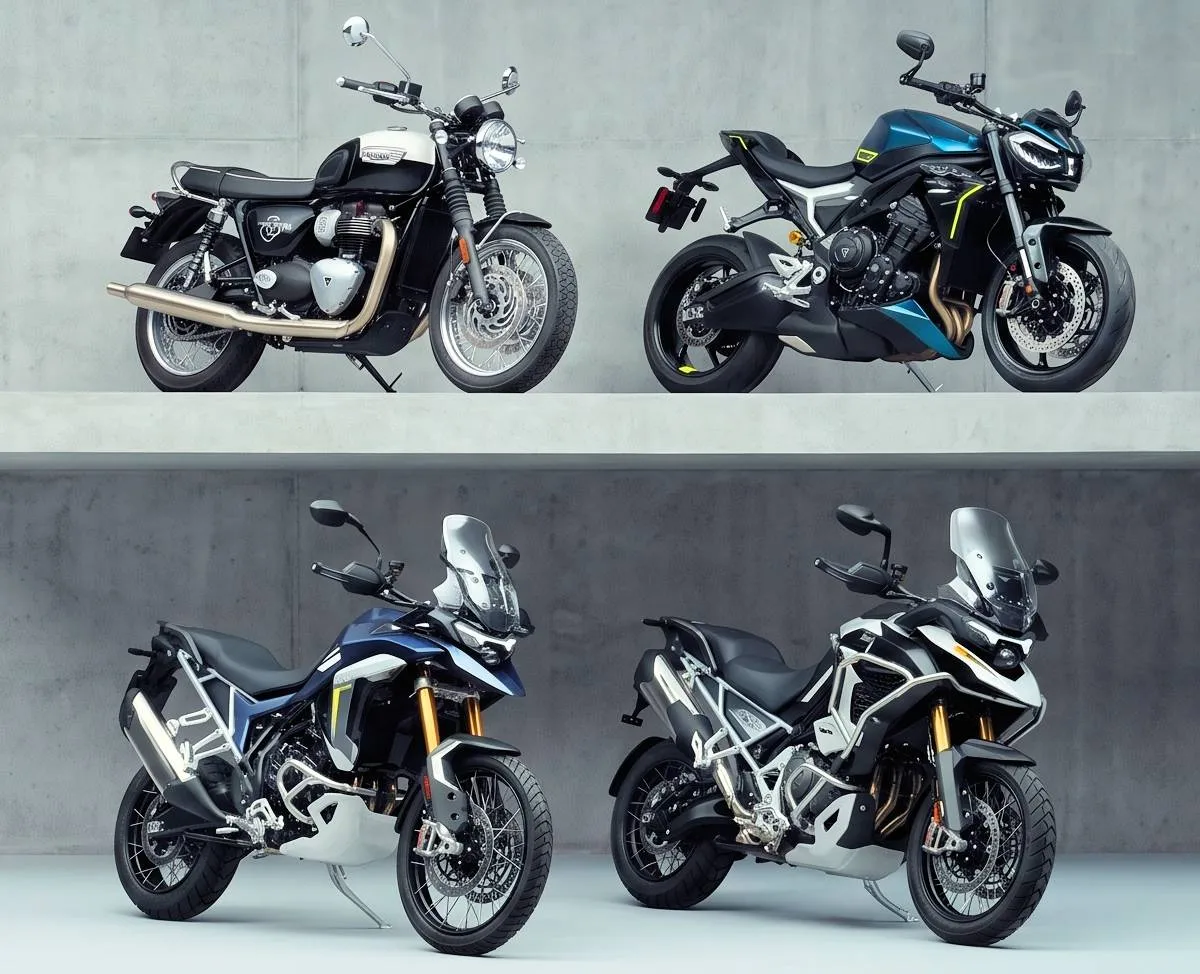
News on the Street Triple 798, Bonneville 400, Tiger 900, and Tiger 1200.
-
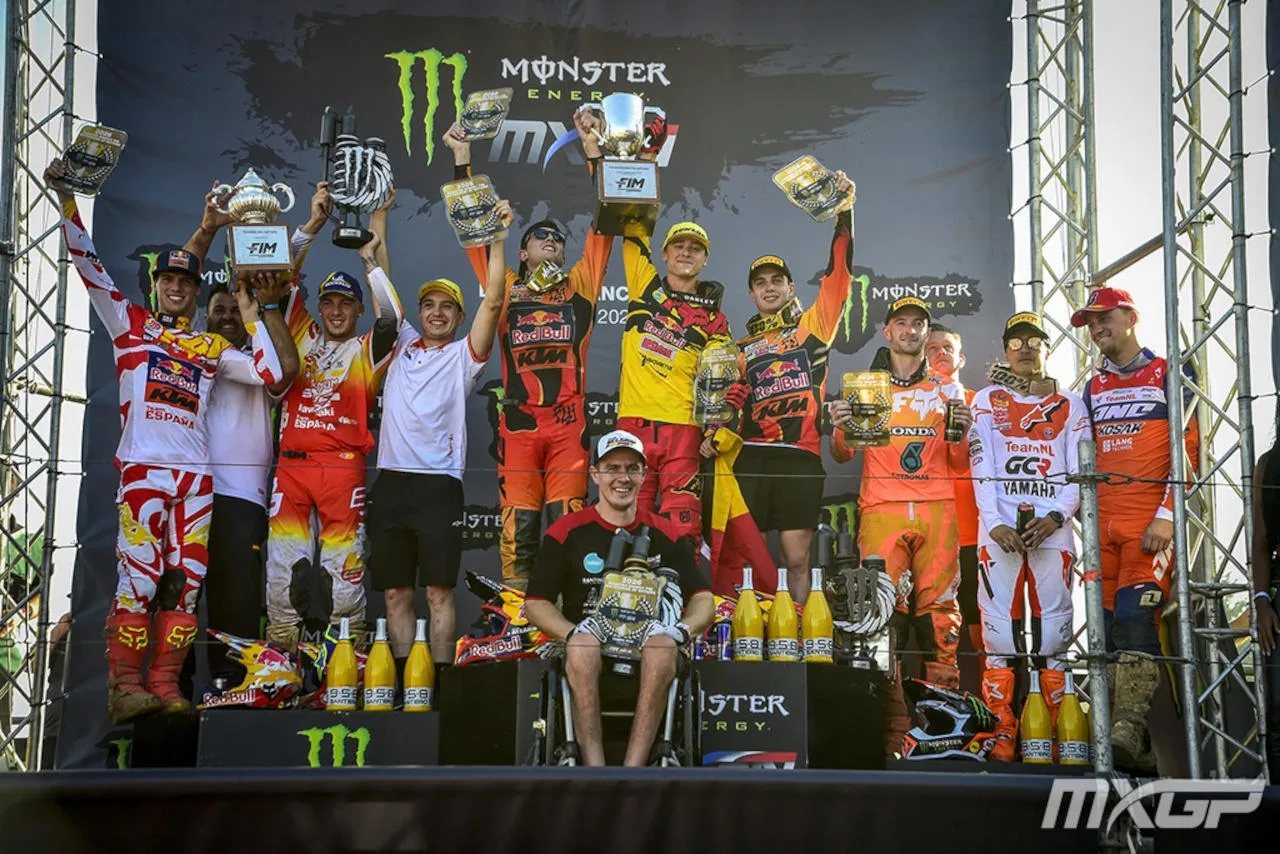
2026 MXoN in Ernée: Belgium Wins, France Falls
-
Furygan offers an airbag vest designed specifically for women.
-
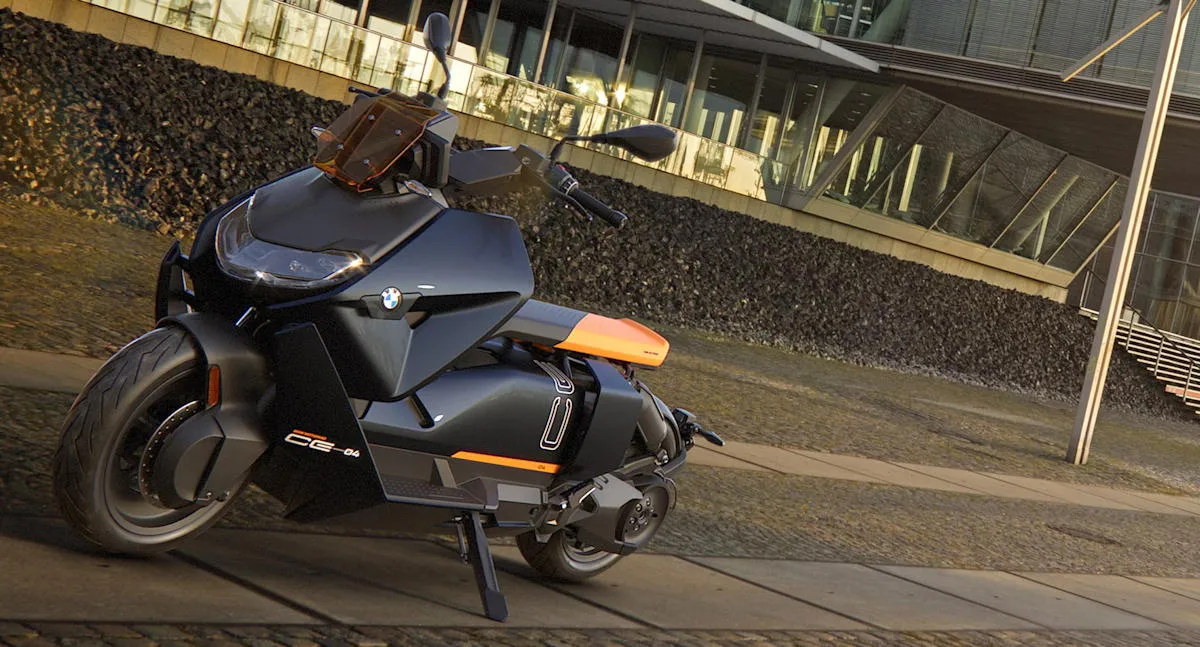
Top 10 Best Scooters of 2026: Our Complete Ranking.
-
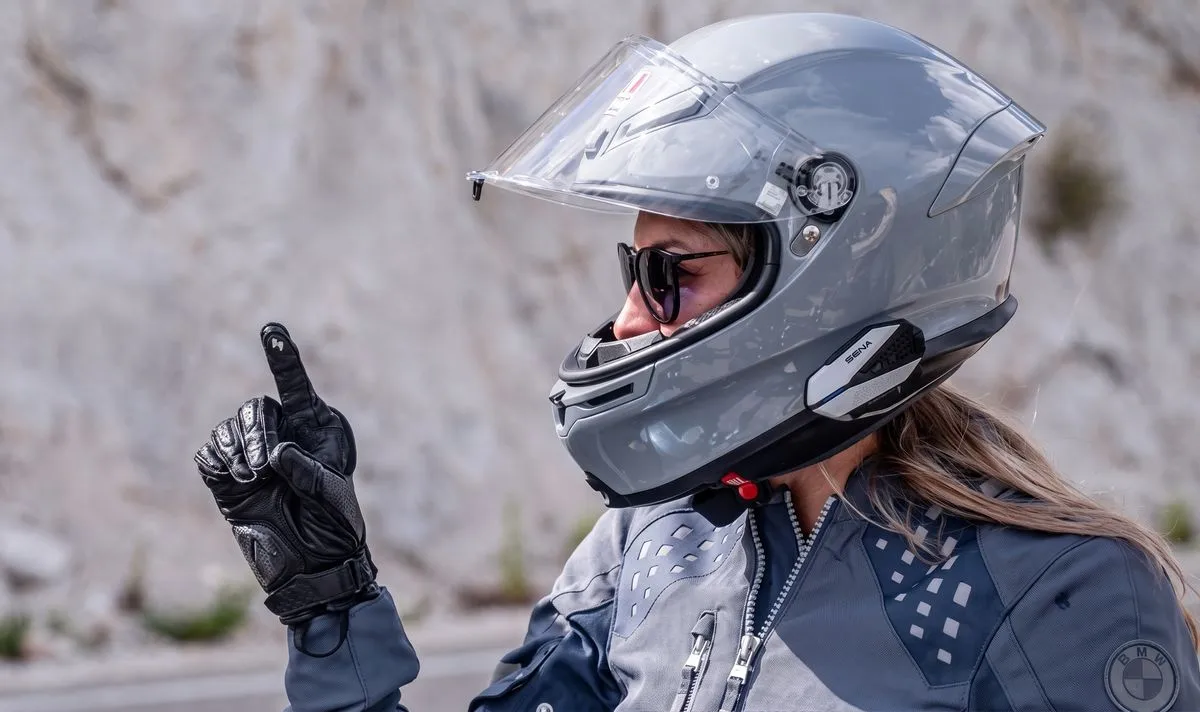
Motorcycle Intercoms—A Practical Guide to Choosing the Right One for Your Needs.
-
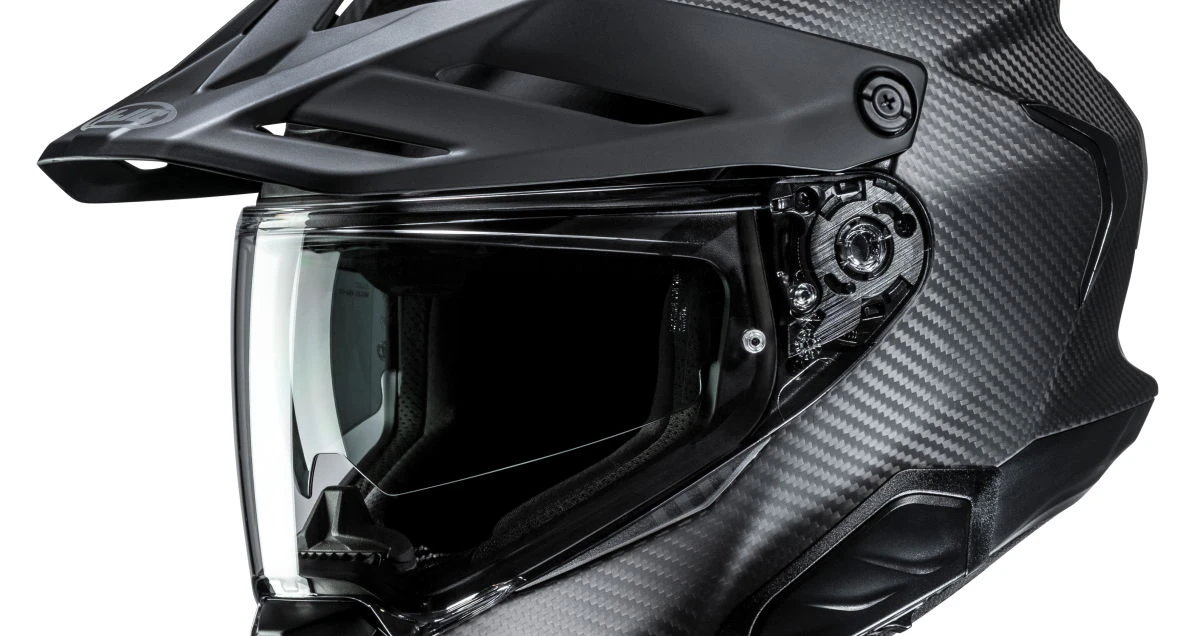
HJC is gearing up for a big year in 2027, with eight new helmets.
-
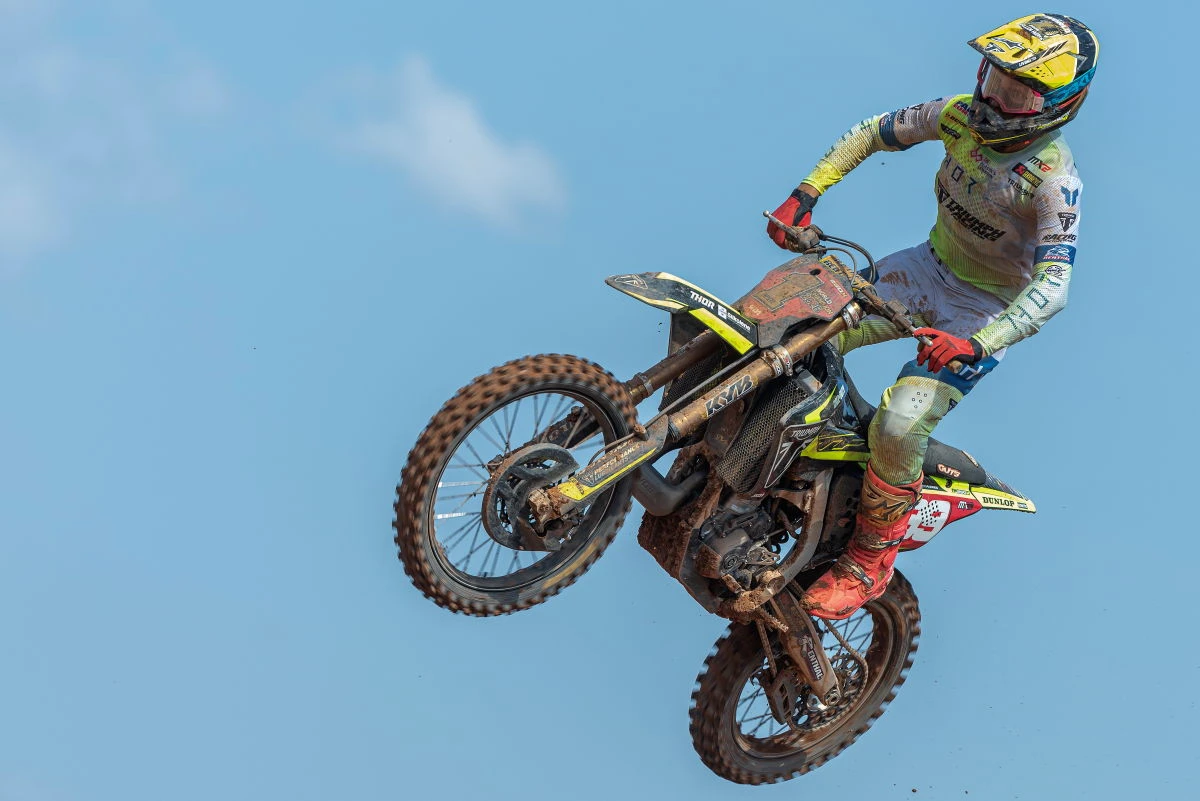
Triumph succeeded BSA in the Motocross World Championship.
-
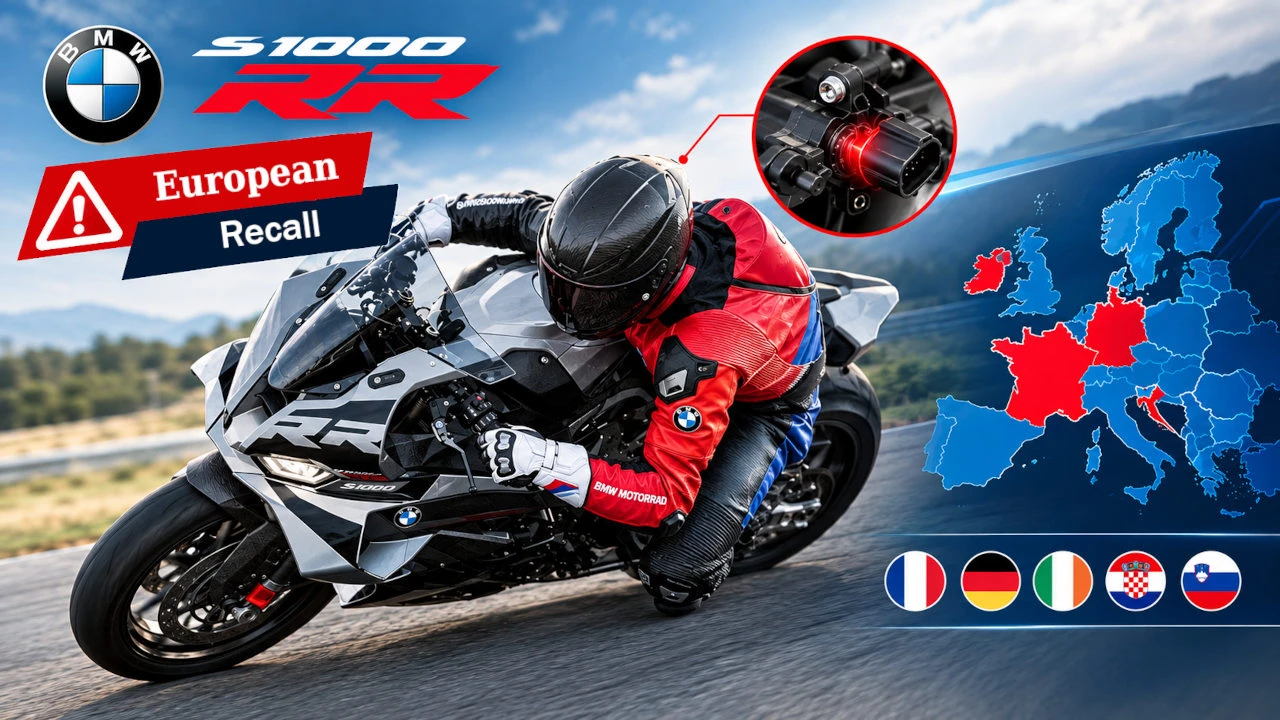
BMW S1000RR Recall Alert: Risk of Engine Shutdown
-
The new motorcycle models of 2026 and the evolutions.

Bikers' reviews Leave a review - 10 reviews
After giving up my Mt09 with its plunging forks and nervous but chaotic 3-cylinder engine
Exemplary road handling
A very pleasant engine (a bit like my old R1 in full)
Nothing but happiness Rating : 5/5 Respond to Domphot
a pushy, heavy bike Rating : 1/5 Respond to jérome
Very good value for money.
Motorcycle on order !!!!! Rating : 5/5 Respond to wolf
This z 1000 has taken things to a whole new level when seen up close, I can confirm l\'air bestial Rating : 2/5 Participate in the conversation
The Z1000, a real gem in my book. Rating : 5/5 Participate in the conversation