
Motorcycle specifications Kawasaki Ninja 650 2027 Tighten your sneakers
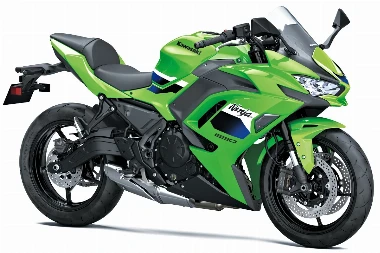

presentation of the Ninja 650 2027
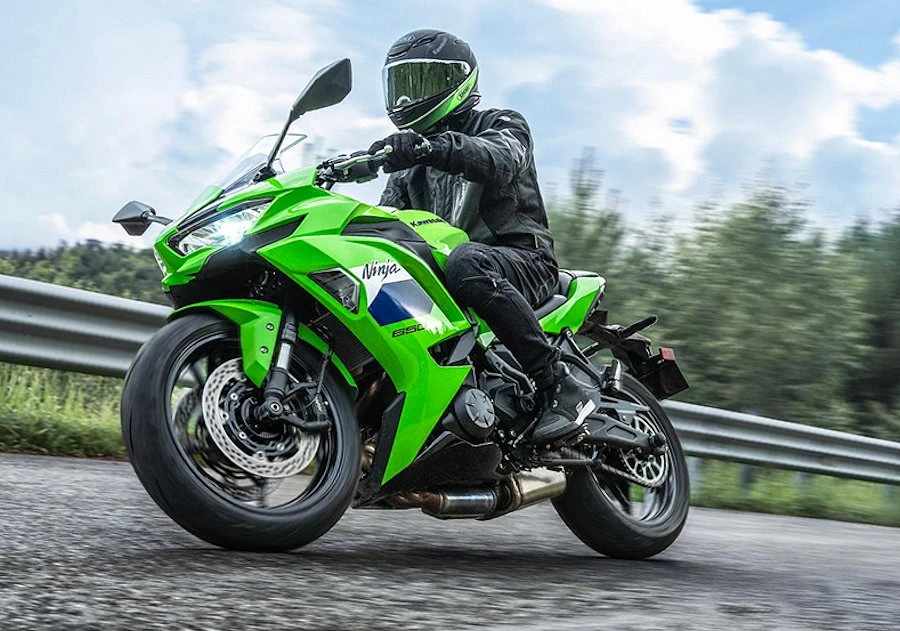
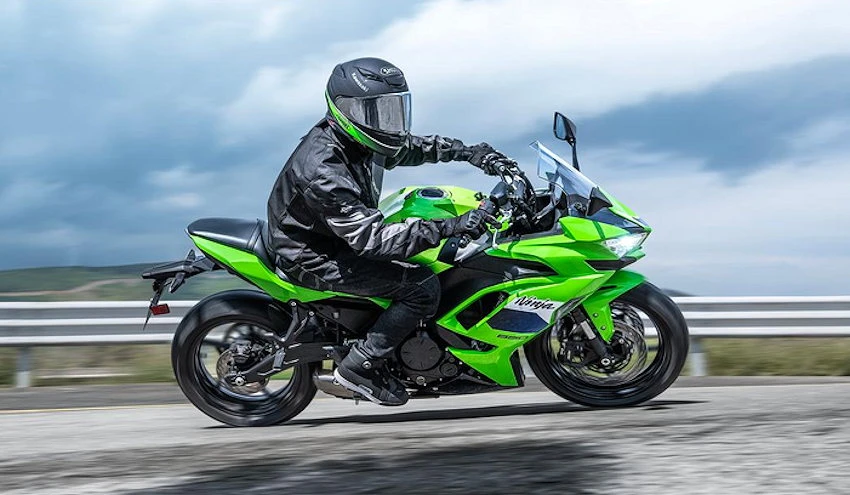
While its sister model, the Z 650 S, goes head-to-head with the MT-07 and a whole host of young roadsters, the Ninja 650 continues to strike a balance between sportiness, touring, and—above all—versatility. It’s praised for this, with a market presence that underscores its staying power.
But as the years go by, it finds itself wondering:“This ‘Ninja’ in my name… I’ve got to own it!!!”
For 2027, this thought goes beyond mere reflection to take shape in a subtle update. The “Ninjette” still looks exactly the same, but… It’s strange—this feeling that something’s different even though this 650 Ninja hasn’t changed!?!
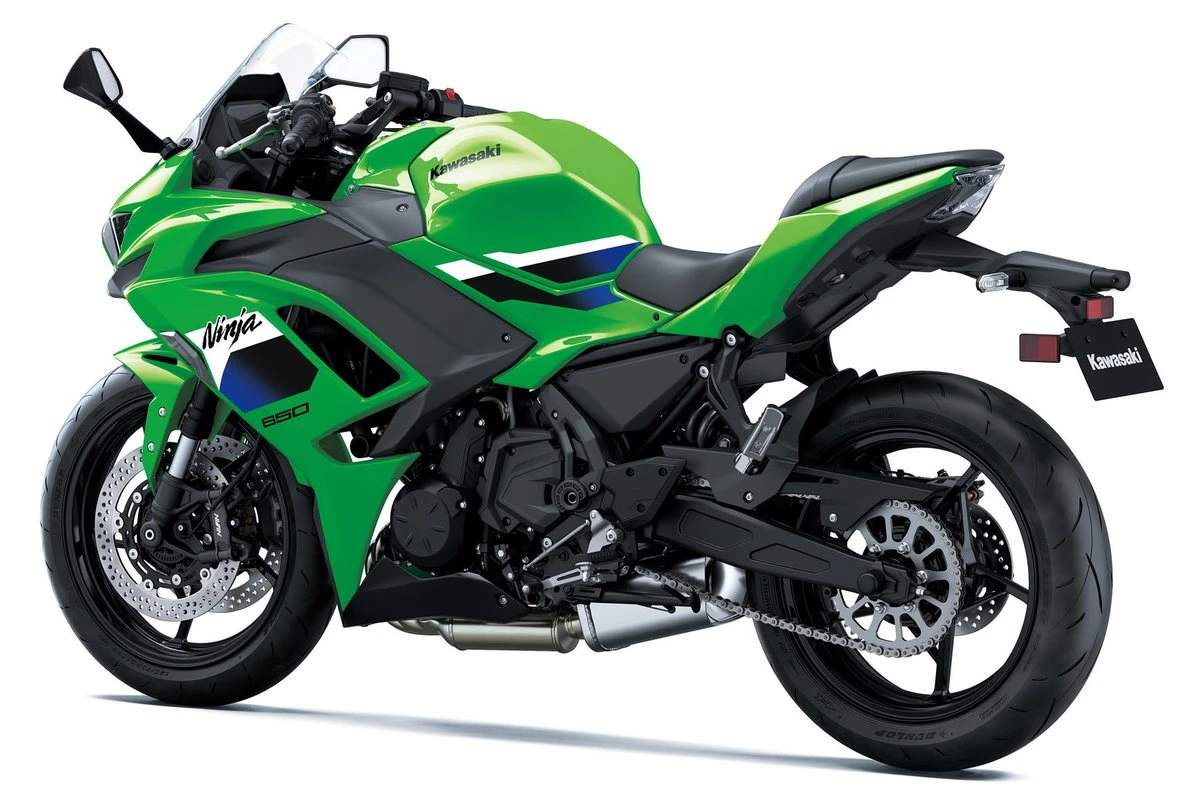
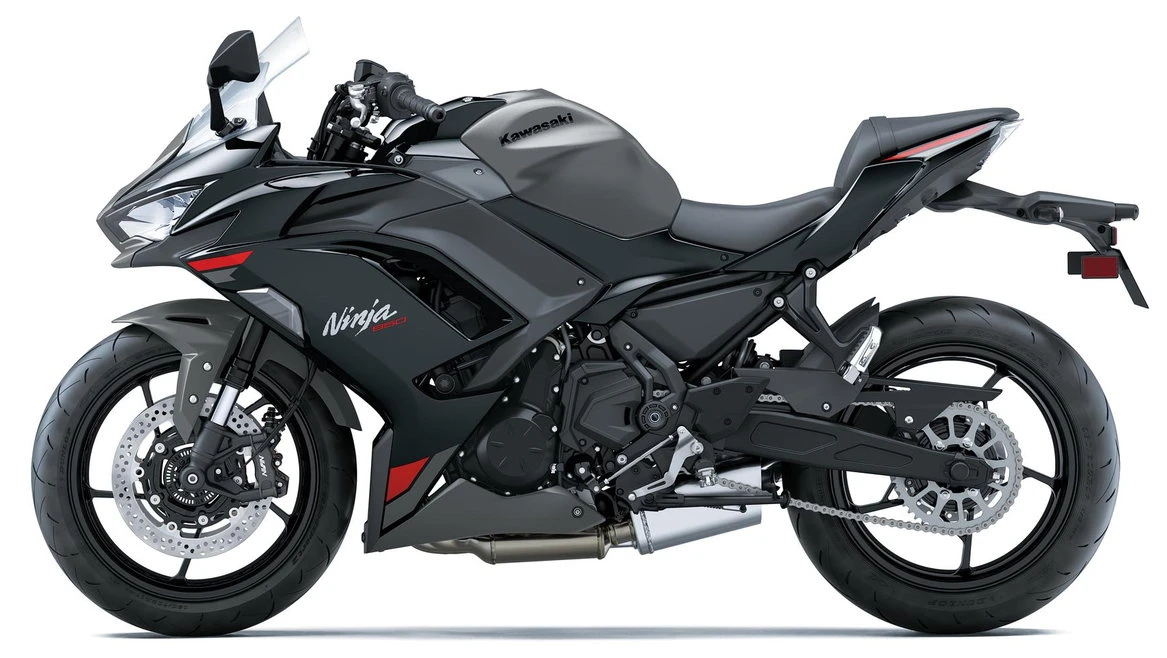
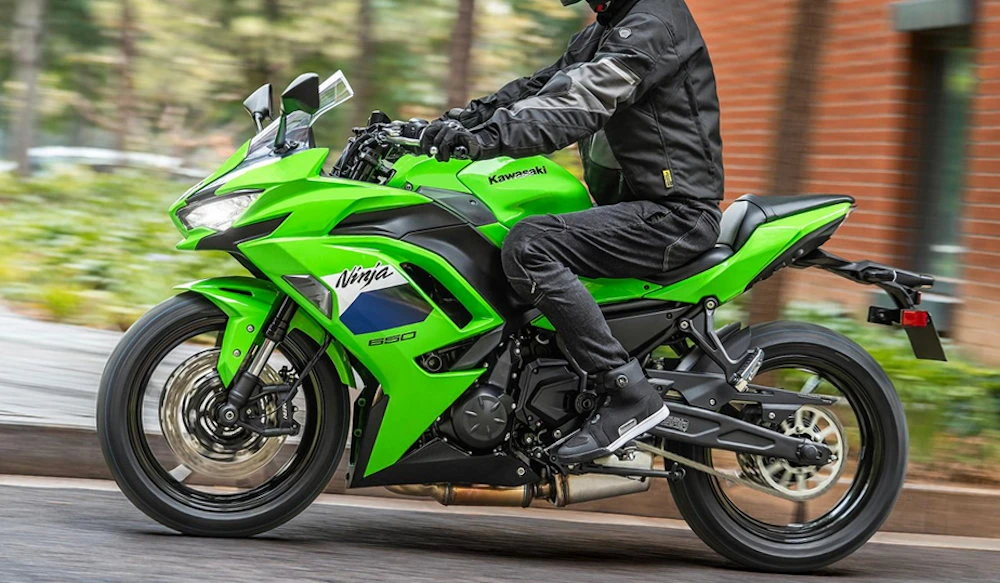
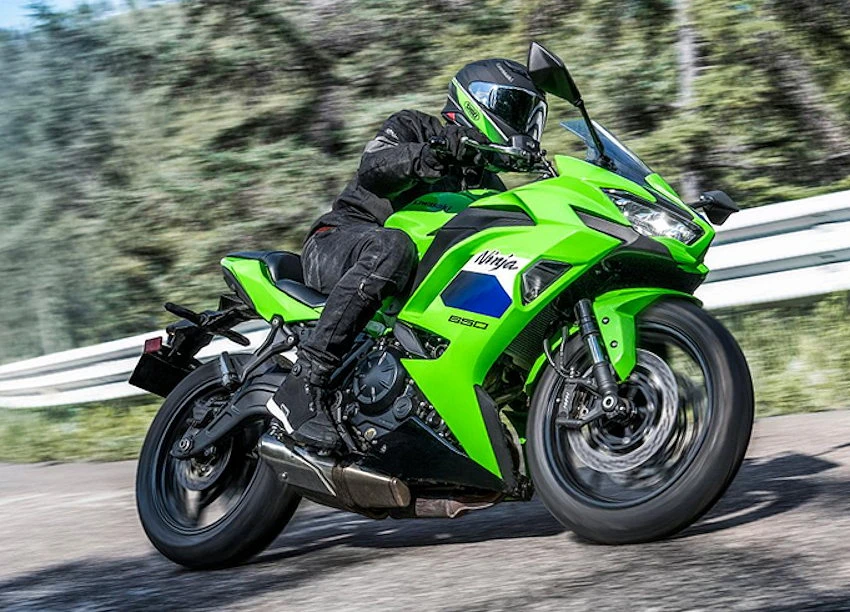
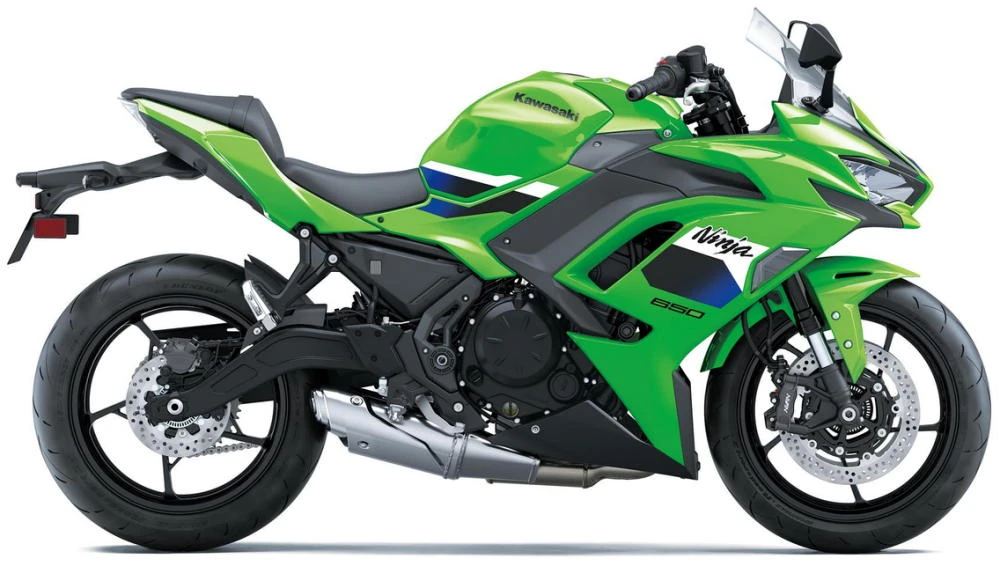
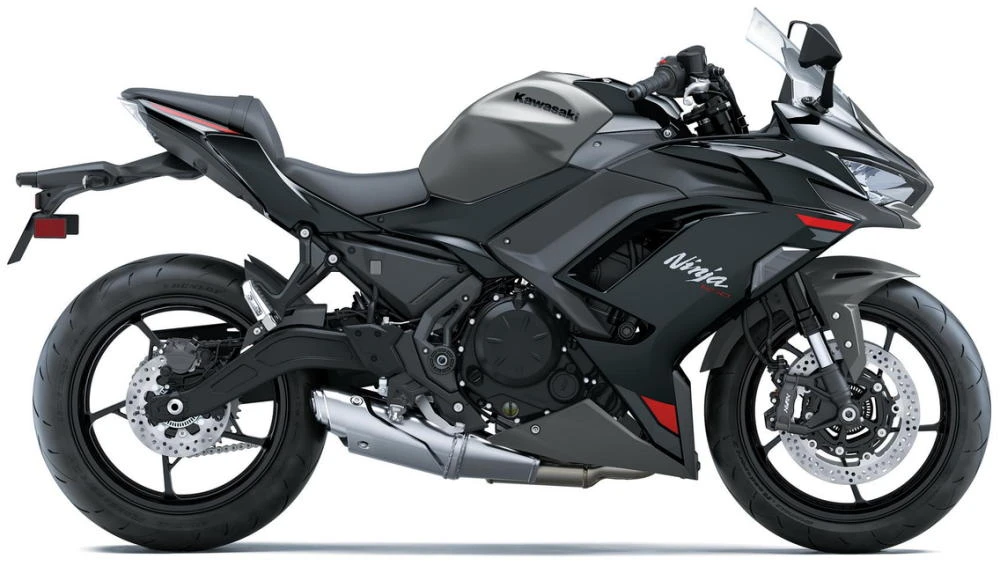
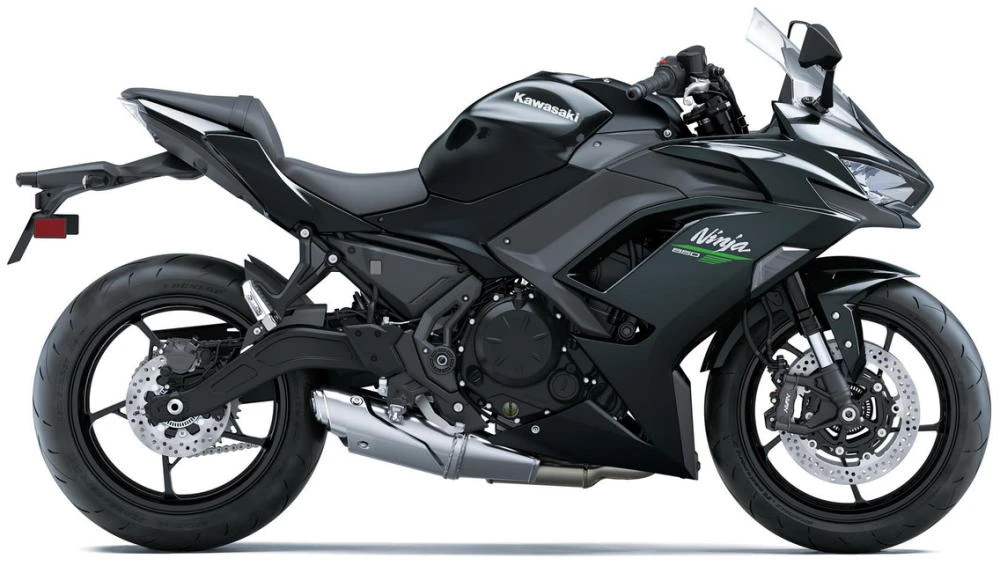
Doesn’t seem to have changed—that’s the nuance. Sporty fairing, sleek front end, sleek look—nothing seems to have shaken up the design team or the bike. However, wait a minute—oops, the fender has been slightly modified. There it is—we’ve found the key theme behind the bike’s evolution. Its thirst for speed has prompted a complete overhaul of the front end.
More responsive
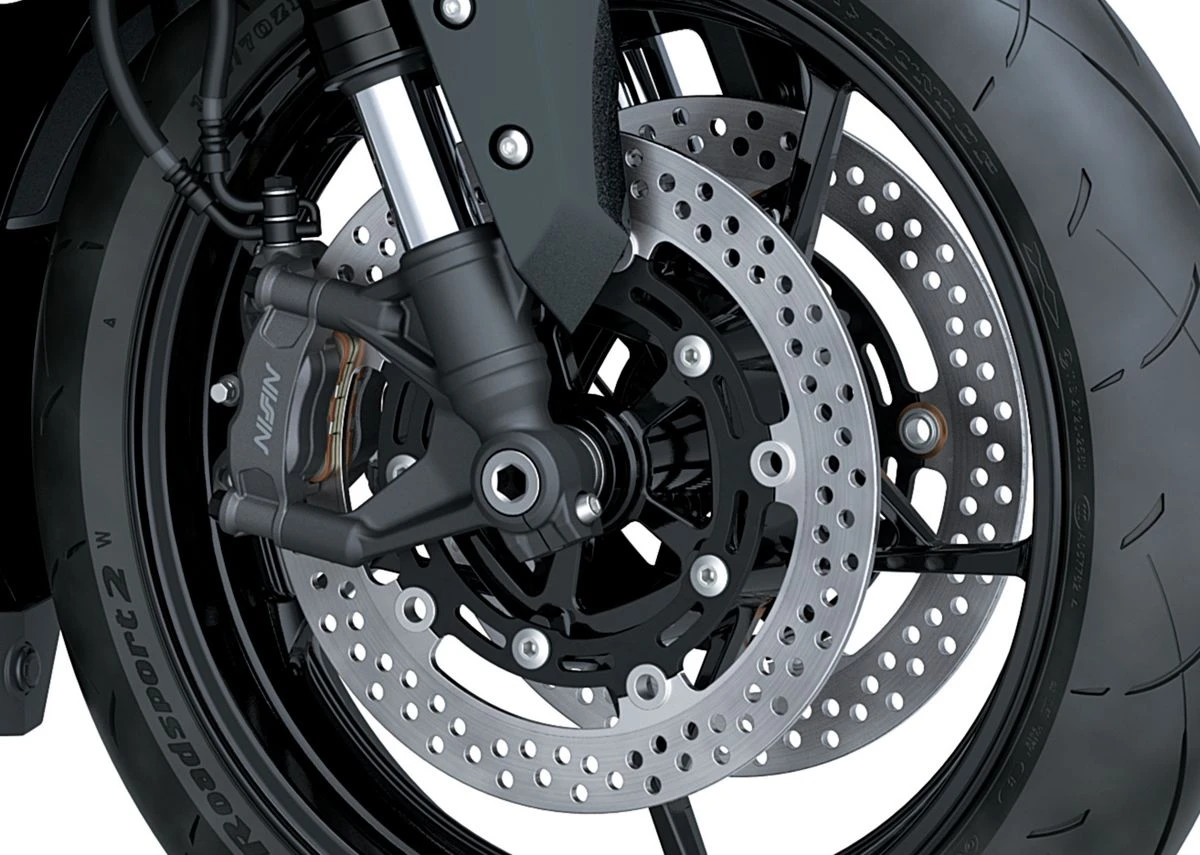
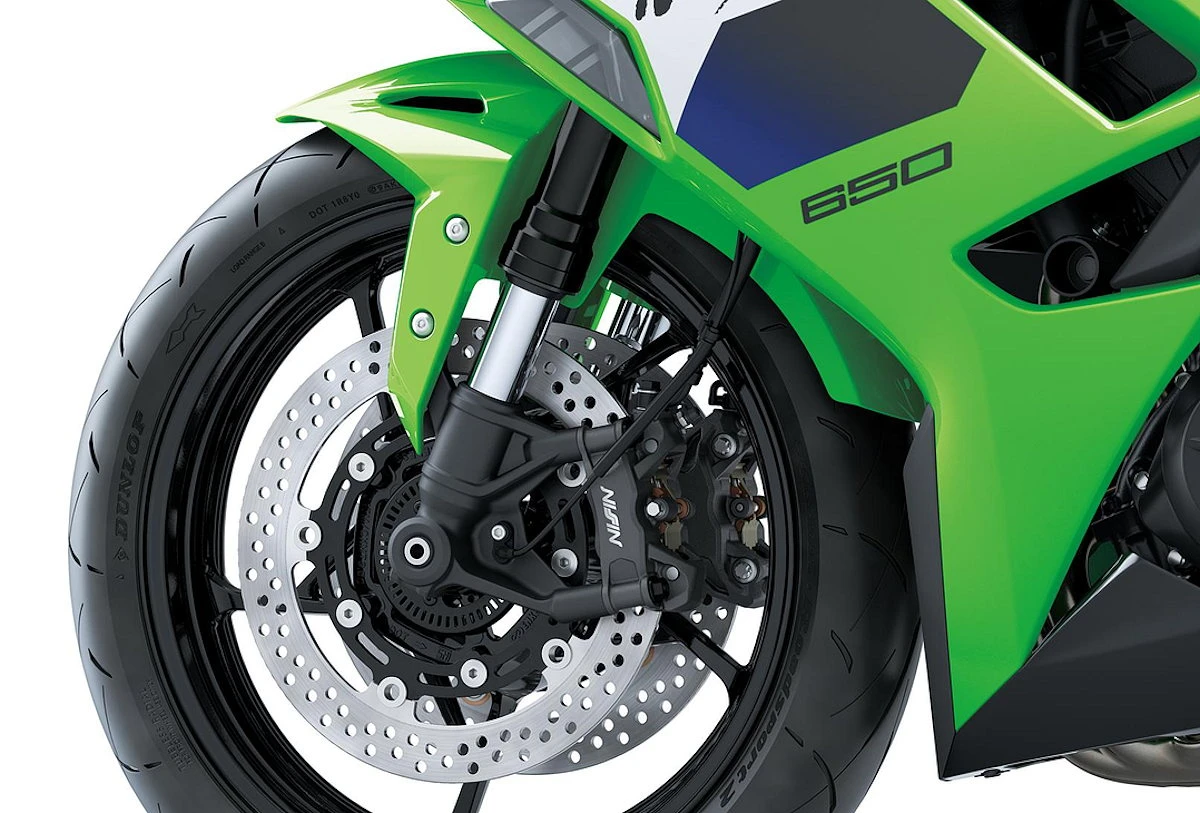
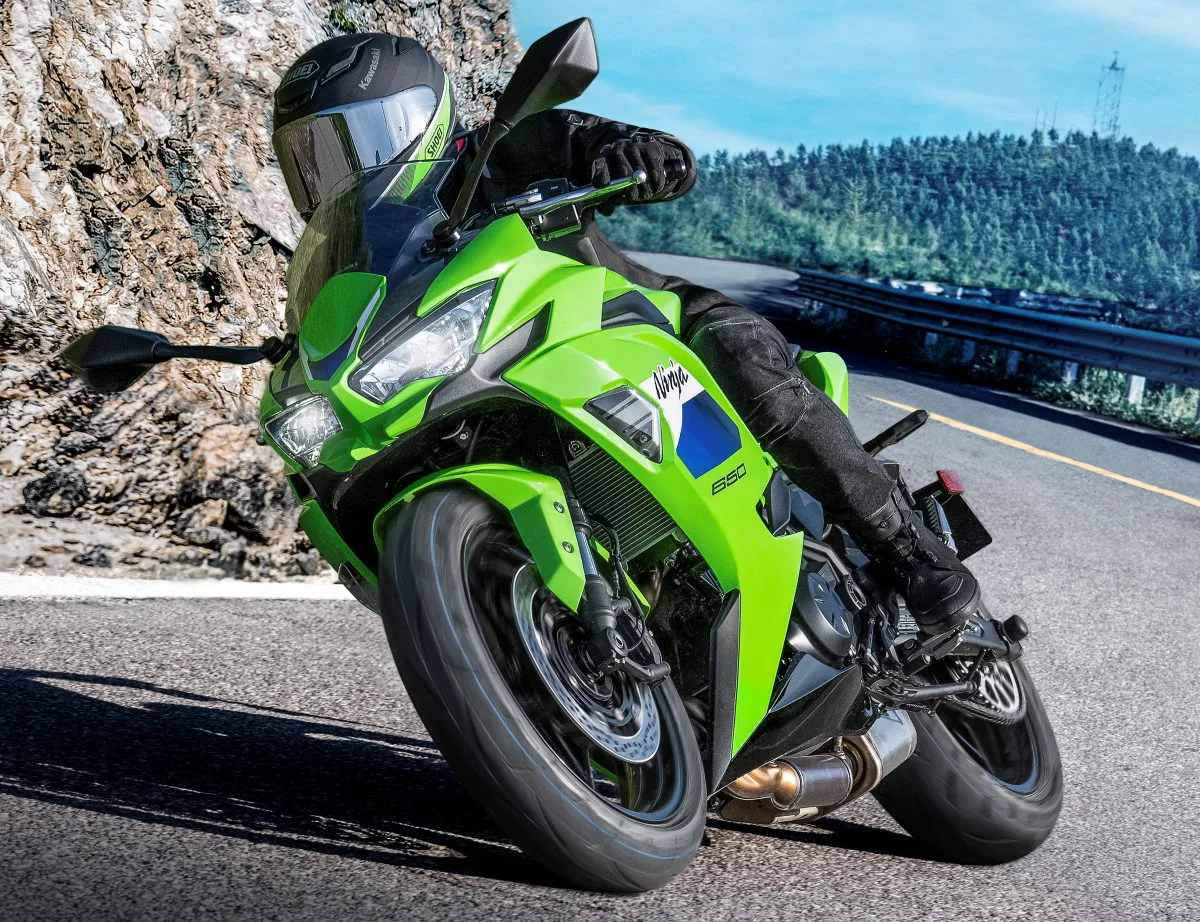
Here’s the main change: for this new batch, it features a 37-mm inverted fork with a large piston. This Showa SFF-BP will allow for better steering control and improved handling of load transfers. Especially since, with a wheelbase shortened by 15 mm, agility should improve as well.
On top of that, Kawa’ has also taken care to enhance braking performance. The Ninja 6.5 swaps out its 2-piston axial calipers for 4-piston radially mounted calipers. In terms of feel and power, this should be a significant step up. Incidentally, the 300-mm rotors are no longer “petal” type.
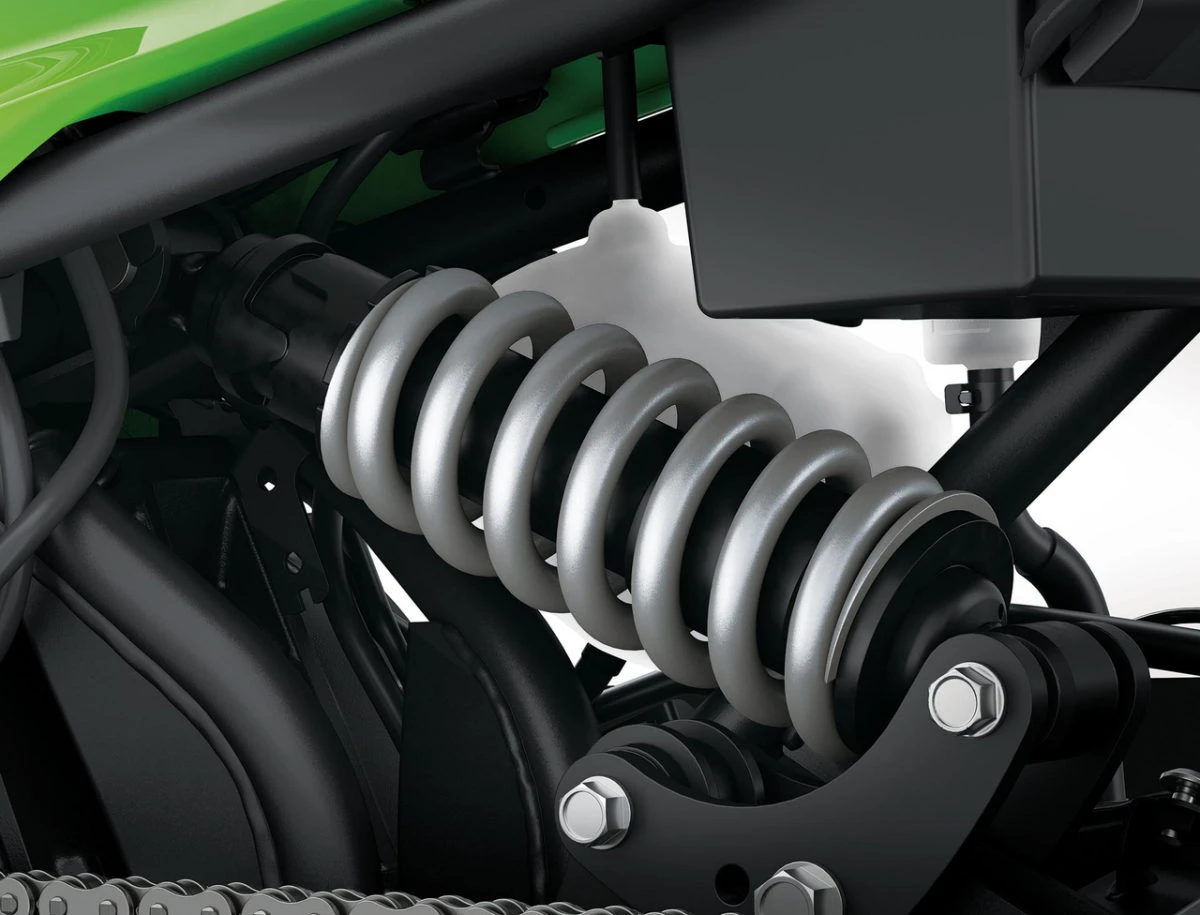
To accommodate the new fork, the rear shock has been redesigned with stiffer spring settings.
Greater confidence on the track means a smile on your face through every corner. It almost makes you wish for more power. Not the Ninja, though—its engine still delivers 68 chevaux at 8,000 tr/mn and 64 Nm of torque. An engine that could use a less raspy sound but is as easy as it is fun to ride.
The same goes for its steel trellis frame and the other components of its chassis. The brand keeps evolutionary changes to a minimum, which helps preserve its recognized qualities and keep the price in check—a price that remains unchanged despite the improvements. Kudos for that.
A quick note on the seat height, which has been discreetly lowered by 5 mm. It’s not much, but every little bit helps when it comes to making it easier to get on the bike and keep your feet on the ground when stopped.
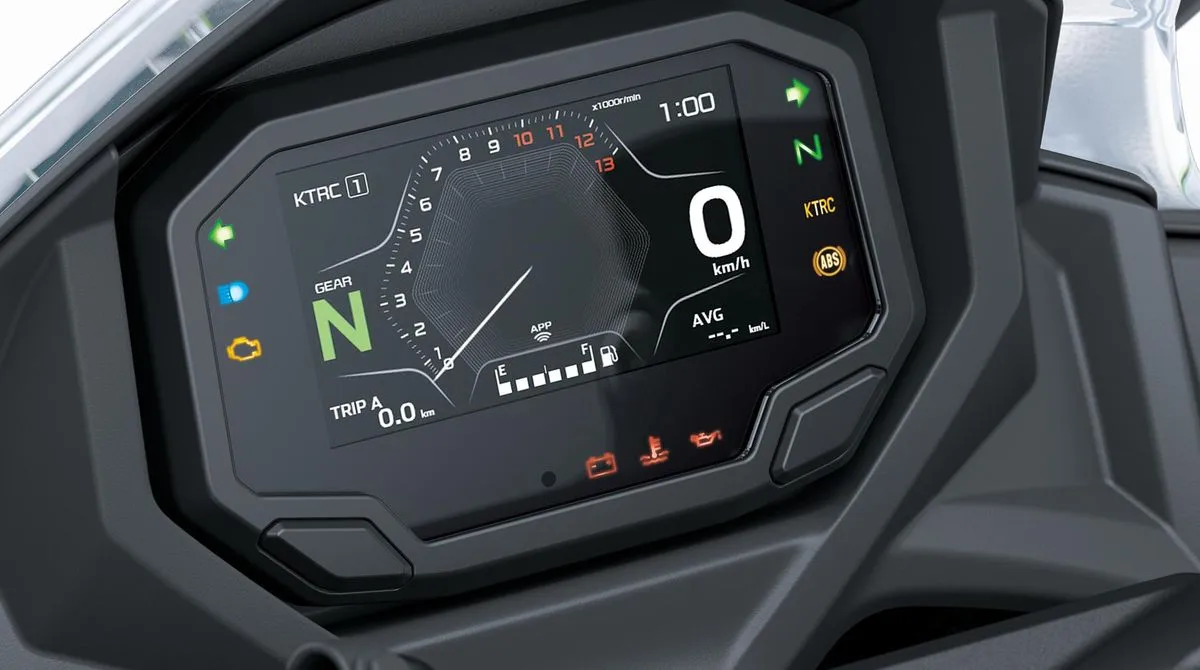
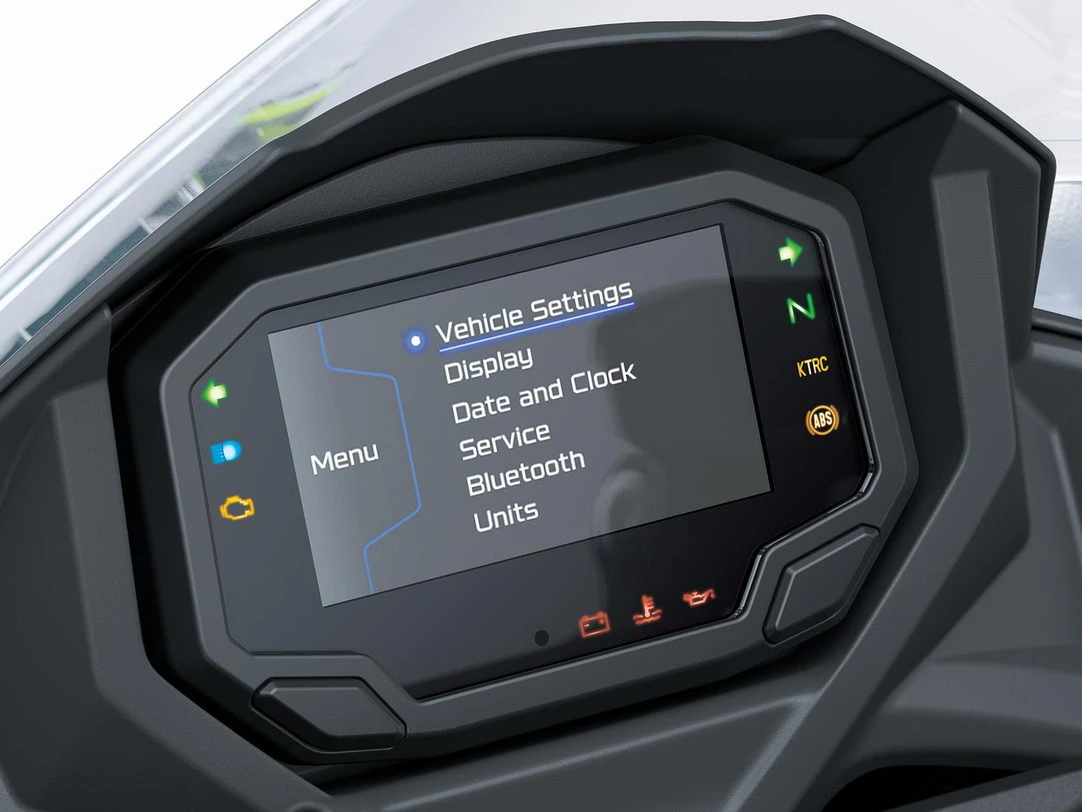
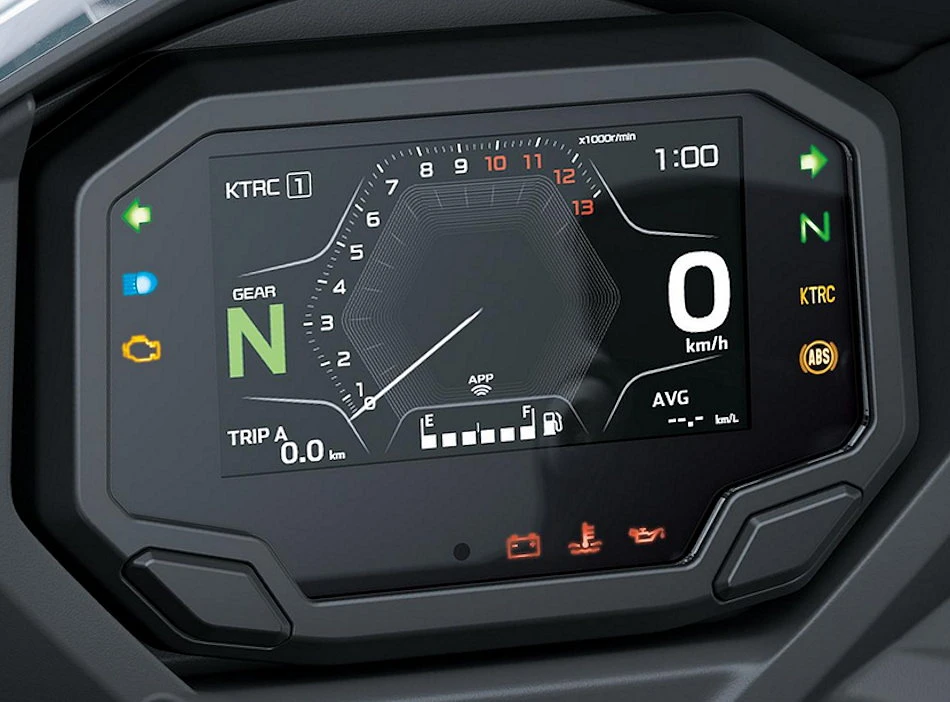
Since there was a little room left in the budget for electronics, the instrument panel was quick to take advantage of the extra funding. Still measuring 4.3 inches, the color TFT screen features an updated graphical interface and enhanced interactivity. When paired with a smartphone and the Rideology app, it can now handle navigation functions and certain voice commands.
Amid all these features, let’s not forget that the Ninja 650 comes equipped with a 3-level KTRC traction control system (more / less intrusive / off), ABS, full LED lighting, and an optional shifter.
Let’s talk about the downsides, like the weight gain. Well, no! An extra kilo is barely worth mentioning. Customers are more interested in its power-assisted clutch—smooth as melted butter under your hand—its riding position, which is a bit more dynamic than the Z’s yet still comfortable, and its effortlessly smooth ride, noticeable at all times.
The time has come for her
Gone are the days of the gentle, almost placid ER-6f. Over the past 20 years, the bike has become much more dynamic in style, has been upgraded with more features, has had to sacrifice a few horsepower to meet regulations, and has managed to stay within its price range. Is it set for a few more decades?
M.B. – Manufacturer photos
by Greg

Greg is the founder of Motoplanete—a website created in 2001 to share his passion with his friends and showcase as many motorcycle models as possible to his readers. Self-taught and a jack-of-all-trades, his discovery of the world of motorcycles led him to work as a photographer, rider, team manager, web developer, graphic designer, editorial assistant, and editor-in-chief.
 Share
Share
Key facts Kawasaki Ninja 650 (2027) : What you need to know before you buy
Highlights
- Reinforced front suspension
- No inflation
- Overall Ease of Use
Weak points
- Engine remains unchanged
- Limited bubble protection
Prices
| Basic version | |
|---|---|
 France France |
8,349€
|
Model sold in 2027

Performance
- Max speed : approximately 200 km/h (124.30 mph)
- Average fuel consumption : 4.30 liters/100km (0.55 mpg)
-
Estimated range
: 349 km (217 miles)
Calculated range until tank is empty, not verified.
History

Specifications Kawasaki Ninja 650 2027
- Chassis
- Two-seater saddle
- Frame : Steel tubular mesh
- Fuel capacity : 15 liters (3.96 US gallons)
- Seat height : 785 mm (30.91 in)
- Length : 2,045 mm (80.51 in)
- Width : 740 mm (29.13 in)
- Min height : 1,140 mm (44.88 in)
-
Min. ground clearance : 125 mm (4.92 in)
- Wheelbase : 1,395 mm (54.92 in)
- Dry weight : 179 kg (395 lb)
- Weight when fully loaded : 194 kg (428 lb)
- Front axle
- Reverse-action telescopic hydraulic fork, Ø 37 mm / Showa, Wheel travel : 125 mm (4.92 in)
- Angle de chasse : 24 °
- Braking 2 Nissin discs Ø 300 mm (11.81 in), radial mounting, 4-piston caliper
- Front tire (Tubeless) : 120 / 70 - 17 → Order this type of tire
- half handlebars (wristbands) handlebars
- Transmission
- 6 stage gearbox , manual - optional shifter
- Secondary by chain
- Rear axle
- Single shock absorber, Wheel travel : 130 mm (5.12 in)
- Preload adjustment
- Braking 1 Nissin disc Ø 220 mm (8.66 in), single-piston caliper
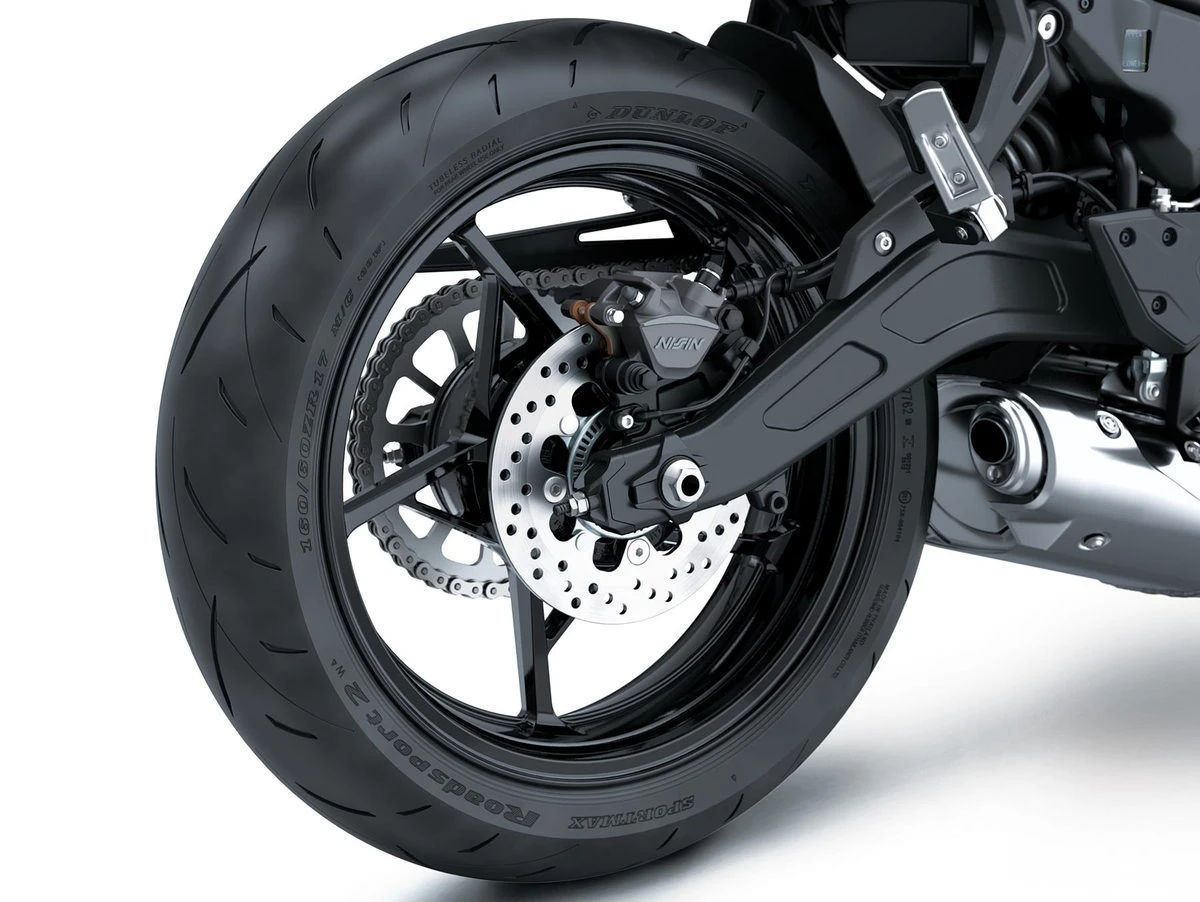
- Rear tire (Tubeless) : 160 / 60 - 17 → Order this type of tire
- Motor
- two-cylinder online , 4 strokes, set at 180°
- Injection, Ø 36 mm
- Cooling system : liquid
- 2 ACT
- 4 valves per cylinder
- 649 cc
- 68 ch (67.10 hp) to 8,000 rpm
- 6.50 mkg (64 Nm) to 6,700 rpm
- Power-to-Weight Ratio : 2.67 kg/ch
- Torque-to-Weight Ratio : 27.54 kg/mkg
- Compression : 10.8 : 1
- Starting system : electric
- CO² emissions: 107 g/km
- Anti-pollution standard : Euro 5+
- Standard equipment
- Brake assist : Anti-lock Braking System
- TFT Full-Colour screen size: 10.92 cm (4.3 inches)
- Aluminium rims
- Gear indicator
- Bluetooth
- Traction control
- Anti-slip clutch
- Optional equipment
- Shifter
- Practical information
Essentials
 Motoblouz
 LaBécanerie


Gallery
Models
2027
Used
Find this used Ninja 650 on MotoPlanete

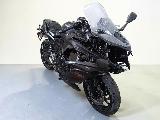
Compare the Ninja 650 to its competitors
FAQ Your frequently asked questions about the Ninja 650 2027
- What is the power of the Ninja 650?
-
The Ninja 650 2027 develops a power of 68 ch (67.10 hp)
- What is the torque of the Ninja 650?
-
The maximum torque of the Ninja 650 2027 is 6.50 mkg (64 Nm) to 6,700 rpm.
- What is the maximum speed of the Ninja 650?
-
The Ninja 650 2027 is capable of reaching a top speed of approximately 200 km/h (124.30 mph) on the track.
- What is the weight of the Ninja 650?
-
The Ninja 650 2027 has a a dry weight of 179 kg (395 lb), a weight when fully loaded of 194 kg (428 lb).
- What is the fuel consumption of the Ninja 650?
-
Average fuel consumption is estimated at 4.30 l/100km (0.55 mpg) according to the WMTC cycle.
- QWhat is the seat height of the Ninja 650?
-
To ensure good accessibility, the Ninja 650 2027 offers a minimum seat height of 785 mm (30.91 in).
- What is the price of the Ninja 650?
-
The price of the Ninja 650 2027 is 8,349€ in France
- What size tires should I put on my Ninja 650?
-
The standard size for a Ninja 650 2027 is 120 / 70 - 17 for the front, and 160 / 60 - 17 for the rear.
- What colors are available for the Ninja 650?
-
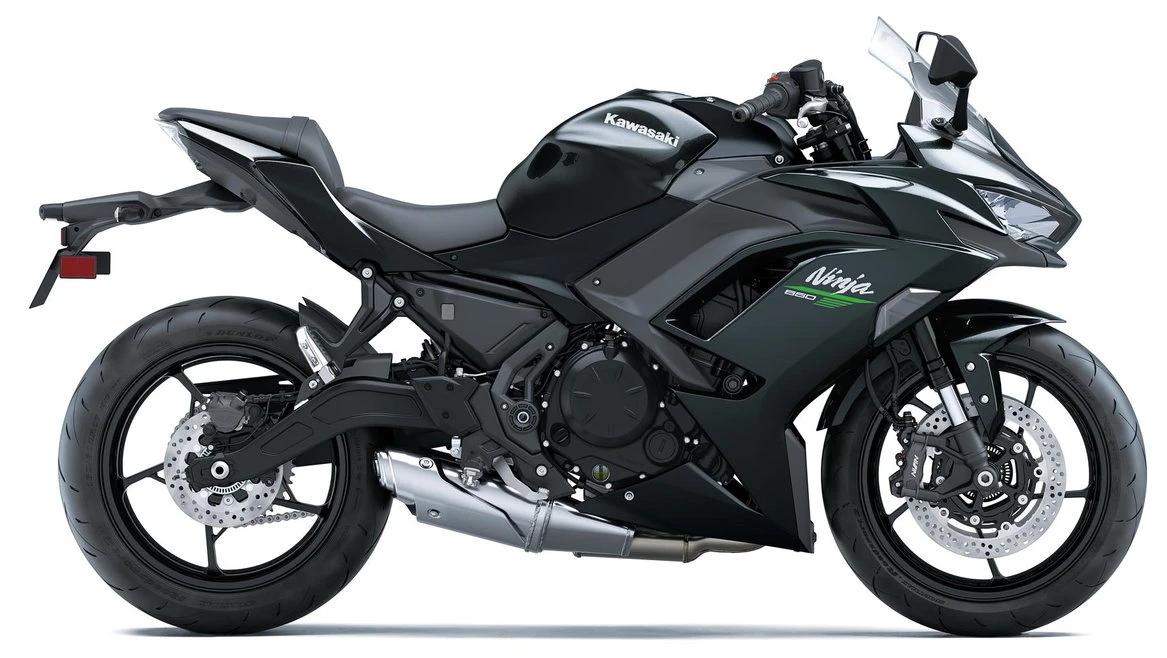
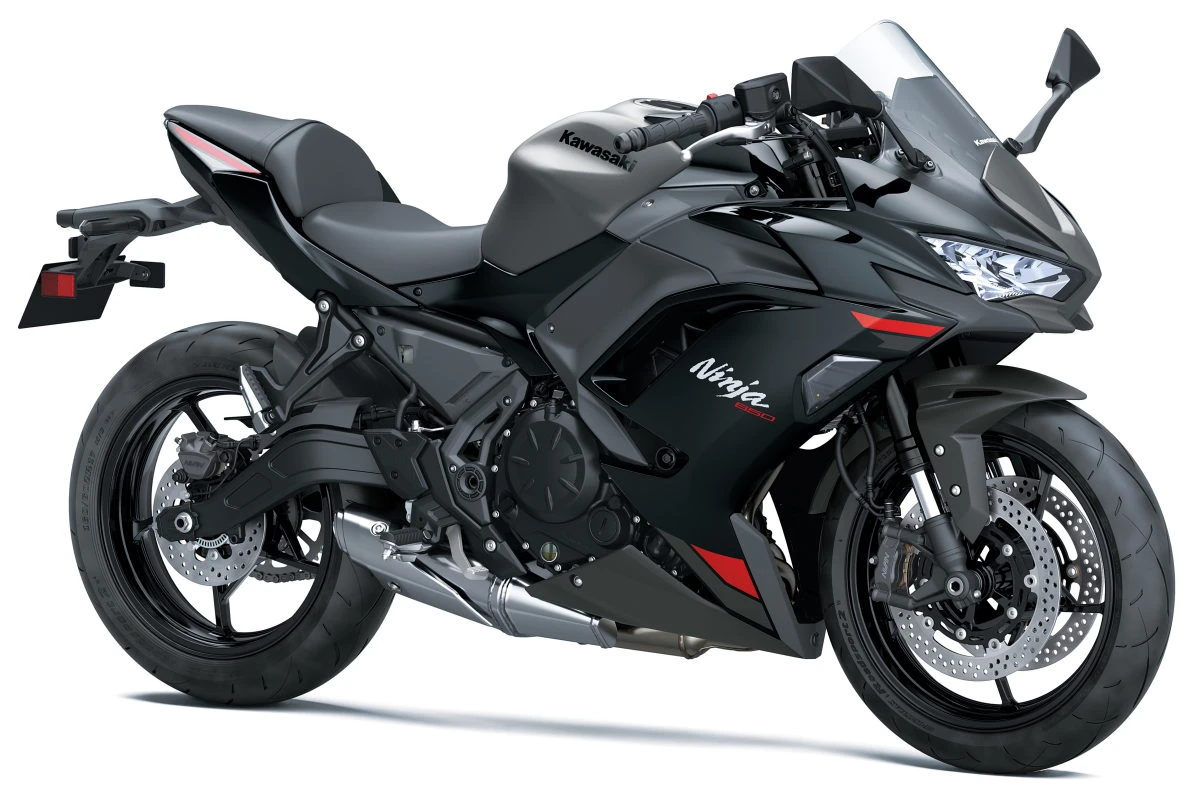
For the 2027 model year, the Ninja 650 is available in several colors: green, grey and black.
- Where can I find high-quality used Ninja 650s?
-
You can find used Ninja 650 at great prices on MotoPlanete, in the section dedicated to them—models from professionals and private sellers, as well as spare parts.
News
-
Triumph succeeded BSA in the Motocross World Championship.
-
BMW S1000RR Recall Alert: Risk of Engine Shutdown
-
GIVI HLP Headlight Protector: Ténéré 700 and R1300GS
-
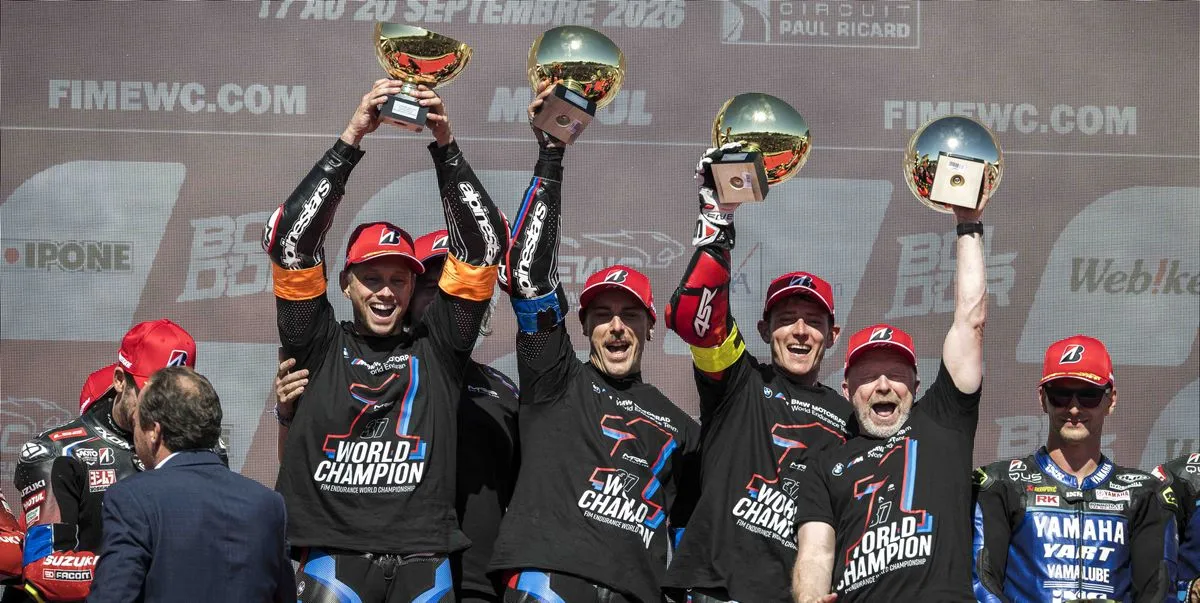
Victory and the championship title for BMW at the 2026 Bol d'Or.
-
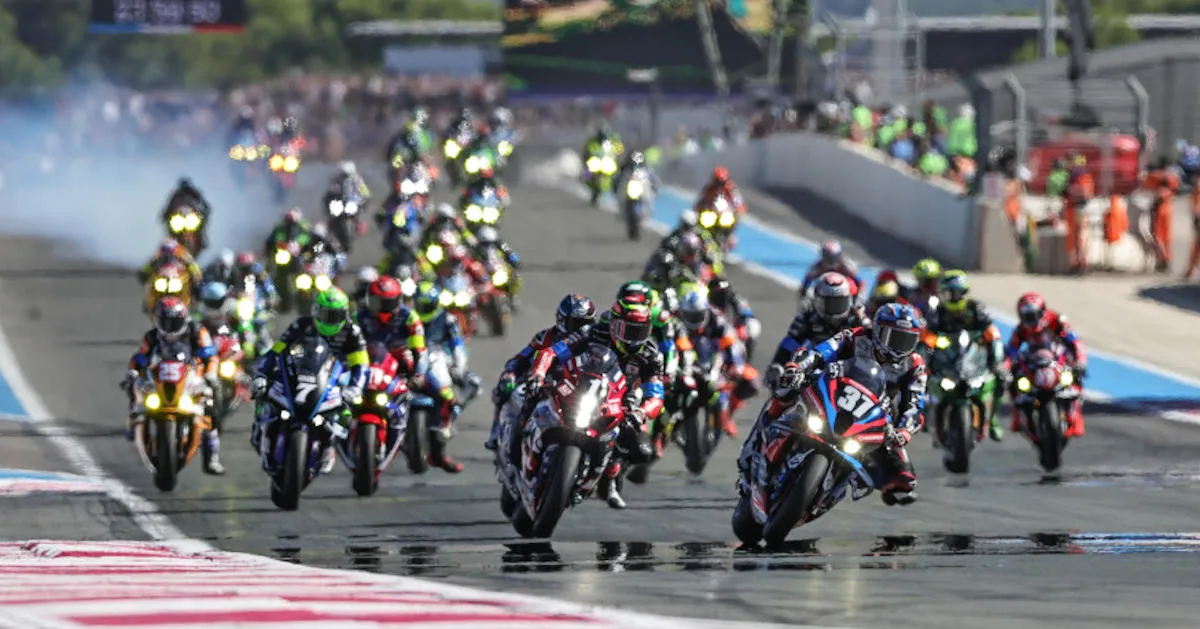
The 89th Bol d'Or: A Celebration of Racing Passion.
-
2026 MXGP of China: Herlings Unbeatable, McLellan Delays the MX2 Title
-
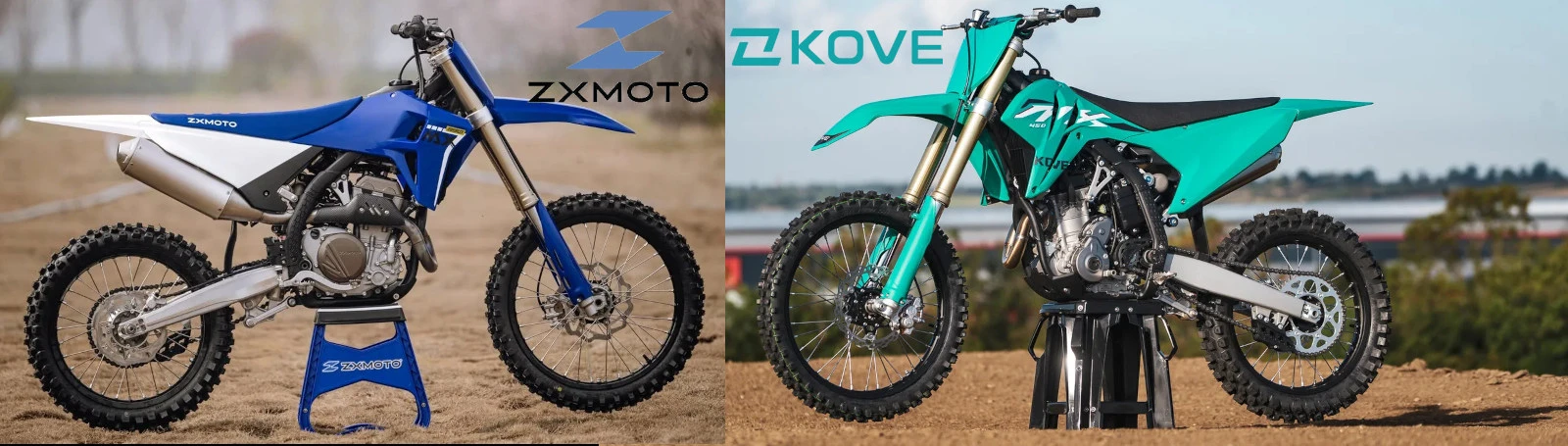
MXGP 2027: Kove and ZXMoto Join the Championship
-
SC Project is working on the 2026 Suzuki GSX-R1000R.
-
2026 MXGP of Turkey: Herlings Crowned World Champion!
-
The new motorcycle models of 2026 and the evolutions.

Bikers' reviews Leave a review