
Motorcycle specifications Triumph 800 Trident 2026 The strong link


presentation of the 800 Trident 2026
With the 800 Trident, we witness the marriage of two excellent Triumph machines. In 2021, the little 660 Trident arrived with its 3-cylinder (the only one in a twin universe) and made a positive impression. 4 years later, the 800 Tiger Sport took its place in the virulent mid-size trail-GT segment and matched it. All the ingredients were in place for a very promising roadster, with the added bonus of a price tag that could make a lasting impression.
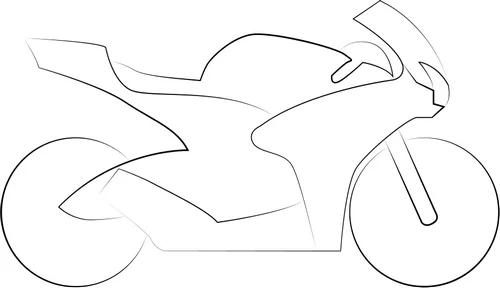
This "mid-size" Trident let its name, like its lines, dictate its presence. A copy-paste of the 660, with just a little more volume. The curvaceous tank, the curvaceous shapes, the round headlight - at first glance, it's immediately obvious that this is the big brother. The next moment, you realize that the 800 doesn't belong to the same club. The fuel tank is a little more angular, the seat splits into two parts, the rear frame is dressed up, the headlight becomes more complex and is topped with a mini windscreen, the exhaust pipe grows outwards, the front mudguard gets bigger and an engine shoe muscles the belly.
It's got the tiger in it
Oh, and that's not all. The rims have changed too, and the braking system has been upgraded. But we'd soon like to know what's going on inside the engine. Is it the 765 cm3 with a different name? There's no risk of a brawl between the Trident and the Street Triple: they don't have the same block. The 798 cm3 3-cylinder here comes from the 800 Tiger Sport. It produces 115 hp at 10,750 rpm, which is very good for its displacement. To get more, you need more cylinders or more volume. Or look no further than the MV-Agusta 800 RR or the .... Street Triple.
Maximum torque is 8.6 mkg. Identical specifications to our trail cousin. And a big difference compared to the 660 : 34 hp and 2 mkg more - enough to make it a super Trident. Particularly since the engine in the Tiger Sport 800 is particularly successful, muscular and expressive, the same can only be said of the roadster.

The advantage of being derived from an already efficient and well-born model is that you get a whole host of elements that have already been validated, approved and appreciated by the public. This is the case for the chassis, which was very convincing on the Tiger. Nevertheless, the Trident wants to have its own behavior, so it opens up its caster angle (from 23.8° to 24.5°), compensated by a 20 mm shorter wheelbase. The weight difference of just over twenty kilos also plays its part in agility. The rest of the work will be handled by a Showa 41 mm inverted fork, type SFF-BP, with adjustable compression and rebound damping. The Japanese manufacturer also takes care of the rear shock absorber, this time with adjustable preload and rebound.
As for the brakes, the Triumph badge conceals J.Juan calipers, radially mounted and biting 310 mm discs with their 4 pistons. No need to worry about their efficiency, except in the event of a big attack, when they won't have the high level of Italian clamps. But when it comes down to it, maybe the Street Triple RS would suit the rider better.
Of course, the Trident 800 doesn't come without chips, wires and silicon. Just like everyone else. Triumph shows courtesy with a good bag, including three riding Modes (Road / Sport / Rain), an IMU for greater precision in traction control and ABS (cornering), an Up&Down shifter, cruise control, automatic stop indicators, full LED lighting and connectivity to manage smartphone, calls, music and a simplified GPS navigator. 2 or 3 years ago, the British manufacturer would have offered half of this equipment as an option. Competition is having its effect on the historic brands, and on their pricing policies.
It's a pity that the dashboard isn't up to this bike's standard. This LCD/TFT combo is in very particular taste. Frankly, the 800 Trident and Tiger Sport deserve better.

Claws avoid the price tag
As you can imagine, Triumph bikes don't come cheap. For some time now, the manufacturer has been working on its premium positioning, in pursuit of BMW. So, how much is this 800 Trident going to cost you to grab its handlebars? 11,000? 12,000?
Absolutely not! The Englishwoman plays tactically, settling for just under 10,000. On a par with the Z 900 and well below the iconic MT-09. Here, we see everything. Although the BMW F 900 R looks at all these people with a chuckle.
At the same time, Triumph had to differentiate itself from the Street Triple range, of which the R is only a notch above in terms of price. The R is therefore perfectly positioned between the 660 Trident and the 765 Street Triple, both in terms of power and finance.
In the '80s and '90s, the roadster concept had gradually shifted towards the streetfighter. Then came the sly return of the neo-retro - a way of offering a less aggressive naked in the same wattage and displacement bracket. Since then, this kind of duo has been available from virtually every manufacturer: Yamaha XSR 900 / MT-09 - Kawasaki Z 900 / Z 900 RS - Suzuki GSX-8S / GSX-8T - Ducati Monster / Streetfighter V2 - Honda CB 750 Hornet / CB 650 R and the list goes on.
Triumph now has its dyad with the 800 Trident and the 765 Street Triple. The latter has nothing left to prove; the new one could well cause the competition to break out in a sweat.
M.B - Manufacturer's photos
by Greg

Greg is the founder of Motoplanete—a website created in 2001 to share his passion with his friends and showcase as many motorcycle models as possible to his readers. Self-taught and a jack-of-all-trades, his discovery of the world of motorcycles led him to work as a photographer, rider, team manager, web developer, graphic designer, editorial assistant, and editor-in-chief.
 Share
Share
Key facts Triumph 800 Trident (2026) : What you need to know before you buy
Prices
| Basic version | |
|---|---|
 France France |
9,995€
|
 United Kingdom United Kingdom |
£9,195
|
 United States United States |
$9,995
|
 Spain Spain |
10,395€
|
 Canada Canada |
11,695C$
|
 Switzerland Switzerland |
10,595CH
|
 Portugal Portugal |
10,895€
|
 Italy Italy |
9,995€
|
 Germany Germany |
9,695€
|
 Belgium Belgium |
9,995€
|
Model sold in 2026
Performance
- Max speed : over 230 km/h (142.90 mph)
- Average fuel consumption : 4.70 liters/100km (0.50 mpg)
-
Estimated range
: 298 km (185 miles)
Calculated range until tank is empty, not verified.

Specifications Triumph 800 Trident 2026
- Chassis
- Two-seater saddle
- Frame : Tubular steel structure
- Fuel capacity : 14 liters (3.70 US gallons)
- Seat height : 810 mm (31.89 in)
- Length : 2,024 mm (79.69 in)
- Width : 815 mm (32.09 in)
- Min height : 1,088 mm (42.83 in)
- Wheelbase : 1,402 mm (55.20 in)
- Weight when fully loaded : 198 kg (437 lb)
- Front axle
- Reverse telehydraulic fork Ø 41 mm / Showa, Wheel travel : 120 mm (4.72 in)
- Angle de chasse : 24.5 °
- Compression and rebound adjustment
- Braking 2 discs Ø 310 mm (12.2 in), radial mounting, 4-piston caliper
- Front tire (Tubeless) : 120 / 70 - 17 → Order this type of tire
- Transmission
- 6 stage gearbox , manual - shifter as standard
- Secondary by chain
- Rear axle
- Monoshock / Showa, Wheel travel : 130 mm (5.12 in)
- Preload and rebound adjustment
- Braking 1 disc Ø 220 mm (8.66 in), single-piston caliper
- Rear tire (Tubeless) : 180 / 55 - 17 → Order this type of tire
- Motor
- 3 cylinders online , 4 strokes
- Injection
- Cooling system : liquid
- 2 ACT
- 4 valves per cylinder
- 798 cc
- 115 ch (113.40 hp) to 10,750 rpm
- 8.60 mkg (84 Nm) to 8,500 rpm
- Power-to-Weight Ratio : approx. 1.64 kg/ch
- Torque-to-Weight Ratio : approx. 21.56 kg/mkg
- Compression : 13.2 : 1
- Starting system : electric
- CO² emissions: 109 g/km
- Anti-pollution standard : Euro 5+
- Standard equipment
- Brake assist : ABS
- Number of riding modes : 3
- TFT Full-Colour screen size: 8.89 cm (3.5 inches)
- Aluminium rims
- Shifter
- Gear indicator
- Bluetooth
- Traction control
- Anti-slip clutch
- ABS Cornering
- Cruise control
- Bluetooth
- Practical information
Essentials
 Motoblouz
 LaBécanerie


Gallery


Models
2026


Used
Find this used 800 Trident on MotoPlanete



Compare the 800 Trident to its competitors
Compared to its 7 direct competitors, this 800 Trident offers a fairly balanced positioning, sitting right in the middle of the category. On the spec sheet, it highlights CO² emissions of 109 g/km and fuel consumption of 4.7 l/100km. Its torque-to-weight ratio of 21.56 kg/Nm limits its punch at low revs.
Price
Acceleration
Fuel consumption
Range
Torque
Power
Power-to-Weight ratio
Torque-to-Weight ratio
Speed
CO² emissions
FAQ Your frequently asked questions about the 800 Trident 2026
- What is the power of the 800 Trident?
-
The 800 Trident 2026 develops a power of 115 ch (113.40 hp)
- What is the torque of the 800 Trident?
-
The maximum torque of the 800 Trident 2026 is 8.60 mkg (84 Nm) to 8,500 rpm.
- What is the maximum speed of the 800 Trident?
-
The 800 Trident 2026 is capable of reaching a top speed of over 230 km/h (142.90 mph) on the track.
- What is the weight of the 800 Trident?
-
The 800 Trident 2026 has a a weight when fully loaded of 198 kg (437 lb).
- What is the fuel consumption of the 800 Trident?
-
Average fuel consumption is estimated at 4.70 l/100km (0.50 mpg) according to the WMTC cycle.
- QWhat is the seat height of the 800 Trident?
-
To ensure good accessibility, the 800 Trident 2026 offers a minimum seat height of 810 mm (31.89 in).
- What is the price of the 800 Trident?
-
The price of the 800 Trident 2026 is £9,195 in United Kingdom. It is displayed at 9,695€ in Germany, at 9,995€ in France, in the United States, in Italy, in Belgium, at 10,395€ in Spain, at 10,595CH in Switzerland, at 10,895€ in Portugal and at 11,695C$ in Canada.
- What size tires should I put on my 800 Trident?
-
The standard size for a 800 Trident 2026 is 120 / 70 - 17 for the front, and 180 / 55 - 17 for the rear.
- What colors are available for the 800 Trident?
-
For the 2026 model year, the 800 Trident is available in several colors: black, red and grey.
- Where can I find high-quality used 800 Tridents?
-
You can find used 800 Trident at great prices on MotoPlanete, in the section dedicated to them—models from professionals and private sellers, as well as spare parts.
News
-
CFMOTO 675SR-R: Official Motorcycle of the WorldWCR Starting in 2027
-
News on the Street Triple 798, Bonneville 400, Tiger 900, and Tiger 1200.
-
2026 MXoN in Ernée: Belgium Wins, France Falls
-
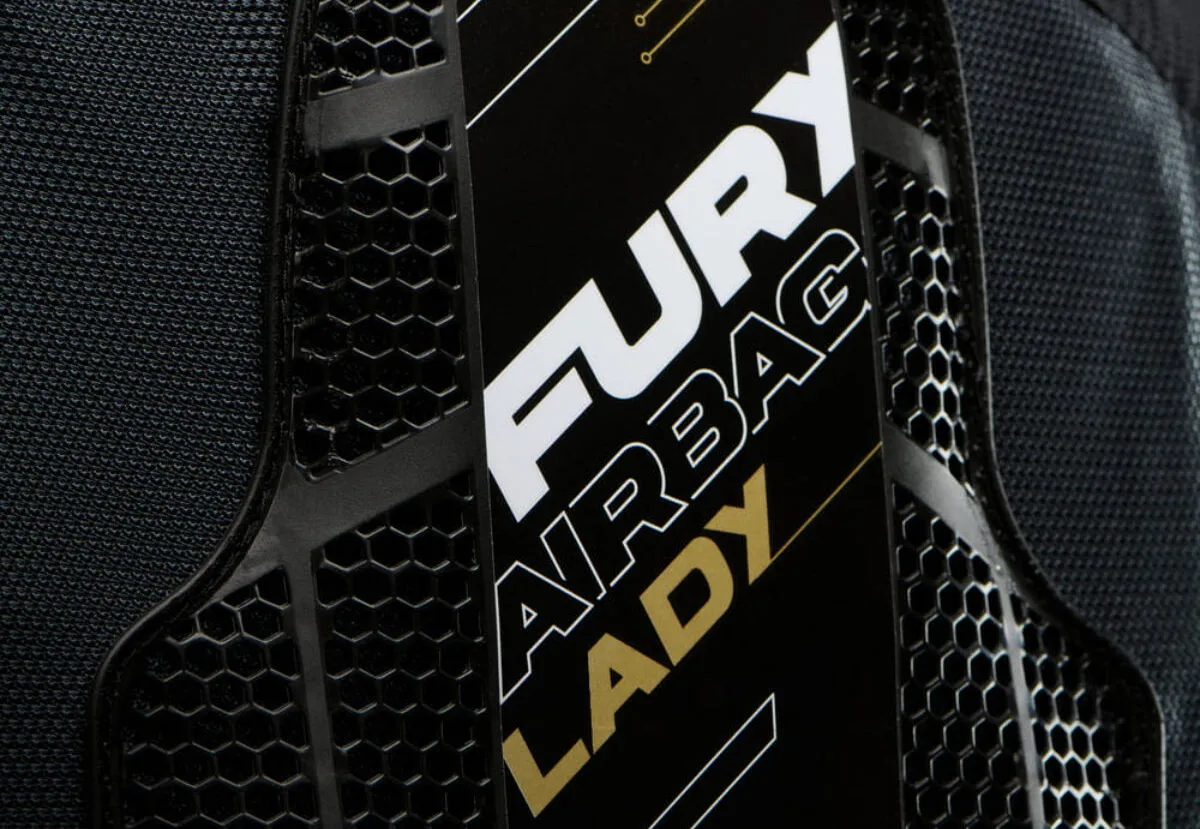
Furygan offers an airbag vest designed specifically for women.
-
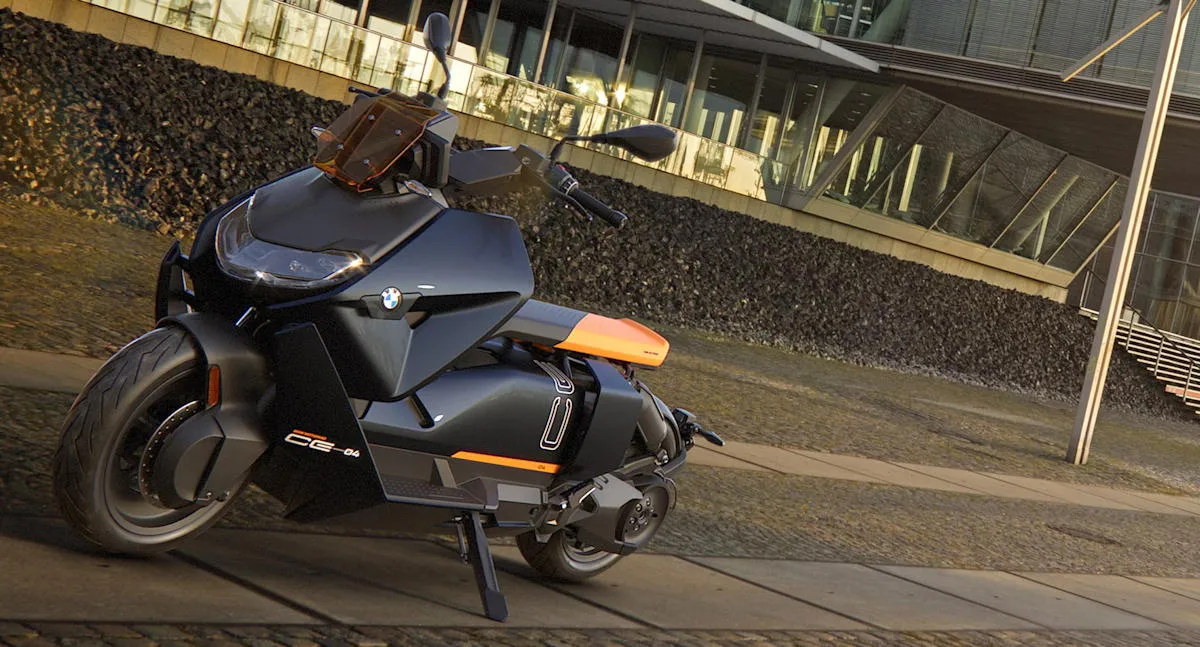
Top 10 Best Scooters of 2026: Our Complete Ranking.
-
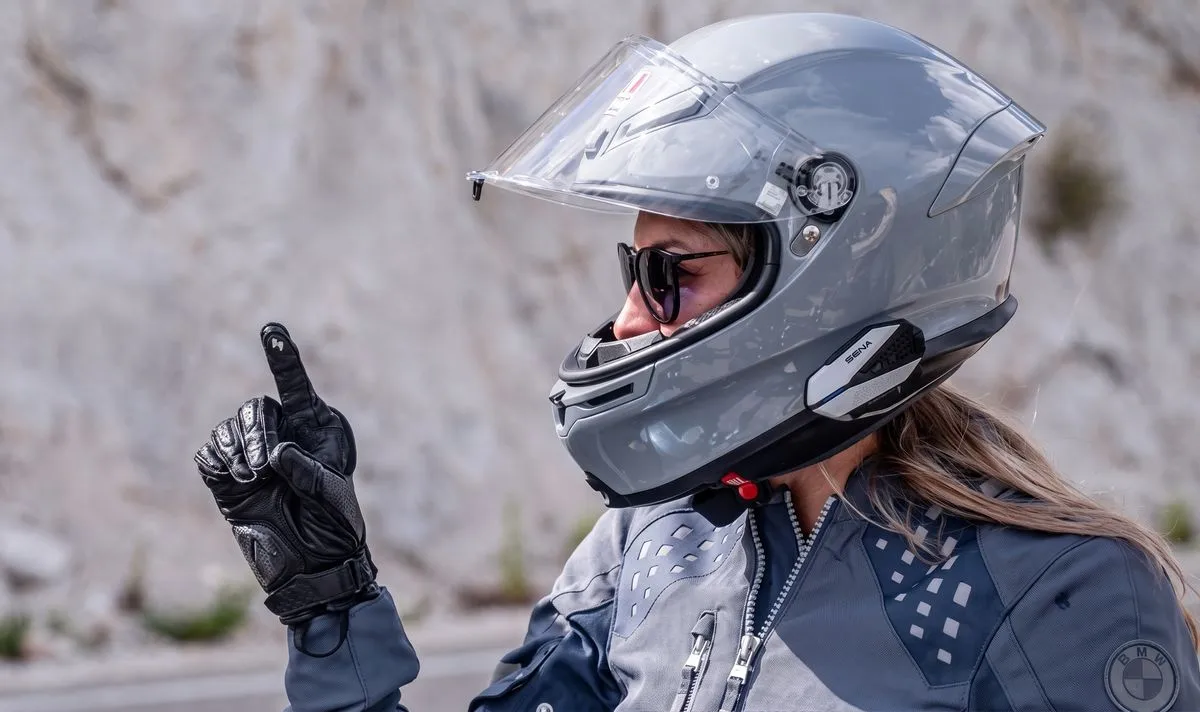
Motorcycle Intercoms—A Practical Guide to Choosing the Right One for Your Needs.
-
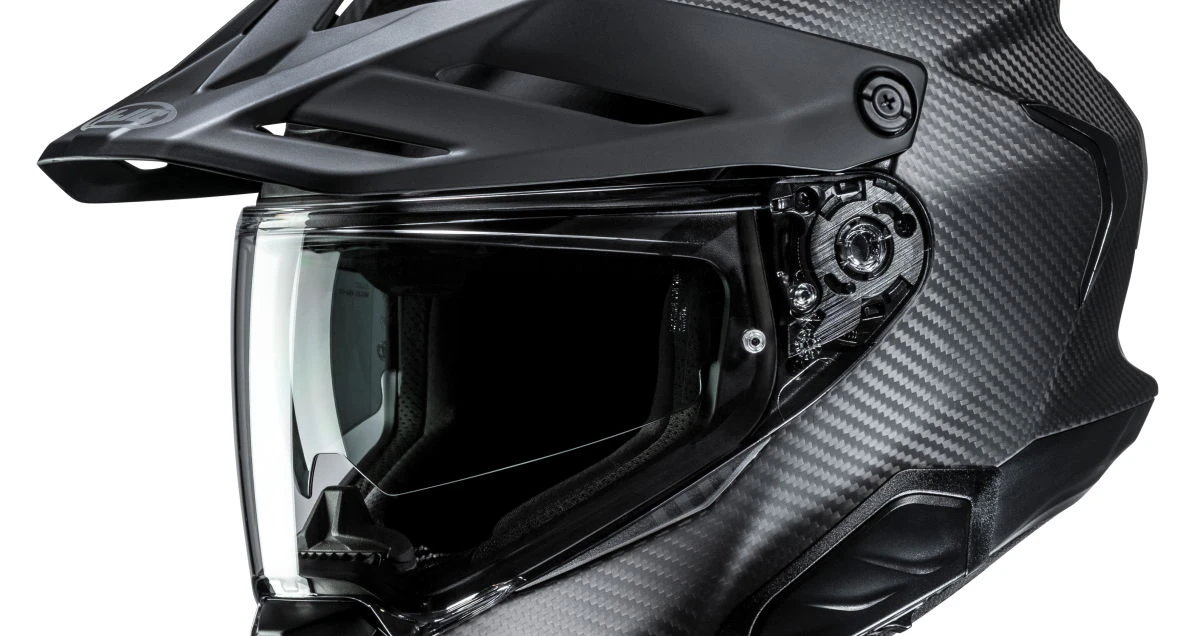
HJC is gearing up for a big year in 2027, with eight new helmets.
-
Triumph succeeded BSA in the Motocross World Championship.
-
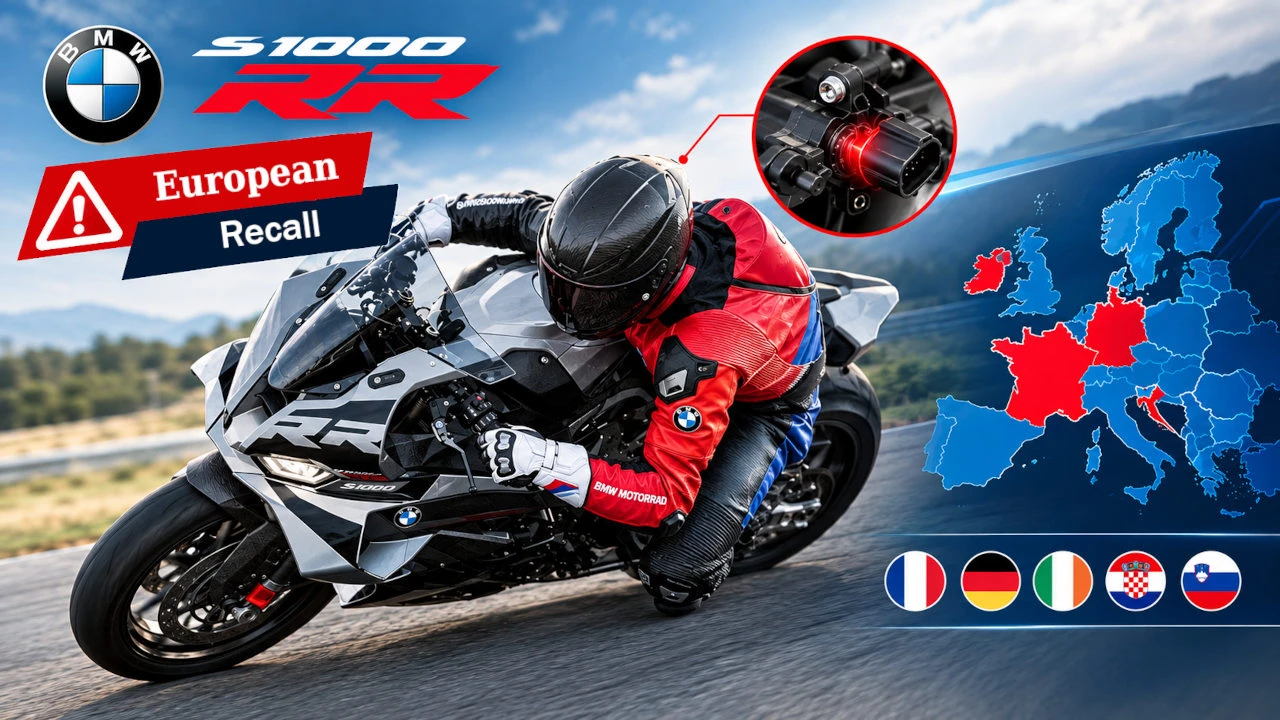
BMW S1000RR Recall Alert: Risk of Engine Shutdown
-
The new motorcycle models of 2026 and the evolutions.

Bikers' reviews Leave a review - 11 reviews
A very well-designed silhouette that’s a pleasure to look at.
But it’s far from being within everyone’s financial reach.
Inflation may be widespread across all sectors these days, but when you compare the prices of the first Street Triples from 2007 with the competition at the time, they were much more affordable than their 2026 successors.
The Trident is more or less a neo-retro Street model, and this style now comes at a premium price.
I can’t wait for the major Chinese brands (QJ-CF-ZX - KOVE) to develop this neo-retro roadster segment in turn—which shouldn’t be long now—to shake up the market a bit with high-performance, affordable models! Rating : 5/5 Respond to Jeff2A
You’re better off buying a good, roomy backpack in a nice color! Rating : 1/5 Participate in the conversation